Typically, astronomers observe the dimming of a star whenever an exoplanet passes in front of it. But what could possibly cause a star to periodically increase its illumination when an object passes in front? The answer, say scientists, is a newly confirmed phenomenon known as “self-lensing.”
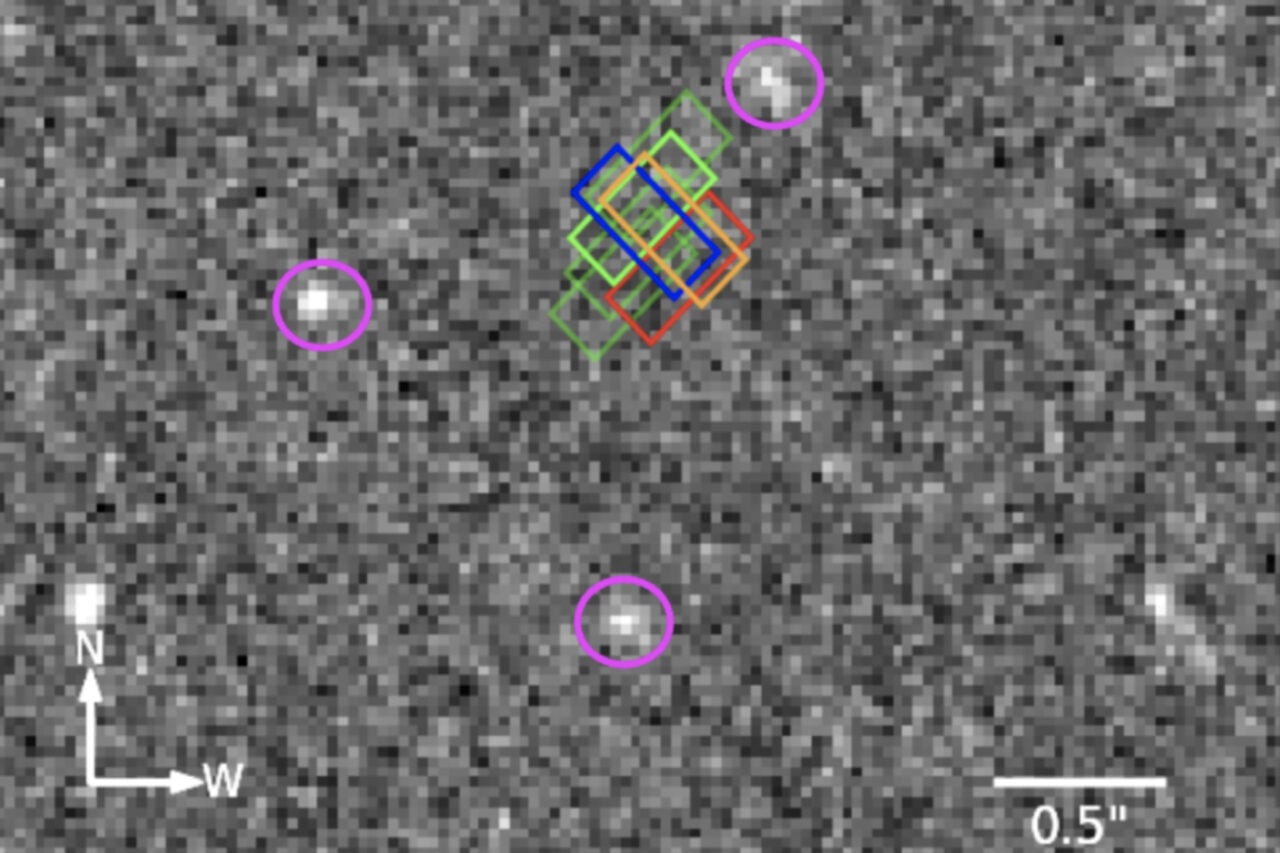
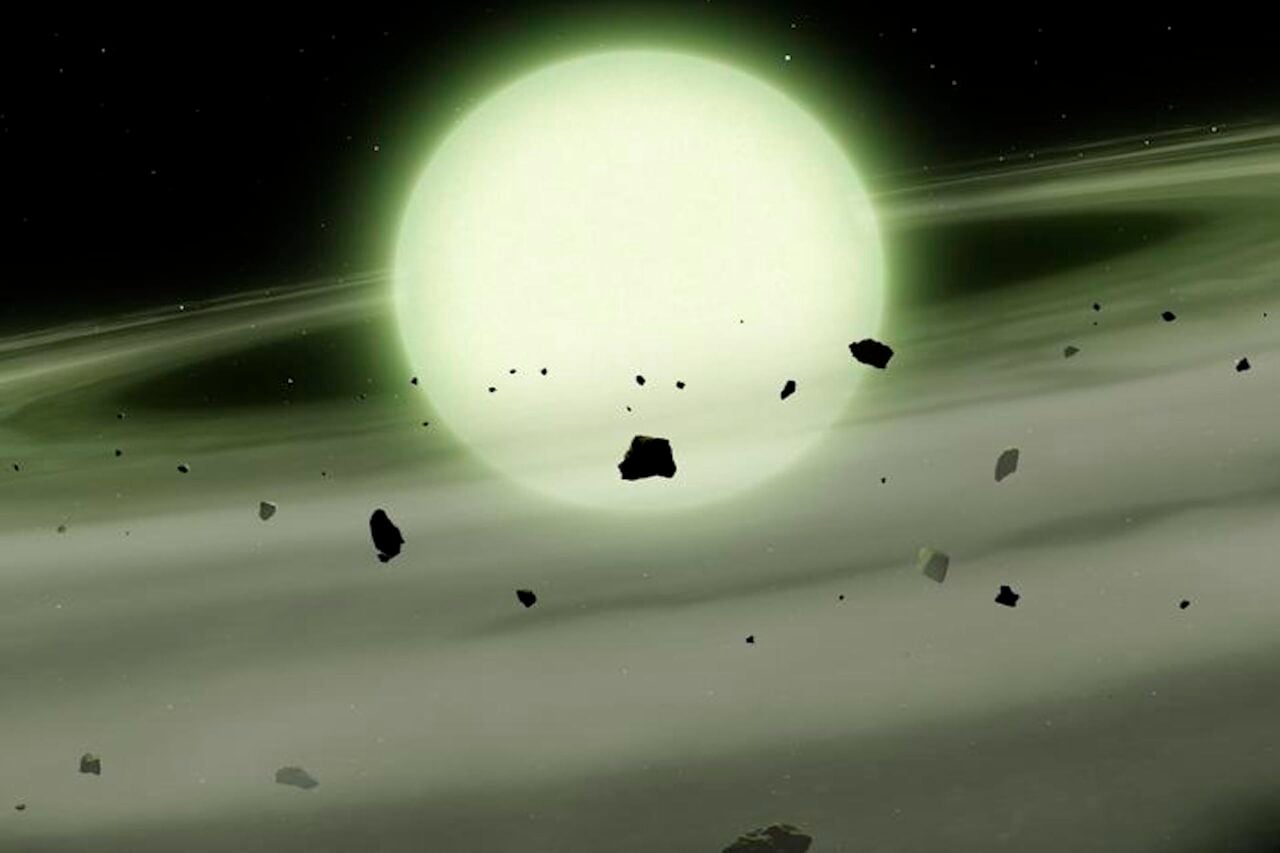
There’s a binary system about 2,600 light-years from here consisting of a sun-like star and a white dwarf. Every 88 days, for a period of about 5 hours, the G-star’s illumination increases by a factor of 0.1%.
The reason, say physicists Ethan Kruse and Eric Agol from the University of Washington, is on account of an effect known as microlensing (Science: KOI-3278: A Self-Lensing Binary Star System). It’s the same effect that lets astronomers see massive celestial objects behind other large bodies, including galaxies. This happens when massive bodies distort space-time and bend the path of light travelling past them.
Some 40 years ago, a Swiss astronomer named André Maeder predicted that a similar thing would happen when a dense object passes in front of a star, a process he described as self-lensing. Now, thanks to the observations made by Kruse and Agol, he’s been proven correct.
[ Nature News ]
Image: Eric Agol & NASA/SDO HMI science teams.