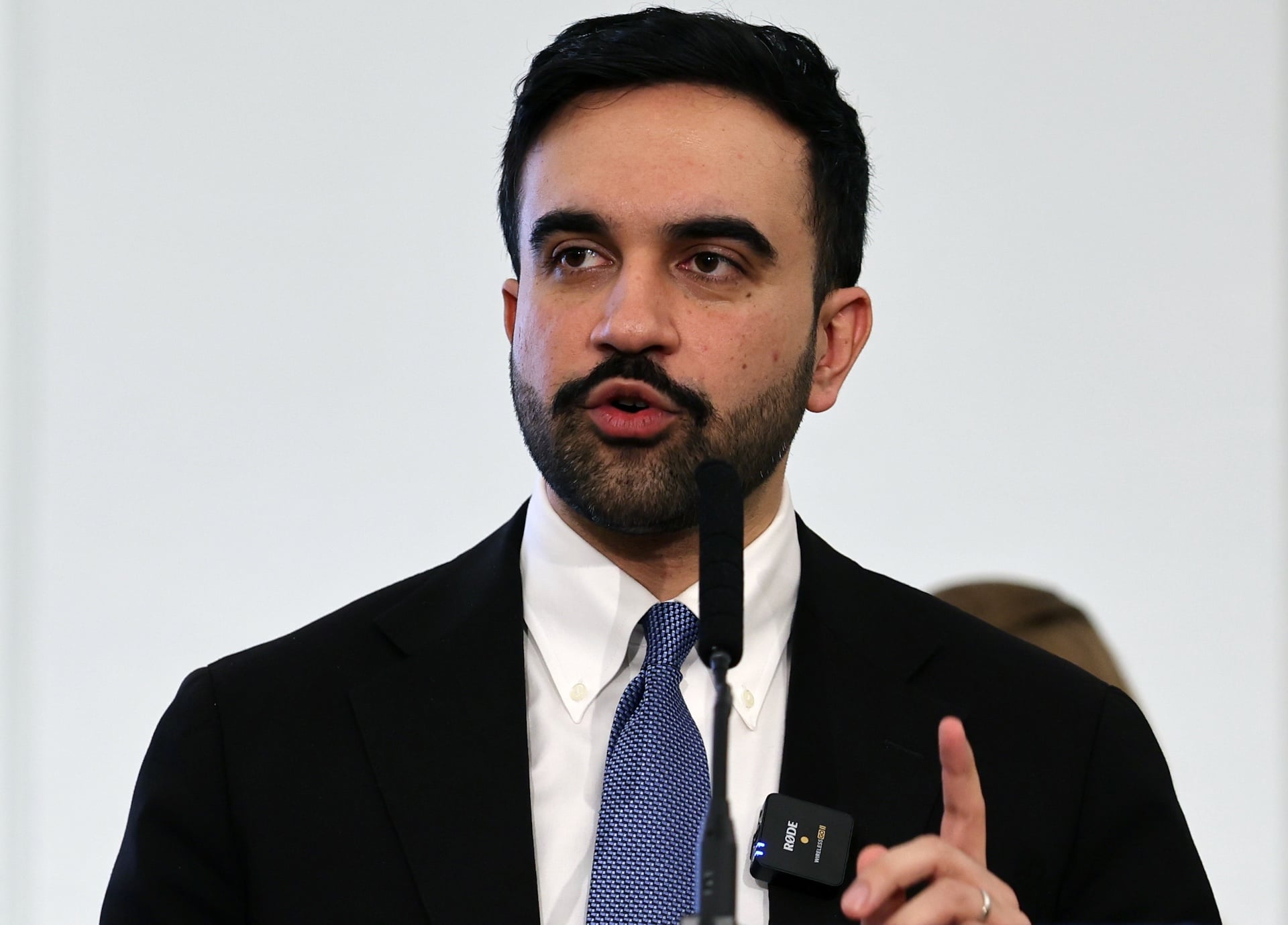
In a characteristically zesty, and very brief, TikTok announcement on Tuesday, New York City Mayor Zohran Mamdani declared that TikTok use is back for city employees.
@nycmayor New York City, we’re back.
♬ original sound – Mayor Zohran Kwame Mamdani
Mamdani’s predecessor, Eric Adams, banned the app on city-owned devices in 2023, saying it “posed a security threat to the city’s technical networks.” TikTok was owned by a China-based company at the time, ByteDance, and had engaged in some creepy surveillance of specific people in 2022, according to Emily Baker-White of Forbes.
No evidence was ever brought forward supporting scary hypothetical possibilities about the Chinese government having a say in the inner workings of the TikTok algorithm or being fed the personal data of Americans. But in any case, Congress passed a bill essentially requiring ByteDance to transfer its entire U.S. division to a U.S.-based owner, which it eventually did, selling it to a consortium of U.S. investors late last year.
Now there are fewer fears around TikTok, and New York City’s new mayor has brought use of the app back for city employees—with a lot of restrictions.
According to Politico, Mamdani’s office emailed city agencies to say staffers can use TikTok on devices owned by the city, as long as they, as Politico phrased it, “contain no other applications aside from TikTok.” Communications teams within agencies must also have specific, designated TikTok-using agents.
According to a snippet of the email excerpted by Wired, these city-owned TikTok devices “cannot contain sensitive or restricted data, and they cannot be used for email, internal systems, or privileged access.”
These are tough restrictions, and they limit what city staffers can do with TikTok. A designated TikTok operator using a piece of hardware with only the TikTok app on it can’t, for instance, edit a TikTok video with an outside app like ByteDance-owned CapCut.
But perhaps the restrictions make sense, even in TikTok’s post-ByteDance era. After all, the U.S. version of the app started using location data in controversial ways in February. Instagram also sparked some unease with new location features last year. Social media platforms are, viewed in a certain light, sophisticated systems for harvesting and selling data. Maybe governments at all levels should consider keeping all these apps under an intense digital quarantine.