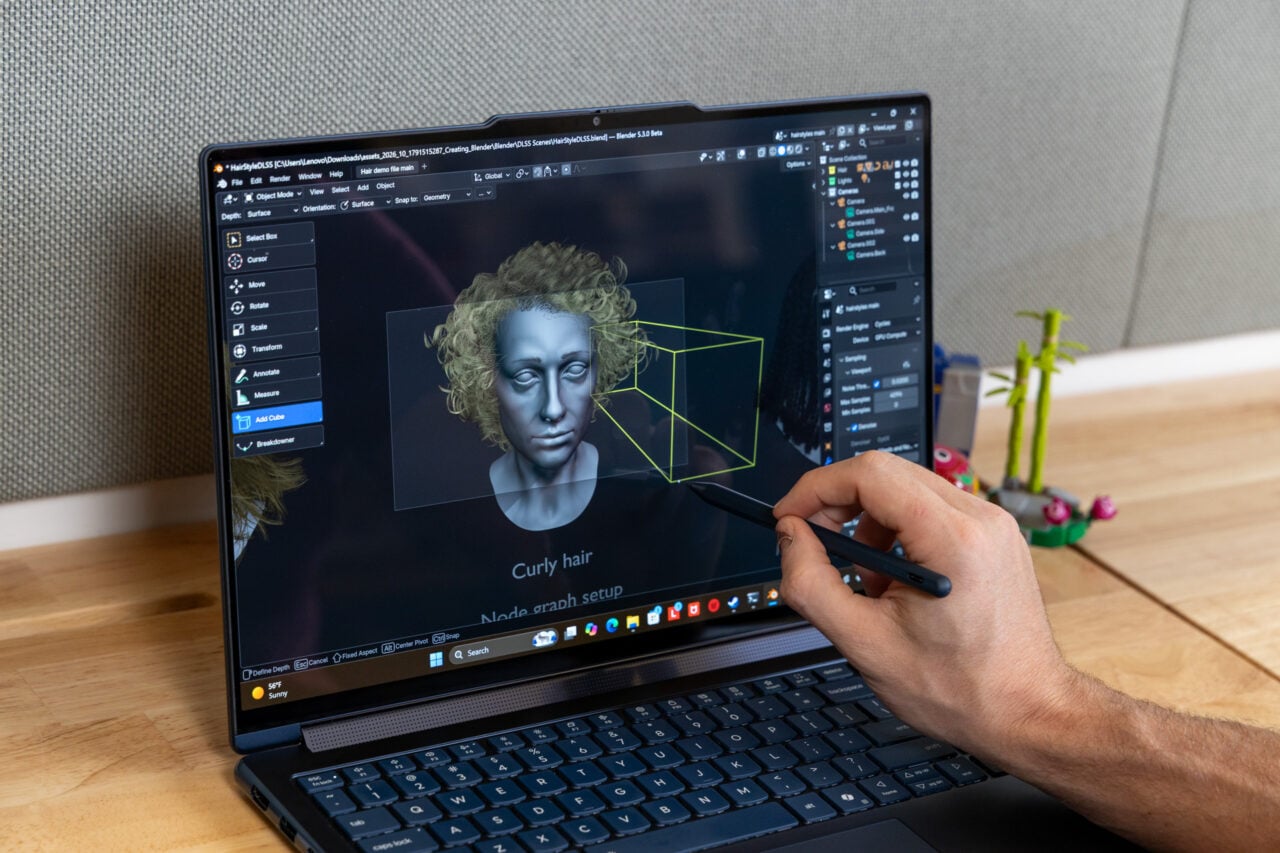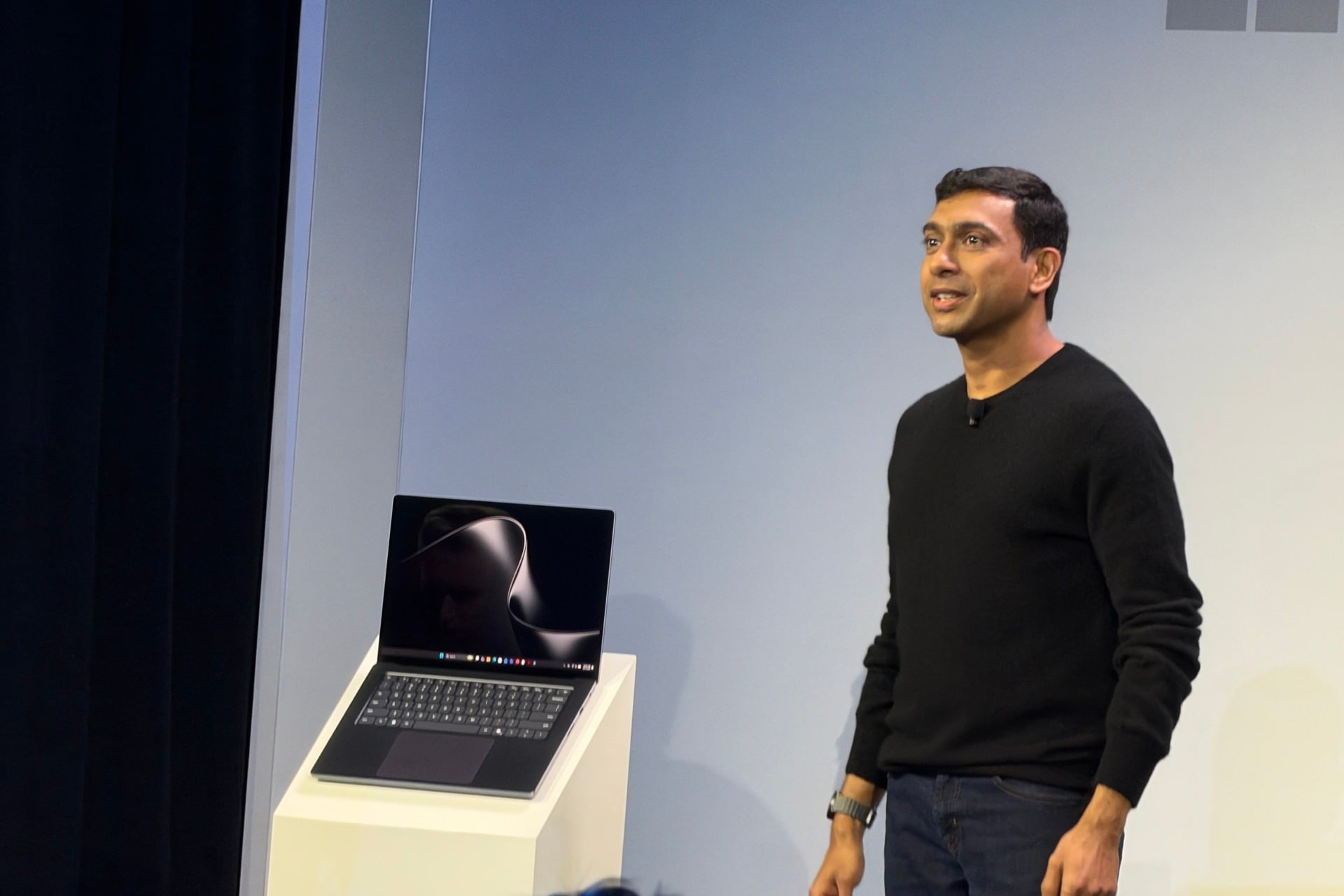
The Microsoft Surface Laptop Ultra wants to culminate decades of laptop experience into a singular, ultimate workstation that does it all. You’ve heard that pitch before. Hell, I’ve likely written a similar sentence a dozen times in the past two years of laptop releases. But in this case, Microsoft is getting closer to an actual laptop that doesn’t skimp on any one thing. In essence, you want a MacBook Pro of the overcrowded realm of PCs—and this laptop with its Nvidia-made chip is looking like it could really be it.
At its big Surface-centric event Wednesday, Microsoft finally allowed us a sense of all the nitty-gritty details centric to what’s actually going on with the Surface Laptop Ultra. Just as the leaks suggested, they are indeed powerful devices, and they will inevitably be more so depending on how much memory you’re looking to put in. There are actually two configurations of the device, and they are not created equally.
And you can already guess why you need so much memory packed into a single device. It’s… AI. The laptop should be able to handle 1 petaflop of FP4 AI performance. And that’s where we come to price. Microsoft’s Surface Laptop Ultra starts at $2,600 for the base configuration. The base model also comes with an 18-core CPU, and you can pack in up to 32GB of unified memory alongside either 512GB or 1TB of SSD storage. The 20-core CPU variant starts at a whopping $3,700, and you can choose between 32, 48, 64, or 128GB of memory. The highest-end config will come out to $5,900. RTX Spark laptops, as a whole, will be costly.
There are some laptops out there that serve as an idealized, ga-ga-worthy clamshell that most average consumers can pine over but few can afford. The Surface Pro is firmly one of those devices. One of the big, defining features of this laptop is its bright, 15-inch PixelSense Ultra touchscreen. That’s a kind of mini-LED display that Microsoft is ready to claim can hit 2,000 peak nits in HDR content. All that in a laptop that’s just under 18mm thick (0.7 inches) and weighs 4.5 pounds, slightly less than a 16-inch MacBook Pro.
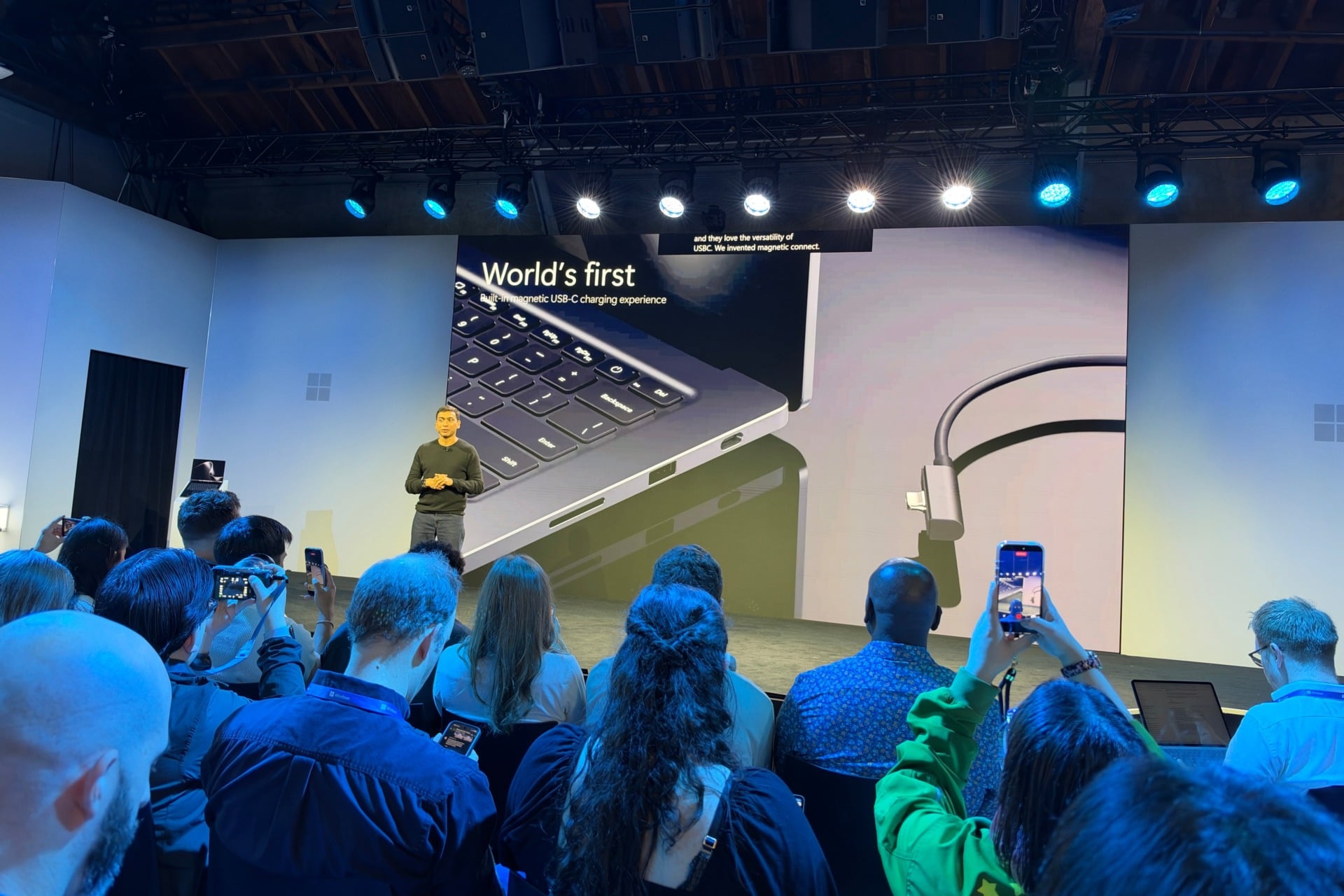
When I first saw the Surface Pro at Computex 2026, Microsoft made a big deal of its reconfigured thermal design. It’s packing two highly tuned fans built to maximize airflow and side vents that work both as speakers and exhaust. There are a few elements that you may not have groked just by the Windows maker’s presentation alone, such as the fact that the screws to access the Surface Laptop Ultra’s components are located underneath the laptop feet. The laptop is also now sporting a magnetic USB-C port for charging. That’s big news for those Surface fans who still love their magnetic Surface Connect port but want something more modern.
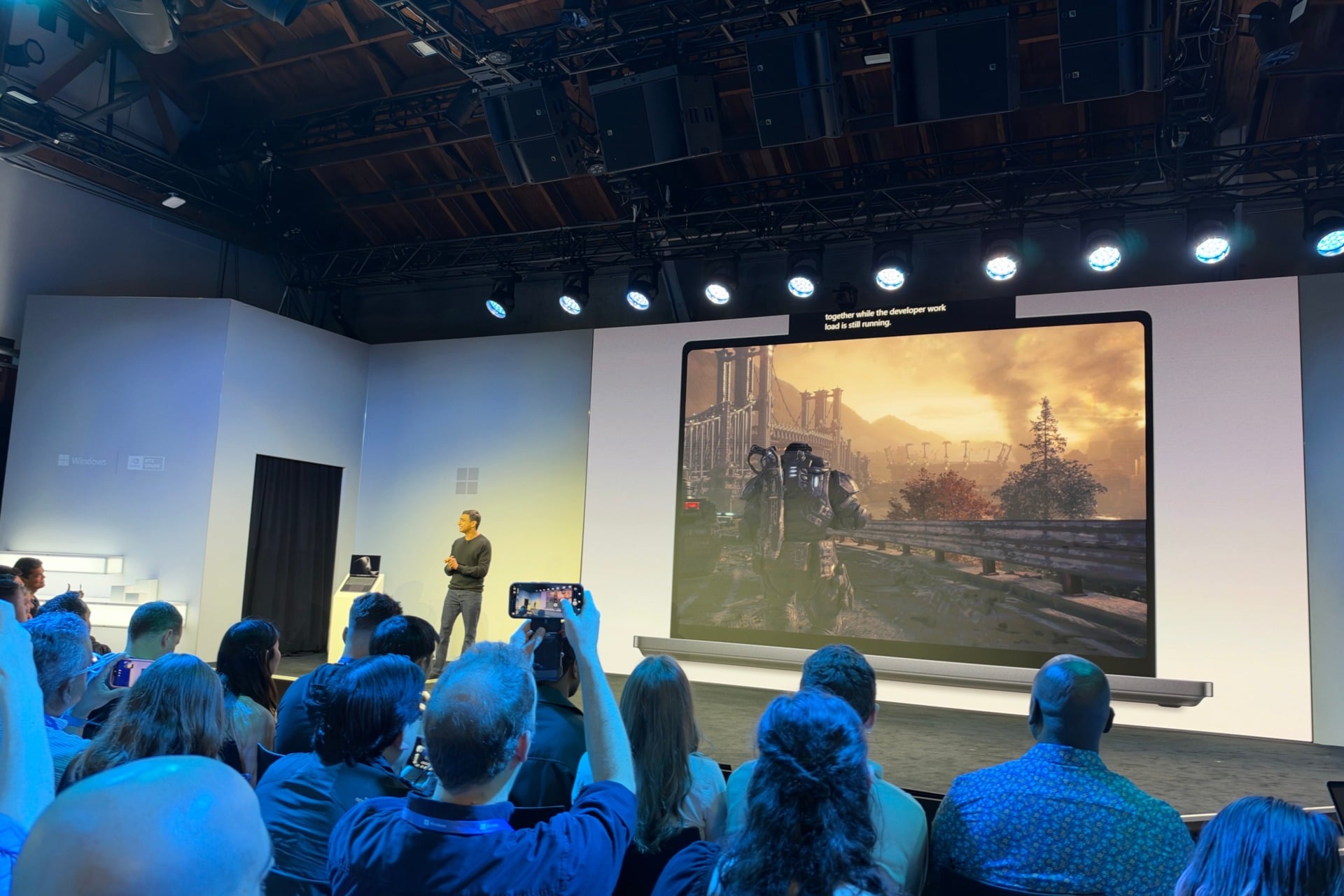
The laptop controls are actually worthy of note this time around. Microsoft is using its new force feedback haptic touchpad that it also showcased in its recent lower- and higher-end Surface Laptop and Surface Pro devices. I’ve tried it, and it essentially adds a little shot of rumble through your fingers and thumbs when you line up photos in PowerPoint or Affinity. I can imagine other apps could make even better use out of trackpad rumble if the feature gets popular enough.
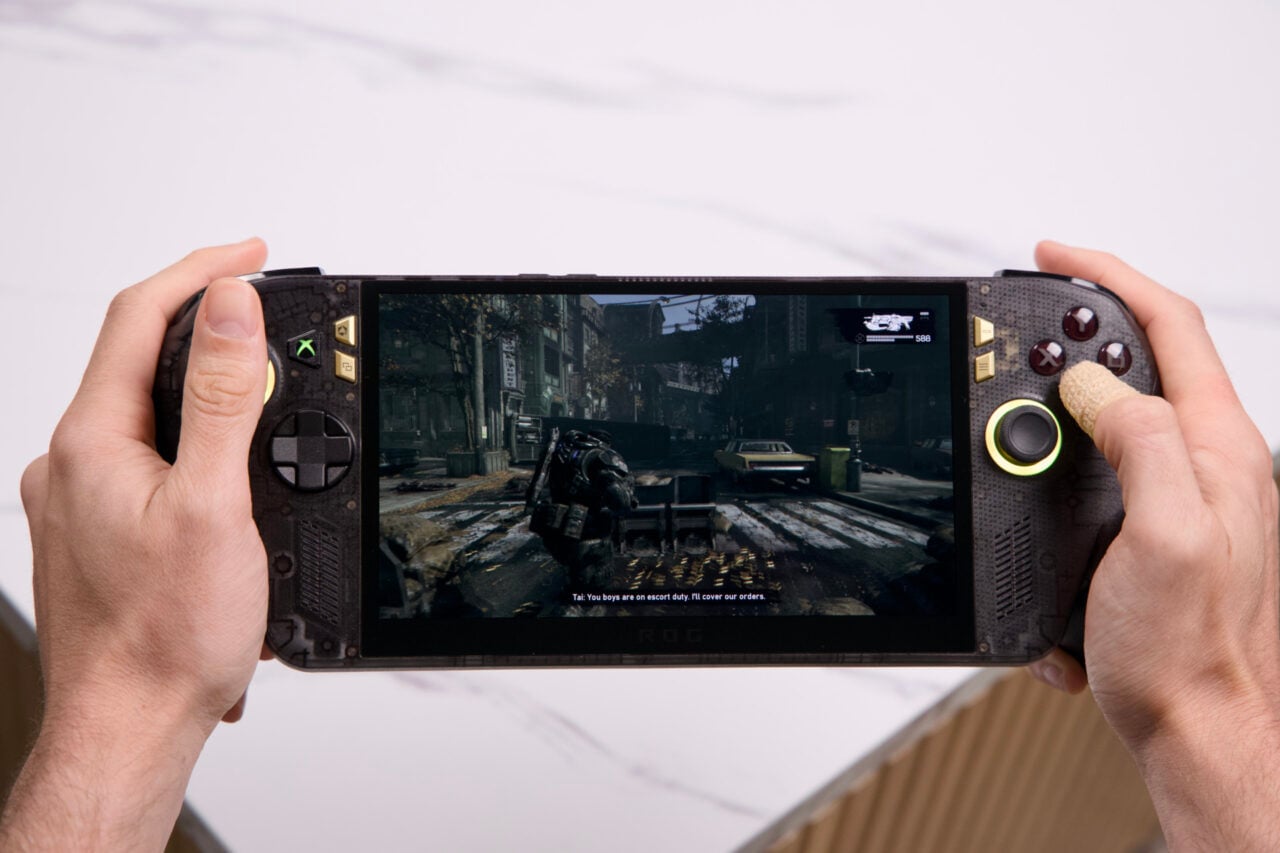
You can guess who this laptop is for. Microsoft explicitly mentioned gaming during its keynote, saying that it can run the latest Gears of War: E-Day at a solid frame rate. RTX Spark laptops will also support the next Call of Duty title without any issues or emulation. It’s a professional laptop that only gets more “pro” based on how much money you spend. Apple has been using this same bifurcated processor strategy for the last several MacBook Pro generations. For instance, an M5 Max MacBook Pro can either support an 18-core CPU with a 32-core GPU or a version with a massive 40-core GPU, and the price difference between the two ensures only the most dedicated to local performance will be willing to pony up the $5,000 or more alongside 128GB of memory.
If it comes down to a war of the most expensive all-in-one laptops, it’s going to be a very lonely battlefield when the Surface Laptop Ultra launches Oct. 16. They’re up for preorder starting today.