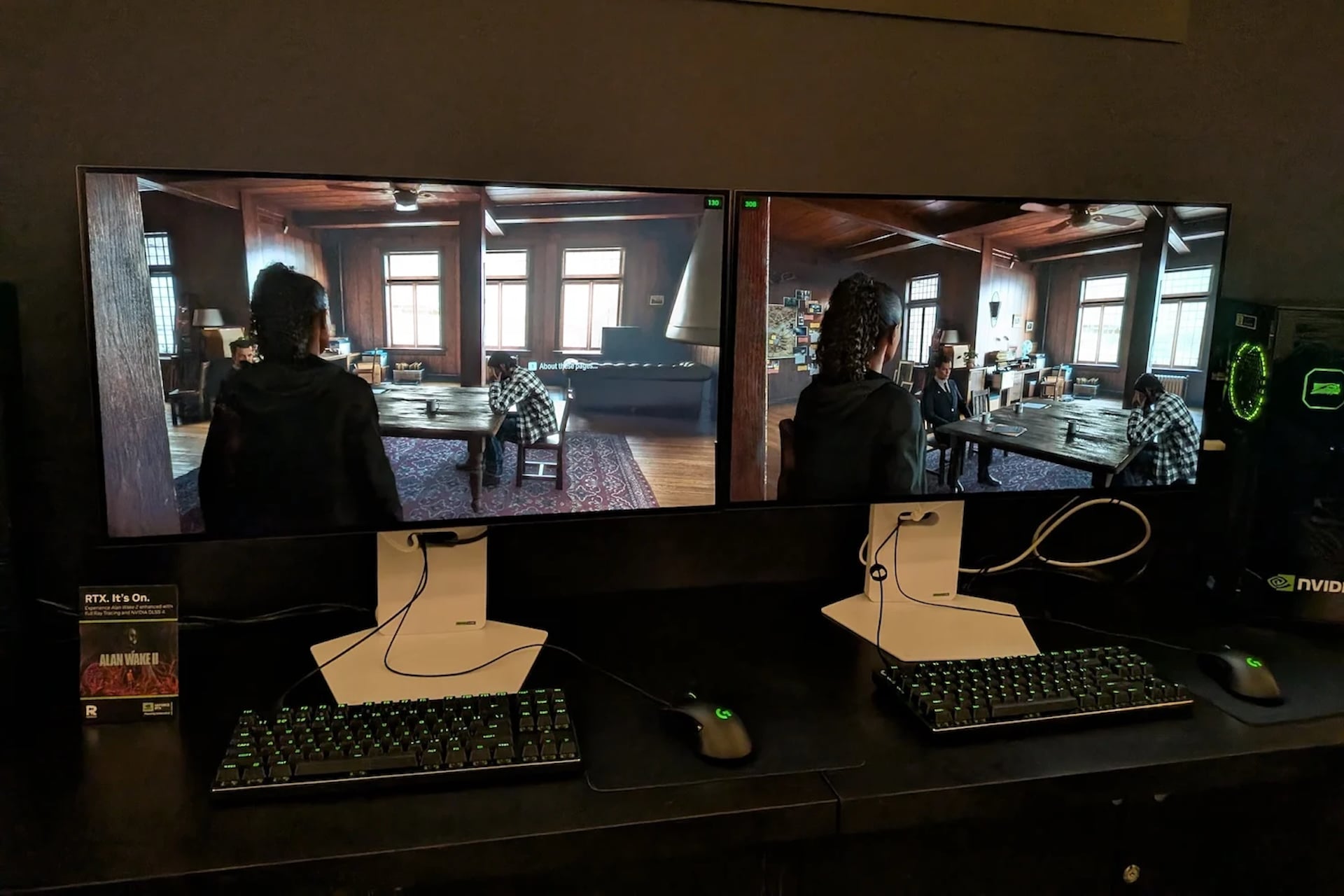
Nvidia has yet more AI-related shenanigans that promise to make games perform better on PC. Or it would be if the wealthiest company’s new frame generation features weren’t such a pain in the neck or if they actually helped those hoping to play without the latest and greatest graphics card.
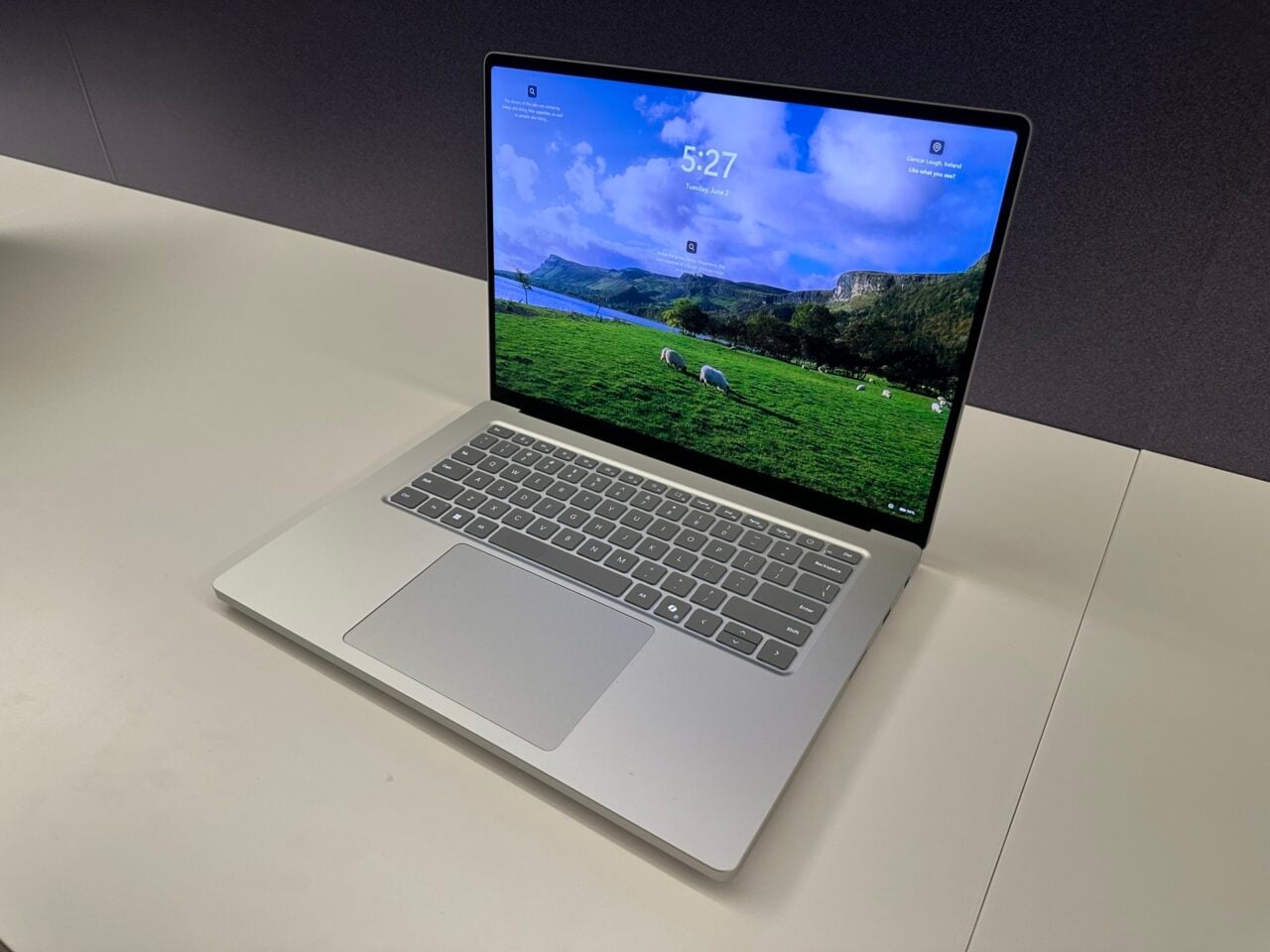
I spent too much time this week trying to force Nvidia’s new 6x “Dynamic Multi Frame Generation” technology to work on a Framework 16 laptop running a GeForce RTX 5070 GPU. The new addition to Nvidia’s DLSS 4.5 (deep learning super sampling) slate uses the company’s previous frame generation model—which inserts multiple AI-generated frames in between two rendered frames—and beefs it up to a staggering degree. The software will automatically detect the monitor’s refresh rate and then try to maintain a rough frame rate at around that level. If you imagined this would finally help you make use of your expensive screen’s 240Hz or more refresh rate, you should know there are other issues at play.
Dynamic Multi Frame Generation can be a pain in the butt
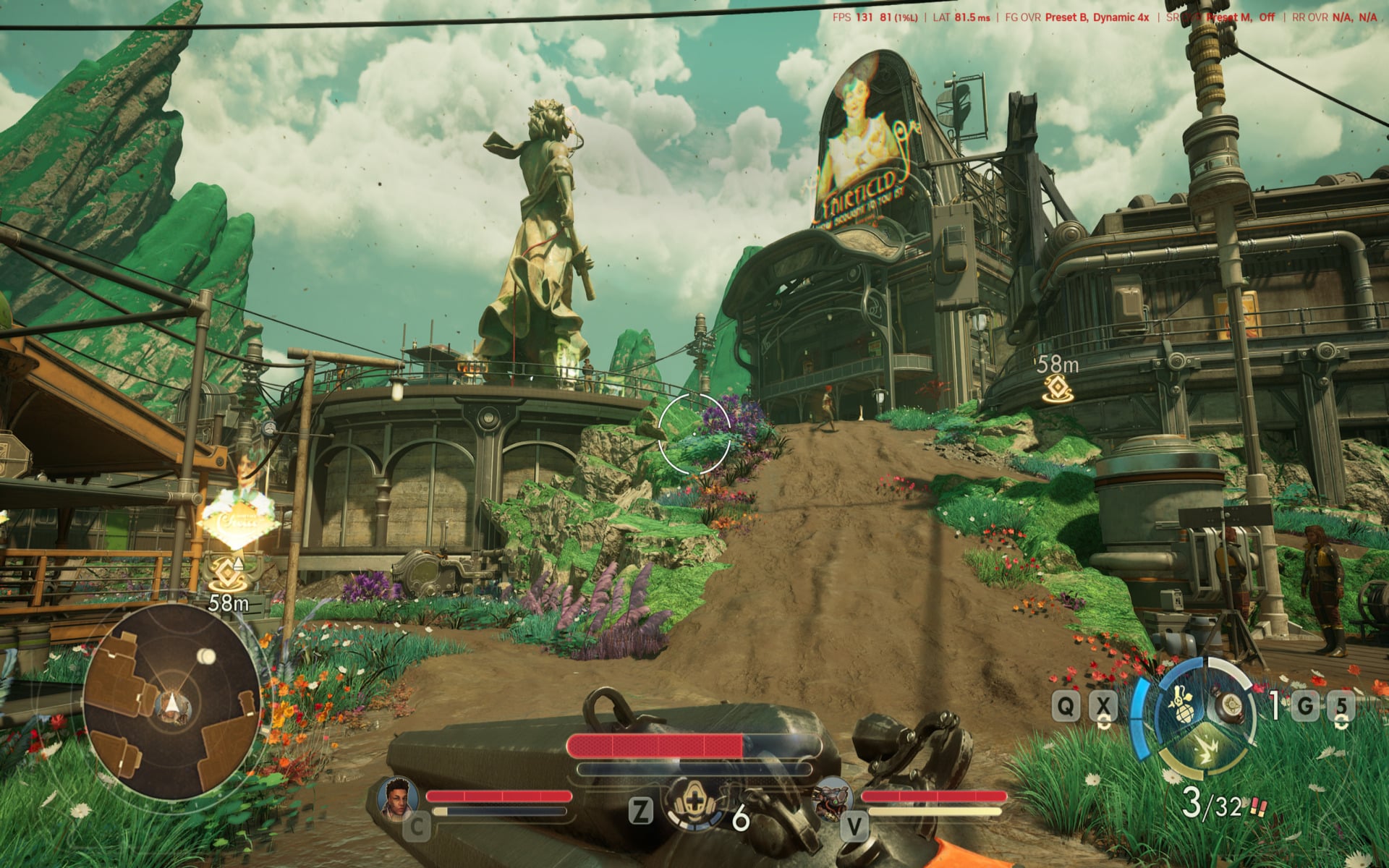
While Nvidia lists around a dozen games that support Dynamic Multi Frame Generation in its release, the company claims the feature is supported by more than 200 games and apps. The feature is not yet available in any games natively.
Even then, it takes too much effort to get the models working in games. You have to go through the Nvidia app’s graphics tab and then change the global “DLSS Override” settings to enable Dynamic Multi Frame Generation. There’s an additional “Model A” and “Model B” preset. Nvidia told Gizmodo that Model B is used to enhance the clarity of the in-game UI for supported games. Got all that? Good. Some games that ostensibly support the feature will show “Dynamic” settings grayed out. You then need to enable it with global settings and no other options. Other titles will let you set game-specific frame gen settings.
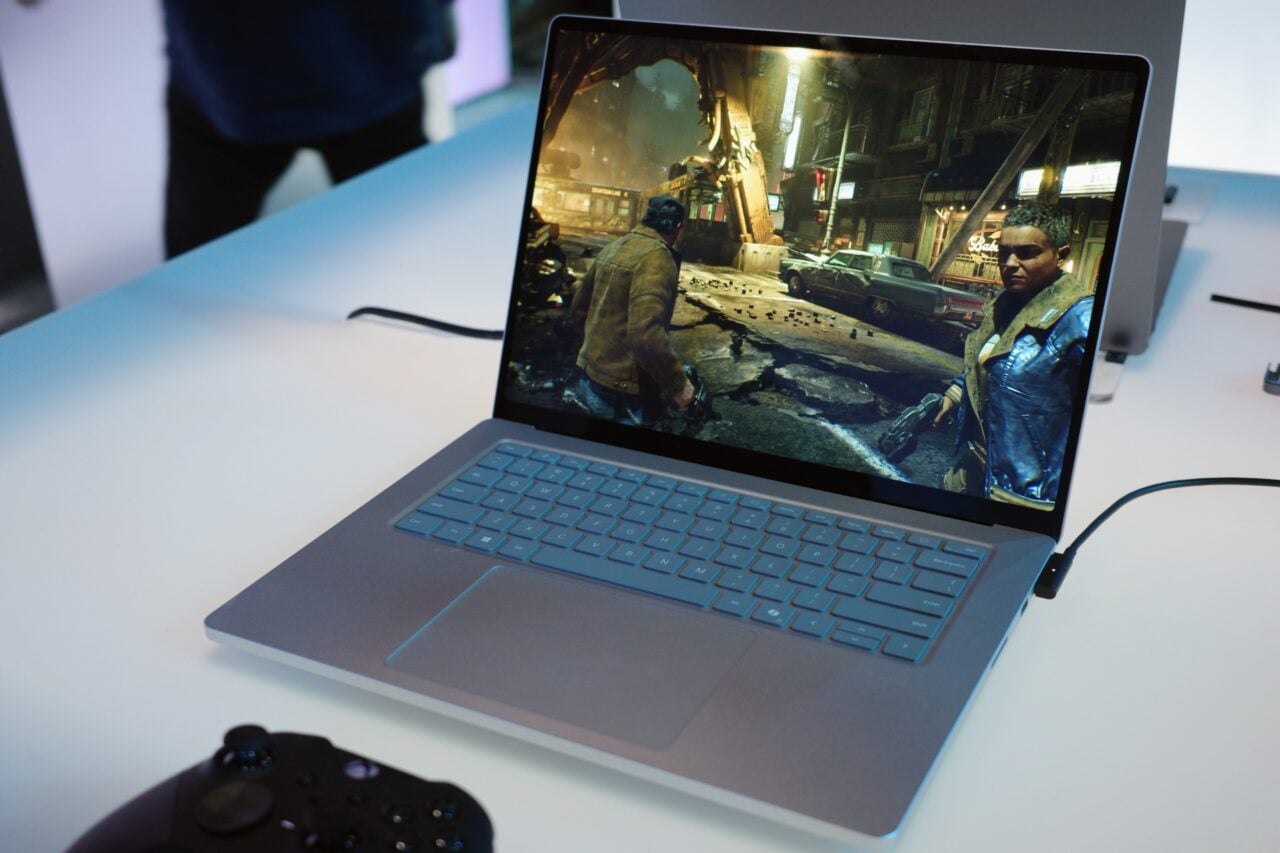
After pushing through the migraine-inducing setup, I could finally sit down and run Cyberpunk 2077 with high graphics settings at my Framework 16 laptop’s max 165Hz refresh rate. I’ll admit, I was pleased to see the game feel so smooth on high graphics settings thanks to rapid frame rates. That didn’t mean I could suddenly crank the settings and enable realistic path-traced lighting. Frame generation works best if you already have a frame rate close to 60 before enabling these features. The Outer Worlds 2 and Alan Wake II with ray tracing settings pushed as high as they would go made each game feel too floaty to be playable.
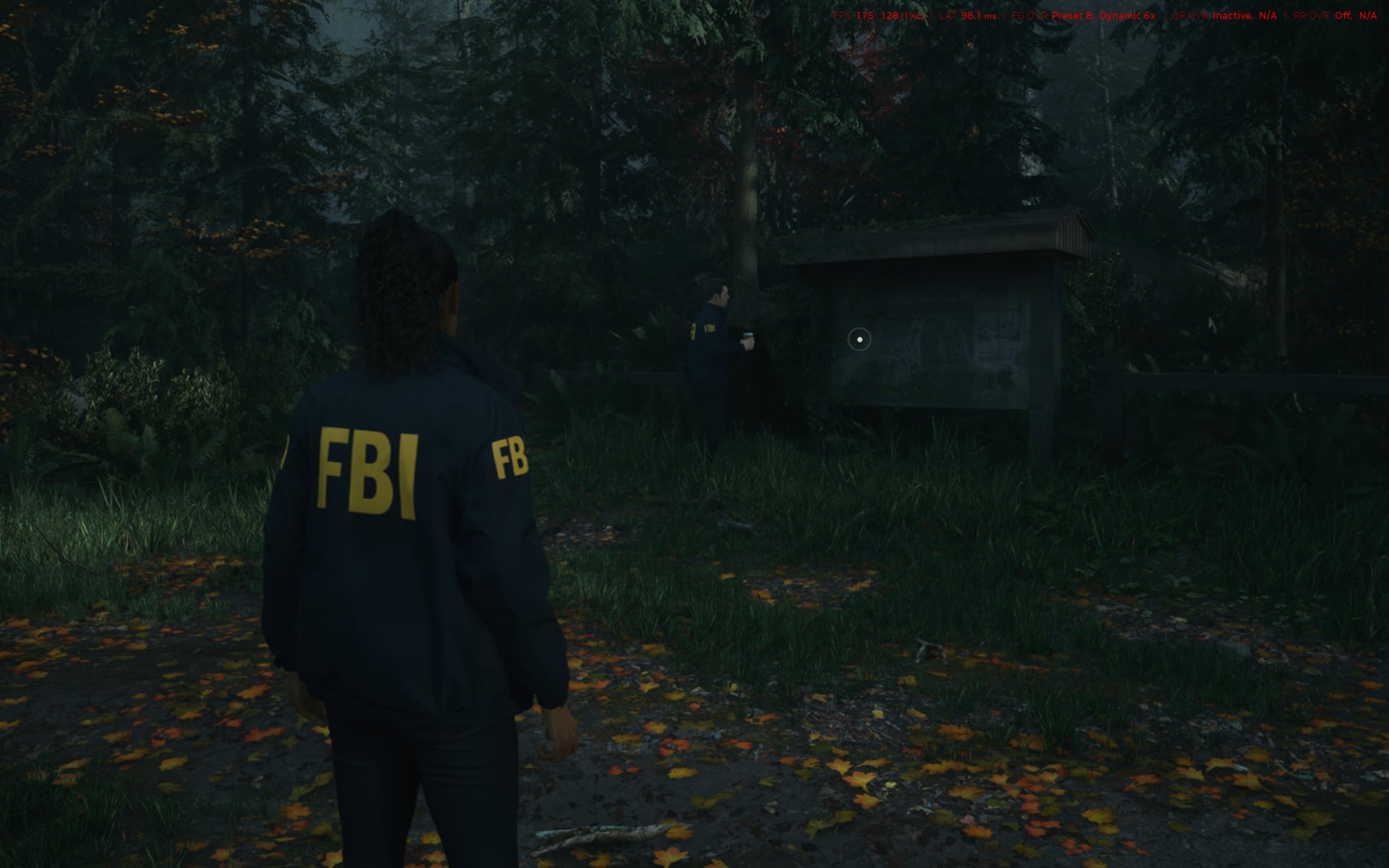
Frame generation introduces odd graphical artifacts and ghosting, where you may see hints of previous frames when objects are moving too fast on-screen. Nvidia claims its second-generation “transformer model” made improvements to frame pacing and image quality. It does not fix the intrinsic issues with frame interpolation.
The new frame gen model wasn’t Nvidia’s only update. The company also introduced a new “Auto Shader Compilation” mode that helps cut down the time it takes the dreaded “Loading Shaders” bar to go from 0 to 100. The feature is only available in the beta version of the Nvidia app. In its current iteration, Dynamic Multi Frame Generation also feels more like an early rendition. It’s not the sort of feature that should help sell any increasingly expensive Nvidia GPUs.
This isn’t what PC gamers truly want

PC gamers who paid through the nose for high-end hardware want to play their games without compromise. Anything like frame generation impacts the play experience too much to be worthwhile.
The real beneficiaries of frame generation would ostensibly be those who can’t afford the best hardware. The most recent Steam Hardware Survey shows more gamers are relying on a GeForce RTX 3060 or RTX 4060 GPU than any other higher-end GPUs. Nvidia’s most popular GPU of its RTX 50-series is the RTX 5070, judging solely by Steam gamers who responded to Valve’s questionnaire. These gamers may not be able to afford a high-refresh monitor or laptop screen. In that case, Dynamic Multi Frame Generation still offers too many drawbacks, even for midrange gamers.
Multi-frame generation is better for PCs that aren’t built exclusively for gaming. Intel’s XeSS multi-frame generation technology works on both Intel’s Panther Lake laptops and non-Intel systems as well. It’s made for offering an alternative if you’re trying to play games without any beefy discrete GPU. Frame generation, in its current form, will naturally come with tradeoffs. Nvidia needs to remember who its audience is. The top-end gamers accept no substitutes for raw performance. Lower-end gamers don’t want to struggle through a mountain of menus just to play their games.
This post was updated 4/3/2026 to clarify the number of titles that support Dynamic Multi Frame Generation and explain what the “Model B” preset does for in-game visuals.