






Googly eyes are apparently one of a gull's biggest fears.
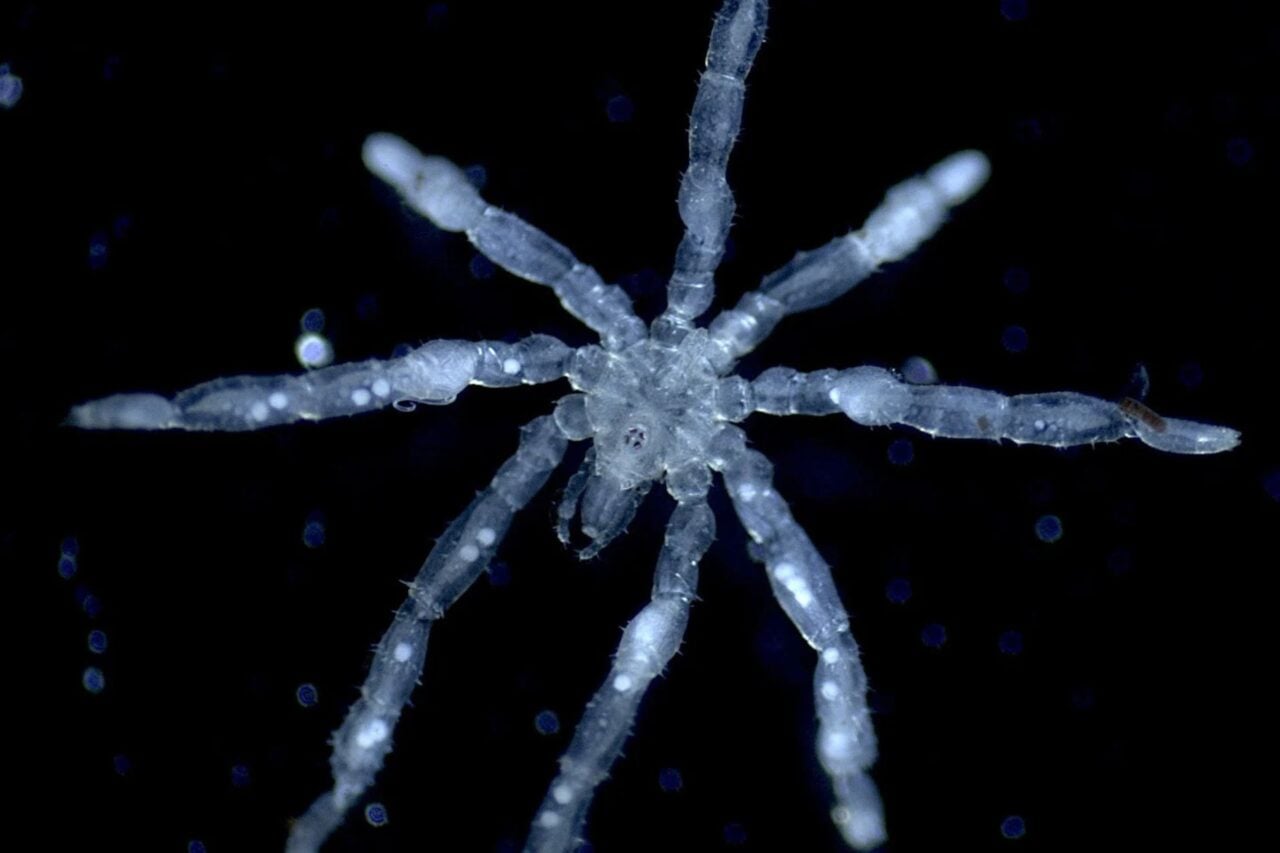
The hectocotylus is both a reproductive and sensory organ, Harvard scientists and others have found.
Unlike most bugs, snow flies thrive in the cold—thanks to a baffling mix of genetic kinks that scientists never expected to find.
The origins of whale midwifery might date back millions of years, the researchers say.
We're now back to square one on understanding how ancient insects were able to grow so monstrously large.
Marlene Zuk's new book asks people to not villainize or valorize the urban critters that live all around us.
The researchers aren't sure yet why exactly, but the whales do seem to be having a good time.
The practice of cloning clones indefinitely appears to be a reproductive dead end, for now.
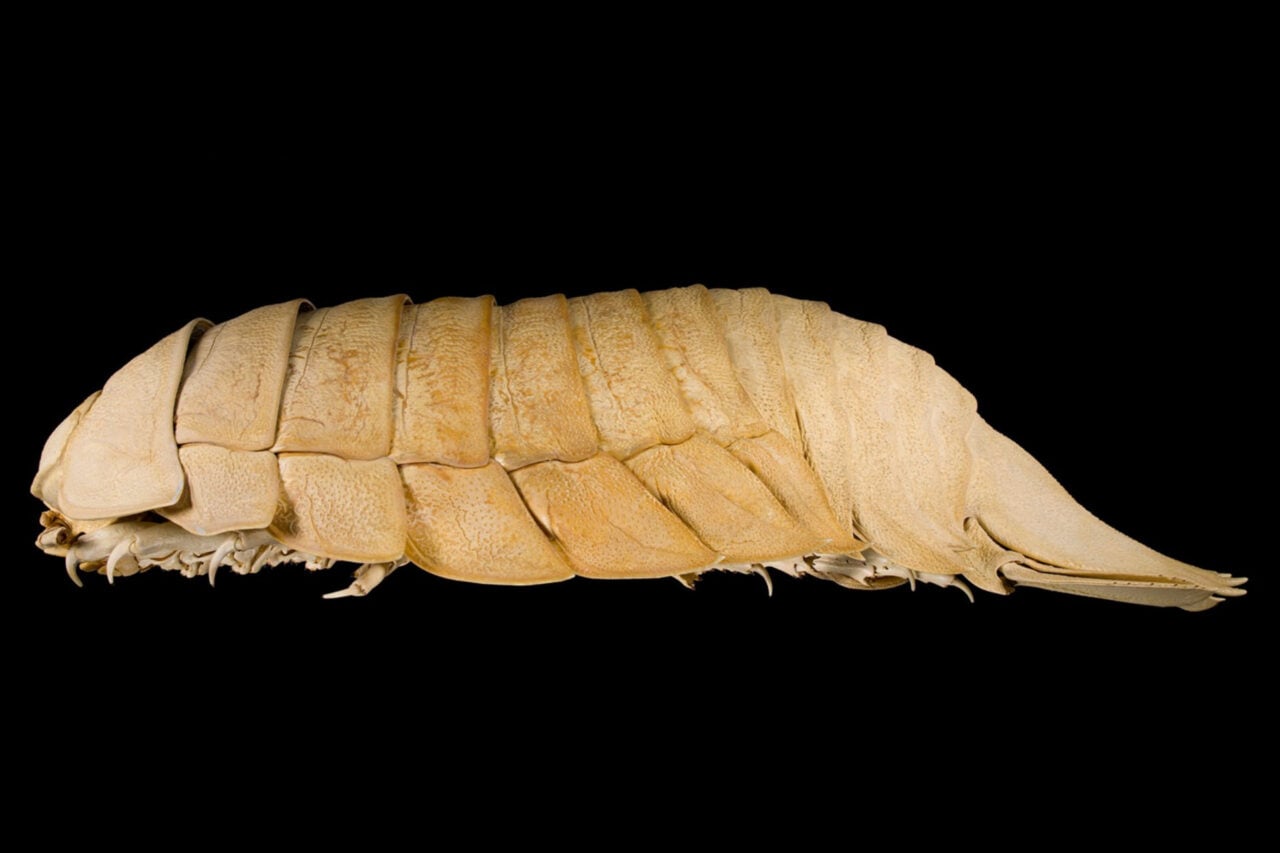
A tour guide uncovered the morbid new species by mistake in the Ecuadorian Amazon.
In an impressive 37-year-long investigation confirmed that the top—practically only—cause of death for young blue crabs was older crabs from their own species.
Fungi may be the real-life superheroes of the natural world.
The fisher was driven out of many U.S. states by the 20th century due to overhunting and habitat loss.
The incident was likely an opportunistic kill, with the fox preying on the small pup to possibly threaten the survival of the predator species.
The death of this ancient species, discovered alongside more newly described mammals, had been greatly exaggerated.
It's a snake-eat-snake world.
Studying ancient microbes like this one is risky research, but it can also reveal novel biological mechanisms that inspire more effective drugs.
Welcome to the future nobody asked for.
Think you have just five senses? The true number could be much higher.
Meet Ferreiraella populi, a weird mollusk discovered in Japan. Keep reading to find out how Rihanna is involved.
German newspaper BILD reported on the alleged penis-gate last month.