In a first, burrowing bees have been discovered nesting inside the fossil remains of other mammals.
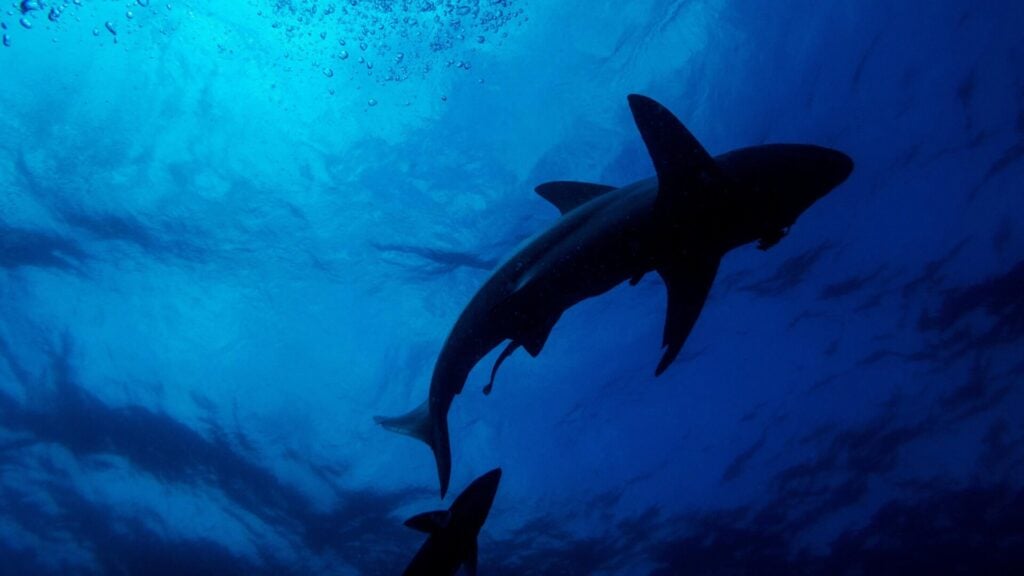
The two top predators seem to be working together to track, kill, and feast on salmon, researchers say.
His name is B, and he lives in Virginia.
“When birds are sick, they start doing weird things.”
It's just like grandpa used to say: It's a frog-eat-murder-hornet world out there.
Studying Elysia chlorotica could be consequential for human industries, but the creatures have proven incredibly enigmatic.
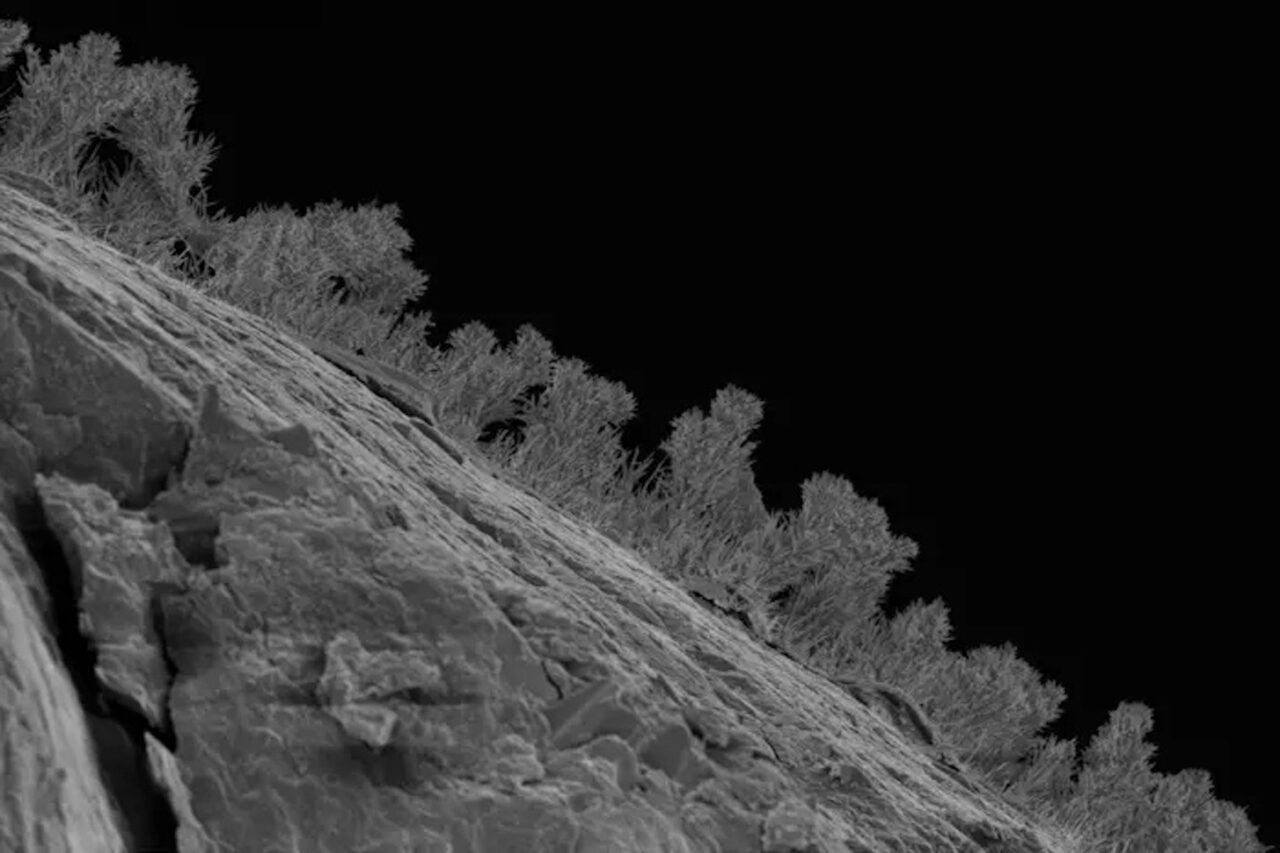
The “ultrablack” fabric could soon become part of cameras, solar panels, telescopes, and more.
Ant pupae might be less selfish than most humans.
New research shows anacondas have stayed the same massive size for 12 million years.
Scientists have found genetic evidence that cat domestication didn't start as early as commonly assumed.
Researchers took a look at how earthquakes change what's available on the underground microbial menu.
The color, likely caused by a genetic mutation, is lovely to behold but unfortunately detrimental to the critter's chances of survival.
Smooching might be a familiar behavior, but it's more mysterious than you would probably imagine.
The researchers describe it as a "potential" example of tool use among wolves.
A machine-learning-enhanced approach to chemical analysis is drastically expanding the chemical record of life on Earth, and it could help us find evidence of life on other planets too.
What can we say? Nature is scary.
A new study opens the door to a whole new world of ancient genome research.
Short-finned pilot whales love eating squid, and boy do they stuff themselves with it, new research finds.
For decades, researchers believed they were looking at fish remains. They were way off the mark.
The pointy shell of sea urchins hides a remarkably complex neural network that resembles the brains of vertebrates, new research suggests.