The future of medicine just might involve so-called living pharmacies made out of engineered cells implanted directly into the body. Research out today showcases how these wireless devices can be programmed to produce and deliver multiple drugs at once.
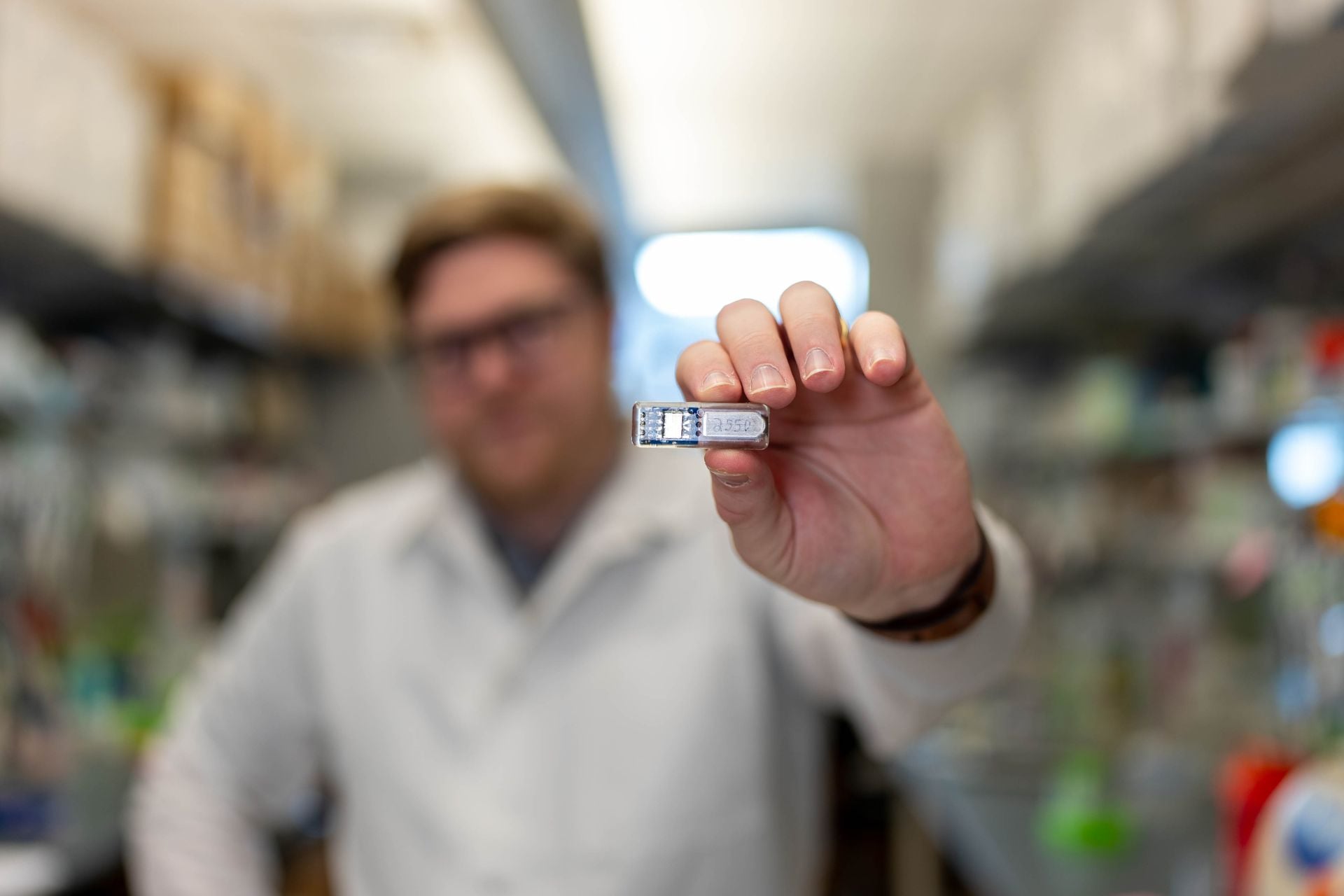
Scientists at Northwestern University and others developed the implant, called the hybrid oxygenation bioelectronics system for implanted therapy, or HOBIT for short. In tests with rats, the device provided reliable amounts of three drugs at the same time, including a GLP-1 medication. What’s more, they showed it was possible to keep a majority of these engineered cells alive for at least a month inside the body, thanks to a self-sustaining source of oxygen.
“This technology has the potential to serve as a platform for cell therapy, allowing clinically relevant doses with minimally invasive implants,” the researchers wrote in their paper, published Friday in the journal Device.
The living pharmacy
Perhaps the largest hurdle to any medication use is adherence. For many reasons, people often find it hard to take their meds as prescribed. It’s a problem that’s only compounded for those with chronic health conditions, especially if they have to take multiple drugs, each with their own unique dosing schedule.
Scientists at Northwestern, Rice University, and Carnegie Mellon University believe that HOBIT and similar technologies can go a long way toward solving this serious issue. These tiny devices are jam-packed with genetically engineered cells that produce the desired medication. Once implanted inside the body, usually just underneath the skin, the cells can deliver the drug as needed without any fuss, while the device’s structure is intended to protect the cells from any immune response.
One of the technical challenges facing these implants has been survivability. Just like any other cells, these living pharmacies need oxygen to stay alive, and the small size of the implants limits any potential stored oxygen supply. For the last few years, however, the researchers have been developing a workaround to this limitation: a device that can produce oxygen on its own by using electricity to split nearby water molecules. In 2023, they published a study on the technology.
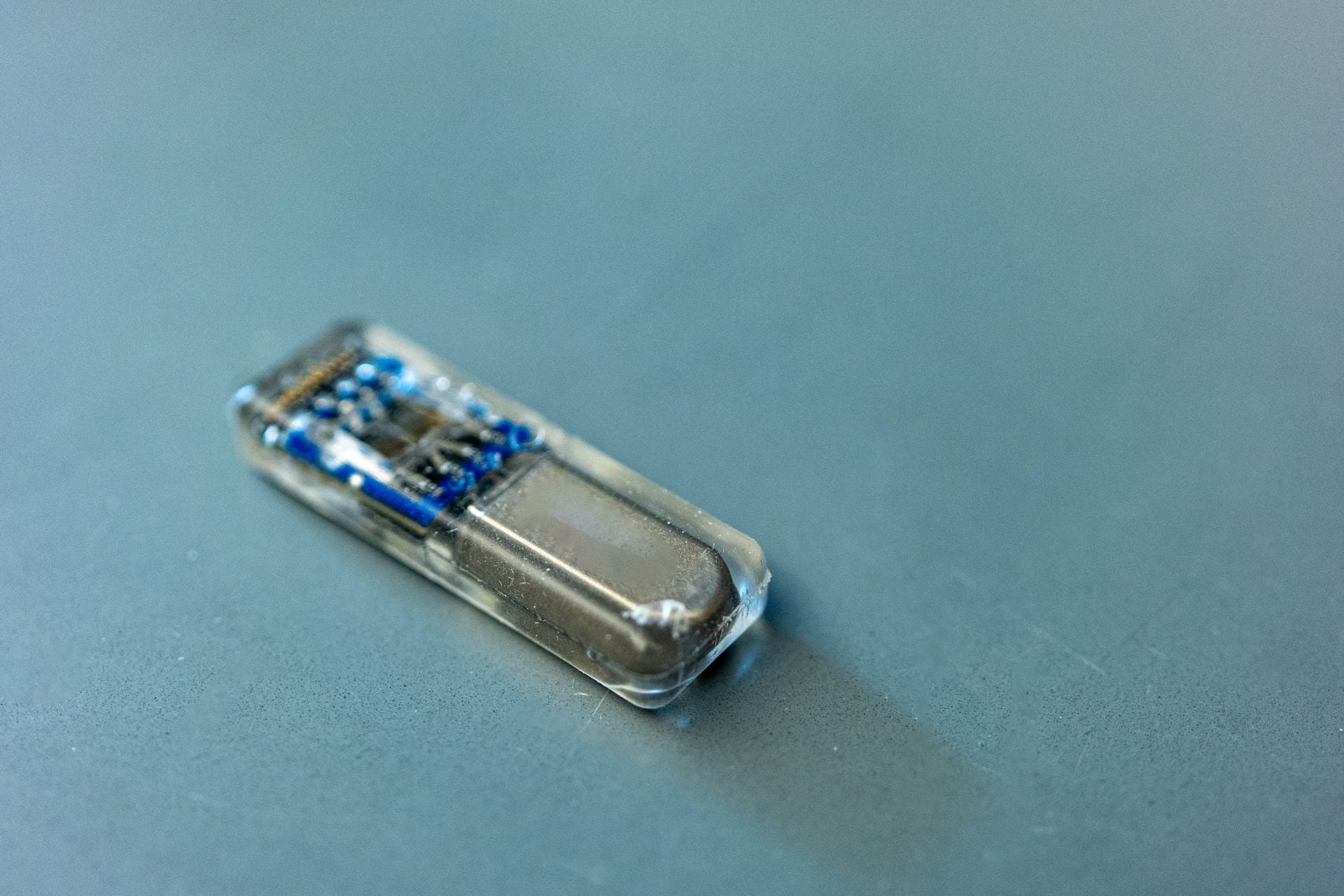
In this latest research, they tested whether the new addition could extend the longevity of their implants. They compared the HOBIT to control devices without any local oxygenation. The devices were implanted in rats and designed to produce an anti-HIV antibody, the hormone leptin, and exenatide, a first-generation GLP-1 drug. Importantly, these medications all have different half-lives, with exenatide having the shortest at roughly 2.5 hours.
In the HOBIT devices, levels of all three drugs remained steady in the rats for the entire month-long study, while levels of the shortest-lasting drugs faded within a week in the non-oxygenated devices. And by the end of the study, about 65% of the cells in the HOBIT implants on average were still alive, compared to only 20% in the control implants. In another experiment with a 7-year-old male cynomolgus macaque, the researchers found that the devices (without any cells) could be safely implanted and removed a month later with no major health risks or serious immune response.
What comes next?
Obviously, the HOBIT implant is still early in development. And it will take more research to confirm whether it or similar devices can be safely and reliably used in people. But the researchers are certainly hopeful about the future of this technology.
“From here, the platform can be expanded to target a variety of diseases or cell types to maximize efficacy and feasible translation,” the authors wrote. Other research has suggested that similar implants can be used to effectively restore insulin production in people with diabetes, for instance.
The team next plans to test their device in larger animals and explore how it can be used to treat other health conditions.