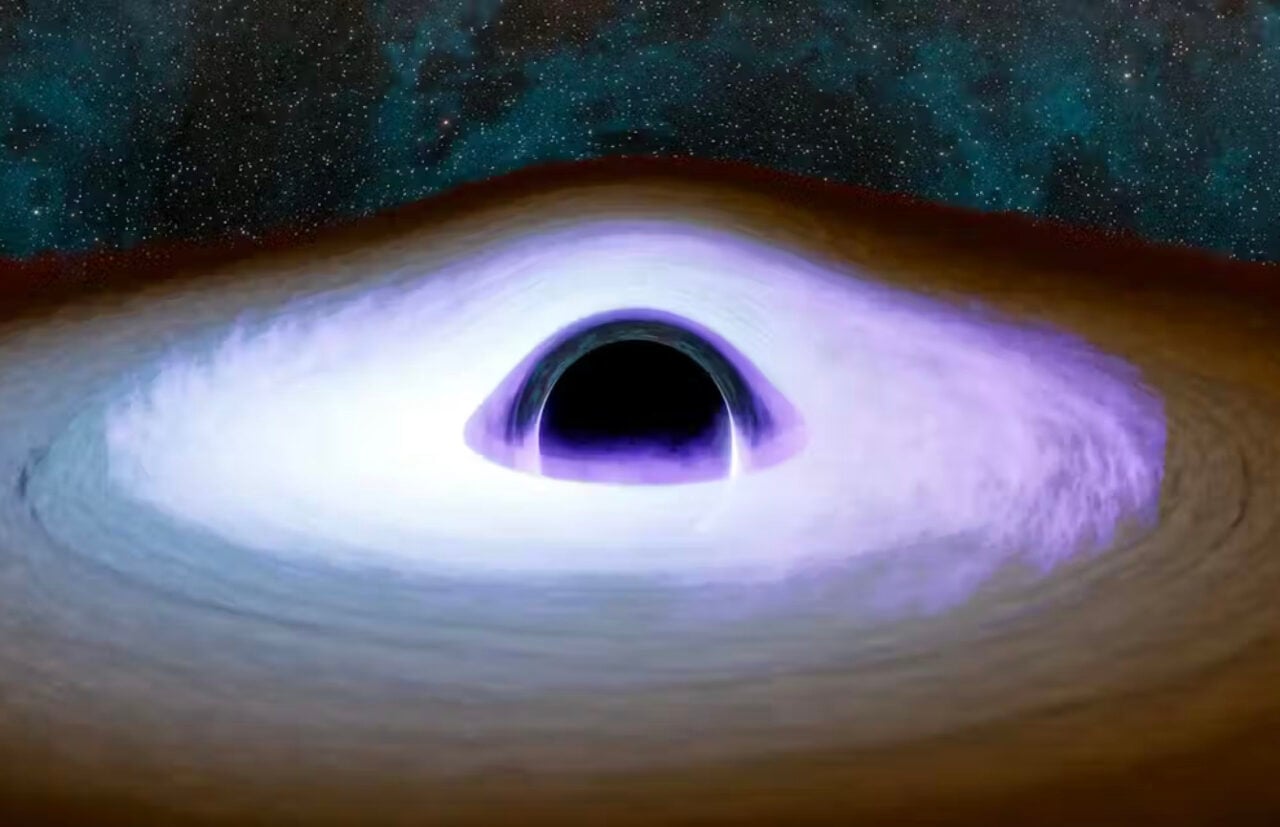
Ten years after LIGO’s historical detection of gravitational waves, the project is cracking black hole mysteries at an astounding pace.
Researchers have been trying to explain this bizarre radio signal for decades. A new study hones in on its potential source.
Scientists even figured out where it came from, thanks to a new telescope array.
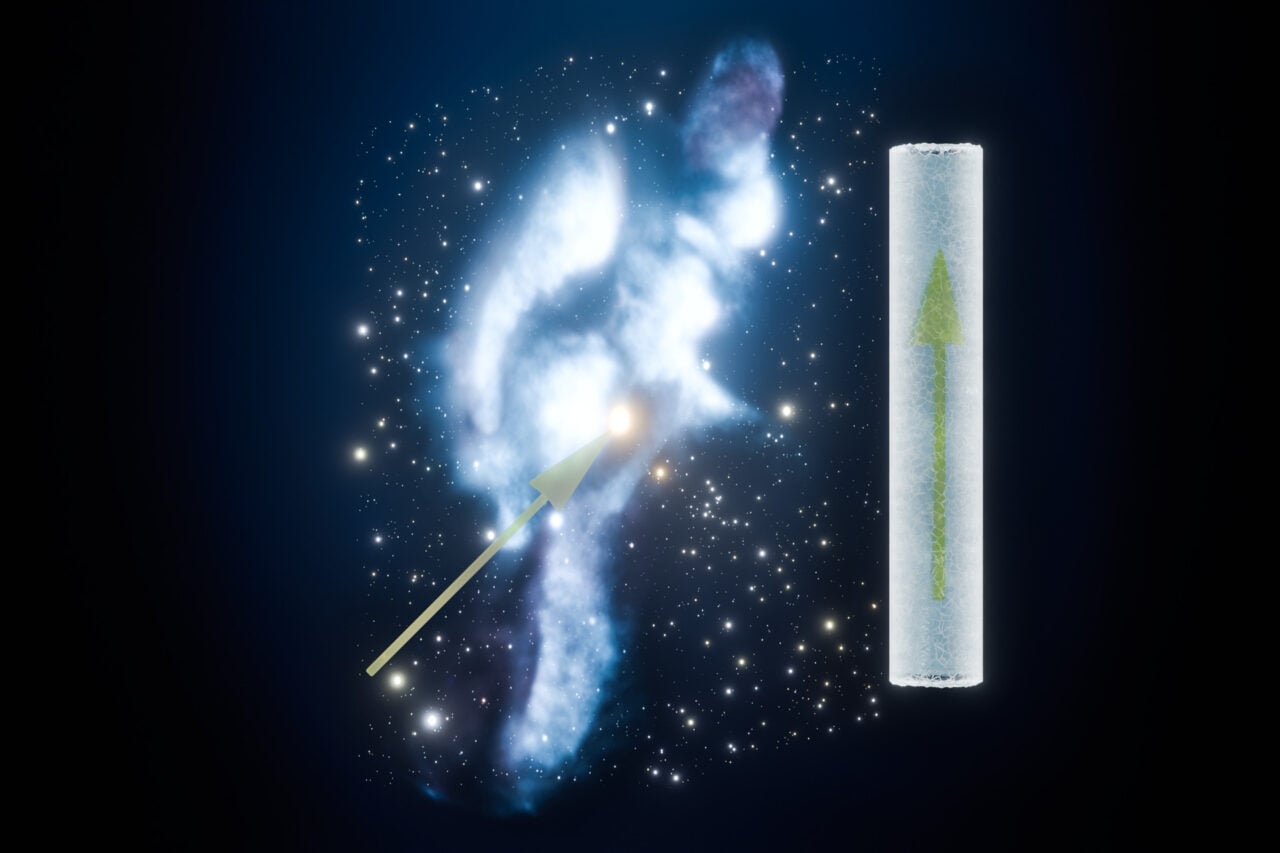
“Punctum” is a compact, luminous speckle of light harboring a strangely organized magnetic field, astrophysicists say.
Astronomers spotted the ultramassive black hole inside the Cosmic Horseshoe, an equally gargantuan galaxy so powerful that it bends light from distant galaxies.
The proposal is highly theoretical and likely will take at least several decades to realize, but if we’re hoping someday to visit a black hole, scientists need to start somewhere.
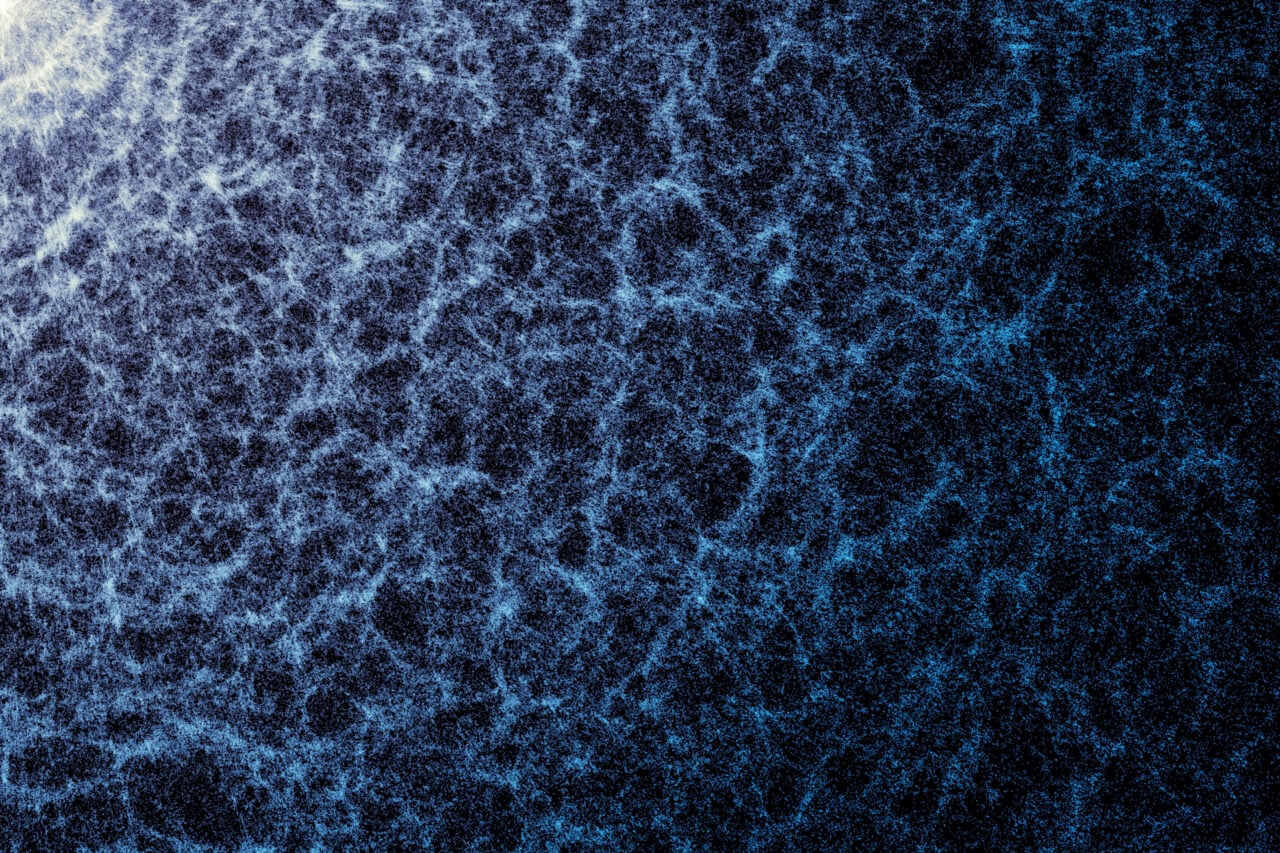
Astronomers have constructed one of the most detailed images yet of Abell 3667, a giant galaxy cluster about 700 million light-years away from Earth.
Named 2020 VN40, this tiny body completes one orbit around the Sun for every ten Neptune makes.
Astronomers have captured a rare glimpse inside HOPS-315, a young star that appears to sit at the center of a nascent version of our own solar system.
The powerful merger, designated GW231123, produced an extremely large black hole about 225 times the mass of our Sun.
A new study on the structure of ice formed in space overturns a decades-long consensus in astronomy.
Two international teams zoned in on a potential answer to a decades-long mystery surrounding ephemeral cosmic X-rays.
The lightless behemoths are explored in new simulations of their interactions with extremely dense stars.
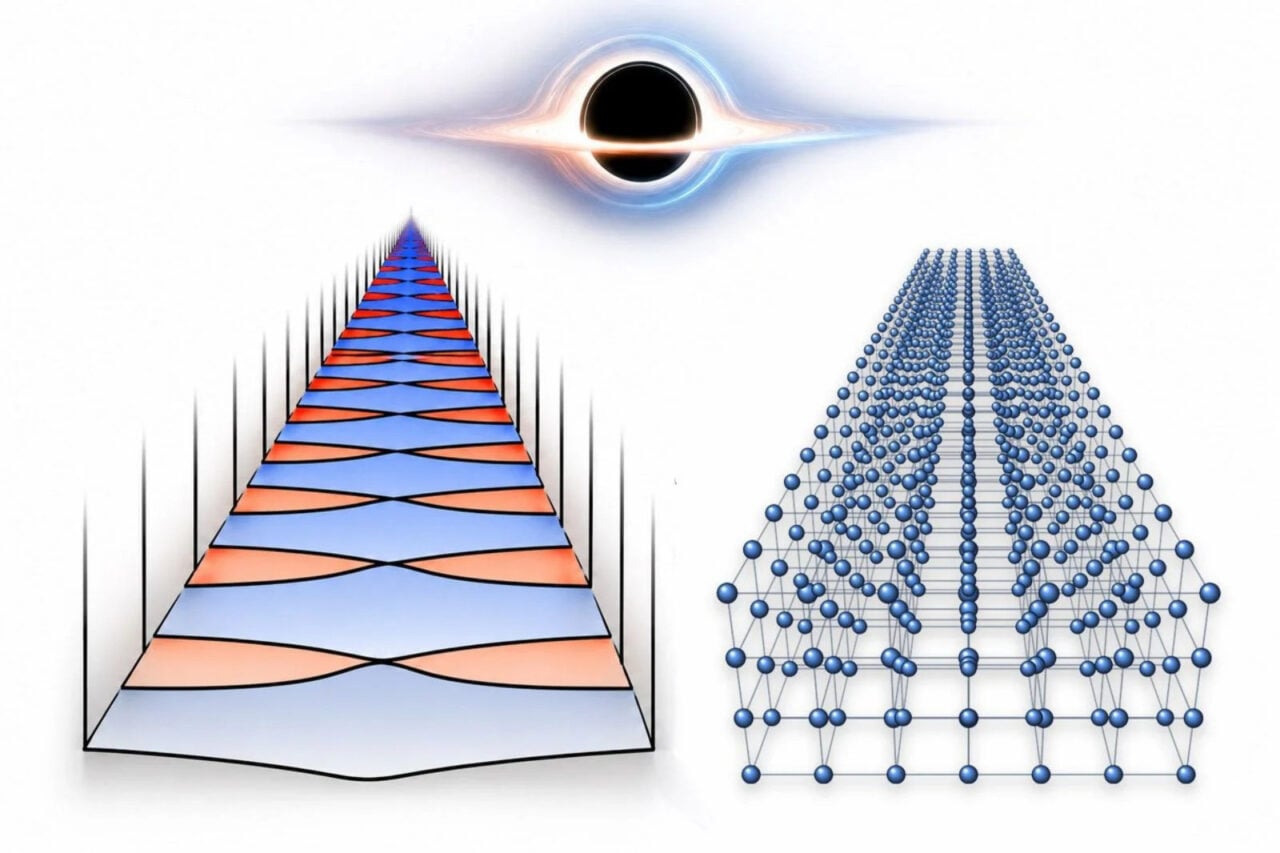
The findings suggest black holes could provide a cheaper, natural alternative to billion-dollar particle colliders, if we can figure out how to harness them.
The end isn’t quite near, though.
The jig is up for this supermassive cosmic predator.
Asteroid 2024 YR4 has a 2.2% chance of striking Earth in seven years, but recent updates keep pushing the odds in the wrong direction.
A dive into probabilities, asteroid impact modeling, and what sort of damage an approximately 180-foot asteroid could cause on Earth.
The asteroid, designated 2024 YR4, jumped to the top of NASA's risk chart, with a slim but measurable chance of striking Earth in just seven years.
The energy flare came from an old galaxy, upending prevailing theories about the source of fast radio bursts.