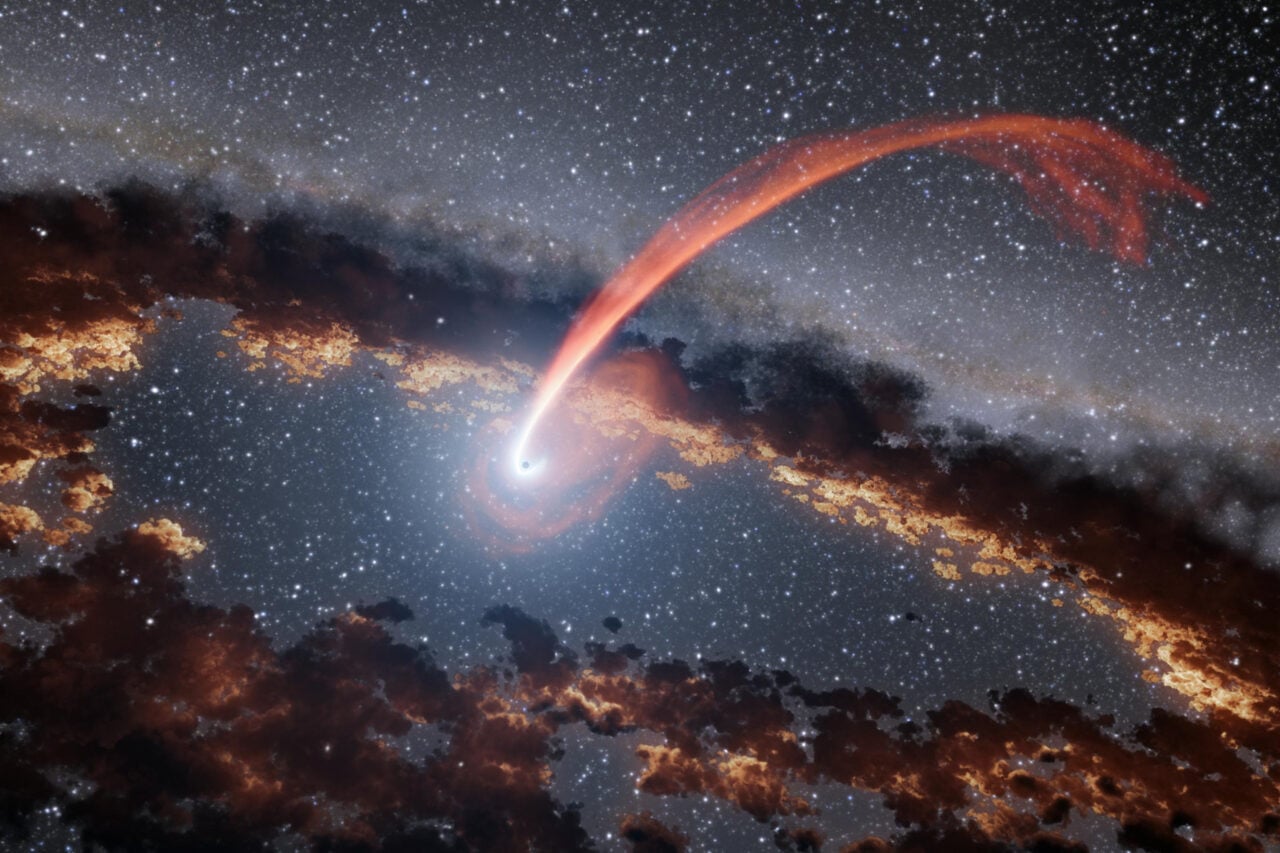
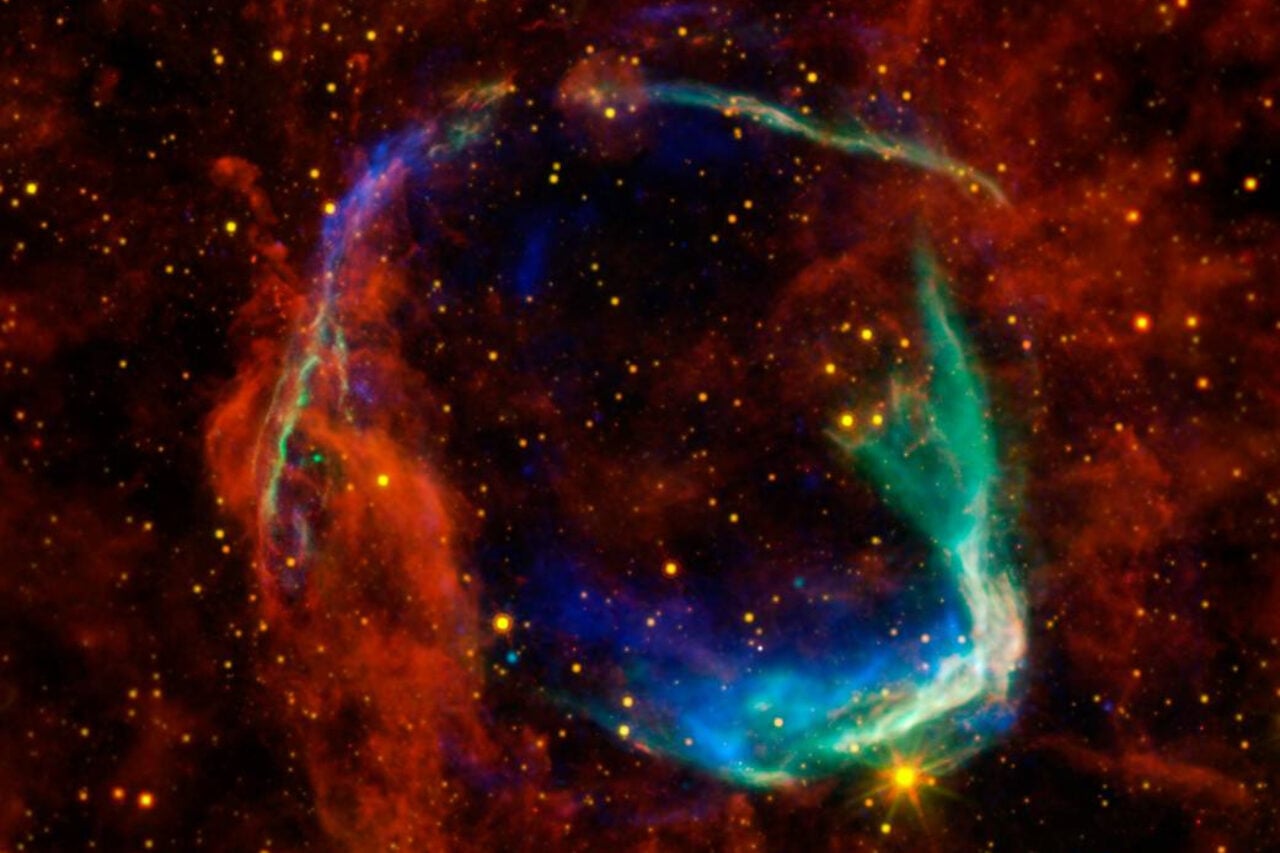
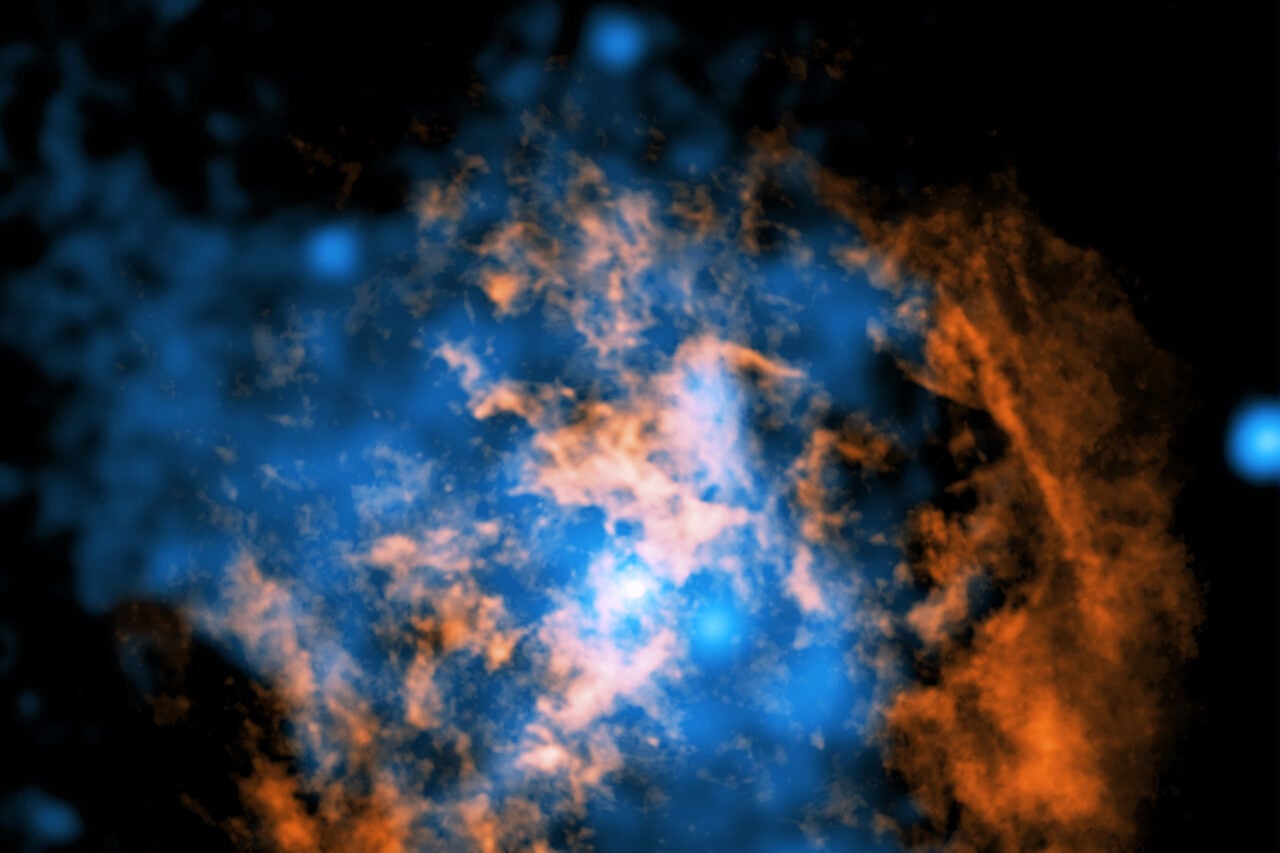
“We got a rare glimpse into how destruction can be a catalyst for creation."
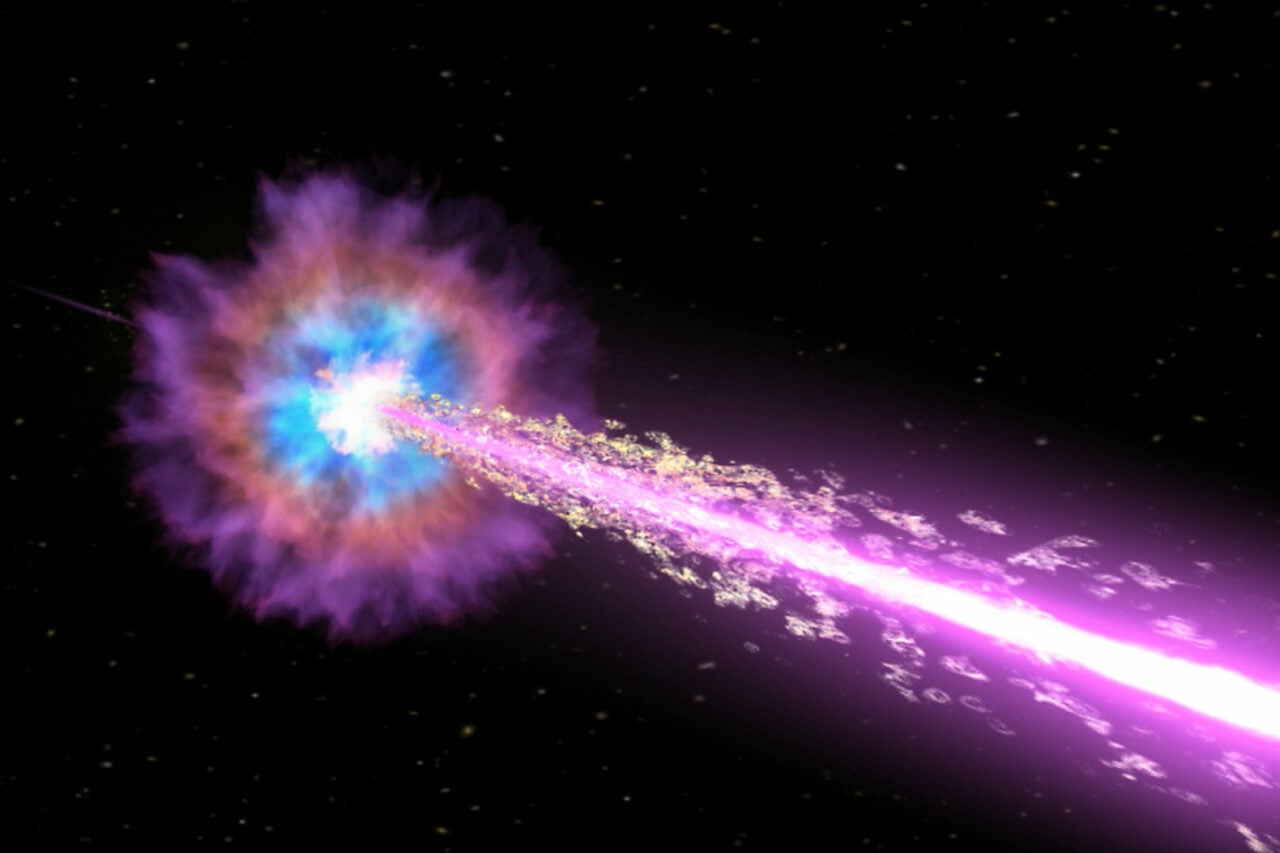
A lucky alignment of galaxies allowed researchers to identify the most powerful and distant "space laser" ever found.
Astronomers had decent guesses about how these peanut-shaped asteroids formed but couldn’t get the physics to work—until now.
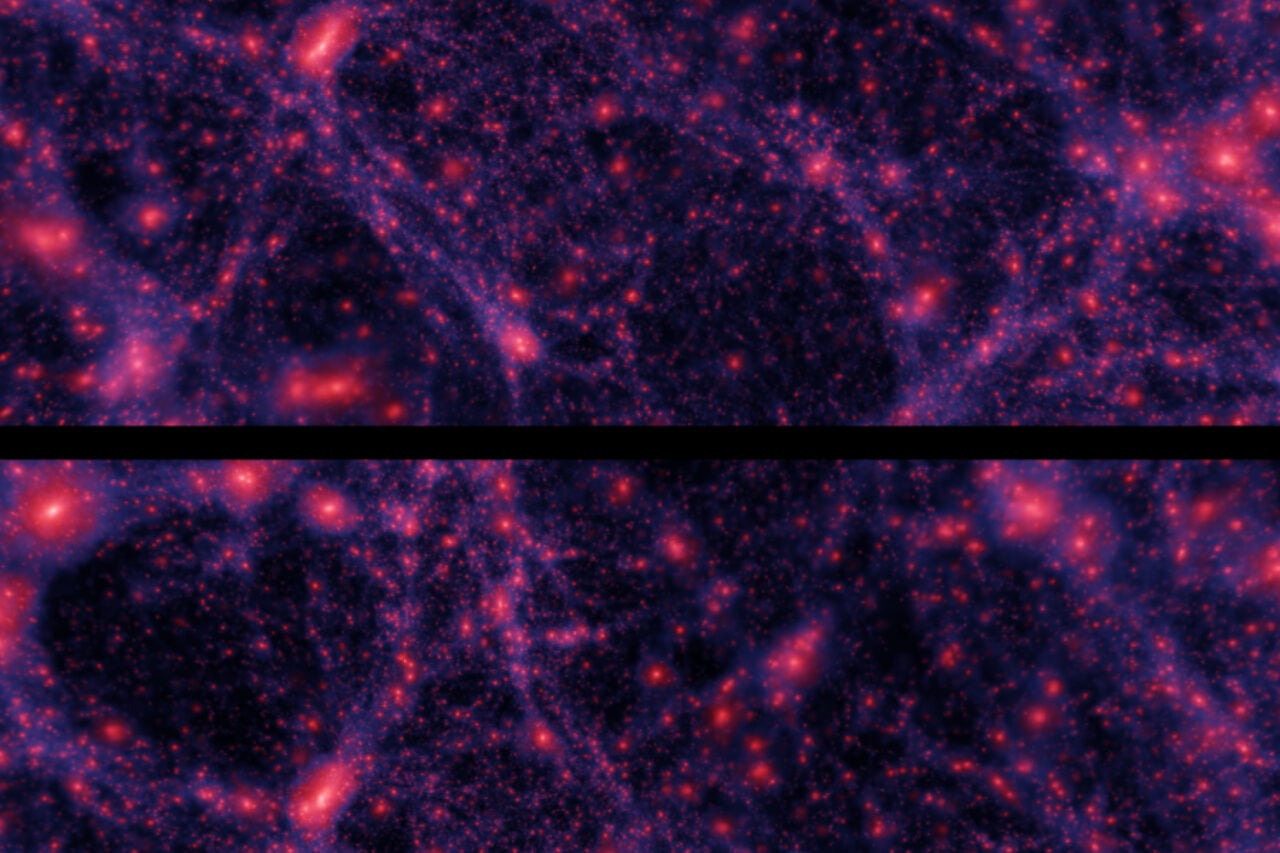
Dark matter, science is really counting on you.
Did we mention it's mysterious?
Astronomers call them LFBOTs—rare and powerful bursts of blue light that shine across billions of light-years and then vanish in just a few days.
For the first time, astronomers have captured the brilliance of a superluminous supernova via gravitational lensing.
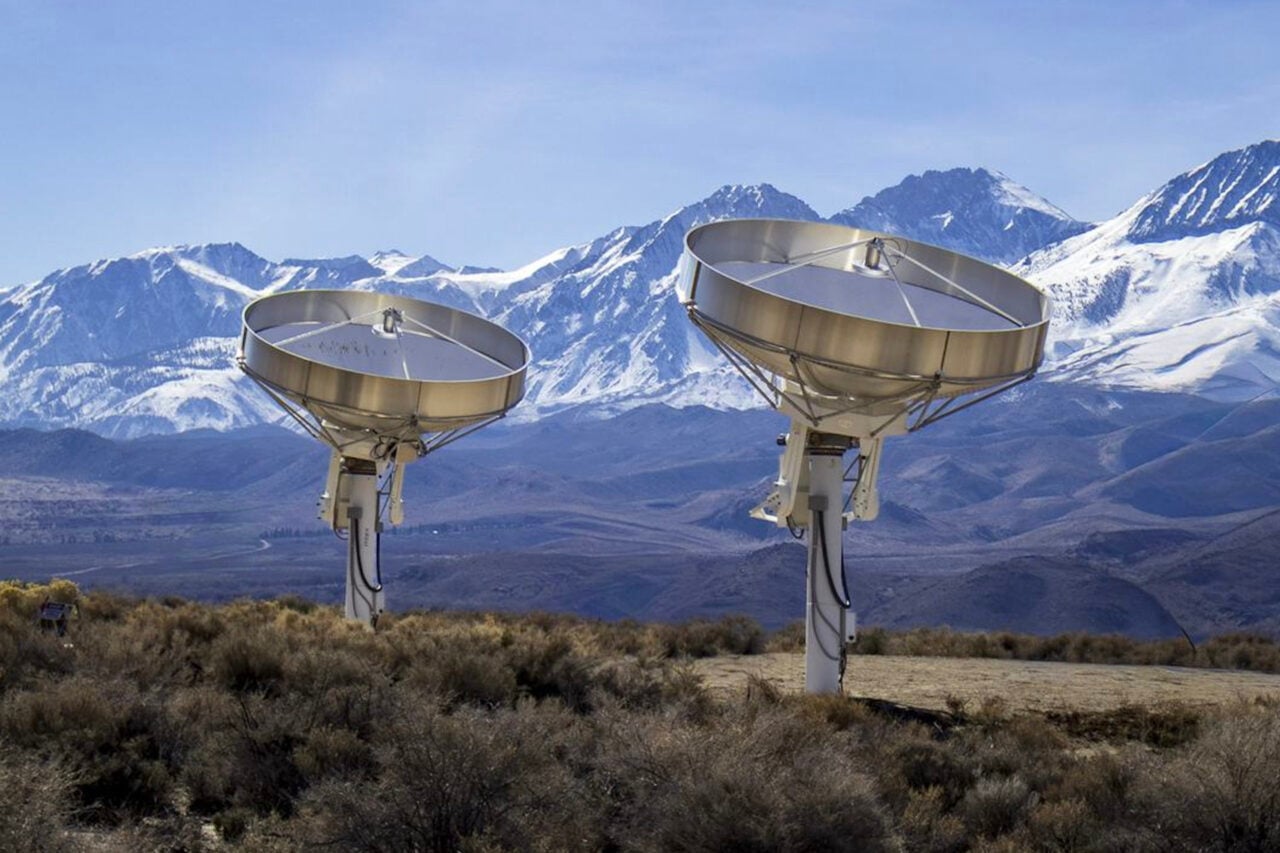
The Atacama Cosmology Telescope in Chile not only confirmed one of the greatest mysteries in the universe—it also ruled out dozens of models that attempted to solve it.
Space is packed with all sorts of weird and unexpected stuff, but this humongous, spinning string-thing raises a whole new set of questions.
A researcher identified gamma ray emissions that appear to have originated from dark matter, but other physicists still aren’t convinced.
A mathematical investigation of galactic data suggests elusive dark matter is confined to the rules of gravity.
We have more Betelbuddy news, and the little companion star to Betelgeuse is turning out to be an oddball.
For decades, astronomers have been vying to identify a source for a mysterious gamma-ray excess at the center of the Milky Way. Could dark matter be the answer?
For 50 years, astronomers have been searching for evidence of winds emanating from the black hole Sagittarius A*. Now, they finally think they have an answer.
Astronomers didn't think these kinds of stars still existed—until now.
The finding suggests phosphine—a potential biosignature—shouldn’t be viewed as evidence of alien life until natural, non-biological sources are ruled out.
Astronomers saw past the blinding light of a quasar, only to find a supermassive black hole that's much smaller than theoretical predictions.
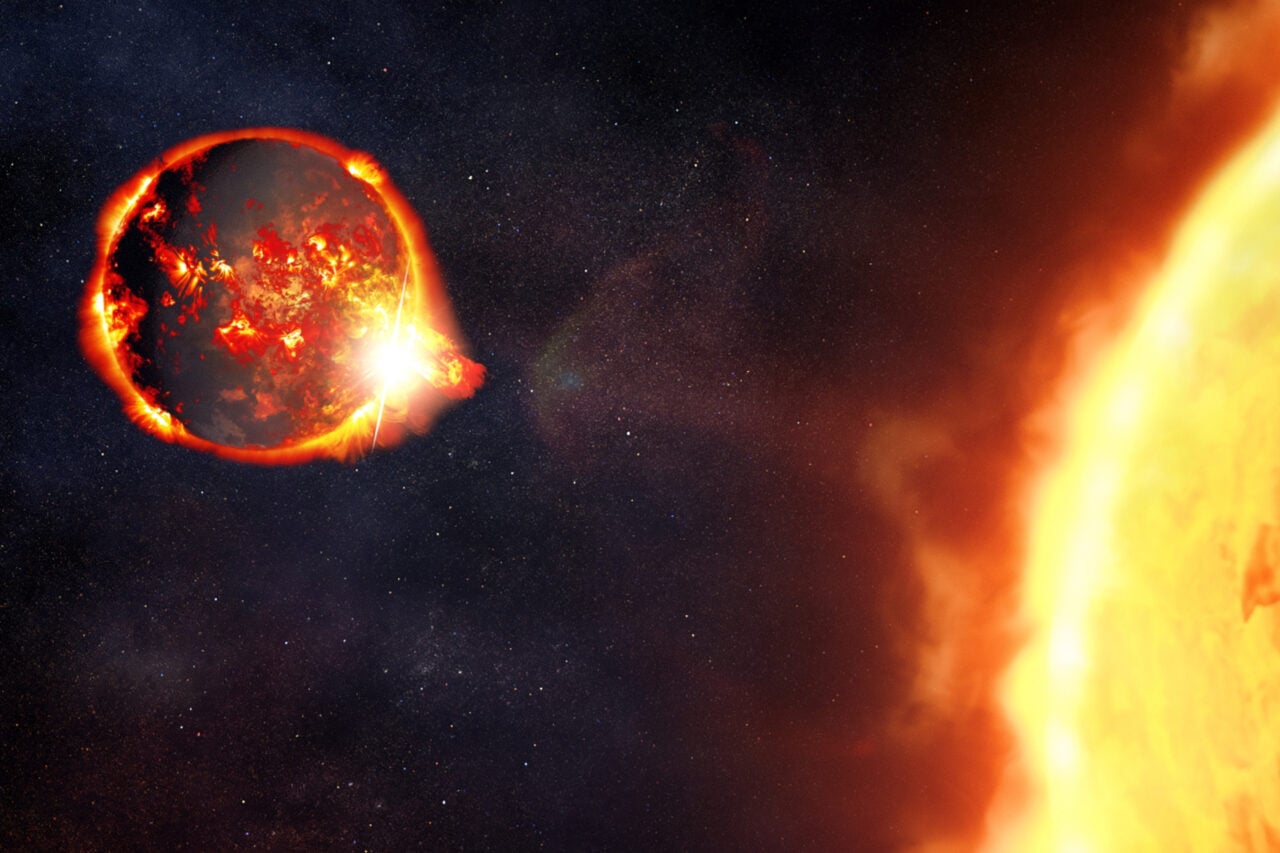
By studying the chemical composition of an odd, dying star, astronomers discovered that it had been feasting on what used to be an icy, Pluto-like object.
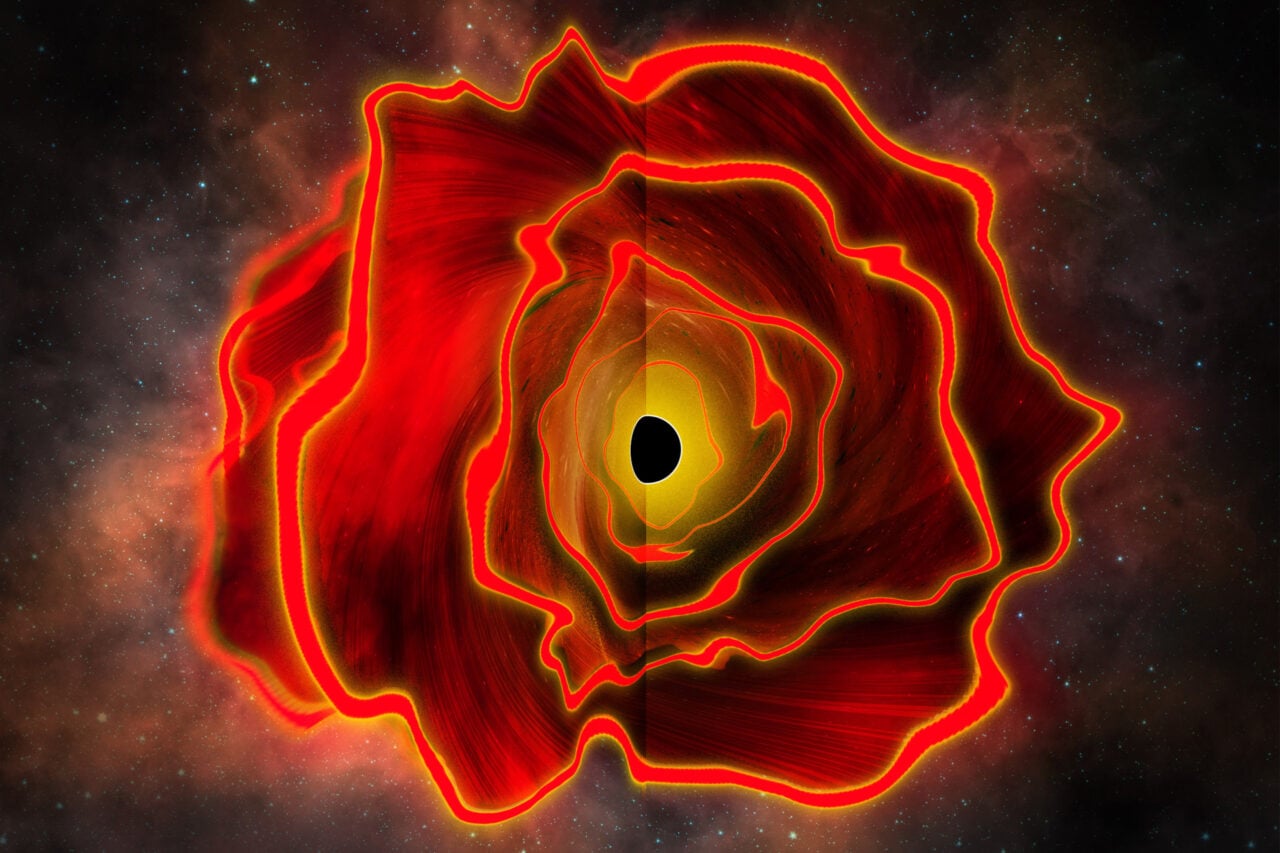
New observations of M87*, the first black hole ever imaged, revealed that the supermassive blackhole has experienced several magnetic flips in the last decade.
“Well, that’s not supposed to happen.”