
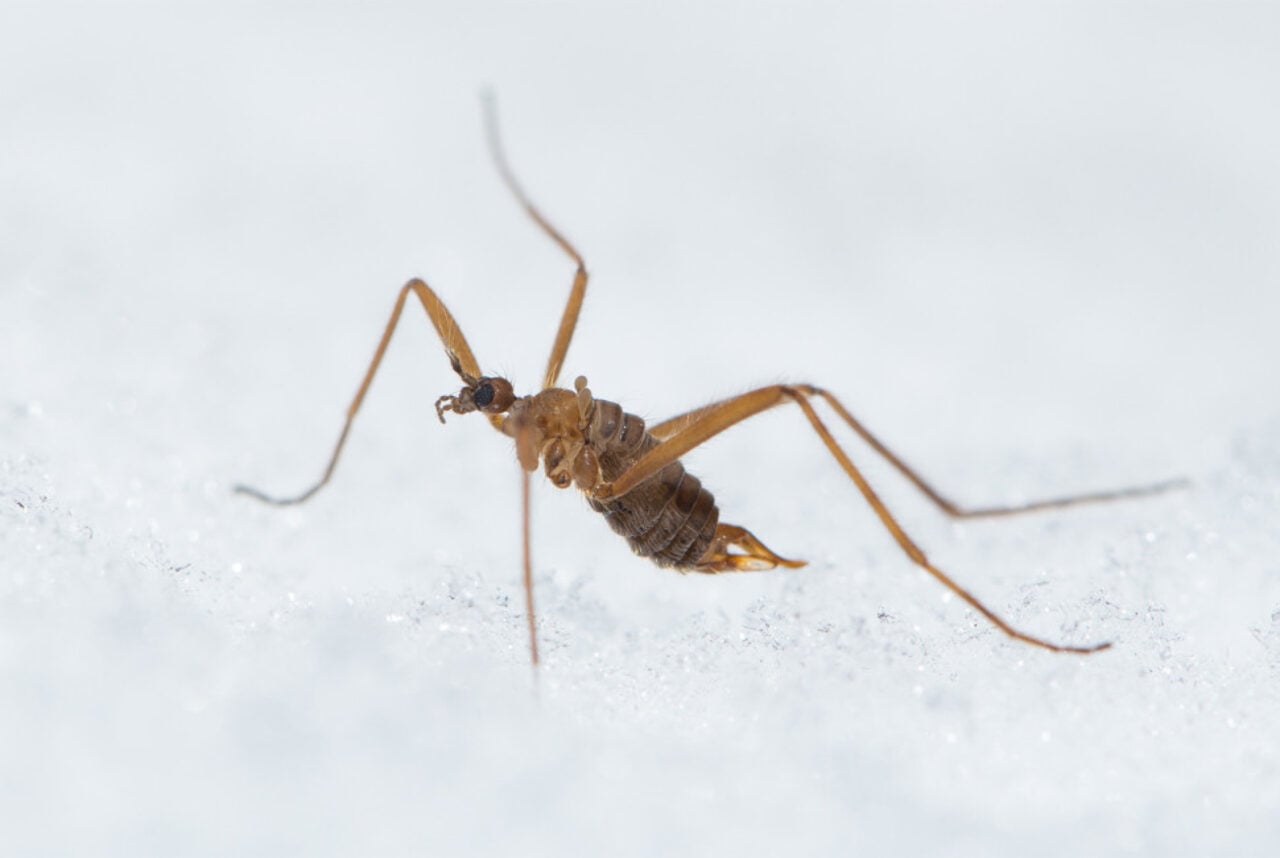
Unlike most bugs, snow flies thrive in the cold—thanks to a baffling mix of genetic kinks that scientists never expected to find.
Some bones indicate that the hunter-gatherers of the time fed dogs fish. Their remains were also treated in similar ways to those of humans in death.
The practice of cloning clones indefinitely appears to be a reproductive dead end, for now.
Geneticists have found an interesting pattern in how early humans and Neanderthals interbred—and it wasn't balanced.
A new study opens the door to a whole new world of ancient genome research.
The pointy shell of sea urchins hides a remarkably complex neural network that resembles the brains of vertebrates, new research suggests.
New research shows it's possible to reprogram skin cells into eggs that can be fertilized in the lab, though it's just a proof of concept for now.
With its latest accomplishments, Colossal Biosciences expects to functionally restore the dodo within the next 5 to 7 years.
Horses have played a critical role in shaping human society, but scientists are still piecing together the story of their domestication.
The children, born using IVF that replaces a mother's damaged mitochondrial DNA with a donor's, show no signs of disease.
Scientific organizations recently called for a 10-year ban on human germline editing. But will we ever be ready? And how would we even know?
Researchers discovered that the absence of one critical gene made the plague less virulent, and may have allowed two major pandemics to last longer.
New research identifies a unique mutation found only in cats that explains their orangeness.
Scientists say they've found a genetic mutation that explains why some people can rest six hours or fewer a night without feeling tired.
Scientists have just isolated a genetic variation that explains why Turkey Pointers have such unique noses.
A startup claims it can grow luxury leather using Tyrannosaur DNA, but scientists aren’t so sure.
Colossal Biosciences' feat of genetic engineering has people talking, but not every scientist is on board with its claim of having brought back the dire wolf.
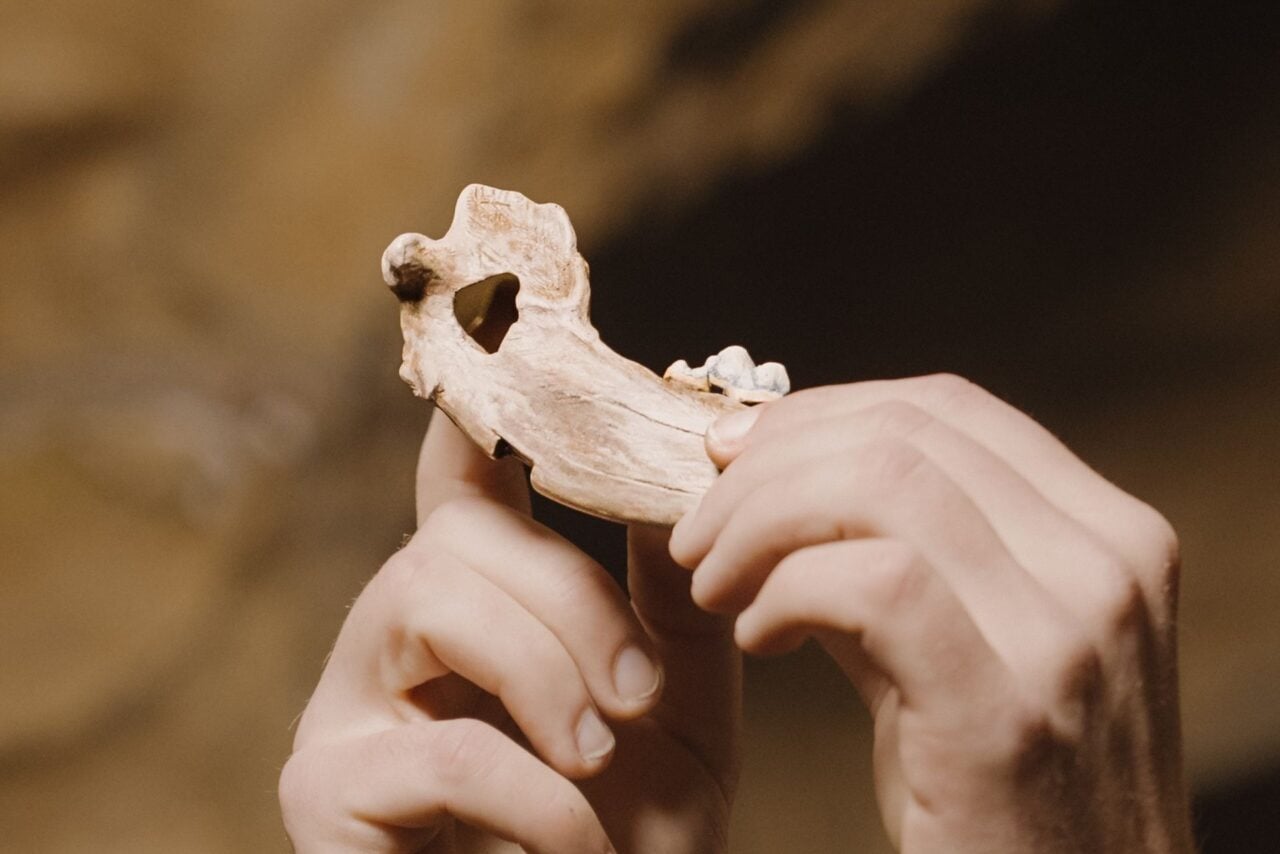
Ten years ago, fishermen in Taiwan dredged a jawbone from the seafloor. Now, scientists say it belonged to a Denisovan man.
23andMe is potentially selling more than just your genetic data—the personal survey info it collected is just as much a privacy problem.
About one in five Americans has a genetic risk for a dangerous type of cholesterol.