The spaceflight sector is buzzing this week, with key tests from SpaceX and Arianespace, alongside significant progress in NASA's Artemis 2 Moon mission.
NASA is set to kick off a series of tests to ensure the updated RS-25 engine is ready and reliable for powering the SLS megarocket.
Despite completing a flight readiness test last week, ULA may have to push the inaugural launch of the heavy-lift rocket to late 2023.
The parachute system helps to control where falling rocket boosters land on Earth, steering them away from populated areas.
After suffering multiple delays, the heavy-lift Vulcan Centaur is on the verge of finally getting off the ground for the first time.
The company tried to test the rocket's engine earlier in May, but it was pushed back due to an issue with the ignition system.
It’s now the highest undergraduate-built liquid-fueled rocket ever flown, climbing 9 miles high at speeds reaching Mach 1.5.
The rocket was too small and its price tag was too big.
The heavy-lift Vulcan Centaur was undergoing tests at a NASA launch facility when a powerful fireball tore through the test mount.
Dawn Aerospace performed previous tests of Mk-II with a jet engine, but the latest test with a rocket engine sets the company on a path towards space.
Ukraine's space agency is criticizing the Vega-C rocket failure investigation, which blamed a component sourced from a Ukrainian company.
The European Space Agency is hoping to return its medium-lift launch vehicle to the pad by the end of the year.
During tests of the upper stage engine, streaks of molten metal could be seen pouring out from the nozzle—a telltale sign of a cooling issue.
The rotating detonation rocket engine is powered by supersonic technology, in a breakthrough that could revolutionize the way humans travel in space.
This is what 8.8 million pounds of thrust really looks like.
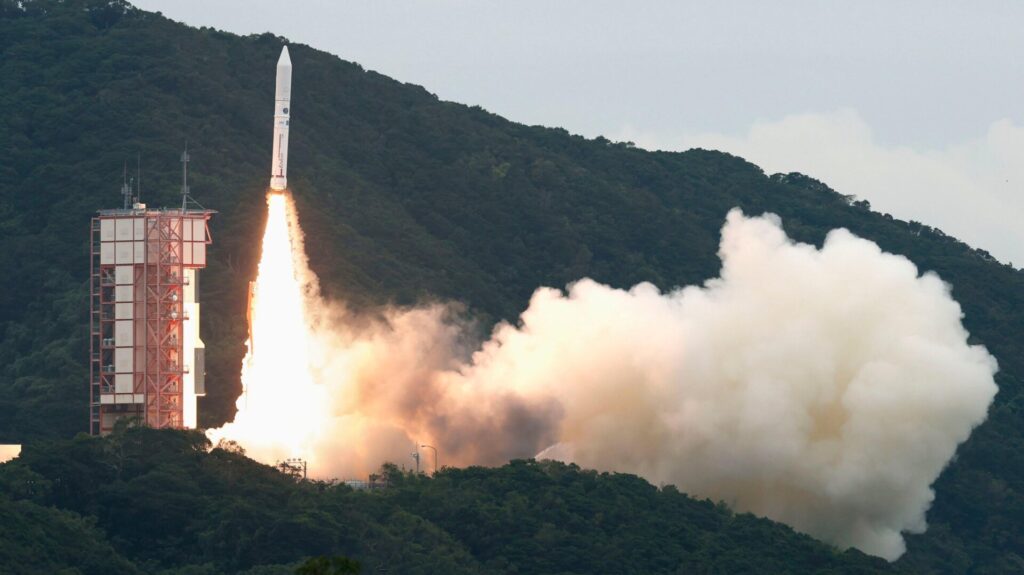
The rocket was ordered to self-destruct 10 minutes into the mission, resulting in the loss of all eight satellites on board.
The Electron rocket could blast off as early as 6:41 p.m. ET Monday, with the attempted booster catch happening shortly thereafter.
The space agency is planning another attempt at a wet dress rehearsal early next week.
The rocket booster will hopefully fall into the arms of a large helicopter.
The test was scrubbed on Monday after a manual valve was, for some reason, left closed when it should’ve been open.