A 28-year-old employee at a pathogens research institute in Siberia has reportedly died from pneumonia of an “unknown cause,” prompting Russian authorities to quarantine the hospital to which she was admitted and begin monitoring her contacts.
The Irkutsk Anti-Plague Research Institute of Siberia and the Far East in Irkutsk, southeastern Siberia, is a lab dedicated to monitoring dangerous pathogens. According to the institute’s government webpage, its scientists work with “especially dangerous diseases,” including cholera, brucellosis, tularemia, anthrax, and arbovirus infections.
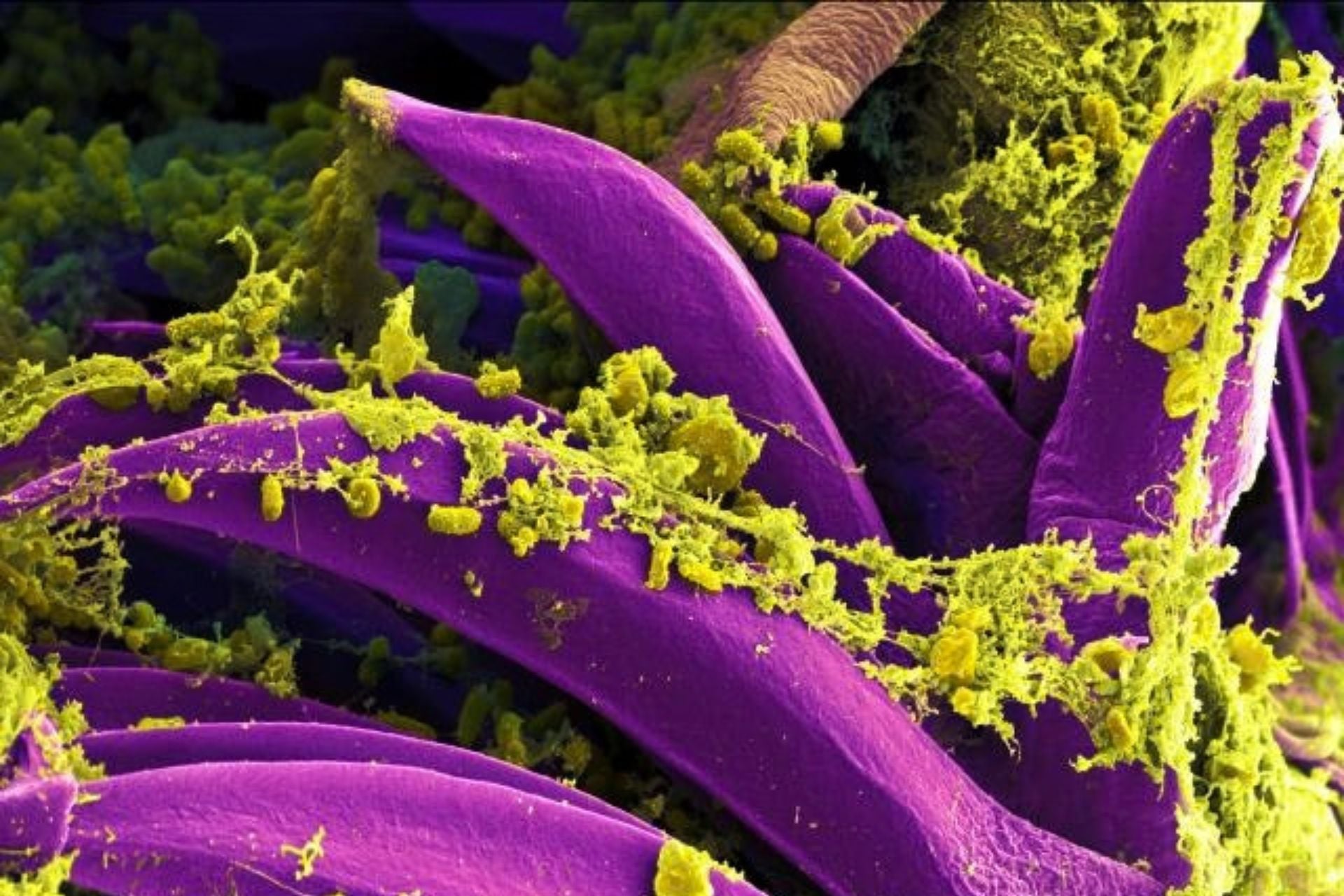
Russian authorities said Sunday that they found no evidence that the employee’s death was caused by any of the pathogens she worked with, the Associated Press reports. Previous unconfirmed media reports suggested she might have died of pneumonic plague, which occurs when the plague bacterium Yersinia pestis infects the lungs. The infection can spread from person to person.
“No microorganisms associated with the employee’s professional duties were detected in samples taken from the patient,” the Russian public health agency Rospotrebnadzor stated, according to CNN. The agency added that the “epidemiological situation” in the region was stable.
No evidence of pneumonic plague
Media reports suggesting a lab leak at the Irkutsk Anti-Plague Research Institute have understandably spurred panic. As illustrated by the hantavirus scare back in May, public anxiety over another pandemic has remained high ever since covid-19 swept the globe. For those who subscribe to the unproven theory that covid-19 leaked from a lab in Wuhan, China, this latest scare may feel particularly alarming.
It can’t be overstated, however, that there is currently no evidence to suggest the deceased lab worker was infected by any of the pathogens at the Anti-Plague Research Institute. Rospotrebnadzor said it has not uncovered any incidents at the institute “involving pathogenic microorganisms,” and no one who was in contact with the deceased has tested positive for pathogens the lab works with. Two of them tested positive for a virus that causes a common cold, and two others tested positive for covid-19.
Even if this was a fatal case of pneumonic plague, the infection does not spread easily from person to person. While it is the most contagious form of plague, research has shown that transmission typically occurs only in the disease’s end stage, when patients cough up copious amounts of bloody sputum in close proximity to another person.
If not diagnosed and treated early, pneumonic plague can be fatal, but recovery rates are high if the infection is detected and treated within 24 hours of onset of symptoms.
Authorities are working to prevent spread
With the exact cause of this lab worker’s death still unconfirmed, Russian authorities are taking steps to prevent any potential disease spread. Igor Kobzev, governor of Irkutsk Oblast, met with the head of Rospotrebnadzor on Friday, according to the AP. After the meeting, Kobzev said the agency was implementing “a full range of anti-epidemic measures.”
In addition to quarantining the inpatient facility at the hospital where the deceased was treated and halting admissions and discharges for several of its departments, local media reports state that other hospitals in the region have imposed three-week quarantines. According to the Moscow Times, nearly 200 people were under medical observation as of Friday.
A spokesperson for the U.S. State Department told ABC News that the agency is monitoring the situation closely with the Centers for Disease Control and other interagency partners.
Hopefully Russian authorities will share more information about this bizarre case in the coming days. “Many details have not been confirmed,” the State Department spokesperson added. “We encourage Russian authorities to share accurate information quickly and openly.” But as of now, there is no reason to believe this is the start of an epidemic, let alone another global pandemic.