Unless you live in a remote enchanted forest or underground like an actual mole person, you’ve probably noticed that the World Cup is happening. As usual, it’s a spectacle, not just because soccer (or football, for most of the world) is the most popular sport across the globe, but because something is different this year—and no, I’m not talking about the aggravating, forced hydration breaks. I’m talking about the new perspective—literally.
This year, for those of us not lucky or rich enough to get to a game, there’s a new camera angle in play: the ref cam. It’s exactly what it sounds like: a camera attached to the referee that gives viewers a first-person glimpse at what happened on the field.
Not realizing that ref cams would be a thing, it caught me by surprise. It’s unlike any other vantage I’ve seen in the pro sports that I typically watch, which includes American football (the more violent kind), hockey, and a scant bit of basketball. It’s also thanks to a form factor that looks strangely familiar: a head-worn camera. Attached to the heads of refs in this year’s FIFA World Cup is a headset, and that headset has a camera on it.
Brazil's goal to make it 1-1 as seen on the ref cam 🎥 pic.twitter.com/GvcZ0yQgR4
— FOX Sports (@FOXSports) June 29, 2026
The result is first-person coverage from the ref’s POV, and it comes in fast. I’ve watched quite a few matches during this year’s tournament, and the play-to-TV-replay pipeline is near instantaneous. I’ll be honest: I kind of love it. I like it enough that I’d love to see it in other sports, and there happens to be an increasingly popular (if controversial) form factor that could make it happen at a level that’s arguably even better than what we’re getting: smart glasses.
As problematic as smart glasses could be in sports (just ask India’s biggest cricket league), from an officiating point of view, there’s also an opportunity to make things better. Not only could they provide an interesting POV for the broadcast like the current headsets, but they could provide an extra angle for on-field review. Sure, most pro sports fields are already full of cameras, but in sports leagues like the NFL, where players are often lost in scrums and where every single inch could make a difference, a new look could be game-changing.
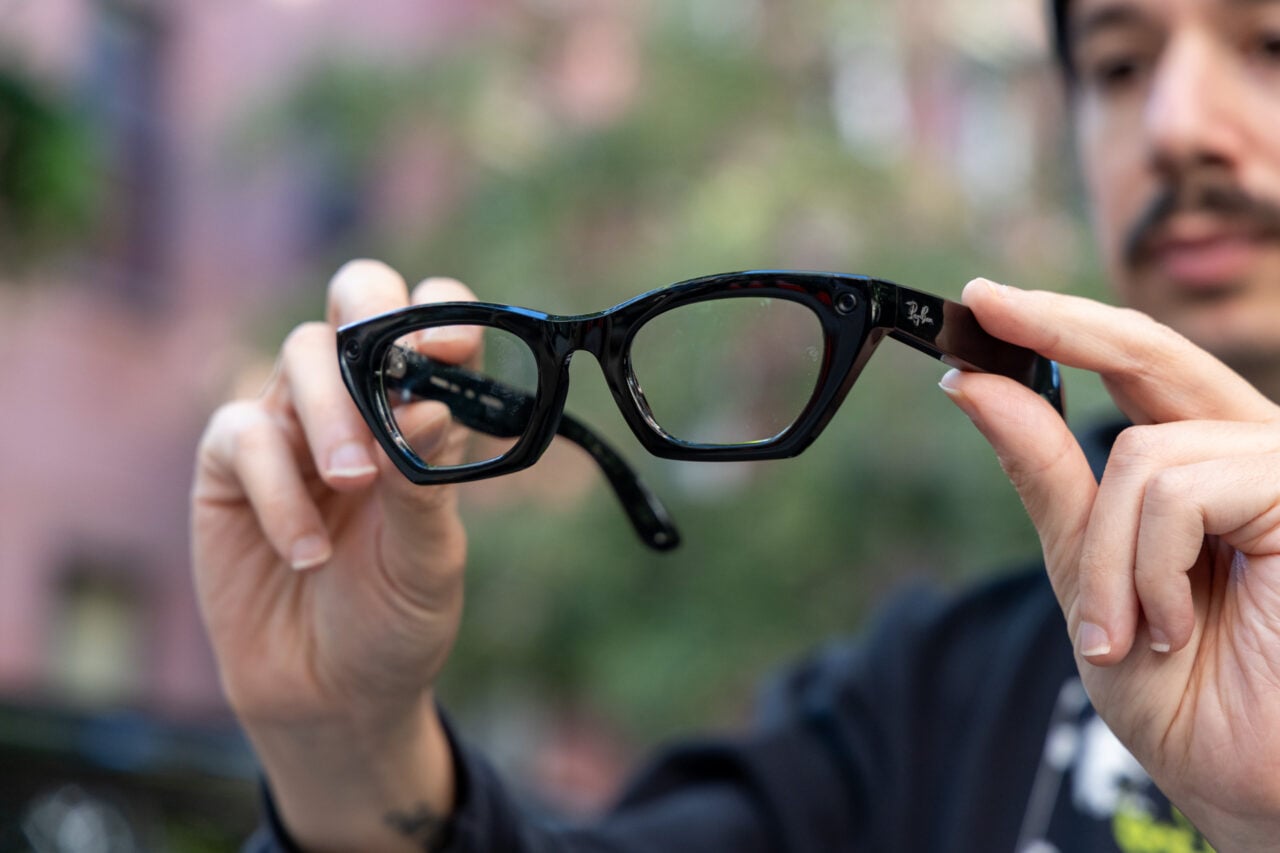
And clearly, the technology is there. FIFA isn’t using its own head cams for officiating purposes, but the view has been surprisingly good. FIFA has partnered with Lenovo on its technology for real-time stabilization, and the two say that they’ve been able to reduce blur and shakiness by up to 50% with software. I’m not sure what resolution Lenovo’s headsets max out at, but if similar technology like the Ray-Ban Meta AI glasses are any example, I think it could go even higher. Meta now offers up to 3K video, which looks a lot more detailed than what I’ve seen on broadcasts, and the stabilization is performant enough to get stable footage in action sports like snowboarding.

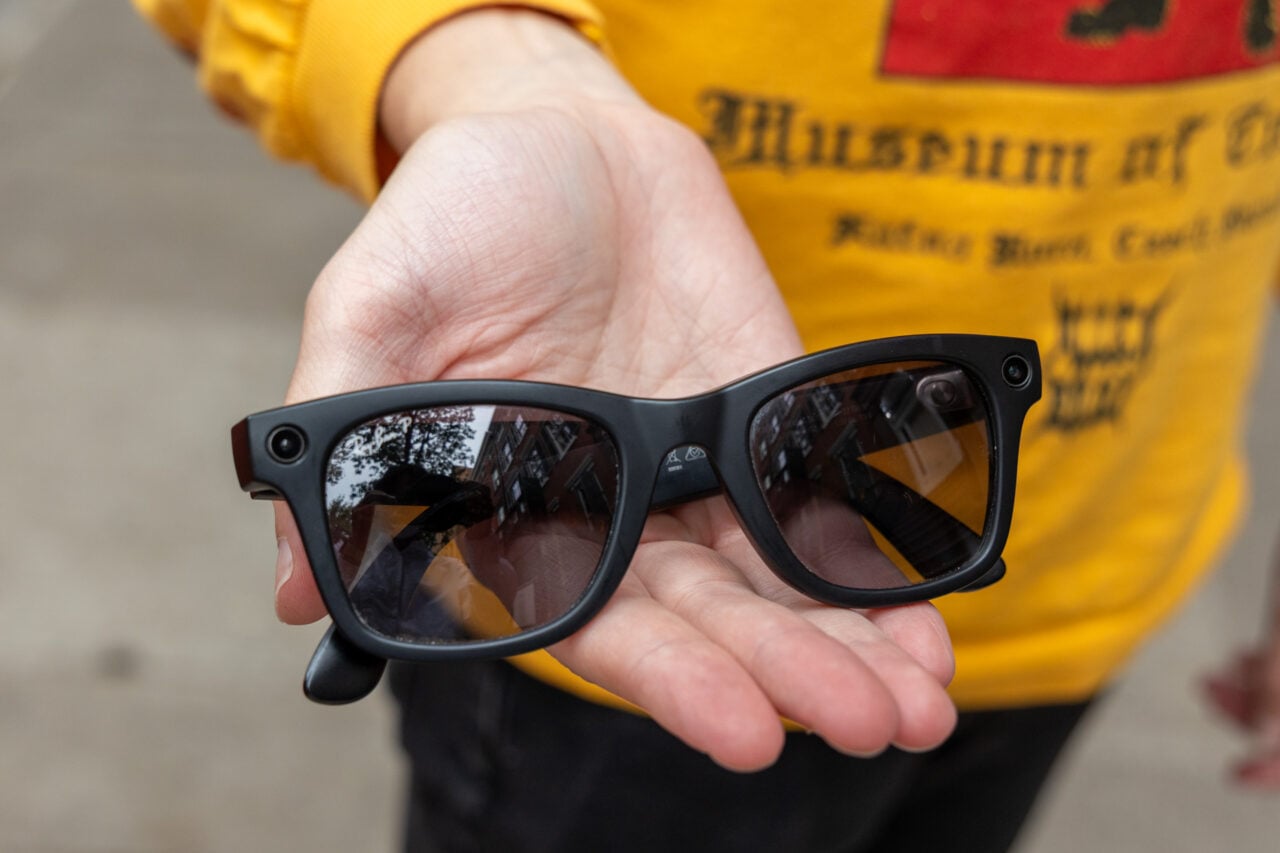
Also, as someone who’s worn quite a few pairs of smart glasses in the past year, I can attest to the comfort and usability of many of them. The Oakley Meta AI glasses, despite the ickiness that goes along with Meta making them, fit comfortably and stay on your head even when you’re moving around. Plus, they look significantly less goofy than the telemarketing-like gear we’ve seen so far, which might make more refs more open to donning the tech, and maybe even less unwieldy.
And with more resolution and stabilization, who knows how footage from smart glasses-enabled ref cams could come in handy? As noted by Wired, soccer officials in other leagues have already begun incorporating the technology for post-game debriefs, where they assess footage to evaluate performance. That’s not quite using it for live, on-the-fly officiating, but it’s a step in that direction.
If nothing else, it’s been a solid example of one arena where face-worn cameras like smart glasses might actually be both welcomed and useful, and that’s something to note considering there are so many other situations where they’re abjectly not.