A rare dinosaur fossil from Antarctica was tucked away for decades before finally being identified as part of a large titanosaur that once roamed Earth’s southernmost continent.
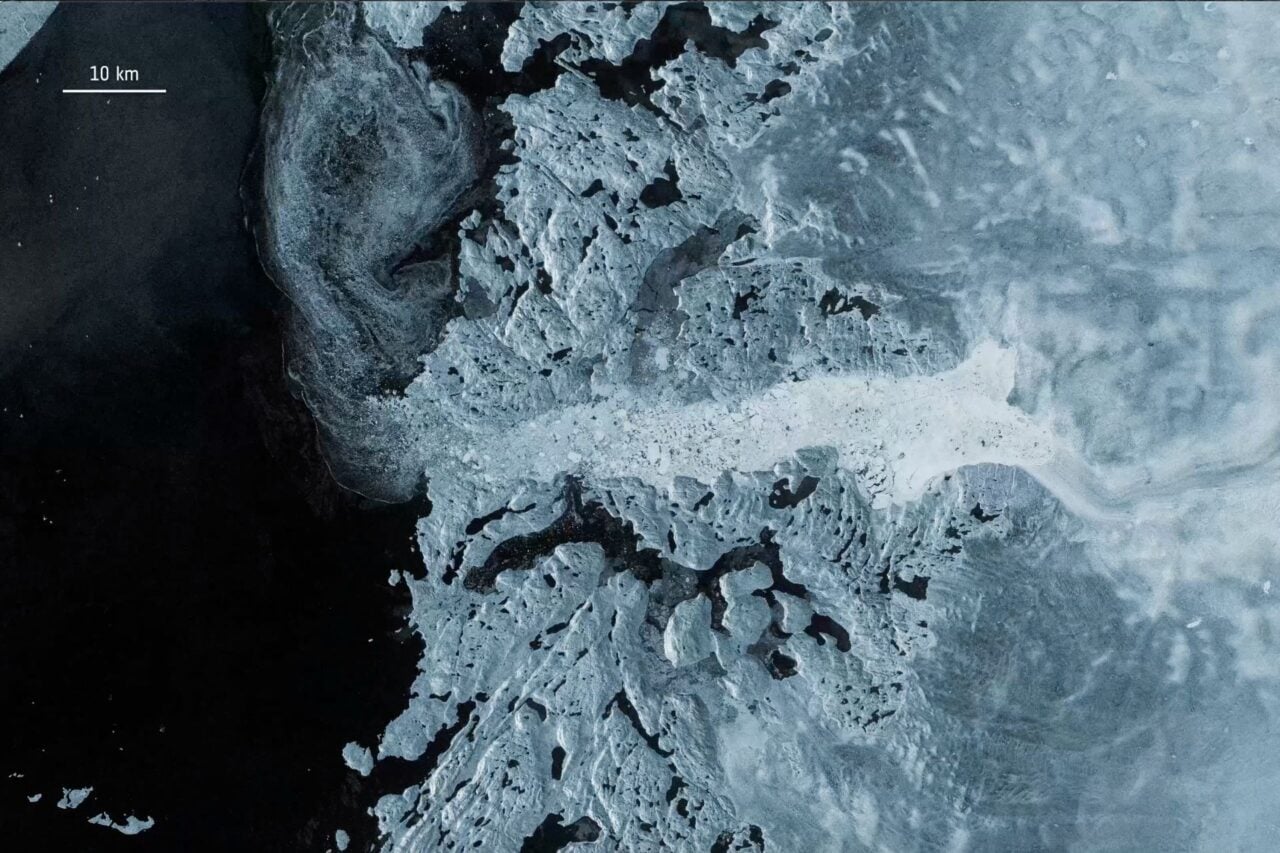
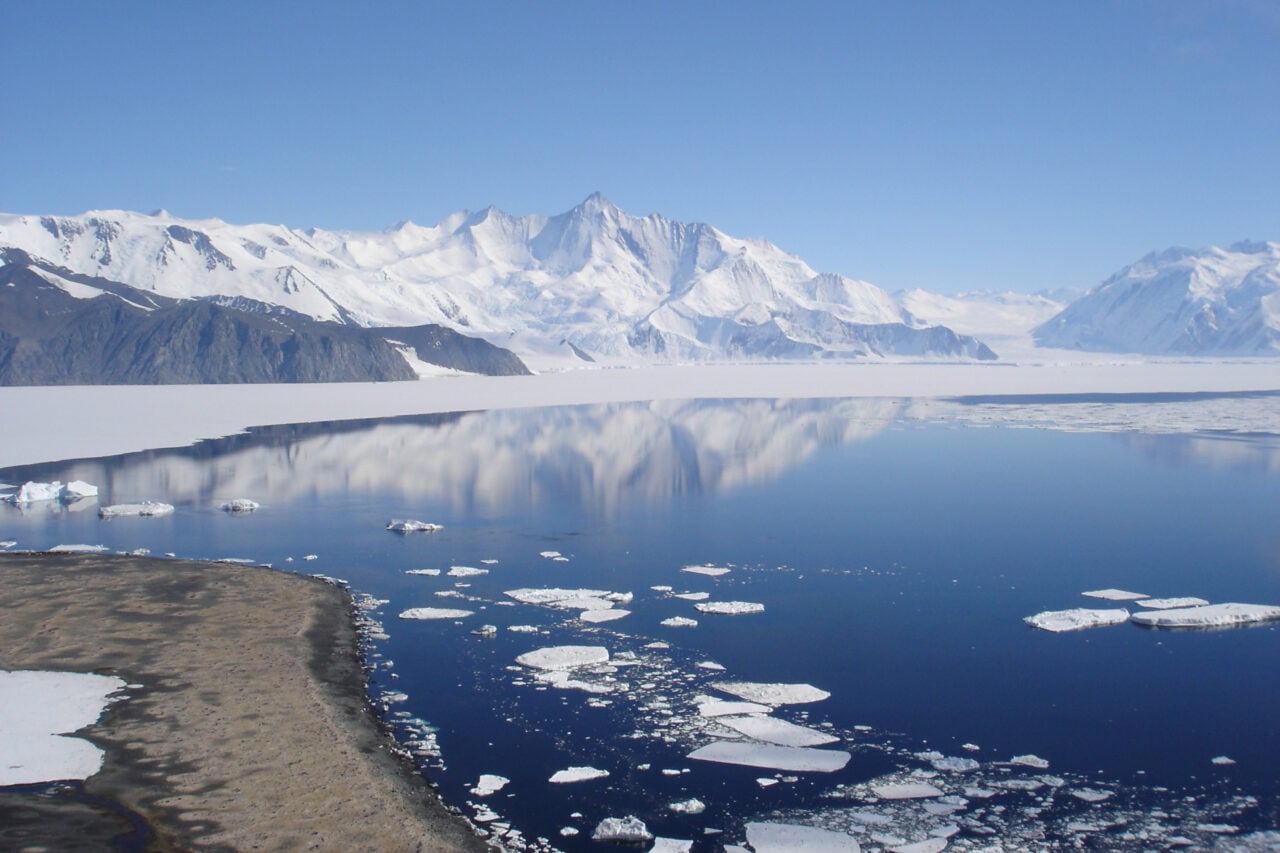
The fossil was first discovered in 1985 during an expedition to the James Ross Island on the southeastern side of the Antarctic Peninsula. At the time, it was recorded as belonging to a large marine reptile and stashed away in the British Antarctic Survey’s (BAS) collections. A new study, however, shows that the piece of bone actually came from a sauropod dinosaur.
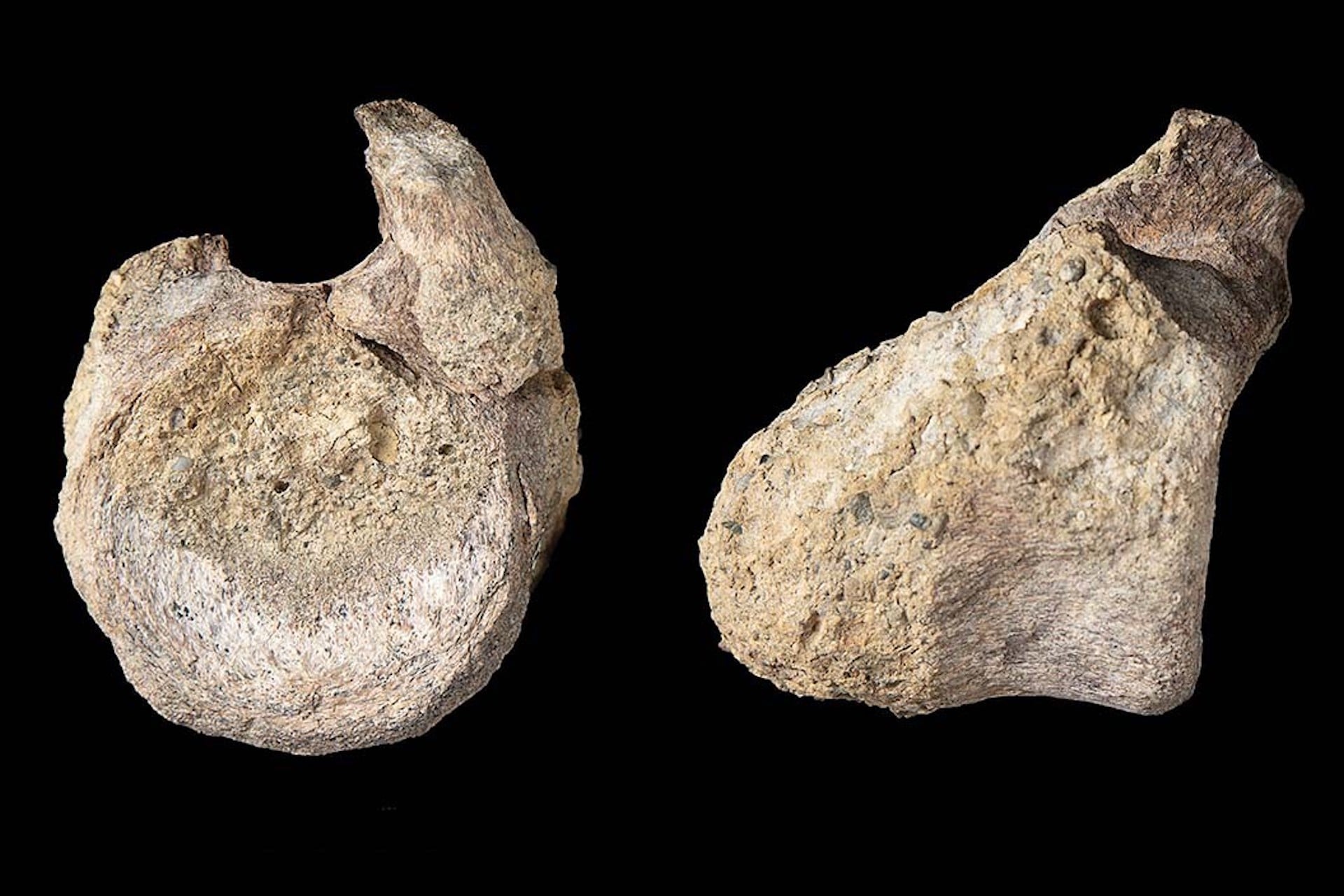
The tail vertebra is the first-ever dinosaur bone discovered in Antarctica and holds clues to an ancient time when these large beasts inhabited the Earth. The findings were published Monday in the journal Acta Palaeontologica Polonica.
Mistaken identity
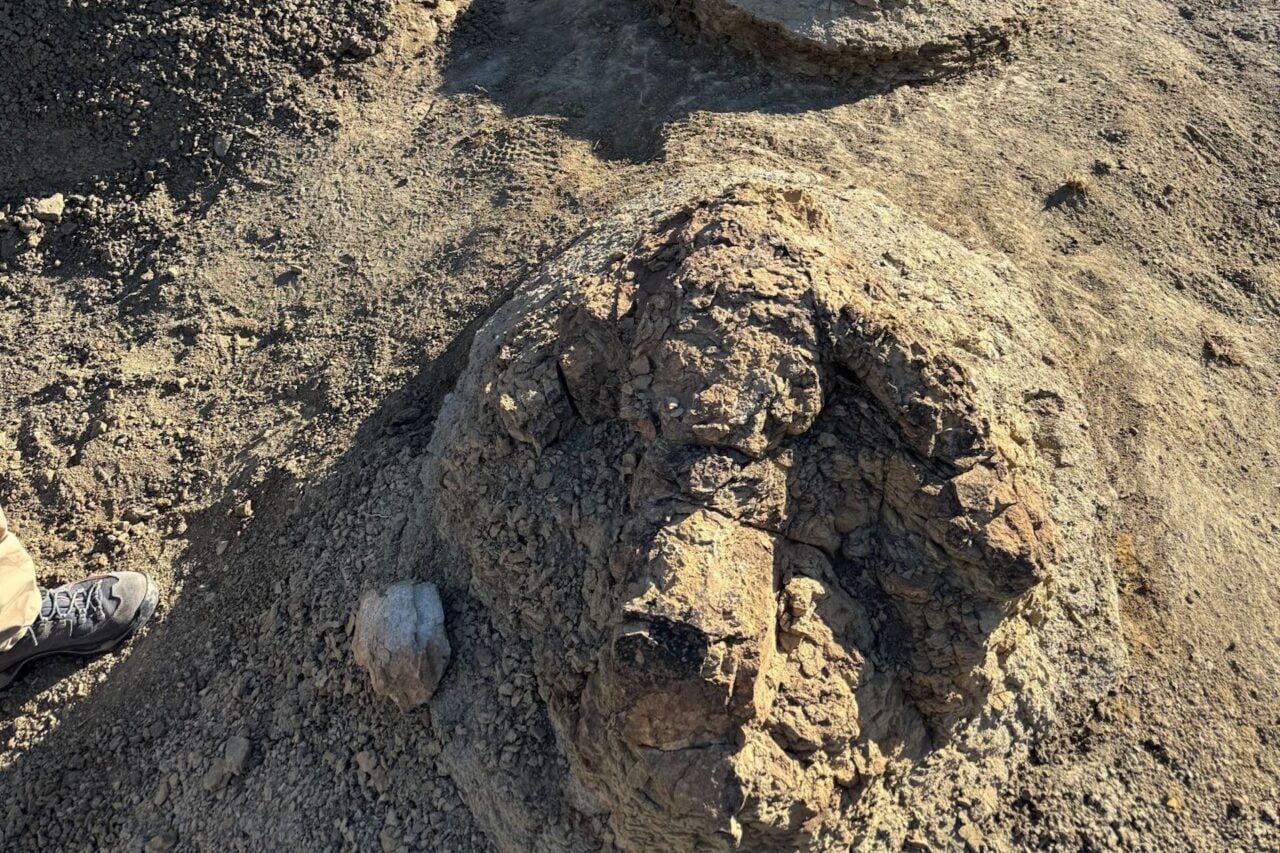
Geologist Mike Thomson first collected the fossil during an expedition to map rock layers on James Ross Island. The researchers gathered marine reptile fossils to help date the area’s rock layers, including a mysterious vertebra that they believed belonged to an ancient reptile.
The bone was left unstudied for decades, boxed up in a storage drawer. That’s until BAS paleontologist Mark Evans spotted the bone and wondered whether it belonged to a dinosaur. “It was overlooked because I think it was misidentified while under harsh field conditions,” Paul Barrett, a dinosaur researcher at the Natural History Museum who helped identify the fossil, said in a statement.
The researchers behind the new study analyzed the shape of the bone and compared it to other dinosaur fossils previously found. They determined that the bone belonged to a titanosaur—a group of the largest dinosaurs to have ever existed on Earth.
“Believe it or not, this is the first bit of dinosaur ever discovered on Antarctica,” Barrett said.
Ancient beasts
Today, Antarctica hosts a frozen landmass and harsh weather conditions. Seventy million years ago, however, Antarctica looked vastly different as a warm, ice-free continent with lush rainforests. During that time, Antarctica was home to a diverse array of dinosaurs.
It’s difficult to find dinosaur fossils in Antarctica due to the continent’s thick ice sheets. Which is why the recent findings provide a rare glimpse into the lives of the ancient beasts that once roamed the continent.
While the newly identified fossil is too incomplete to know exactly which species it belonged to, the researchers were able to determine that the bone came from a relatively small dinosaur at approximately 23 feet long (6 meters). It’s not clear whether the dinosaur was a juvenile or if it had reached its full size as an adult.
Titanosaurs were among the last sauropods to walk the Earth. The giant, long-necked dinosaurs were herbivores that lived in a variety of habitats, including forests. The discovery helps piece together a portion of their journey across southern landmasses.
While Titanosaurus fossils were found in New Zealand and South America, none were found in Australia. “At the time, New Zealand was, weirdly, quite a long way away from Australia,” Barrett explained. “It was closer to southern South America and the Antarctic Peninsula than it was to Australia, just because of the way the continents have moved around.”
“So, there was a region at the western end of Antarctica, where we’ve got the southern tip of South America, the Antarctic Peninsula and the ancient continent of Zealandia, all in the same general area,” he added.
By confirming that titanosaurs were also present in Antarctica, the researchers believe the dinosaurs were able to move from South America into New Zealand through the Antarctic Peninsula while bypassing Australia.
By stumbling upon the mislabeled bone, researchers are able to peer inside the lives of the ancient creatures and how they moved around millions of years ago.