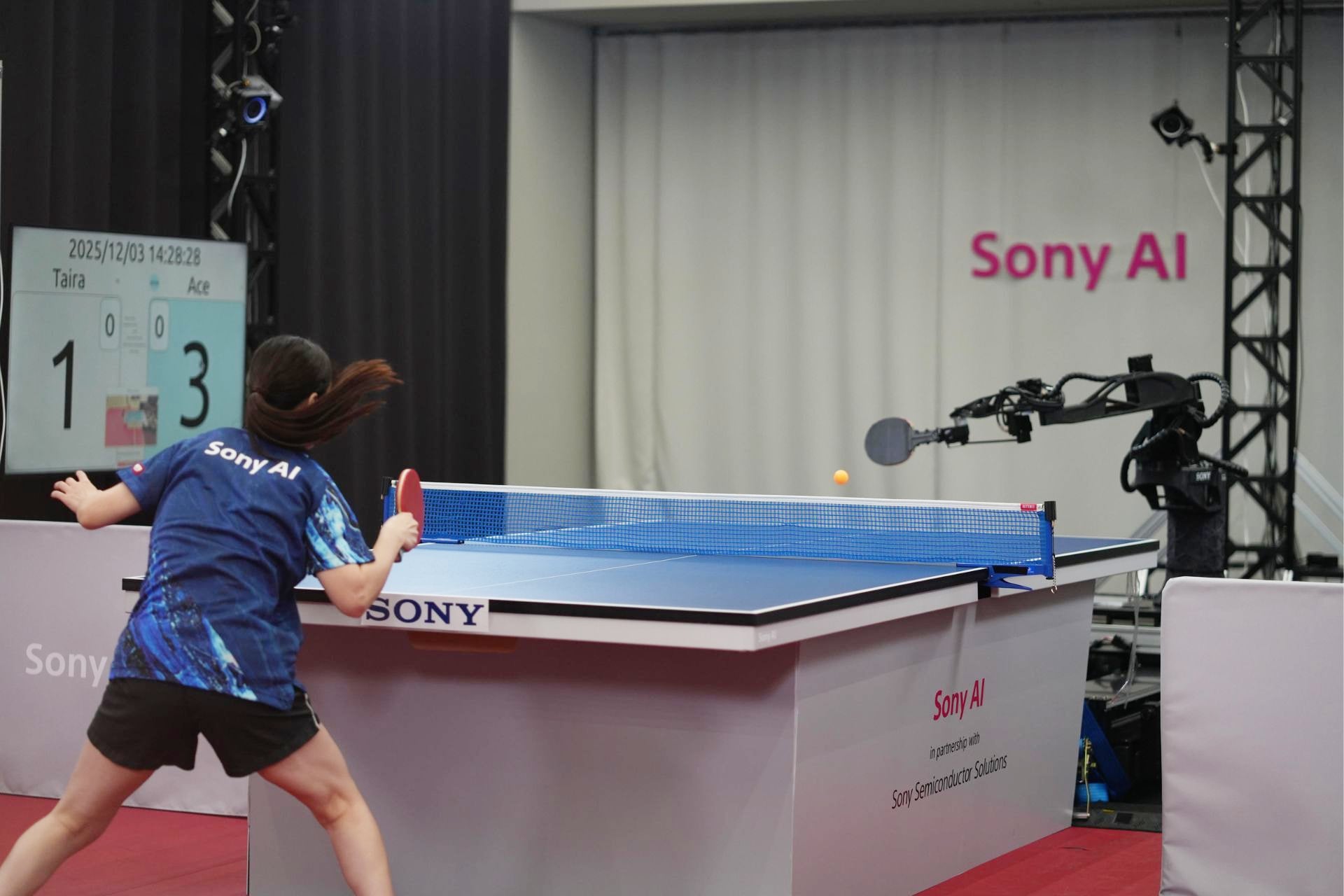
Watch out Marty Supreme, there’s a new contender for the throne of table tennis champ—and it’s not human. Research out today showcases a robot that can match and even best elite human players.
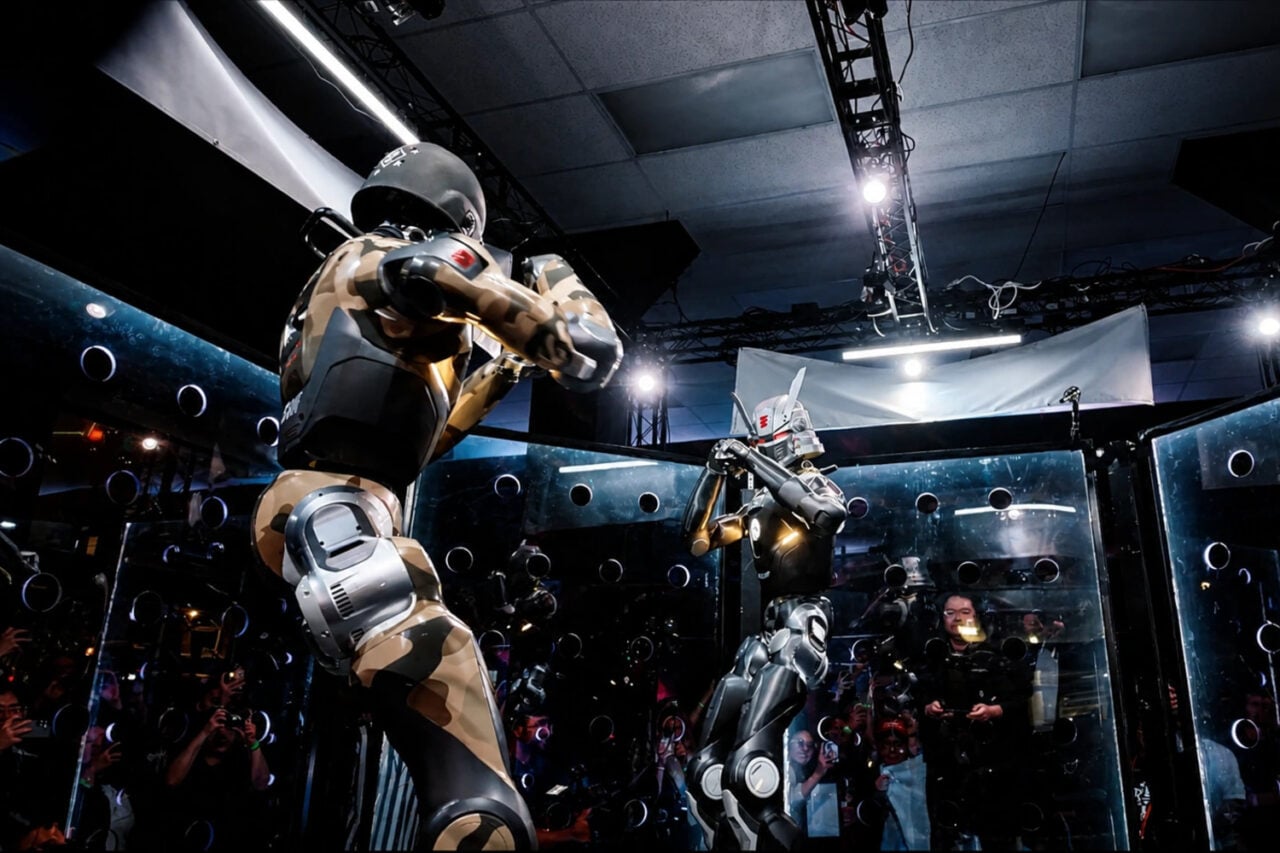
Scientists at Sony’s AI division developed the autonomous robotic system, dubbed Ace. Their study details how Ace won a majority of its matches against table tennis players with extensive experience, though it came up short against professional athletes. Novelty aside, the software and hardware that makes the robot possible could have many other uses, its creators say.
“The results of our work on Ace highlight the potential of physical AI agents to perform complex, real-time interactive tasks, suggesting broader applications in domains requiring fast, precise human-robot interaction,” lead author Peter Dürr told Gizmodo.
An ace on the court
Systems based on artificial intelligence can now regularly beat people at all sorts of tasks, including various games. Historically, though, it’s been a challenge to design robots smart and nimble enough to surpass humans at physical sports. Table tennis in particular requires fast reaction times and the ability to generate accurate, yet difficult-to-return, high-spin balls to opponents.
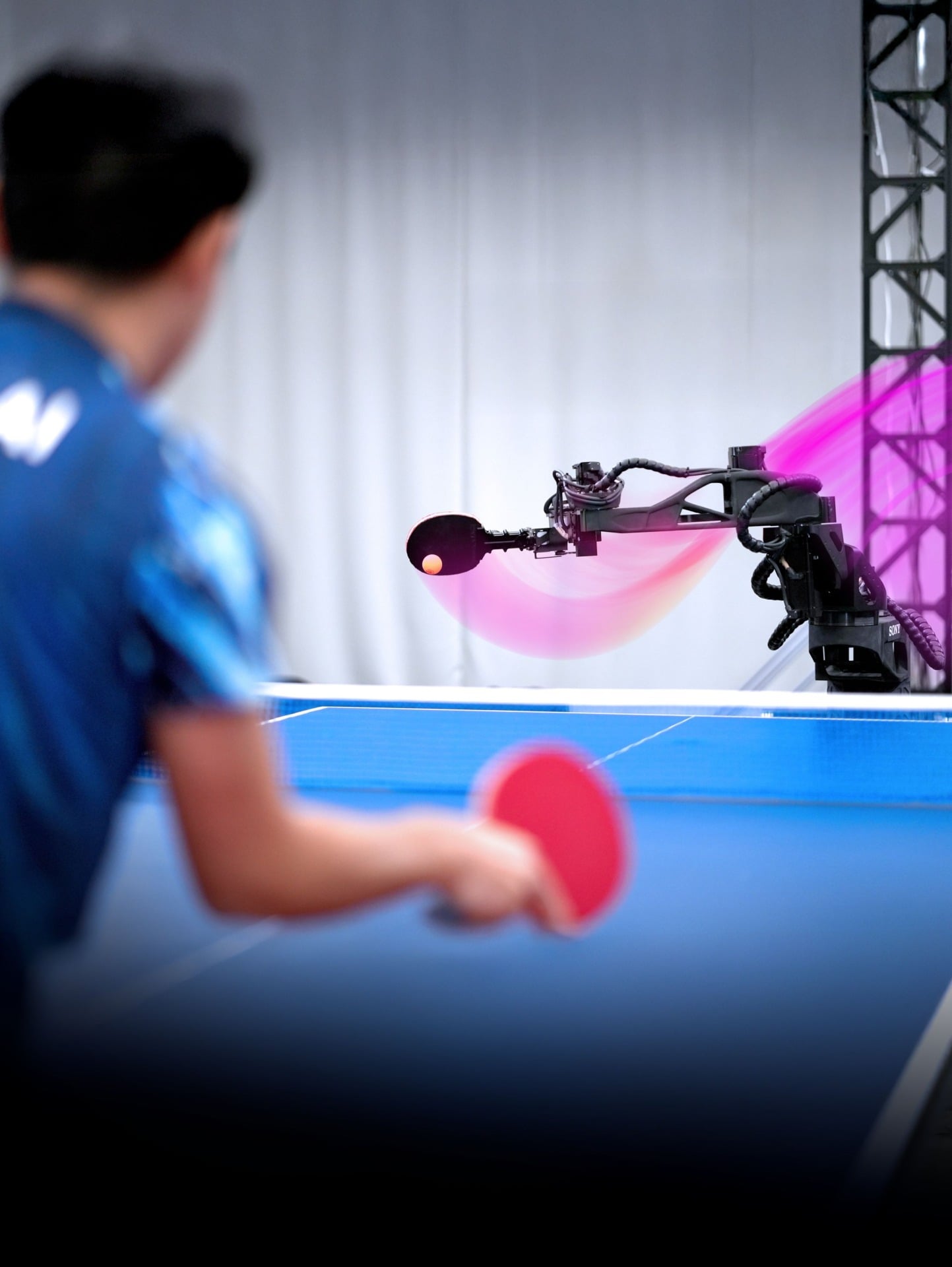
Scientists have been tinkering with the possibility of tennis robots since the 1980s, but ACE represents an important step forward for both artificial intelligence and robotics, according to Dürr.
“Sony AI conducted this research to study how AI could operate safely and effectively in the physical world, where perception, control, and agility must come together in real time,” he said. “Unlike simulated environments where AI can rely on perfect information, real-world sports like table tennis demand rapid decision-making based on state estimation from noisy sensors and adversarial human interactions.”
Unlike past experiments, the researchers judged Ace’s performance against humans using the actual rules of the International Table Tennis Federation (ITTF); they also recruited licensed umpires to oversee the games.
In the present study, conducted in April 2025, the researchers paired Ace against five players deemed elite, defined as people who had at least 10 years of playing experience and regularly trained 20 hours a week on average. It also faced off against Minami Ando and Kakeru Sone, two players active in Japan’s professional table tennis league.
Ace won three of the five matches against elite players. It won one game against a pro, though it ultimately lost both matches to Ando and Sone. And throughout the matches, the robot displayed agile moves and could consistently serve and return high-speed and high-spin balls. The team’s findings were published Wednesday in the journal Nature.
A future champ?
The team’s experiments didn’t stop there.
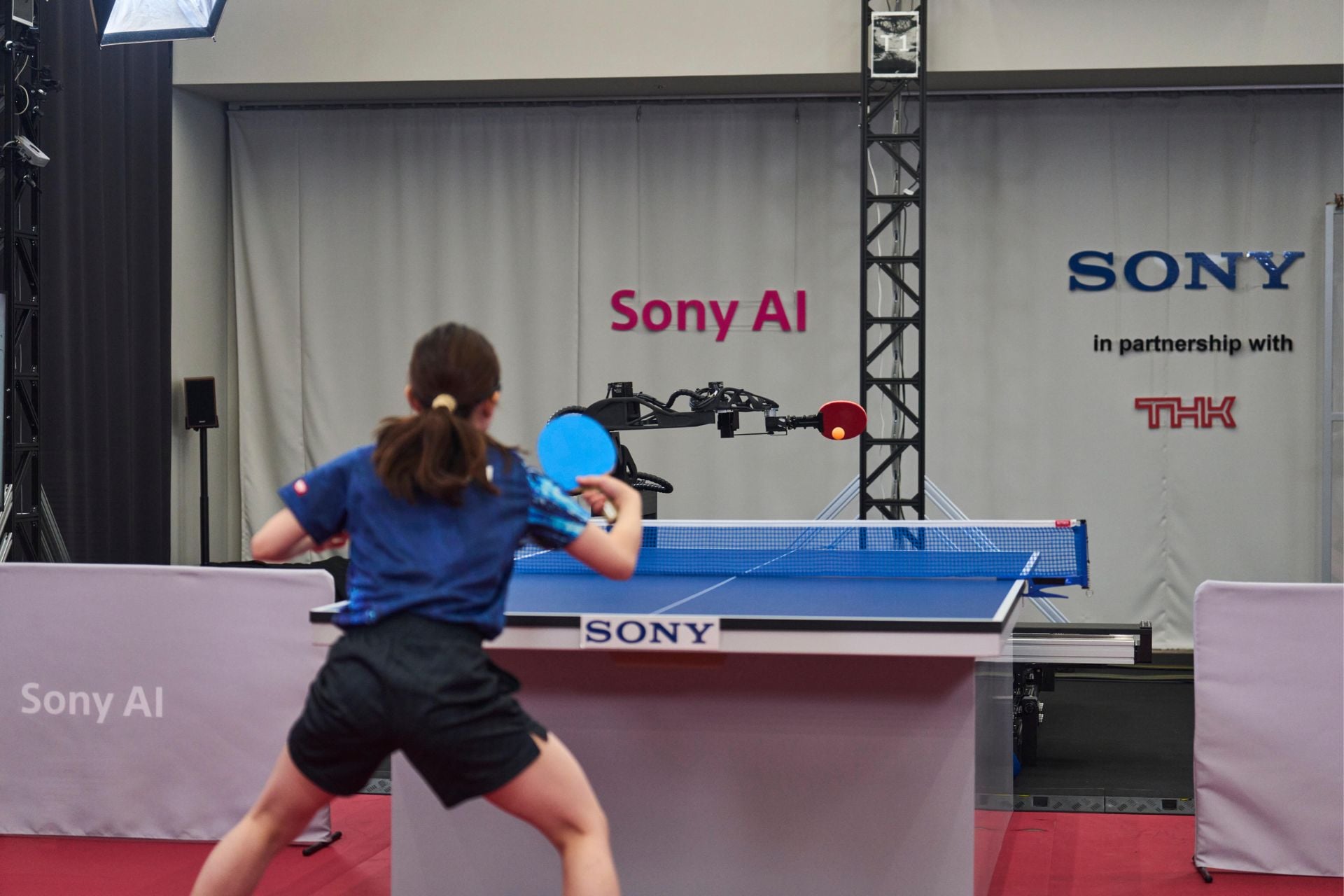
Ace had another set of matches in December 2025, where it was able to beat both elite and professional players (it won one of the two pro matches). In March 2026, it won three matches against professionals, including Miyuu Kihara, currently a top 25 player in the World Table Tennis rankings for women’s singles. During these matches, Ace displayed improved performance at shooting balls faster and more aggressively closer to the table edge, according to Dürr.
Still, Ace probably isn’t going to take over the world of table tennis. The project was devised as a way for the researchers to push the individual technologies driving Ace as far as they could, rather than any specific goal. But the lessons learned from Ace might allow scientists to create better robotic systems for various “applications across sports, entertainment, and other safety-critical physical domains,” Dürr said.
Thankfully, I’ve always been complete trash at table tennis/ping pong, so I’m already happy to accept Ace as our new robotic overlord just in case.