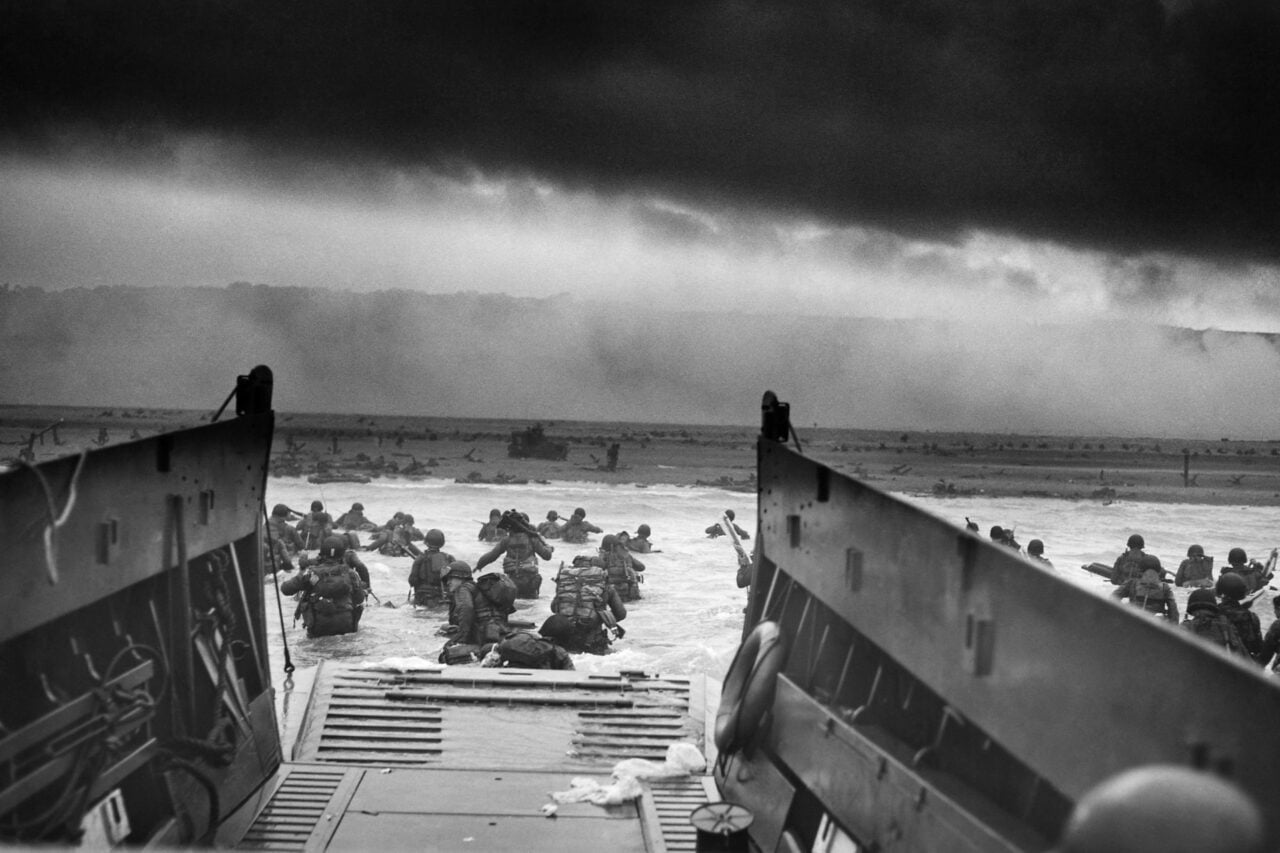
In 1801, the Danish-Norwegian flagship Dannebroge sank during the battle of Copenhagen. More than two centuries since the iconic battle, researchers have finally found its remains.
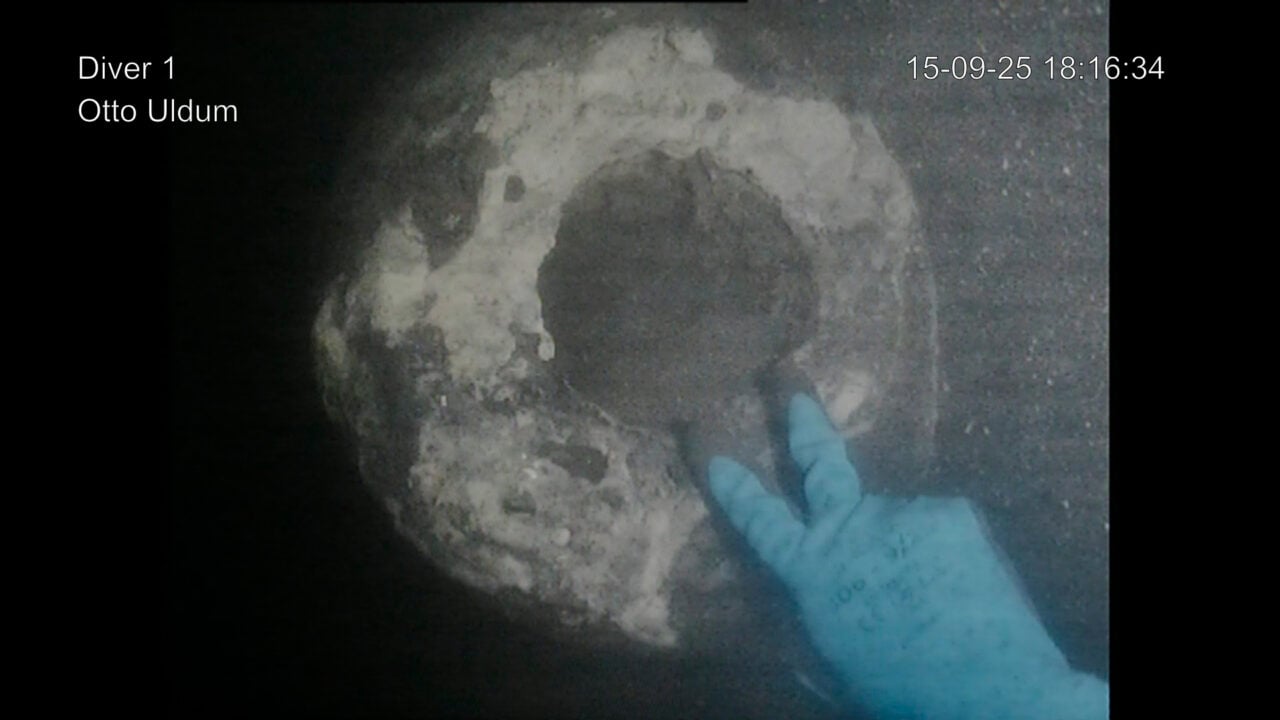
In a statement, the Danish Viking Ship Museum in Denmark announced the discovery of both Dannebroge and the remains of those who fell in battle. The announcement came on April 2, the 225th anniversary of the shipwreck. The team of maritime archaeologists uncovered the remains 49 feet (15 meters) underwater at the seabeds near Copenhagen harbor.
“We have no difficulty interpreting this as the remains of a large wooden warship,” Otto Uldum, one of the researchers on the team, said in the release. “So we are stating this with a degree of certainty that borders on absolute.”
Just in the nick of time
The team’s findings arrived right before the premises would close for construction of an artificial island. According to the statement, the researchers received permission to block out large parts of Copenhagen harbor to conduct “extensive surveys, diver inspections, sediment sampling, and full excavations in the area” before construction begins in earnest.
Since 2020, these excavations have turned up several unknown shipwrecks, including the biggest 15th-century cog ever recovered. For each discovery, the team carefully documented the artifacts with 3D scanning and photography. But the latest identification of Dannebroge is particularly special, the team added, since it’s a relic of “one of the most dramatic days in Denmark’s past.”
Eerie echoes of the past
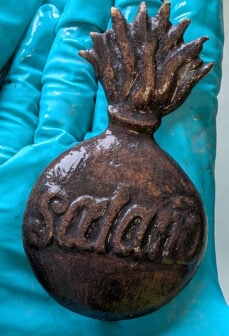
Uldum explained that the shipwreck perfectly matched accounts of the ship’s dimensions, left behind in drawings of Dannebroge. Further chemical dating also confirmed that the vessel was built in 1772, a solid time stamp for a ship that sank in 1801. The team also found cannonballs, bar shots, and two cannons, indicating that fierce battles took place nearby.
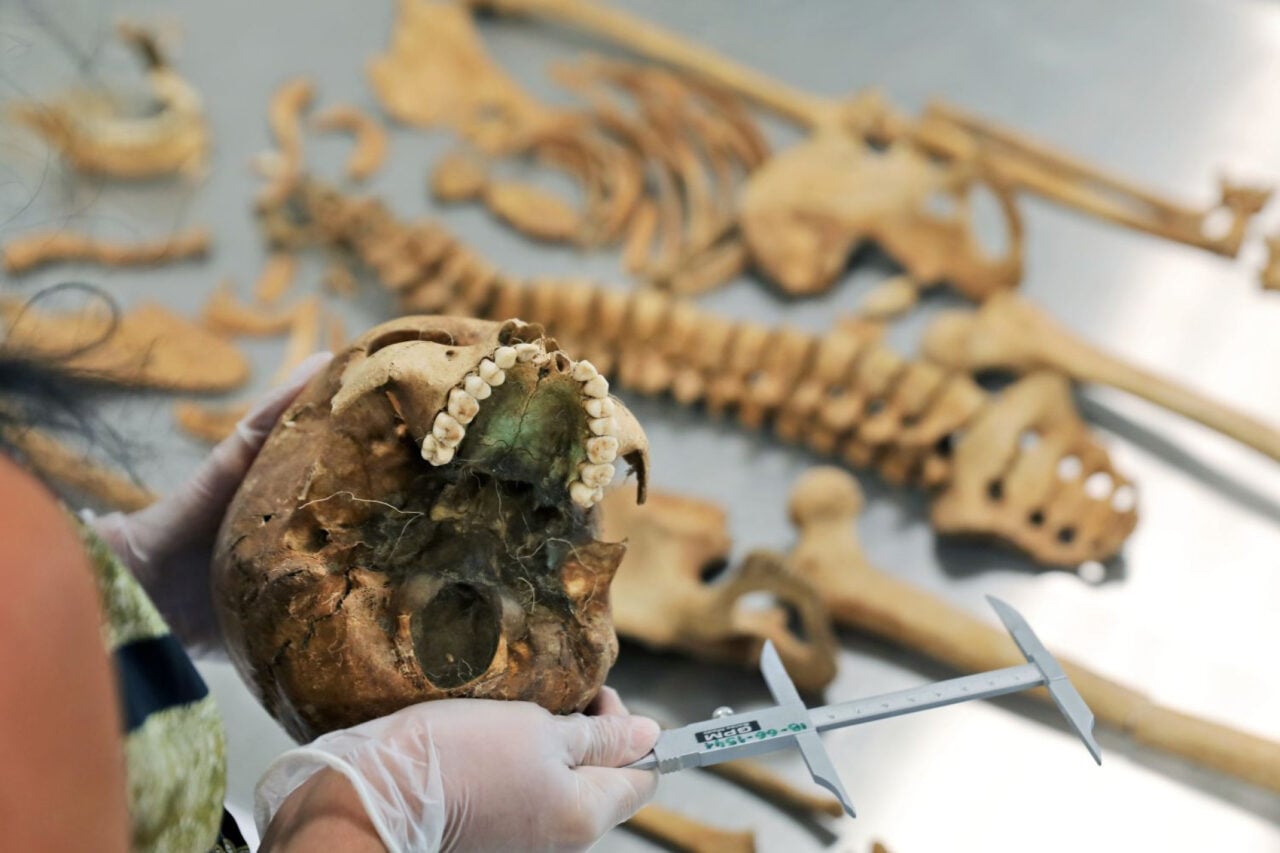
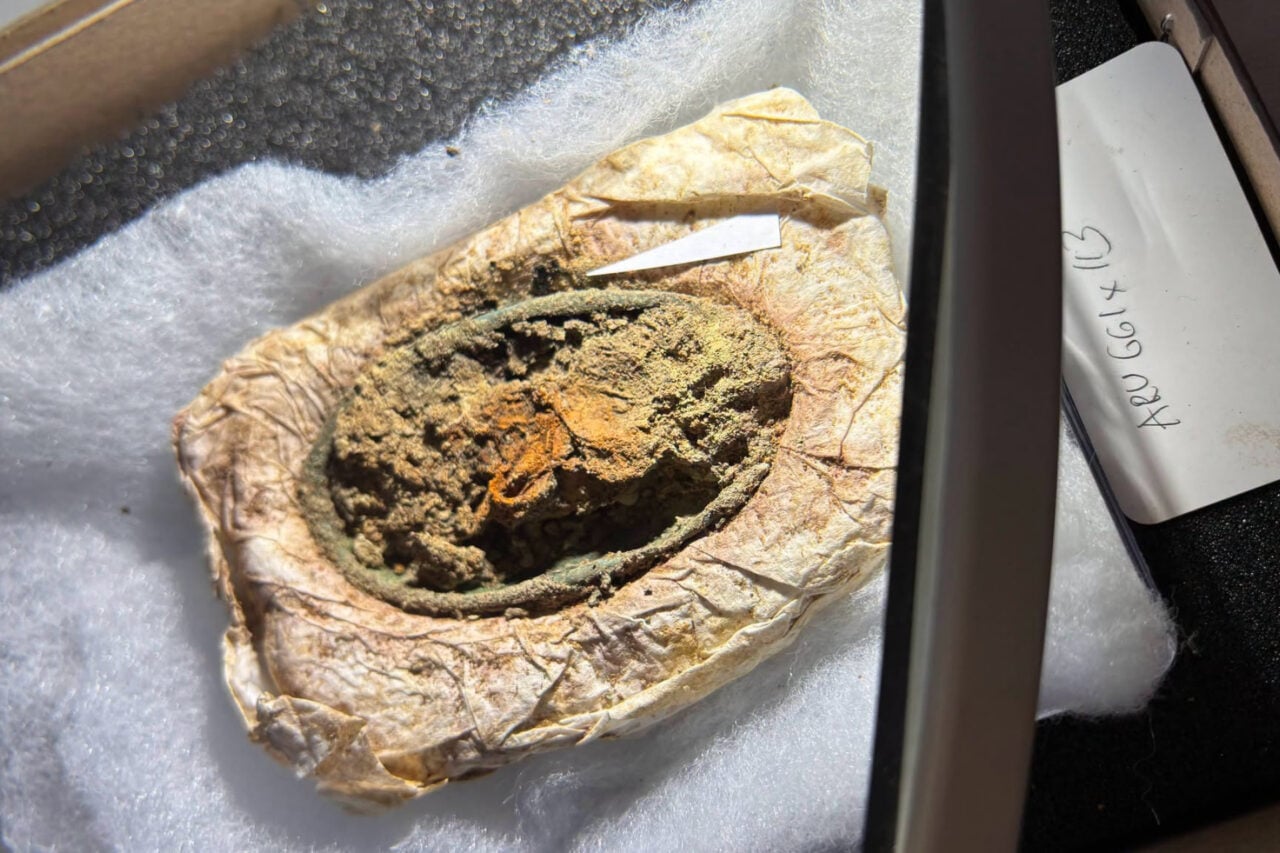
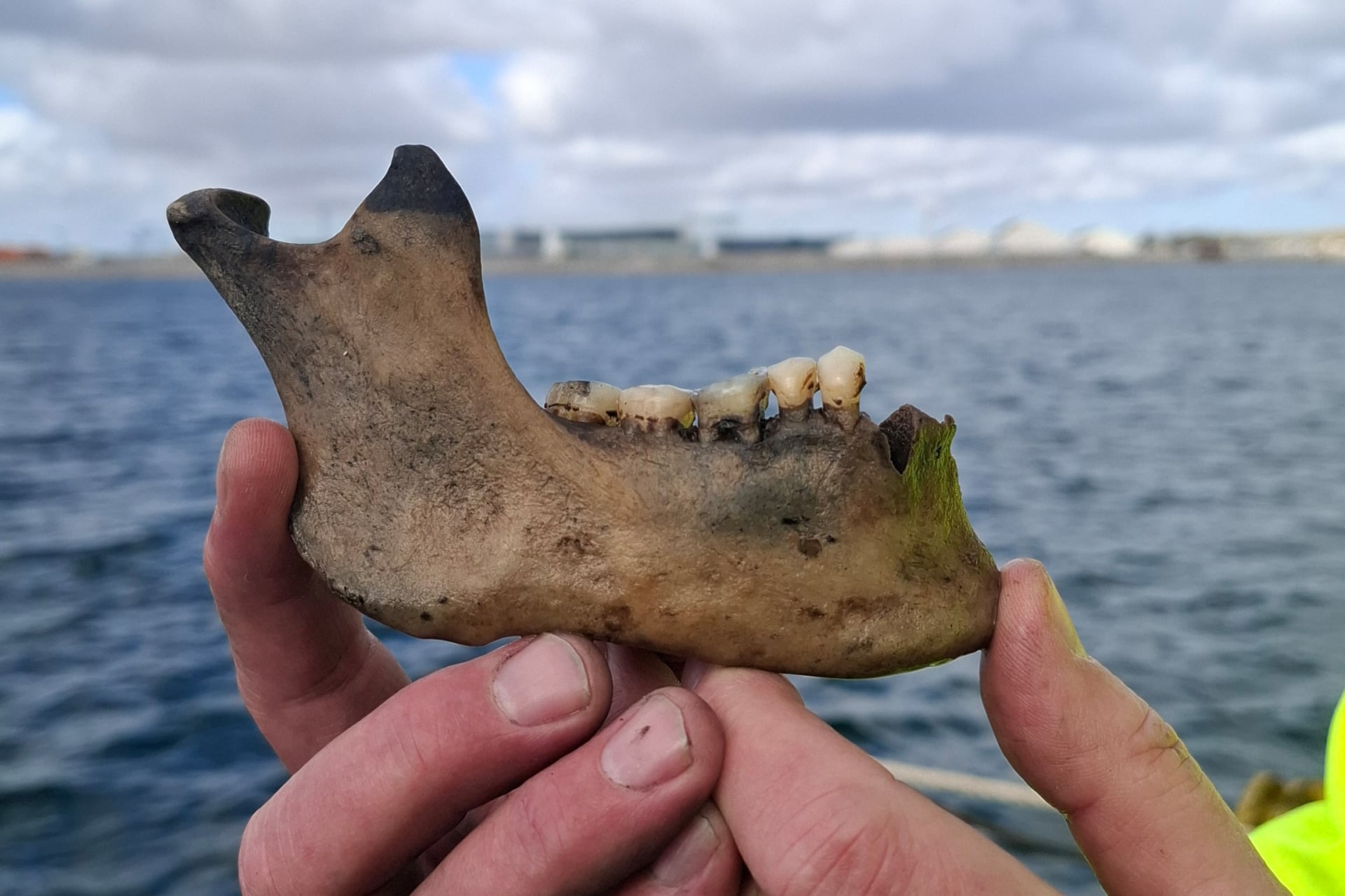
The shipwreck also preserved shoes, clothing fragments, clay pipes, and, most importantly, a jawbone that was undoubtedly human, among other bones. Historical records note that 19 of 357 men in Dannebroge’s crew went missing following the battle, so it makes sense that human remains would be there, the researchers said.
The ‘others’ of an iconic battle
One striking aspect of the findings is that most of the artifacts appear to belong to “common gunners” as opposed to navy officers. Most museum collections prefer to display prestigious objects, presumably belonging to higher-class individuals. The battle of Copenhagen is relatively well-documented, but far less is “written about the people who experienced—and died in—the brutal naval battle on 2 April 1801,” the team explained.
“Precisely because this is such a famous event, it requires an extra level of scrutiny,” Uldum said. “In that sense, what we find is probably more representative—socially speaking.”