On August 21, 2025, the Sun emitted what appeared to be a routine burst of radio-wave energy—the kind astronomers observe regularly and expect to fade within hours or days. But this signal refused to disappear. As scientists continued to track it, the burst stretched on far beyond anything previously recorded, ultimately becoming the longest-lasting solar radio burst ever observed.
A team of researchers analyzed the event using data from four different NASA missions, which all happened to observe the radio burst for a few days over three successive windows. The record-breaking radio burst lasted for a total of 19 days, beating the previous record of just five days.
The team’s findings, published in The Astrophysical Journal Letters, helped pinpoint the exact source of the radio burst and could aid scientists in better forecasting space weather.
Solar outburst
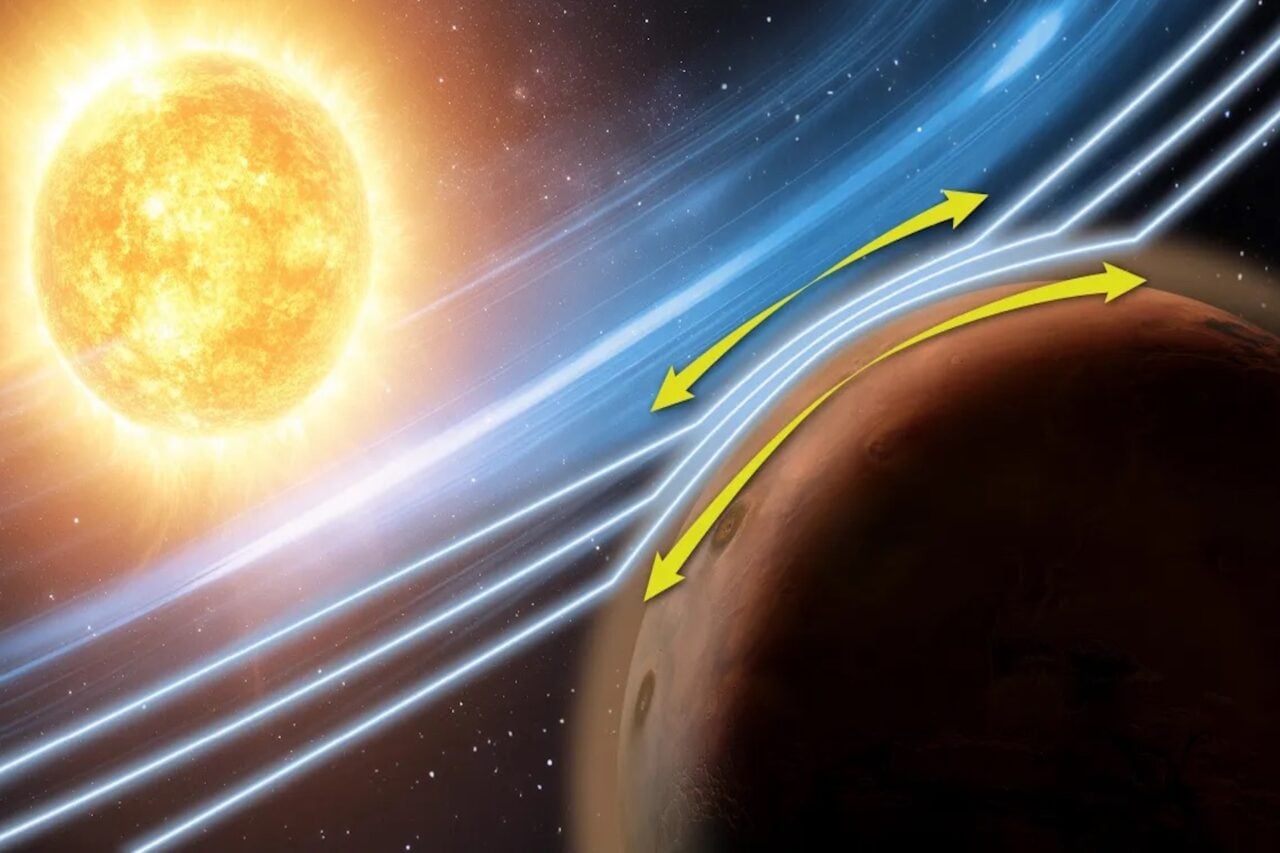
The Sun is colossal sphere of superheated plasma that’s constantly plagued by violent eruptions. Solar flares, or massive bursts of energy that erupt from the surface, accelerate tiny particles like electrons in the Sun’s atmosphere. As those electrons move through the Sun’s plasma, they send out intense radiation in the form of radio waves.
There are different types of solar radio bursts depending on their frequencies and duration. The record-breaking radio burst falls under the Type IV category, which tend to be prolonged emissions caused by electrons trapped in large magnetic loops in the Sun’s corona (the outermost layer of the atmosphere).
The event was first observed by Solar Orbiter, a Sun-observing probe jointly operated by the European Space Agency and NASA that captures the closest-ever images of our host star. Then, 12 days later, NASA’s Parker Solar Probe, a spacecraft designed to fly directly through the Sun’s outer atmosphere, and Wind, a satellite observing the stream of particles in solar wind, observed overlapping intervals of the radio burst. A day after on September 9, NASA’s STEREO-A, a mission studying the evolution of solar storms, was the last to observe the radio burst.
Radio chatter
The recently observed radio burst was highly unusual in that it lasted far longer than expected, suggesting that it likely originated from a persistent source of energetic electrons or magnetic activity in the Sun’s atmosphere.
The team behind the new study, led by scientists at NASA’s Goddard Space Flight Center in collaboration with international researchers, developed a new technique to identify the source behind the radio burst. The scientists used the data from the STEREO-A spacecraft as a tracker, which placed the source near a feature in the Sun’s atmosphere called a helmet streamer.
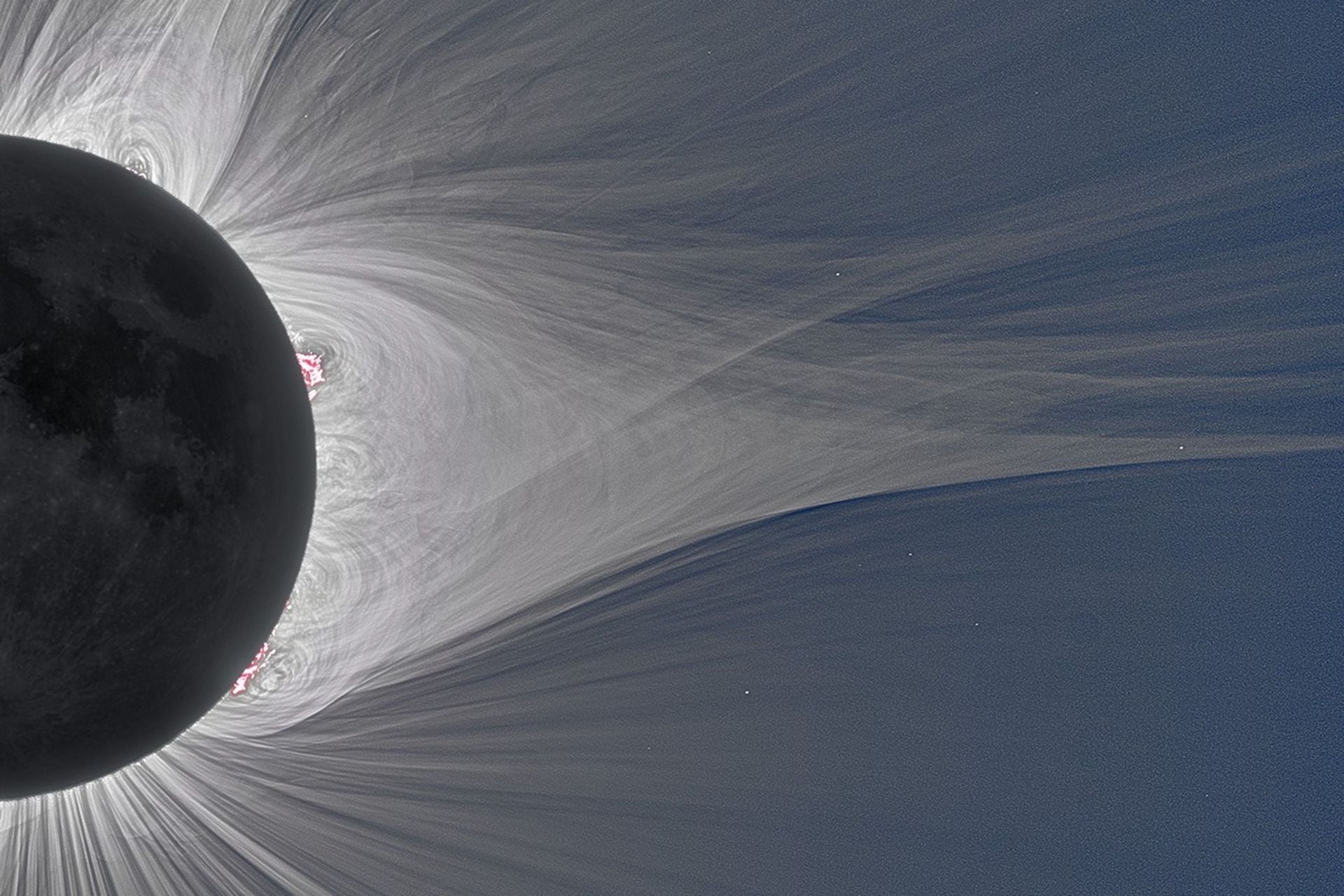
A helmet streamer is a funnel-shaped structure in the Sun’s corona. It forms when hot solar plasma becomes trapped along giant magnetic loops that extend outward from the Sun, with long stream-like tails flowing into space.
The scientists have a theory as to why this particular radio burst lasted for so long. They believe that a trio of explosive outbursts, called coronal mass ejections, within the same region may have fueled the record-breaking event.
While the radio waves themselves are harmless, the same magnetic environment that produced them can result in solar activity that could affect spacecraft and satellites. That’s why scientists keep a close watch on the Sun, hoping to better understand its outbursts so they can help protect our assets in Earth orbit.