Australia spent decades blissfully free from highly pathogenic H5 strains of bird flu, which have spread chaos (and occasionally killed human beings) across the world’s more interconnected continents. That is until this June, when five migratory seabirds, including three vulture-like giant petrels, tested positive for H5N1 along the Commonwealth nation’s southwestern coast.
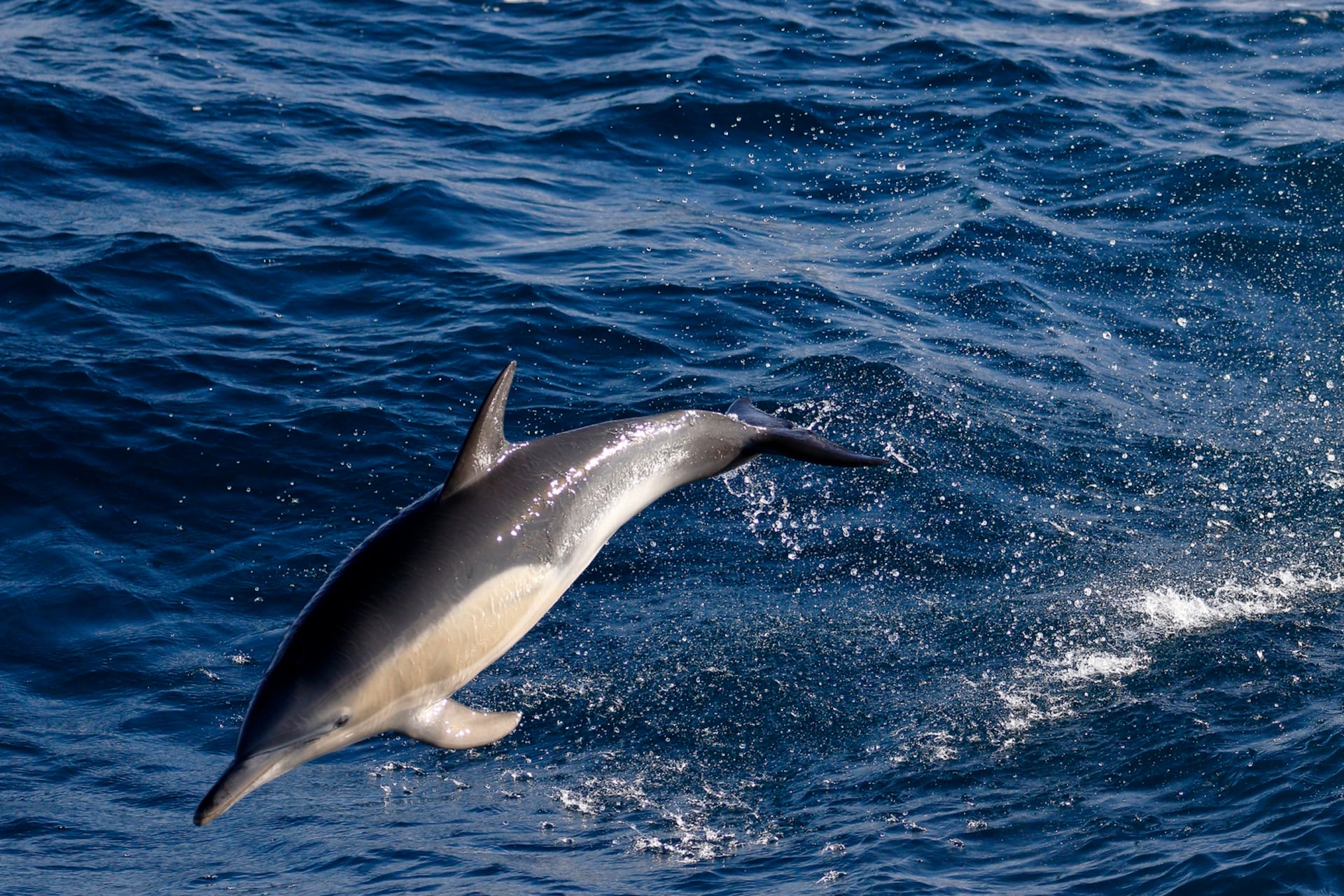
And now those birds are spreading avian influenza to Aussie mammals, infecting a red fox in an Adelaide suburb, killing a seal in Beachport, and—in a historic first down under—fatally infecting a dolphin, whose carcass was discovered in the port city of Goolwa just south of Adelaide. But marine conservation scientist Mike Bossley, once Greenpeace Australia’s first director, told the Australian Broadcasting Corporation (ABC) that what most troubled him was the speed with which this dolphin had contracted and died of the disease.
“To have one here so soon is very shocking for me and very worrying,” Bossley told ABC, adding that many dolphins’ feeding patterns can leave them especially vulnerable to bird flu.
“They follow the birds around because the birds can see the fish better than they can, from the air,” Bossley explained.
The day of the dolphin
A spokesperson for South Australia’s Department of Primary Industries and Regions described the discovery as “a new development in Australia” but added that there has been “evidence of dolphins and porpoises catching H5 bird flu overseas.” The department added that, while dolphins “would not commonly eat birds,” it is nevertheless “not unusual” for the two species to interact.
Speaking to reporters, the state of South Australia’s chief veterinary officer, Skye Fruean, noted that the dolphin had been discovered dead along a beach in Goolwa. Local news reported that a man taking his dog for a seaside morning run had been the first to call in the deceased cetacean.
“Lab analysis, including full post-mortem, is not yet complete,” Fruean cautioned. “However, we did find that it [the dolphin] had high levels of virus in the brain, which would be consistent with what we’d expect from a case of bird flu.”
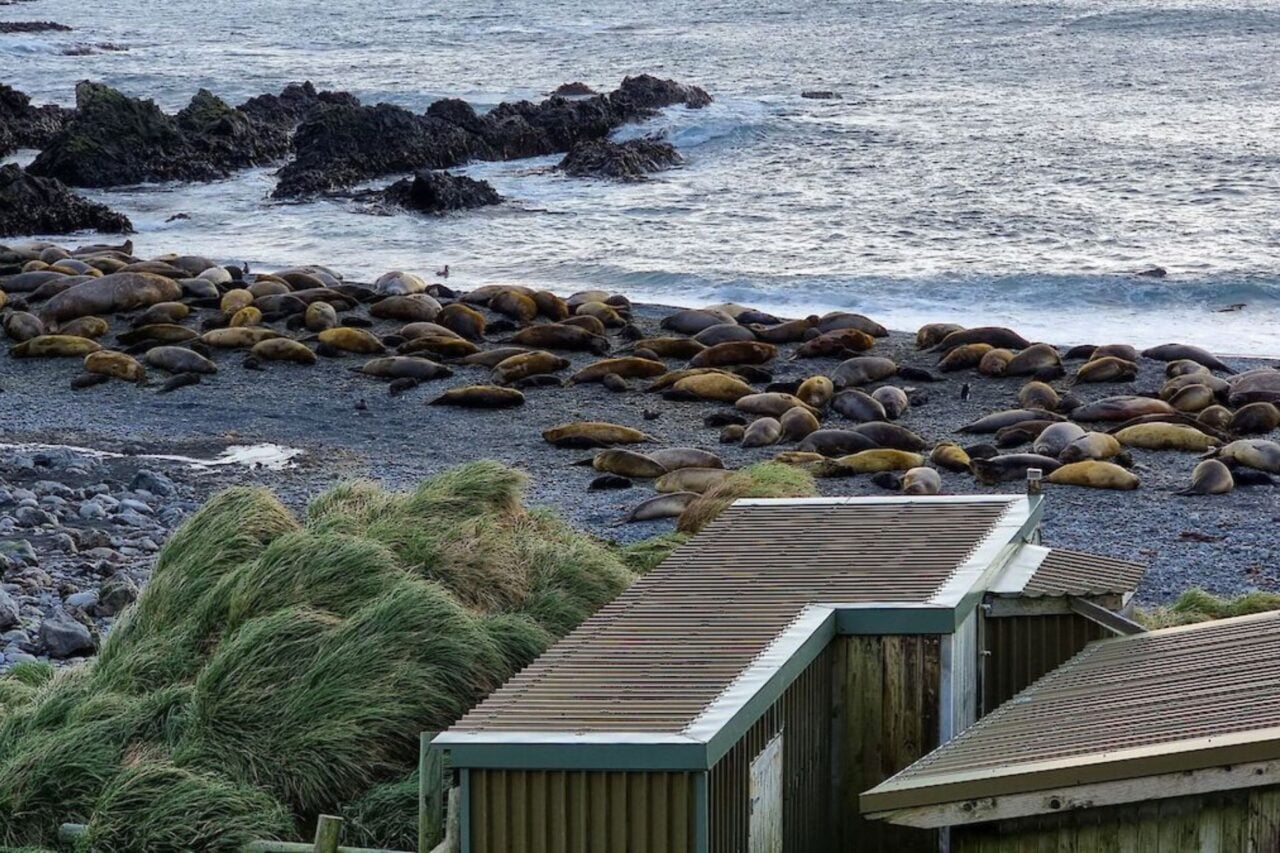
While Fruean said more dolphin deaths were possible, she added that she was more concerned about local seals and sea lion populations, which tend to herd together closely in coastal pods or colonies and thus could more easily fall victim to larger cases of multiple infections. Given these risks, the South Australia state government said it plans to shift duties for confirming H5 cases to local labs—a move it said was feasible now because of improved testing processes in the state.
The Birdcage
Fortunately, Australian government officials stated that there have thus far been no confirmed H5N1 cases within the nation’s poultry industry or among other livestock, which means the continent may yet avoid the kind of major outbreak that has disrupted food production elsewhere over the years. That said, there have been 413 confirmed H5 bird flu infections among wildlife in Australia in the short time since the disease was first discovered in seabirds this June.
While H5N1 can be transmitted from birds to humans, as well as (clearly) from bird to dolphin, there is no known evidence documenting person-to-person infections, according to Australia’s Department of Agriculture, Fisheries and Forestry.
So, as Australian Chief Veterinary Officer Beth Cookson reiterated on Friday, “The risk to human health remains low.”