The power brokers
behind film and TV are only now just barely beginning to maybe understand the
value of diverse writers’ rooms, and the importance of having people behind the
screen who reflect the identities being explored on screen. Which makes Cheo Hodari
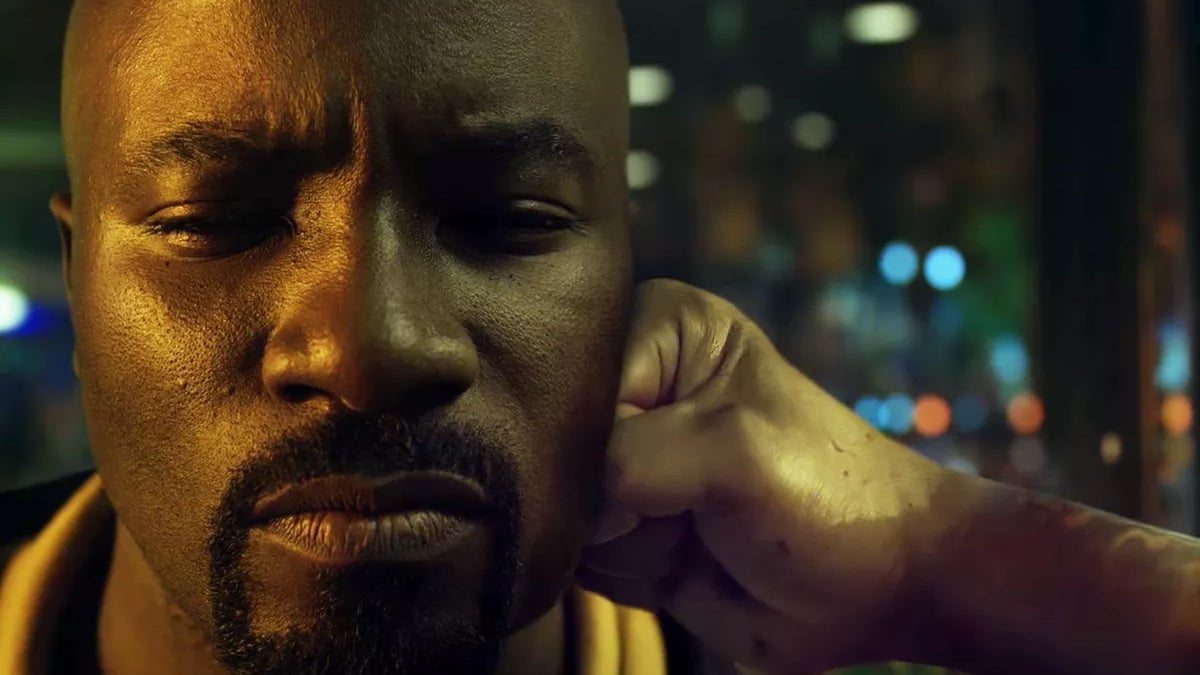
Coker’s accomplishments as the showrunner of Luke
Cage significant. Not only did he make a great show, but he created it
with the help of an inclusive, majority non-white writers’ room.
Talking to Syfy
Wire ahead of AfroComicCon 2020, Coker talked about that experience and the
values and insights that shaped it.
“As a
showrunner, I set the tone,” Coker said. “Either you’re serious about
having diversity or you’re not. Marvel was serious about the diversity. So to
me, it wasn’t about having the best Black writers. It was about having the best
writers who could also understand the culture.”
That led to Coker
building a writers’ room that was majority Black, with an emphasis on openness
and helping people flourish—embracing all parts of themselves. As he put it,
“For me, culture rules, and if you’re able to build an environment where people
can flourish then you’re not really as concerned about having Black writers.
Even if you have Black writers, you don’t want a room where white culture is
the main paradigm. For Luke Cage, it was
about having geeks who could explore their Blackness, without having to check
their geek sides or their Black sides at the door. For a lot of us, it was the
first room that was majority Black and majority geek.”
The opportunity to
create such a room, Coker said, was one that came with a significant amount of
challenge, and motivated him to give young writers of color something he
struggled to get: the benefit of the doubt.
https://gizmodo.com/the-conflicted-legacy-of-the-marvel-netflix-experiment-1835818124
“I’m an every
Wednesday kind of superhero geek, but before Luke Cage, anytime there was a big
superhero writing opportunity, I’d ask my business manager to put me up for it,
and what I would always get asked is, ‘Do you have any superhero-like samples?’”
Coker said. “My thing is, where was the part when Timothy Hutton climbed
walls in Ordinary People? Because Alvin Sargent wrote the best Spider-Man
movie, but I didn’t see anything in Ordinary People [which Sargent also wrote]
that told me that this was the guy to write Spider-Man. They’re giving him the
benefit of doubt that he’s right or passionate about the subject, and they’re
going to let him try. That’s what any African American writer wants.”
So he gave that
benefit of the doubt to some of his writers, like Matt Owens, who was a
writer’s assistant on Almost Human and
joined the room for Luke Cage. For
Coker, that was essential: to pass on opportunities and give creators an
opportunity to shine.
Over three seasons
of Luke Cage, that’s an approach that
produced strong results. For more, check out the whole interview with Syfy
Wire.
For more, make sure you’re following us on our Instagram @io9dotcom.