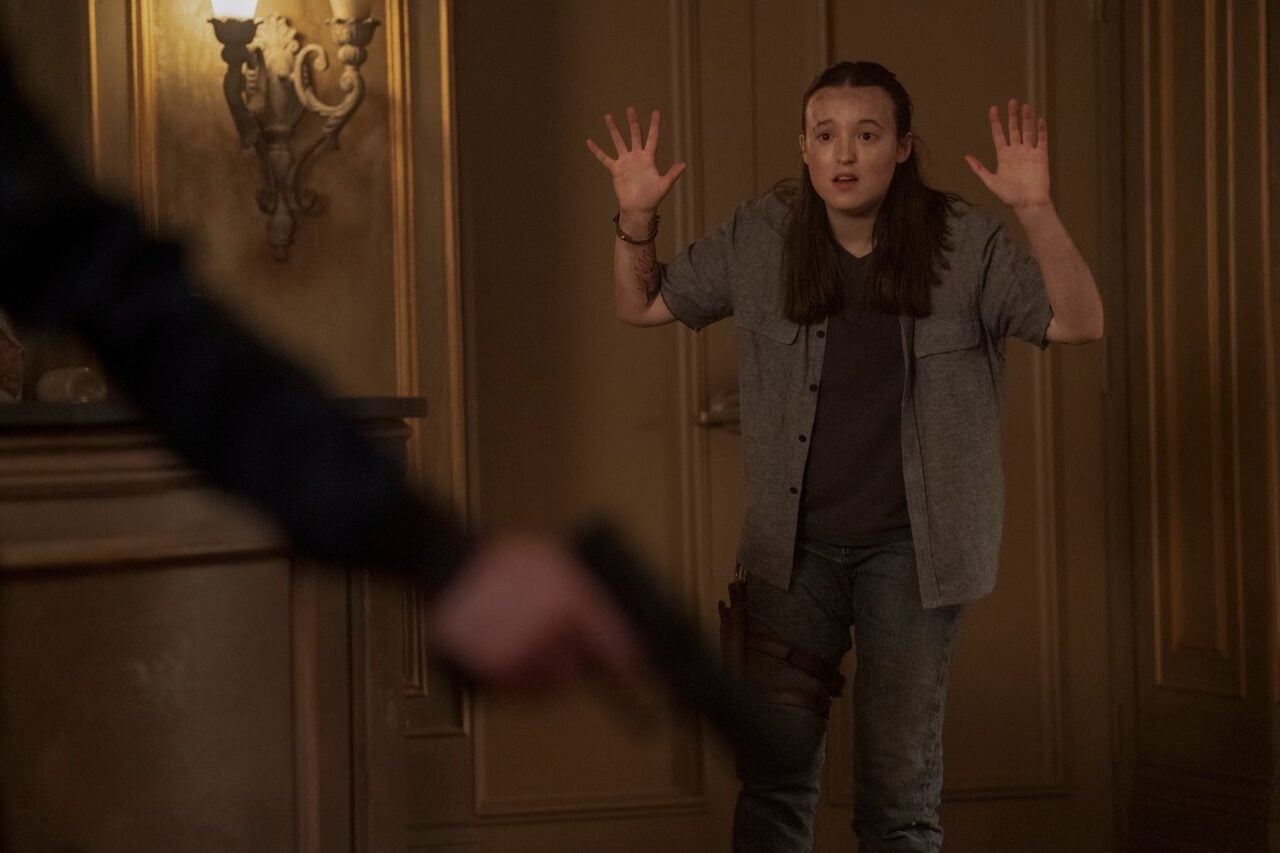
We’ve just reached the halfway mark for House of the Dragon season three, and it’s starting to feel like the show is scrambling to get the pieces in place for its fourth and final season. That would appear to include nudging certain storylines back on track after earlier deviations from George R.R. Martin’s source material, though we can’t be certain what lies ahead after this week’s “Tumbleton.”

However, if you watched episode four, no doubt you noticed certain things. Like Alicent realizing that her daughter, Helaena, is pregnant. It’s a quick scene, but she looks far enough along that her brother/husband, Aegon, could certainly be the father. And that means a previously absent character could be entering the narrative soon, just a little behind schedule.
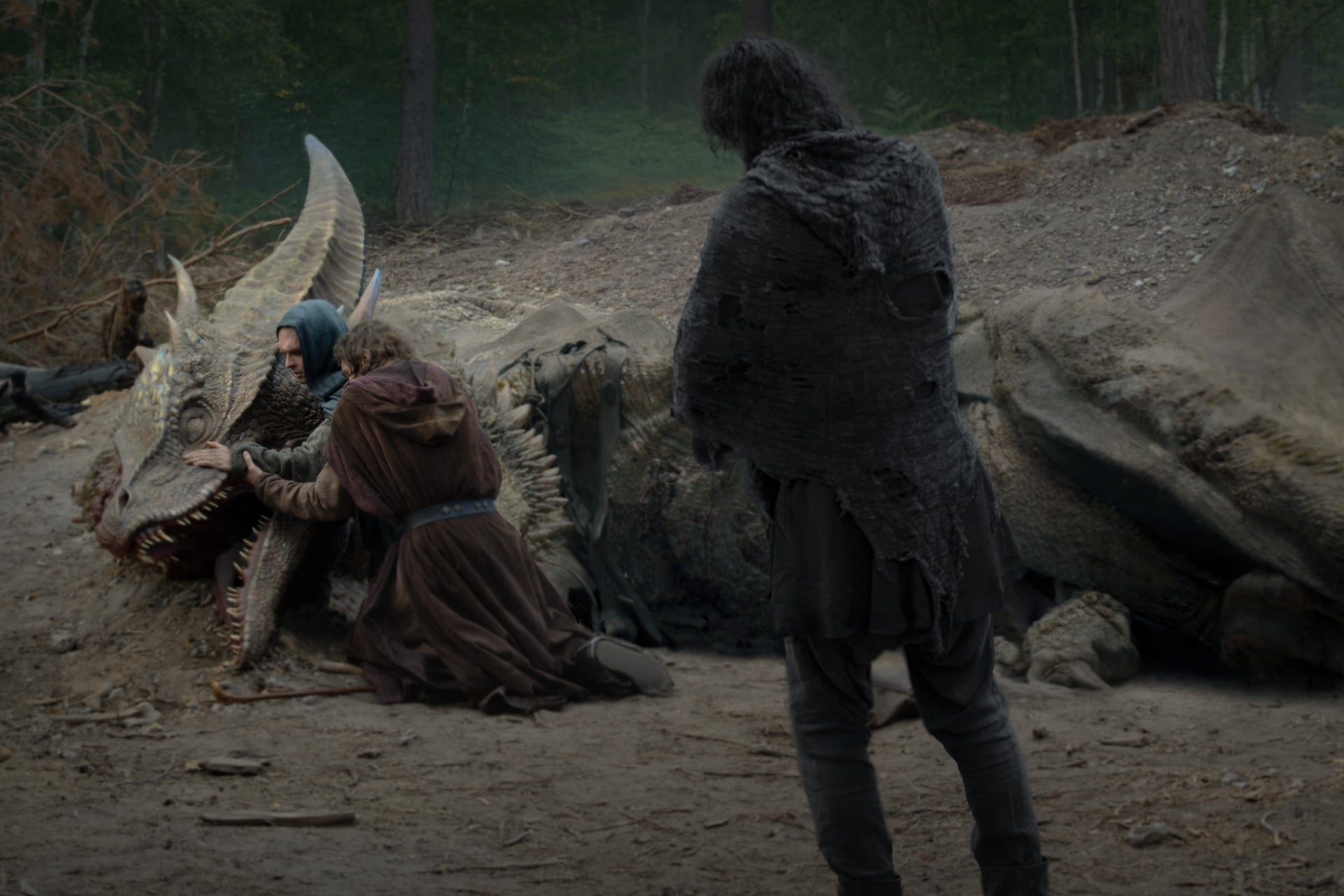
You also no doubt clocked that reunion between Aegon and his dragon, Sunfyre, who was assumed to have died in the same Rook’s Rest battle back in season two that Aegon himself barely survived. On screen, Sunfyre does look awfully lifeless, but Aegon insists he’s alive.
We’re not here to spoil details for people unfamiliar with Fire & Blood’s generations of Targaryen lore. But both moments feel carefully planted in “Tumbleton” so that House of the Dragon will have cause to pick them up again as the Dance of the Dragons nears its conclusion.
Maybe that was the plan all along. Maybe Martin’s outspoken criticism of the way season two handled the “Blood and Cheese” situation, which ties directly into the Aegon-Helaena family unit, was premature. Maybe House of the Dragon showrunner Ryan Condal threw that in as sort of a misdirection, along with making us believe Sunfyre perished on the battlefield.
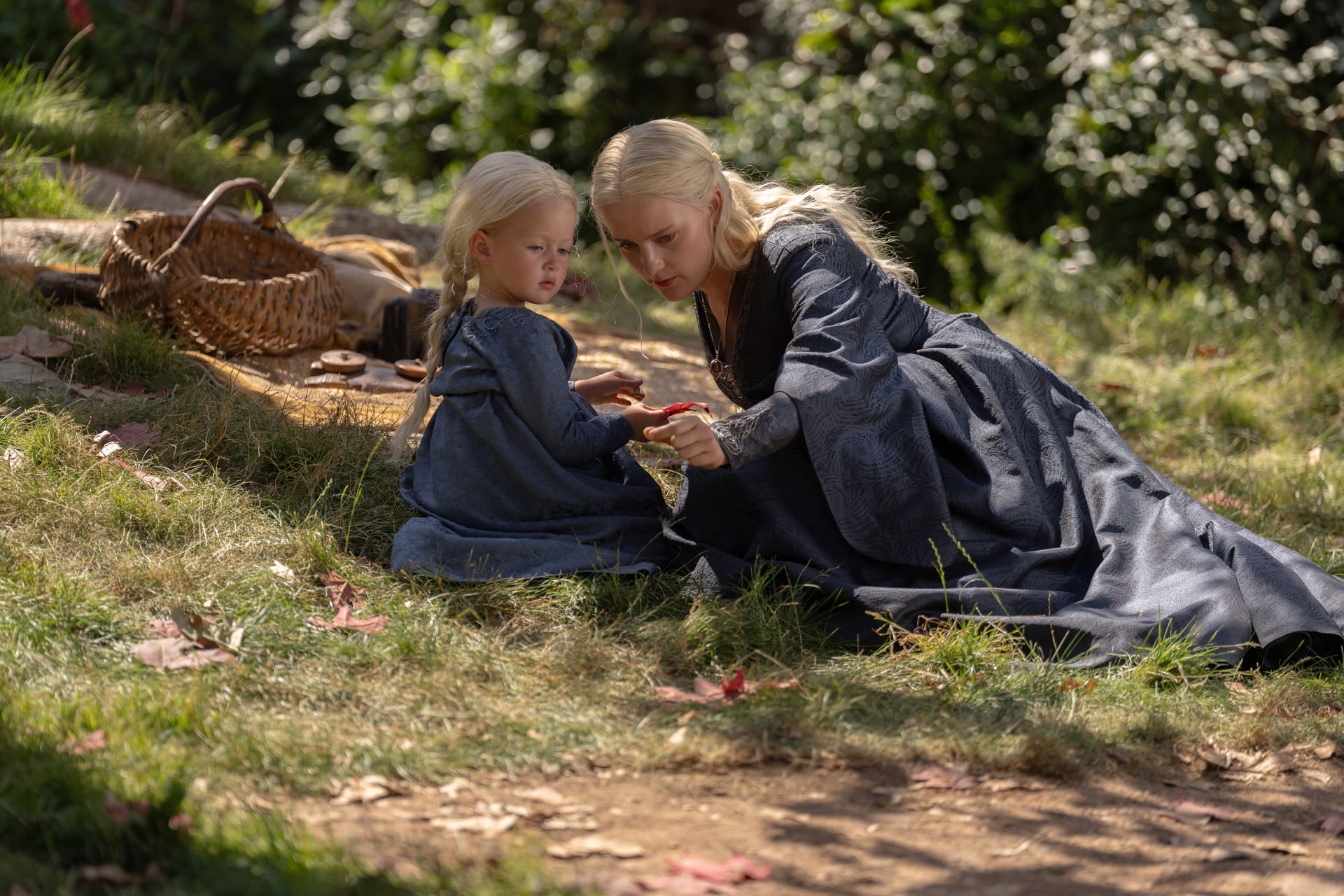
And you can’t fault House of the Dragon for taking some narrative liberties. It’s adapted from a book styled as a history reference, rather than a traditional novel in the vein of A Game of Thrones. Some characters have been folded into others; currently, we’re seeing that with Daemon’s youngest daughter, Rhaena, whose Sheepstealer storyline comes from a different character in Fire & Blood who’s not in House of the Dragon.
There are simply too many characters, settings, and details to include from Martin’s 750-page book, even in a show with hour-plus episodes. Also, it’s understandable that Condal and company would want to shake things up a little, maximizing narrative tension while also sprinkling in some surprises for book readers.
The showrunner has said as much in interviews. Last year, when speaking about Martin’s open criticism of changes made to the source material in House of the Dragon season two, Condal defended the choices the show has made. “[Fire & Blood is] this incomplete history, and it requires a lot of joining of the dots and a lot of invention as you go along the way,” Condal said; in that same interview, he said he found the negativity “disappointing,” especially since he “made every effort to include George in the adaptation process.”
House of the Dragon cast member Clinton Liberty, who plays Addam of Hull, talked about the adaptation process from his point of view at a recent House of the Dragon press day attended by io9 and other outlets.
“Ryan Condal and [writer and executive producer] Sara Hess know the book inside out. They know what to twist and turn for TV that’ll catch fans off guard, both people who have read the book and people who haven’t read the book,” he explained. “So you’re always kind of on your toes because you don’t know what’s going to quite be in alignment with the book and what’s a different take for the show that makes us different and establishes our own independence.”
Catching people off guard is great. However, as House of the Dragon’s third season continues, alignment is seemingly becoming more important. For instance, ahem, in order for certain things to happen to certain characters, certain dragons need to not be rotting in a forest.
This wouldn’t be nearly as urgent if Game of Thrones, already well-established across books and HBO’s TV series, didn’t take place after House of the Dragon. But it does, and it references those same events from Westeros history. If you want the two shows to be part of the same whole, you have to make sure they line up correctly; otherwise, you risk the kind of continuity issues that will transform fans into approximations of the Mad King.
Speaking of things that make fans want to burn down entire dynasties, it’s still remarkable how little Martin has said over the years about the final seasons of Game of Thrones. Famously, the show overtook the plot of the books and ended with some disappointing choices. Perhaps even more famously, Martin is still toiling on the next A Song of Ice and Fire book, The Winds of Winter, seven years after the Game of Thrones finale. Maybe in the case of any Game of Thrones gripes, he decided he’d just let his writing do the talking whenever the book sees the light of day.
However, there’s a third Westeros series in the mix now, and Martin hasn’t been shy about singing its praises. The first season of A Knight of the Seven Kingdoms triumphed for many reasons, but out of the gate, it had a huge advantage over the other two shows: it’s based on a short story. A blessedly manageable, self-contained short story.
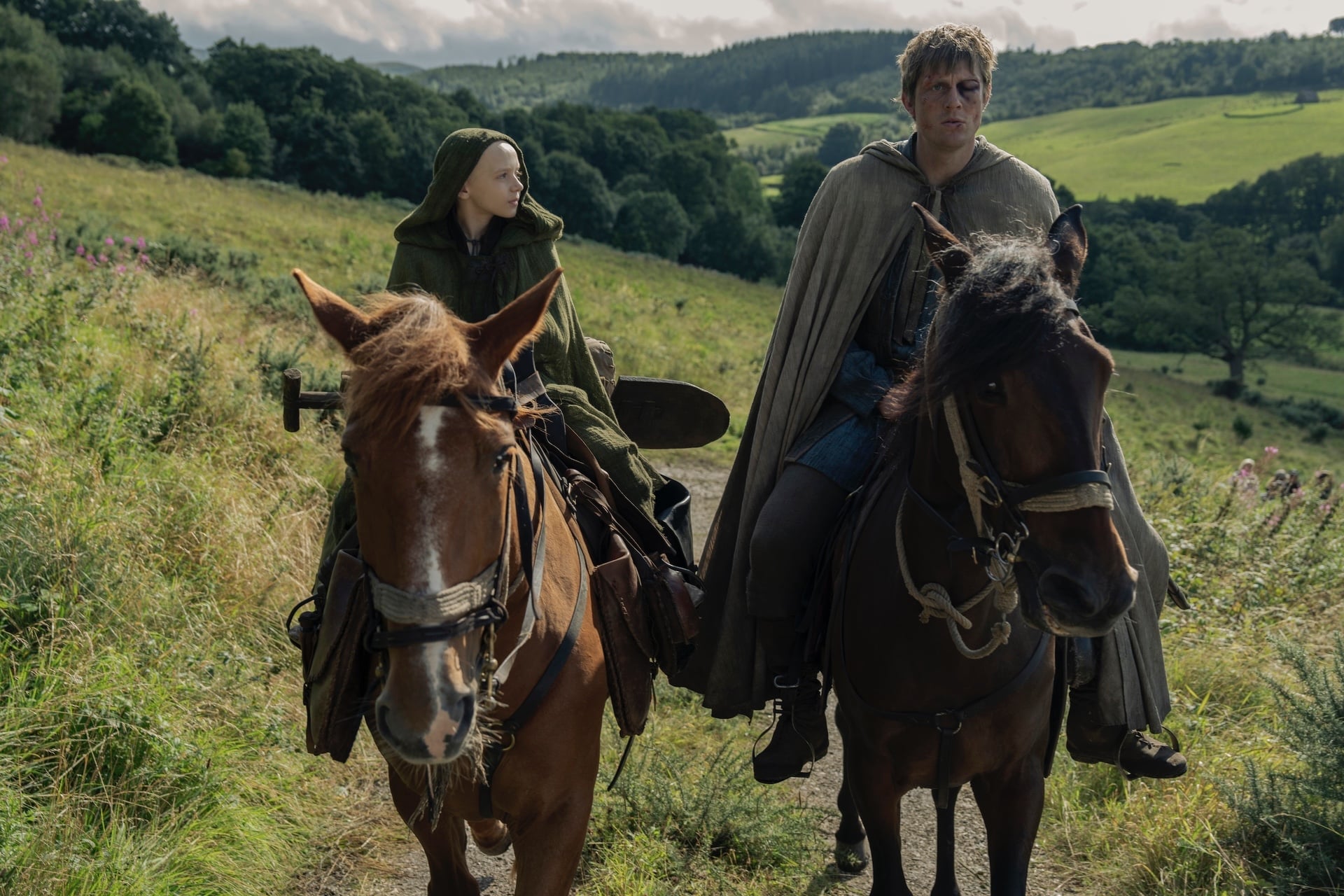
The issues woven into trying to tackle a history encyclopedia or a sprawling book series told from many different perspectives are not on the table here. There’s one protagonist, awkward hedge knight Ser Duncan the Tall, solving perilous problems and figuring out his place in the world in a single setting. The perspective is relatable and fresh; the episodes are shorter and (somewhat) more lighthearted; and at no point does “Will I sit the Iron Throne?” enter Dunk’s thought process. He’s more of a “Will I survive tomorrow?” and “How can I talk to that girl I like?” kind of guy.
Not for nothing, A Knight of the Seven Kingdoms showrunner Ira Parker’s description of his own collaboration with Martin sounds like a blast. You can feel that energy in the ways A Knight of the Seven Kingdom diverges from “The Hedge Knight,” which it does very carefully: the beginning and end points are roughly the same, but certain characters and situations are fleshed out in organic, authentic-feeling ways that allow the short story to extend across six episodes.
And while there’s a small twist in the finale, it makes the story stronger (and funnier) by hinting that we might get to see some of the characters from season one—who don’t appear down the line in Martin’s original Tales of Dunk and Egg stories—pop up again in A Knight of the Seven Kingdoms.
If that happens—if, say, our pal Ser Lyonel “the Laughing Storm” Baratheon should happen to stop by, pretty please—it won’t cause a continuity crisis like a major change in House of the Dragon might. Though it’s part of the Westeros mythology, A Knight of the Seven Kingdoms is standalone in a way that makes it less burdened with the weight of expectations. That’s something many of House of the Dragon’s Targaryens would surely love to shed if they could.
House of the Dragon episodes arrive Sundays on HBO. A Knight of the Seven Kingdoms season two is due in 2027, also on HBO.
Want more io9 news? Check out the best movies and TV shows to stream this month and all the upcoming sci-fi, fantasy, and horror books that should be on your radar.