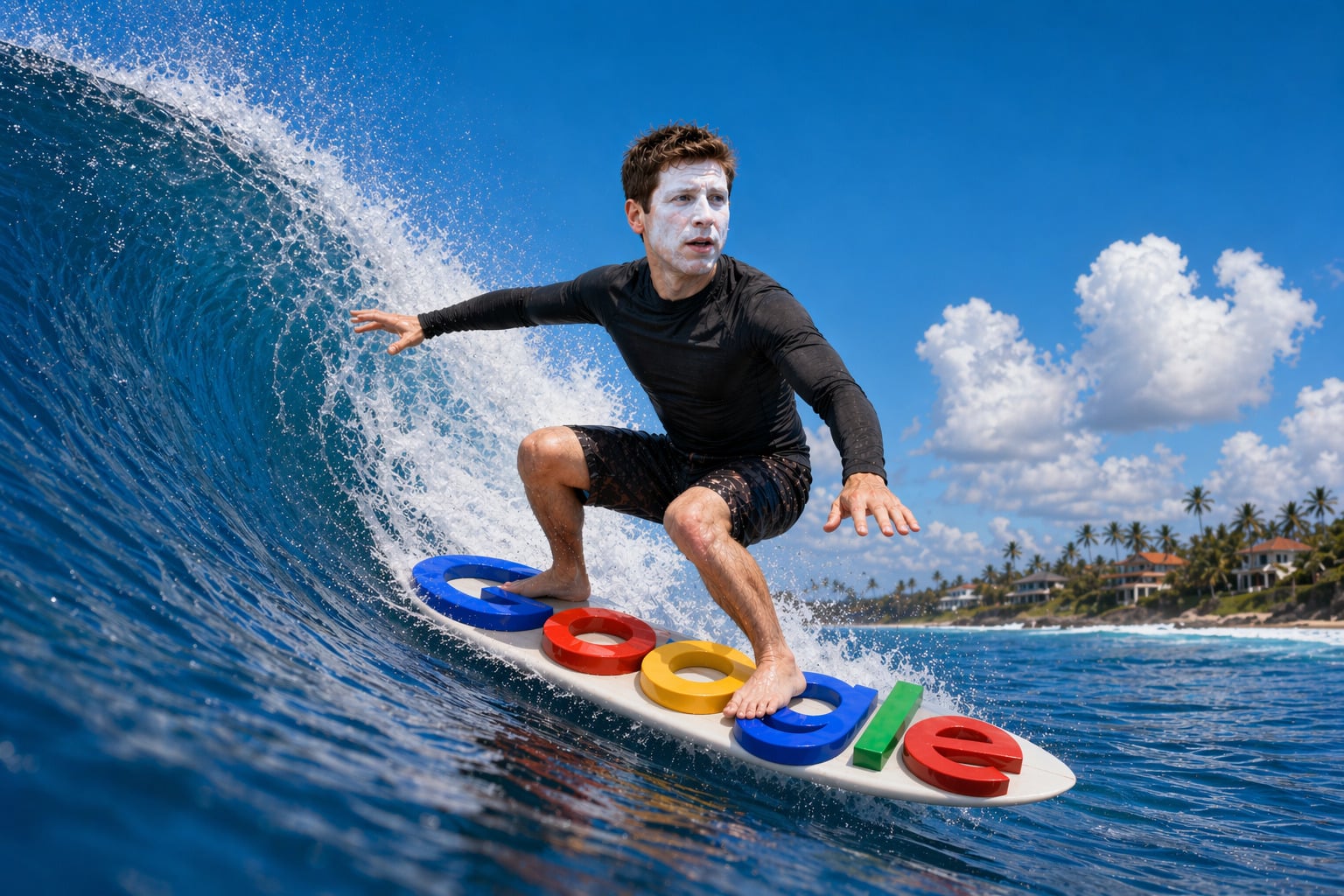
OpenAI just unveiled a brand new image generator that it claims can churn out smarter and more precise slop than ever before.
ChatGPT Images 2.0 is going to be a “renaissance” in AI image generation, according to an introductory promo ad that ran before OpenAI’s livestream on Tuesday announcing the news.
“If we think of Dall-e as cave drawings, and Images 1.0 as ancient art, then Images 2.0 is the Renaissance,” the ad claims.
“Images 2.0 is a huge step forward; this is like going from GPT-3 to GPT-5 all at once,” CEO Sam Altman said in the livestream.
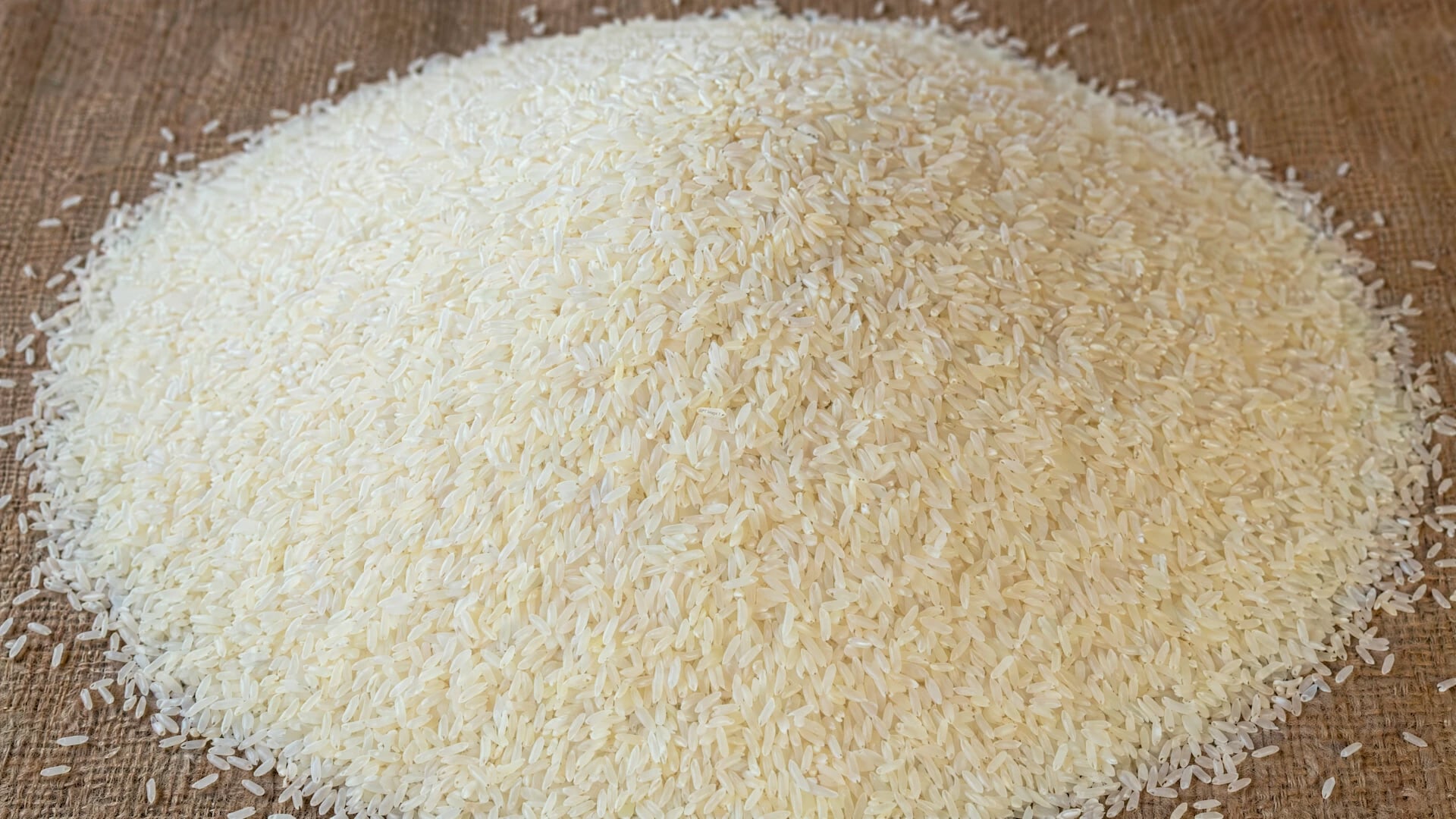
The company boasts new multilingual capabilities, better visual intelligence, and closer attention to detail with the new model, showcasing a prompt that generated an image of a bowl of rice in which only a single tiny grain has the name of the model on it.
The model has two modes: instant and thinking. The researchers claimed both modes of the model are significantly better than previous image generation capabilities in ChatGPT, and that typos are “very rare.”
The instant mode is just a faster and revamped version of a typical image generator, it seems, and is available now to all ChatGPT and API users. The Thinking mode is more complex and only available to paid users, specifically subscribers to Plus, Pro, and Business.
“When a thinking model is selected in ChatGPT, Images 2.0 can search the web for real-time information, create multiple distinct images from one prompt, and double-check its own outputs,” OpenAI announced in a press release generated by Images 2.0 and made to look like a retro magazine spread.
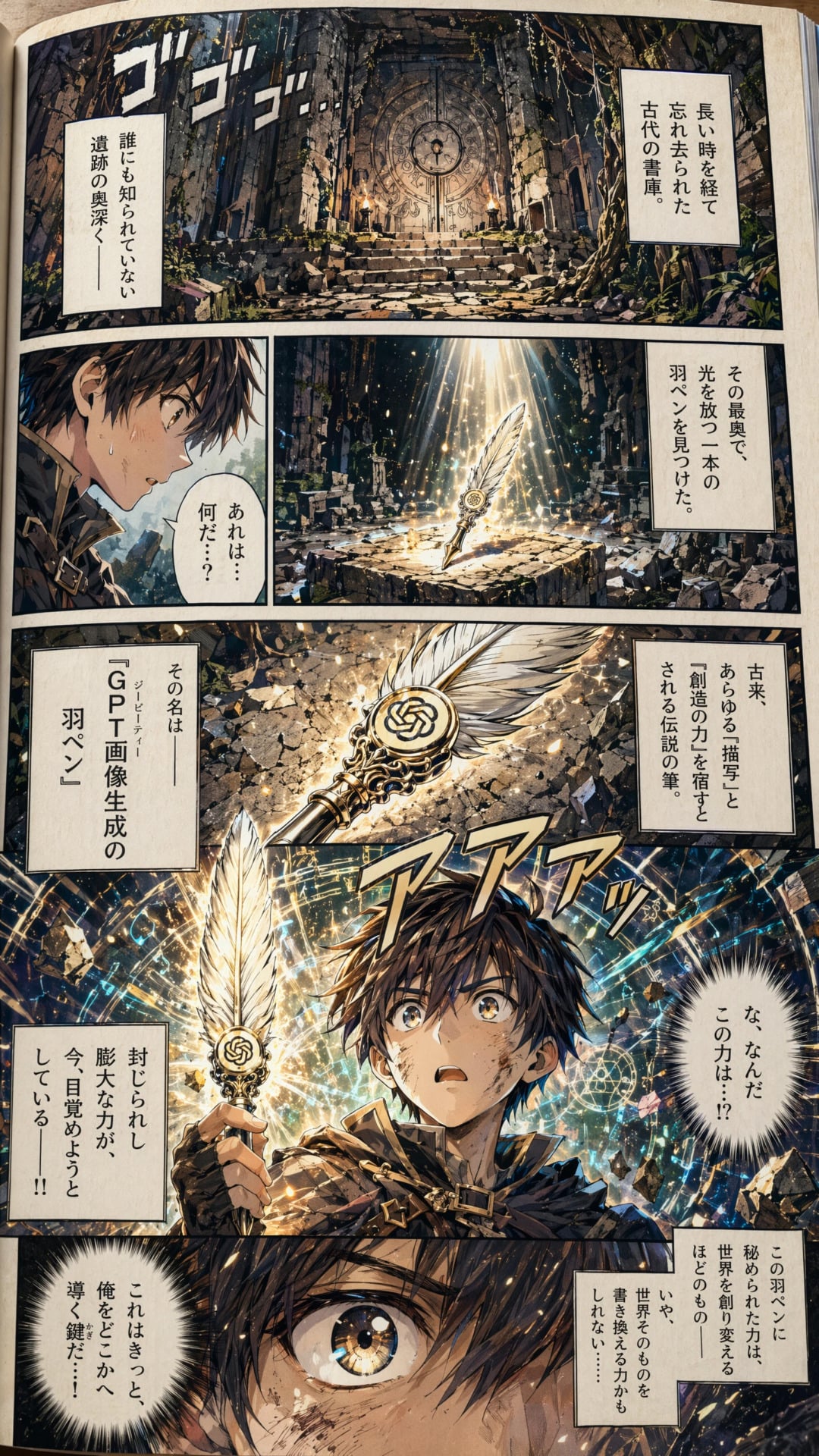
For example, Thinking mode can generate several pages of a manga comic “with recurring characters and evolving storylines” or entire magazine pages from a single simple prompt, the company said.
Online sleuths were expecting this release for some time now. The model was dubbed “GPT-image-2” by enthusiasts on Reddit and X. Earlier this month, a Reddit user claimed OpenAI was testing the model with some ChatGPT users. Around the same time, one X user claimed that the model was already on third-party testing platforms like Arena AI under different code names like “maskingtape-alpha,” “gaffertape-alpha,” and “packingtape-alpha.” On the livestream, OpenAI engineers confirmed that this was true. The X post that pointed it out includes pictures that the model allegedly produced, which mostly seem impressive, except for a world map with made-up countries like “Ciger” and “Mharee,” and completely messed-up placement of capital cities, like locating the Kenyan capital of Nairobi in Saudi Arabia.
OpenAI is preparing for an alleged IPO that is expected as early as this year. Ahead of that IPO, the company, which is still allegedly far from profitability despite mounting spending commitments, has been in the midst of a major effort to make its financials look as desirable as possible to potential investors. That has included shifting into a for-profit public benefit corporation and scrapping its video generator Sora to cut down on costs.
If the new image generator model can capture the online success that the previous GPT-4o image generation grabbed with the “Studio Ghibli” craze a little over a year ago, it can help ChatGPT bump up its weekly active user numbers, another important point of consideration for investors. OpenAI announced in February that ChatGPT had breached 900 million weekly active users, and Images 2.0 could assist those numbers to reach the arbitrary but much more impressive-sounding 1 billion.
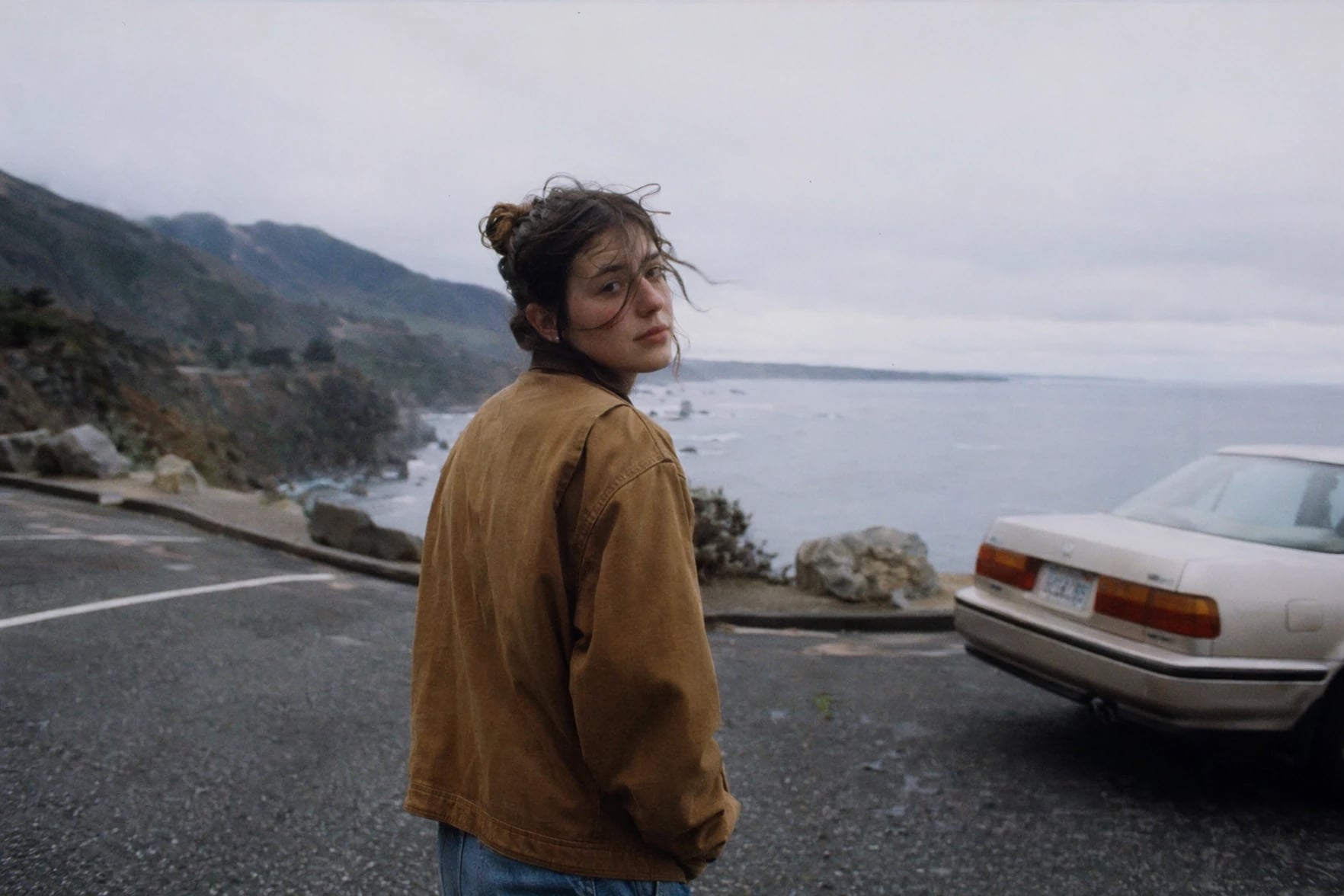
This time around, it seems the viral moment they are hoping for is photorealism. When asked by Altman in the livestream, OpenAI researcher Gabriel Goh said that photorealism is the style he is most excited about in the model and that it “triggers something very interesting.”
Another battle OpenAI has to fight is over its reputation.
OpenAI began the AI craze with the release of ChatGPT, a chatbot that has become not only a household name but also almost synonymous with the technology. But the company’s long-standing position as the leader of the AI race has started to face some serious competition.
One of those blows came from OpenAI’s chief rival, Anthropic, whose agentic models like Claude Cowork and Claude Code have been making OpenAI sweat. In response, OpenAI has been trying to fortify its rival offerings like Codex with updates.
The other strike landed from Google. Late last year, the tech giant updated its viral image generator Nano Banana Pro and released Gemini 3, both to significant fanfare. Promptly following the stellar reception of Google’s releases, OpenAI declared “code red” at the company.
The competition that OpenAI faces from both Google and Anthropic is so great that even Nvidia’s CEO Jensen Huang, a key partner, is worried about OpenAI’s market dominance, according to a Wall Street Journal report from earlier this year. If the image generator is successful, that might help quell some of those fears.