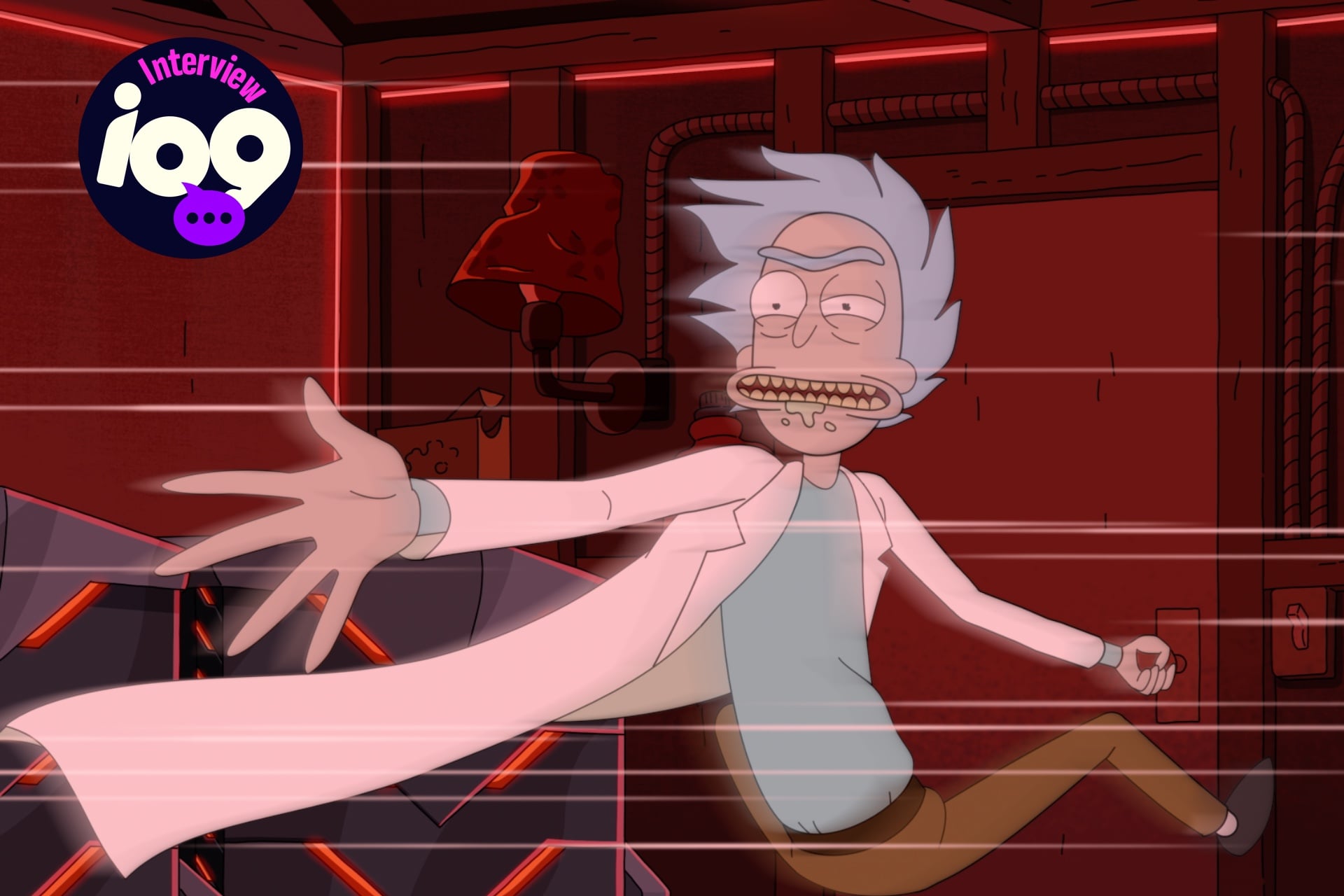
Rick and Morty season nine is here to inject some much-needed interdimensional mayhem into our dreary reality. The first episode arrived Sunday on Adult Swim, and io9 got a chance to talk about the season premiere as well as the season as a whole with showrunner/executive producer Scott Marder and executive producer Dan Harmon.
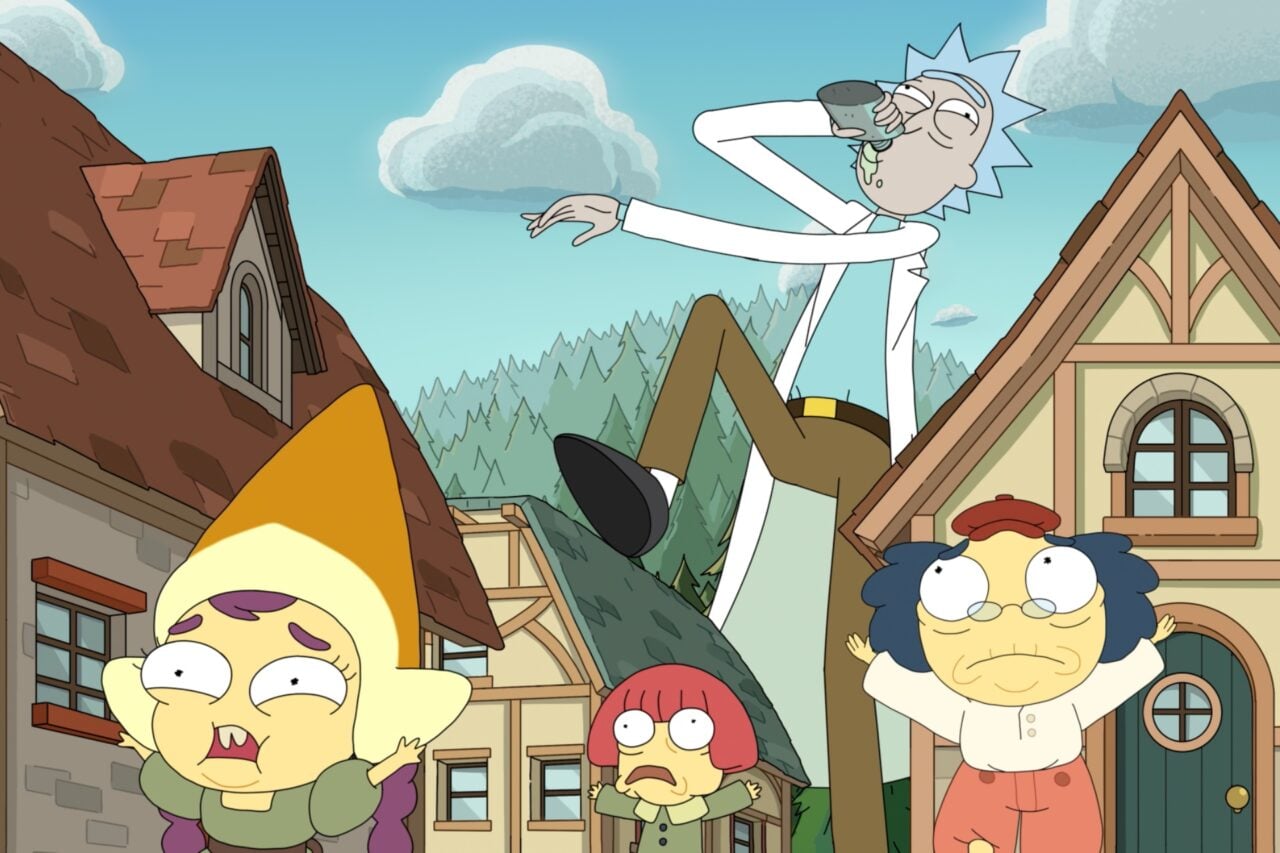
Cheryl Eddy, io9: This is probably Rick’s drunkest season ever. What is driving this latest slide into self-destruction, and why did you lean so hard into that in season nine?
Scott Marder: It wasn’t like the orders out of the gate when the season began. A few cool episodes started materializing that just had such a nice organic showcase on them […] that had nice organic ways that kind of weave through the alcohol. It’s a big part of his life. It’s in the background of everything. We don’t usually put a spotlight on it. We weren’t trying to get up on a soapbox with it, but it’s something that the whole family deals with. So it ended up becoming like a nice cohesive arc that kind of tied a lot of the season together.
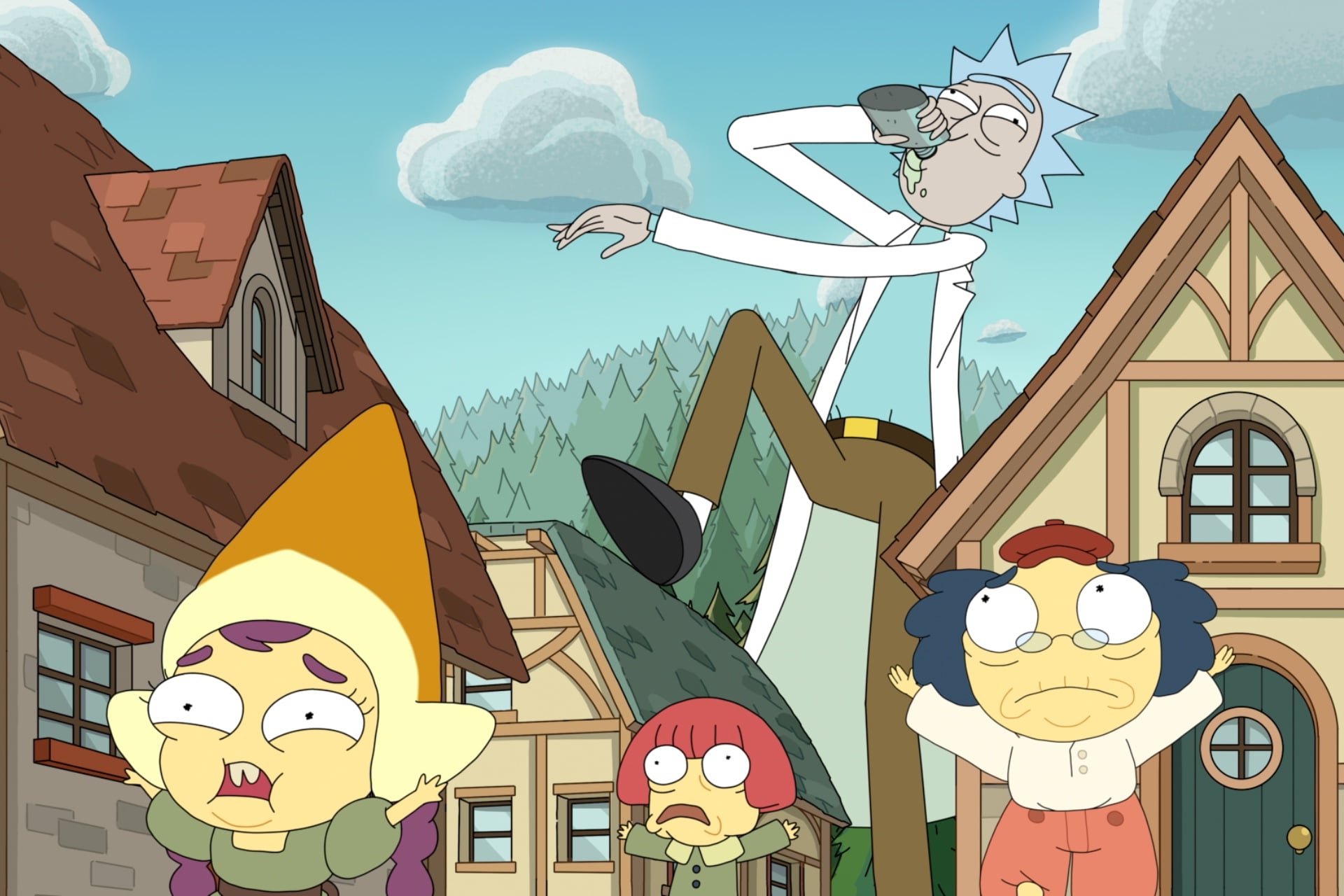
io9: You just alluded to this, but in every season of Rick and Morty, we meet Rick variants; season nine really emphasizes that Rick’s greatest enemy is Rick himself. He’s always fighting himself. Is that an existential/identity crisis he will ever be able to solve, or is that the point?
Dan Harmon: I think it is a thematic thing to the show that’ll never go away. It’s both an expression of the human condition [and something] that intersects with TV production engineering.
From the get-go, season one, I was always of the opinion—having learned this on Community on NBC—I was always like, “Let’s not get bogged down with plot.” Let’s not tell stories based on whether or not Batman and Robin can get off of this conveyor belt before the saw blade. It’s like Doctor Who’s always losing his sonic screwdriver but then getting it back. Spider-Man runs out of web fluid. I was just like, “It’s gonna get tired.” Let’s just assume this guy can do anything.
And in anticipation of that being a shark jump, let’s always just make sure that the emotional mechanics are consistent and then it won’t matter. I think that that also then necessitates and allows for, well, who’s this guy’s Moriarty gonna be if it’s not himself?
But unlike the Fonz, you know, if you want to come up with an enemy for the Fonz, you’re going to have to create an anti-Fonz, and it’s going to get kind of corny and silly. Like, “Robo Fonz is here.” And it’s like, “Okay, I beat Robo Fonz. So now I’m safe.” It’s like it’s much more accurate to real life to go, like, the Fonz has problems, man. And they’re going to follow him until he gets his shit together.
Marder: The Fonz’s enemy is canonically a jukebox.
Harmon: [Laughs] True! It’s the only thing that stands up to him.
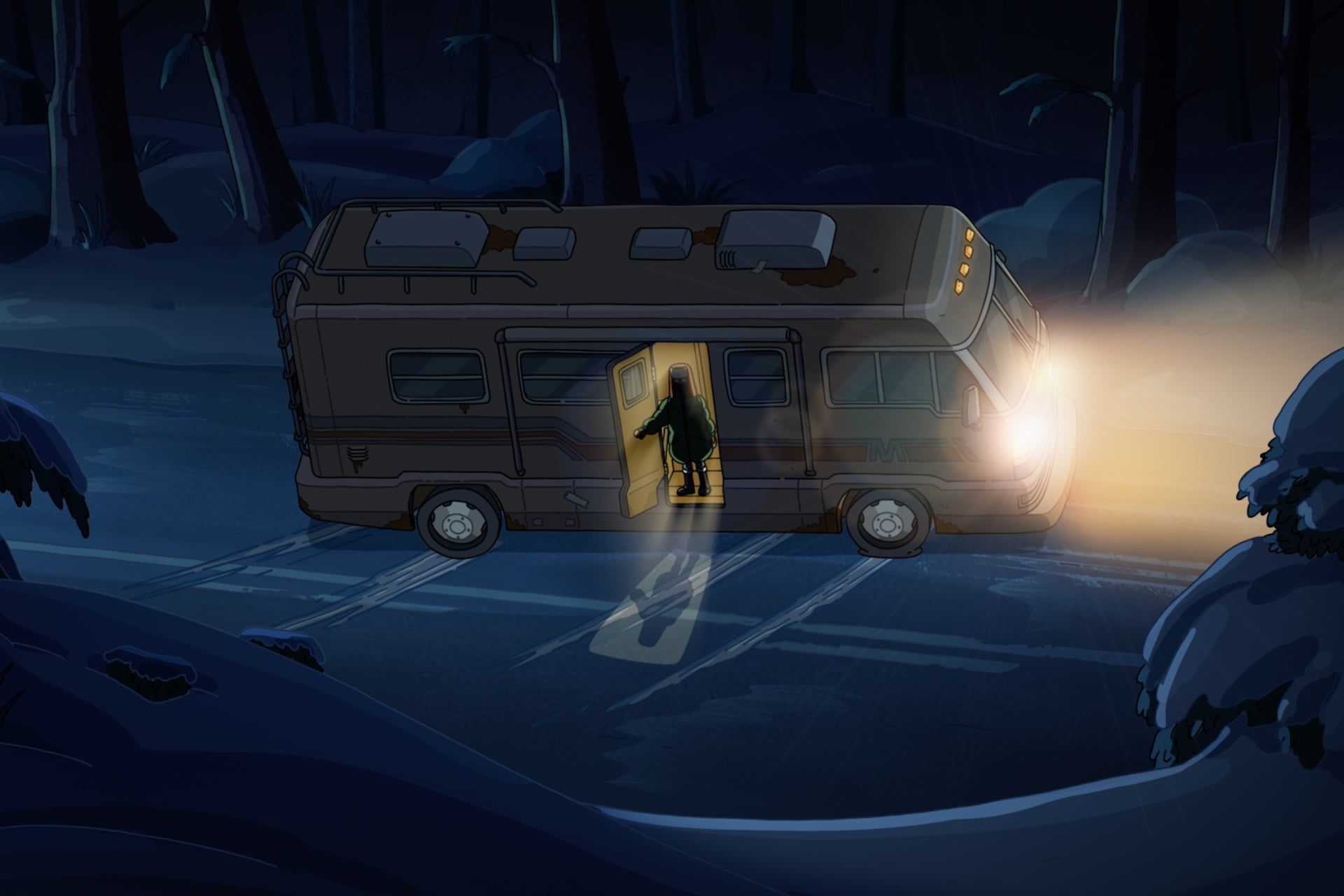
(In case you haven’t watched the season nine premiere, “There’s Something About Morty,” yet, spoilers ahead.)

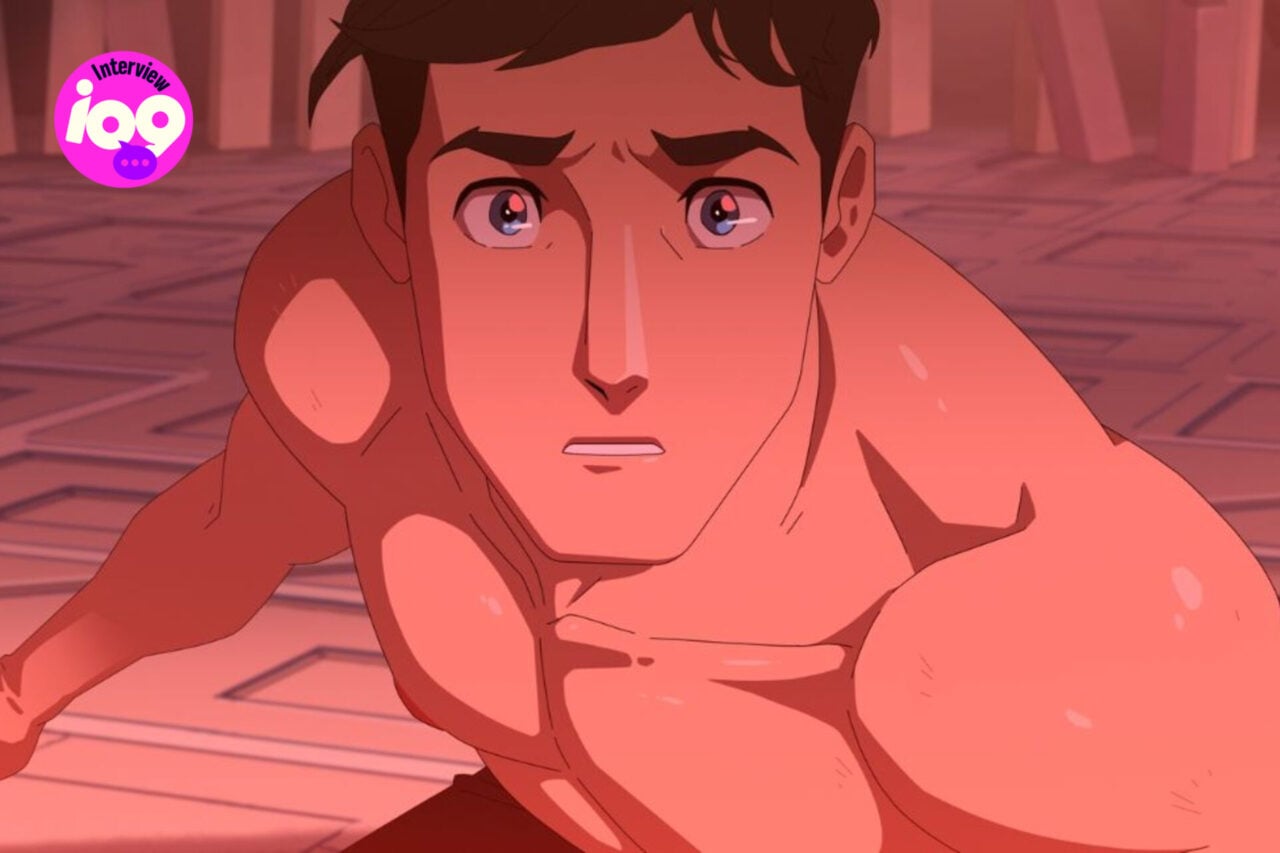
io9: In the season premiere, Evil Morty returns, and that’s kind of our big canon moment for season nine. You’ve spoken about not wanting to do too much canon in the past. But does it feel kind of obligatory that you have to do a little bit of it now that we’re in season nine? Can you ever imagine a season without any canon moments?
Marder: I think “canon” is a wide-reaching term. I think canon doesn’t need to only be Evil Morty. It could be a lot of things that just have lore or things that people care about that are kind of harkening back to the DNA of the show.
But in terms of the premiere, like Harmon had the excitement of trying to find like a cue, like someone that could be kind of a shit-stirrer that Rick would have to answer to, which was a cool character. And then it might have been [Rick and Morty writer Albro Lundy] that was just like, “Evil Morty is in a window right now where he could afford to be that guy.” He holds all the cards; he’s got the Omega Device. We’re like, “That’s cool.” And we just found this really high-octane thing, and we were excited that it would be this explosive way to kick off the season.
It was a really great check-in with Evil Morty. And it was a good way to get Rick back on the board with a win because he had otherwise taken a loss with that guy. So it checked all the boxes. We didn’t do it because we owed it; we did it because we had a great idea that serviced him and gave him a good reason to come back.
io9: And it’s left open-ended. He’s in the prison with the Time Lords or whatever they’re called [note: “Time Cops” is the correct term] at the end, but he could one day return. Is that something that you consciously wanted to leave open? Like Rick Prime, I feel like we’re never going to see again, but Evil Morty, maybe?
Marder: I think you sound… I think you’re on the money with all that.
Harmon: Are you suggesting that the Time Lord prison system is in any way flawed? I think you should have more faith in fourth-dimensional due process and penalization! I mean […] it’s very possible.
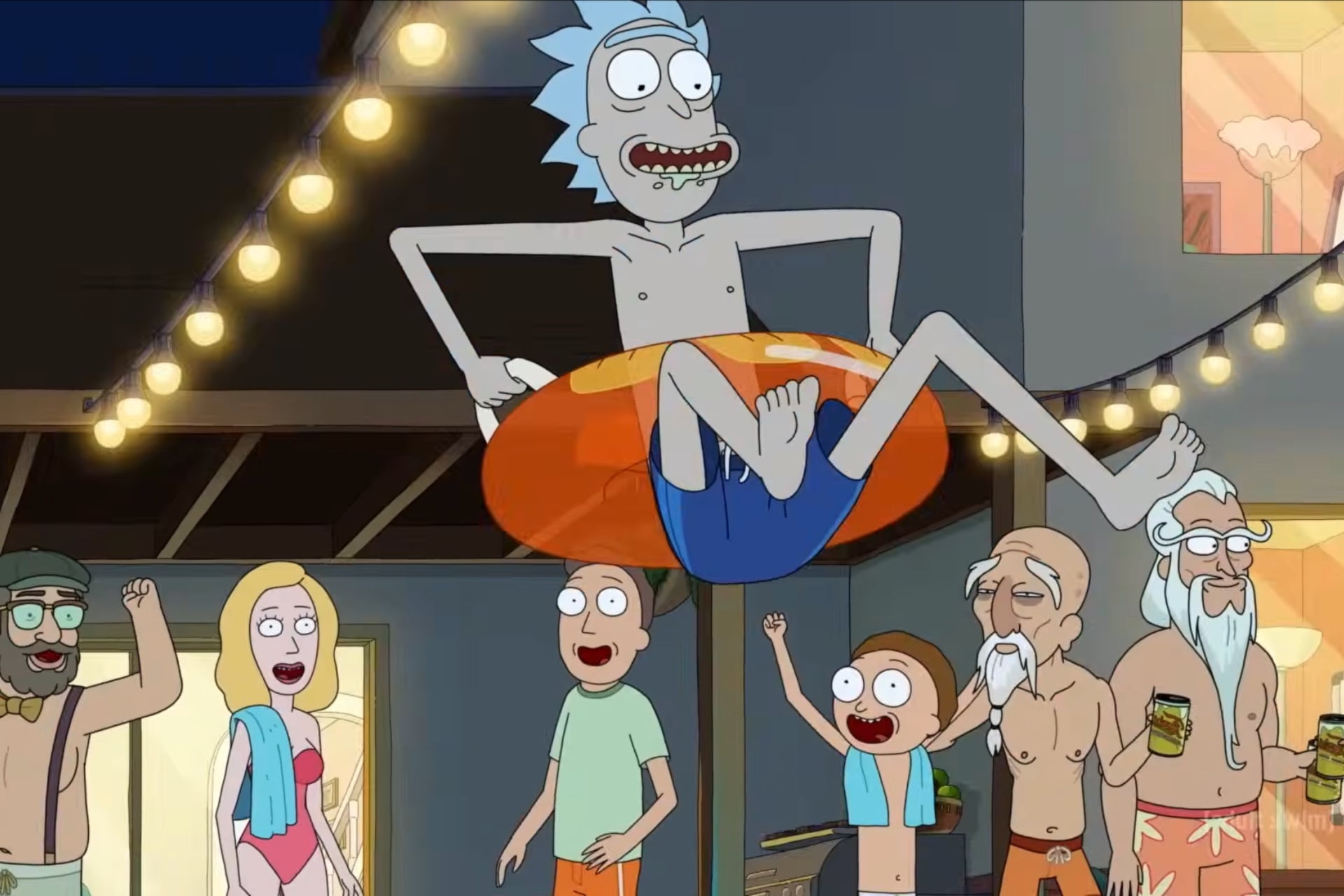
io9: I would love to see a fourth-dimensional jailbreak episode somewhere down the line. And then this is kind of a silly question, but why was season nine the moment to give the Smiths a swimming pool?
Harmon: In the past we’ve tried to do things, and whether they’re successes or failures when we do them is probably just magical thinking or binary thinking. In the past we tried to do things like we go, “Oh, this season let’s have Beth and Jerry separate.” Okay, fine. Then other seasons, we start with a conversation, and then we decide, “What if we just don’t do that?” In a lot of experiences, we have these plans, and then the plans don’t actually service the season. I do think the swimming pool was a thing, or it was like, “What if this is the season where they’re in the process of getting a swimming pool?” Did it pay off?
Marder: We’ve actually got some cool ones in [season] 10 that I think pay it off more than we pay it off in nine. So it’s not for nothing, but like Harmon said, I’m sure it sparked a lot of joy, and there were probably more episodes connected to the pool, but ultimately you’ve got to go with good character-driven stuff, and they probably muscled out any silly pool stuff that we had across a lot of the [season] nine stuff, but the pool does come back around.
Rick and Morty season nine stars Ian Cardoni, Harry Belden, Sarah Chalke, Chris Parnell, and Spencer Grammer. It releases new episodes Sundays on Adult Swim. Then, those episodes will be available to stream weekly on HBO Max and Hulu beginning June 15.
Want more io9 news? Check out the best movies and TV shows to stream this month and all the upcoming sci-fi, fantasy, and horror books that should be on your radar.