Private aerospace company Spaceflight is still commissioning its experimental craft a month after it reached orbit. Time is now of the essence, as the space tug’s orbit is gradually decaying.
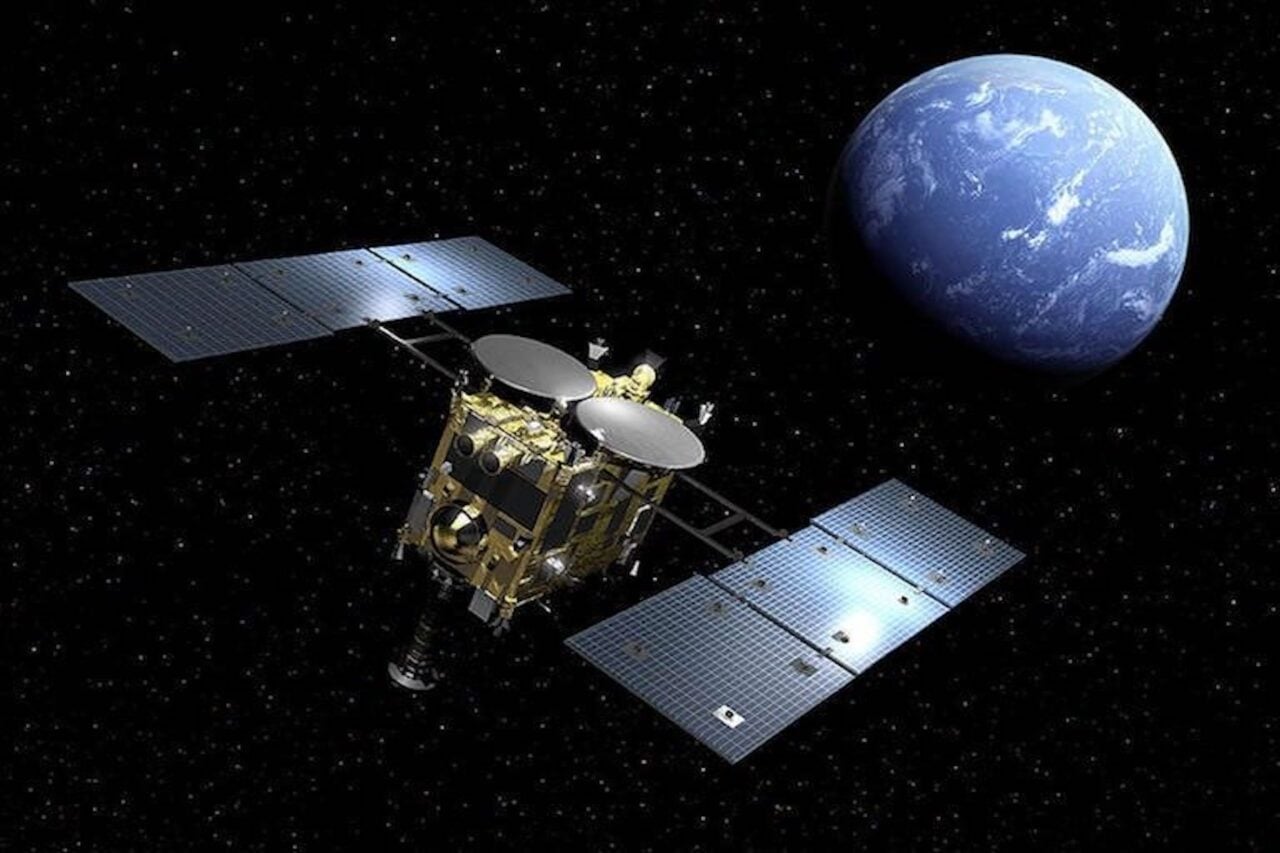
The Sherpa-LTC2 orbital transfer vehicle launched atop a SpaceX Falcon 9 rocket on September 4 from Cape Canaveral Space Force Station in Florida. The space tug, packed alongside 51 Starlink satellites, was placed into a low initial orbit some 192 miles (310 kilometers) above Earth. Sherpa-LTC2 is designed to deliver satellites into different orbits using an experimental chemical propulsion system, according to SpaceNews.
This propulsion system is supposed to take the Sherpa up to an altitude of about 600 miles (1,000 kilometers), but the mission team on the ground remain in the commissioning phase. Instead, Sherpa-LTC2 is losing altitude as it awaits the first firing of its thrusters.
“We’re continuing to work through the commissioning process for Sherpa-LTC2,” a spokesperson for the company told Gizmodo in an email. “As always with experimental, first-flight systems, the commissioning process is fluid. We expect we’ll get to the burn when the commissioning phase is complete and we’ll share more at that time.”
The commissioning of a spacecraft takes place after deployment, in which the spacecraft is booted up and makes contact with ground teams. But Sherpa-LTC2 is currently flying rogue and is instead being pulled down by atmospheric drag. United States Space Force tracking information indicates that the Sherpa tug is currently in an orbit between 175 to 183 miles (283 to 296 kilometers), SpaceNews reported. The drop in altitude raises concerns that the space tug might get pulled down even further and burn up as it re-enters Earth’s atmosphere. This could happen in a matter of weeks if those thrusters don’t fire.
Spaceflight’s Sherpa-LTC2 is the first of its space tugs to launch with this experimental chemical propulsion system. The company had planned to launch a previous unit, Sherpa-LTC, in January on a SpaceX rideshare mission, but SpaceX opted not to carry the space tug on its Falcon 9 rocket after technicians discovered a leak coming from the propulsion system. The leak forced SpaceX to find new rides, as it had to exclude 10 cubesats that were part of the mission. Revealingly, the Elon Musk-led company decided not to book any more rideshare missions with Spaceflight, excluding ones already agreed upon. Instead, Spaceflight will launch its future space tugs on Arianespace’s Vega launch vehicles, including its next-generation Vega C rocket, as SpaceNews reported in August.
The company is determined to keep its new gadget in orbit and proceed with future missions. Hopefully, the company will save its little space tug before it meets an untimely demise in Earth’s atmosphere.
Correction: A previous version of this story said that the space tug is losing altitude after its thrusters “failed.” It’s not yet clear whether the thrusters are functional or not; mission engineers are still commissioning the satellite.
More: Firefly Sends Alpha Rocket to Orbit, One Year After Explosive Launch Attempt