
The ever-brighter nights on Earth are making it hard for luminous insects to find each other.
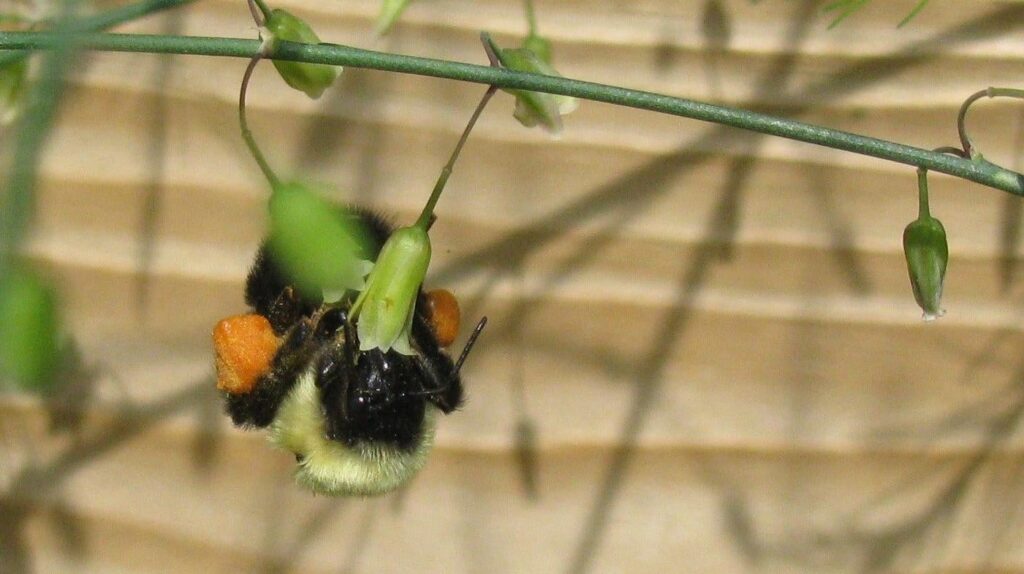
The buzzy insects heat up when carting protein-packed pollen around. It could spell trouble for bumblers as the climate warms.
According to entomologists, nymphs are hatching in late April and early May, and they need to be eradicated before they can reproduce.
Researchers say Culex lactator is the latest invasive bug to call Florida home. It's not yet known whether it poses a disease risk to humans.
Enjoy these perspective-altering images of our world.
In just under eight minutes, Bug Bites goes from icky to gruesome to hilariously weird.
The worrying findings on laboratory bees correspond to trends in decreased honey production and colony collapse.
The invasive, tree-killing insects arrived in Pennsylvania in 2012, and they’ve quickly spread across the U.S. Northeast.
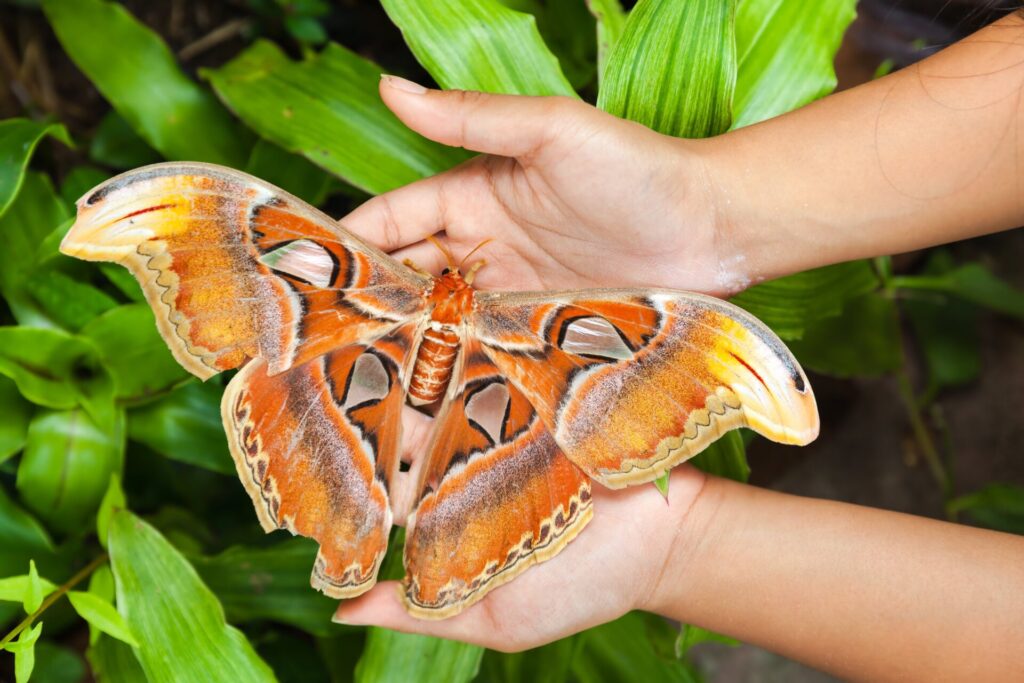
One of Earth's largest moths, with a wingspan of nearly 10 inches, has been spotted in the Pacific Northwest for the first time.
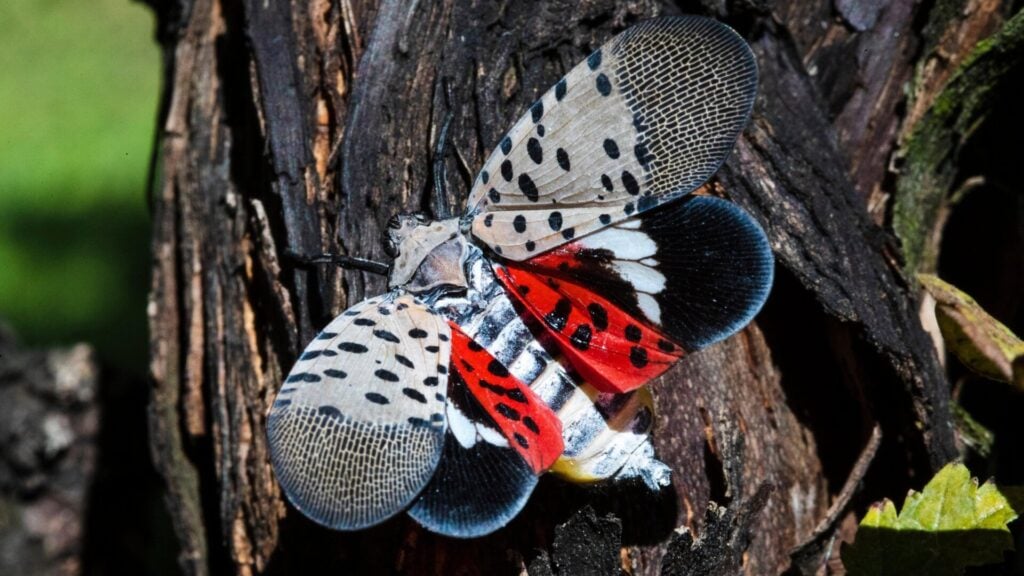
The invasion of the spotted lanternflies is intensifying, and if you haven't been doing your part to kill them, it's time to step up.
The Entomological Society of America has officially adopted the name "northern giant hornet" for the invasive, bee-eating wasp.
A recent census of bees in the state found disturbingly few of the insects.
So devastating is this fungal pathogen to invasive crazy ants that it sometimes leads to the extinction of local populations.
The smell of hornet sex may be entomologists' best bet for culling these giant invaders.
The unique buzzing only happens when giant hornets threaten the hive, showing the complexities of bee communication.
Researchers are buzzing about their latest discovery: a genetic pathway in our apian friends.
Invasive murder hornets, also known as Asian giant hornets, are a threat to pollinating insects and human life.
First spotted in the U.S. in 2019, Asian giant hornets—you know, murder hornets—have become an ongoing problem.
Scientists were surprised to discover wasp nests glowing brightly under a UV flashlight.
The white, red, and black invasive bugs are taking over the East Coast. Officials say you should kill them.