The PlayStation 5 adds another game to its first-party stable this week with Housemarque’s Saros. Like the studio’s previous effort Returnal, this new title is a third-person roguelike set on an alien world where nearly everything is hostile in some way and death is a sure thing.
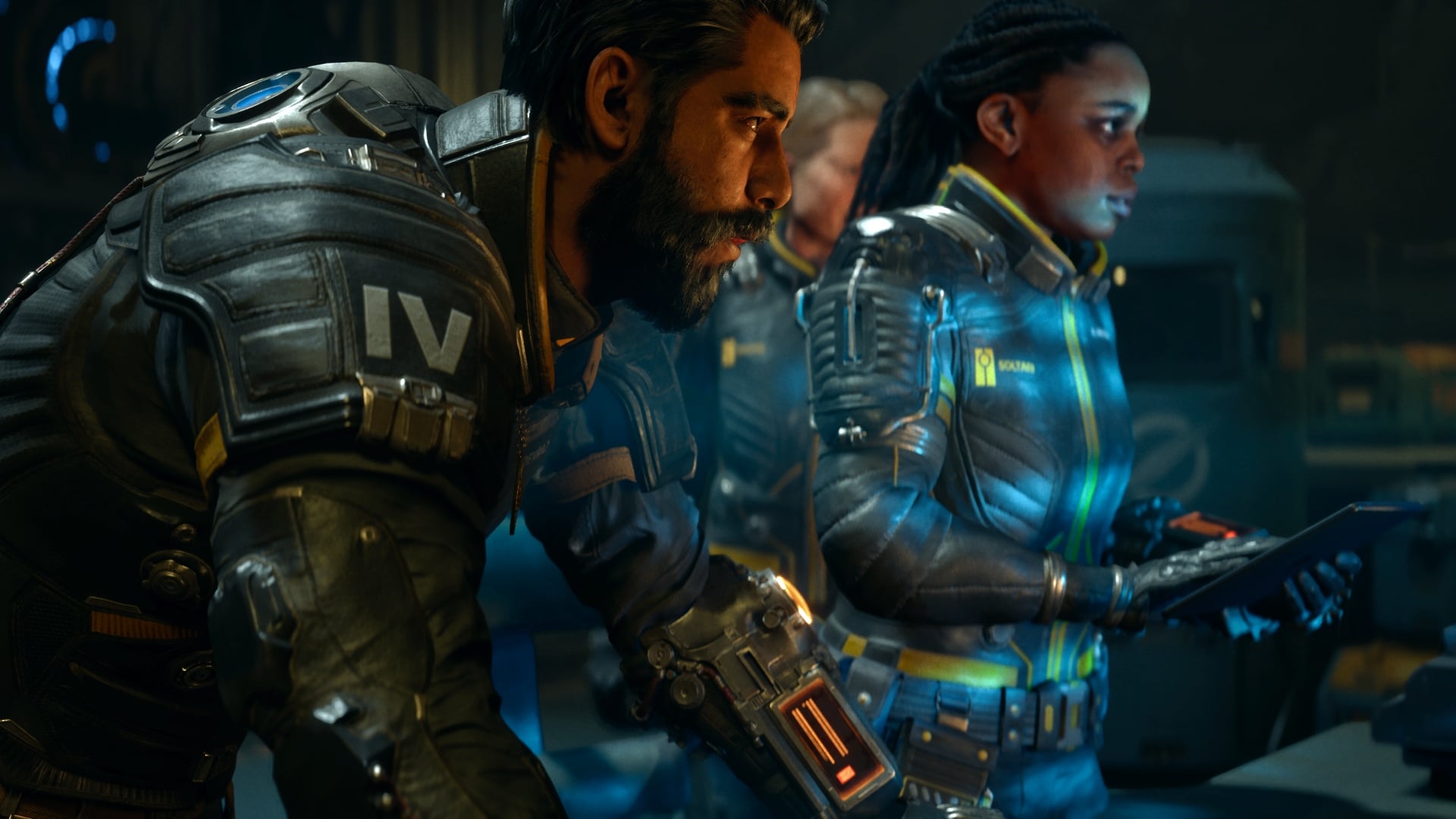
However, Saros sports many key differences from its predecessor, particularly on a narrative level. As Arjun Devraj, players explore the planet Carcosa to learn how it’s affected his Echelon IV crewmates, previous Echelon teams before them, and ultimately Arjun himself. If Returnal had a simple setup, this one is more involved, largely because it’s not as solitary an experience: throughout the game, Arjun interacts with several other characters, mostly in the Passage hub between runs. And when he’s not talking to them, he’s learning about what they’ve gone through via logs (of the text, audio, and holo variety) that paint unpleasant pictures for everyone who’s jotted their thoughts down.
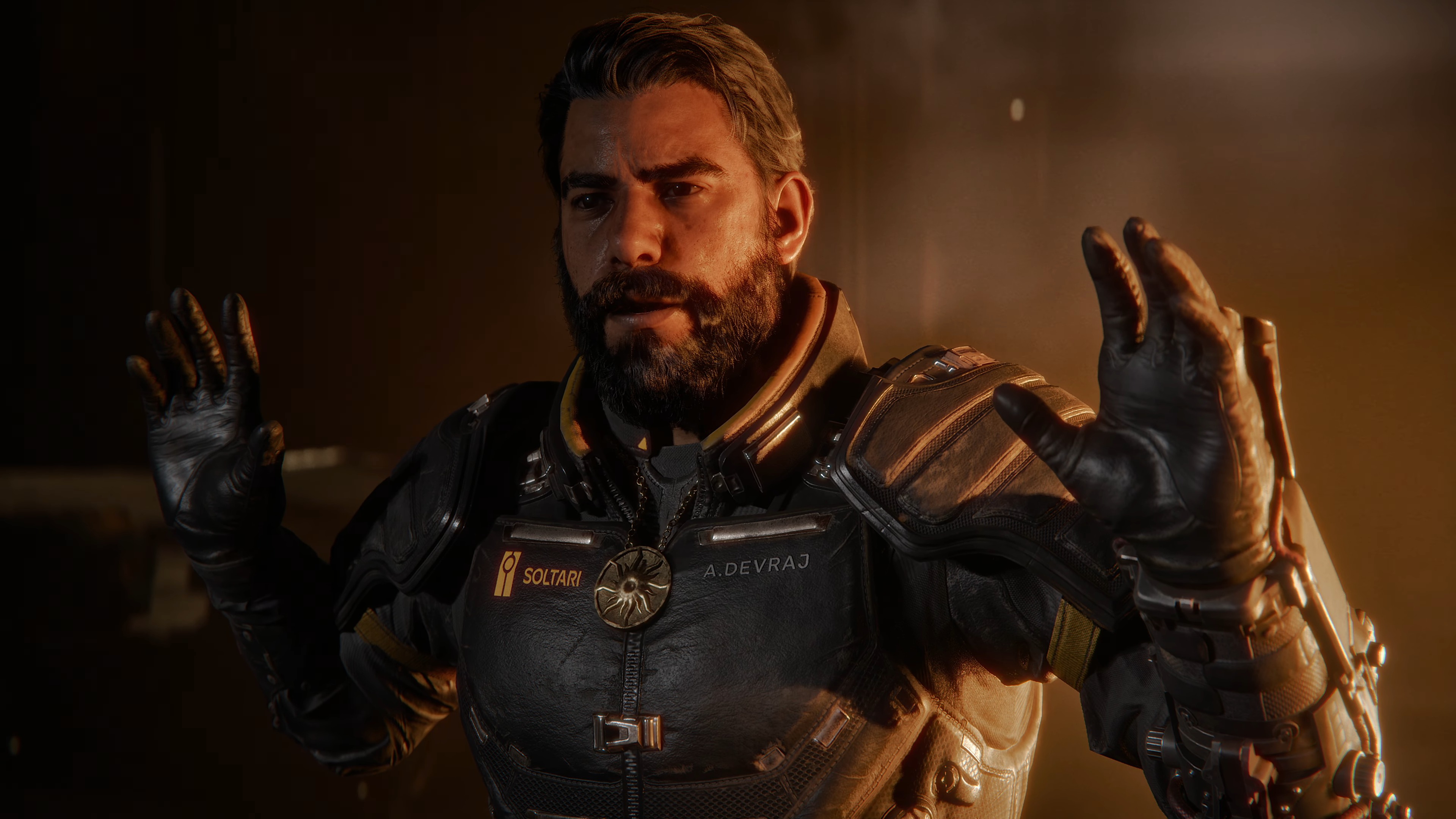
For a studio with a “gameplay first” ethos, the type of cutscenes PlayStation games are known for might not fully fit with players’ image of what Housemarque is. But as creative director Gregory Louden told io9 last week, this was a “natural evolution” of what the team had done with Returnal. To him, there’s a good chance the two games would’ve been “quite similar” had Returnal featured more characters rather than focusing on its lead Selene. But the response to that game’s narrative and what it did with her inspired the studio to “push the characters and audience” with its next title, hence the supporting cast—a call made early into development to help players understand how Carcosa was transforming anyone who set foot on it.
To senior narrative designer Khalil Osaimi, Saros builds on the “isolation” of Returnal by incorporating “multiple lenses” to give players a distinct complexity with Arjun and Carcosa. Finding the right balance of giving players enough narrative organically without sacrificing gameplay pacing was an iterative process and one he called “very tricky, but very fun.” The most important story nuggets are, in both men’s eyes, “rewards” for players to receive after surviving tough encounters or boss fights—but getting the fullest picture will depend on how much players piece together from the logs found during their many, many runs.
Louden feels Housemarque’s characters are “discovered, not told,” and it’s through logs and differing viewpoints where players can get more insight into Arjun. Saros’ marketing has been cryptic on his reason for coming to Carcosa, but that, along with who he is and how the planet’s affecting him, shifts throughout the game depending on whose perspective he’s being viewed from, including his own. That even goes for the eclipse; Osaimi called the celestial event one of his favorite characters in the game for the storytelling opportunities it provides. Voice logs found during the eclipse see their subject become more and more mad near the end, and animated clips that play after Arjun’s death(s) carry their own bit of narrative meant to help drive the player forward.
“Come back stronger” isn’t just a tagline; it’s the driving ethos of Saros. Repetition is core to the roguelike experience and to Louden, a perfect fit for the type of cosmic horror Housemarque’s been exploring. Just off the planet’s name and the significance of color, any players who know supernatural literature (or remember True Detective’s first season) probably connected some dots between the game and Robert Chambers’ 1895 short story collection The King in Yellow. Like the inclusion of more characters, this was a choice spurred by Returnal; that game was inspired by H.P. Lovecraft, so it only made sense for the team to go further and look to what inspired him.
“When we explored the idea of a new dark sci-fi world, we knew we wanted to keep exploring cosmic horror. Delving further into that genre and going to its deepest reference point was decided quite early in development, similar to the eclipse and ‘Come back stronger,'” Louden explained. “We had so many references, but [King in Yellow] resonated with us, and we took that to make something entirely new.”
A handful of times during our interview, Louden regarded Saros as an “evolution” of Housemarque’s previous work. Early on, he said he was “really proud” of how things have come together—and now that Saros is out, PlayStation 5 owners can see the story for themselves… give or take a few dozen deaths.
Want more io9 news? Check out the best movies and TV shows to stream this month and all the upcoming sci-fi, fantasy, and horror books that should be on your radar.