Anthropic is back in Trump’s good graces.
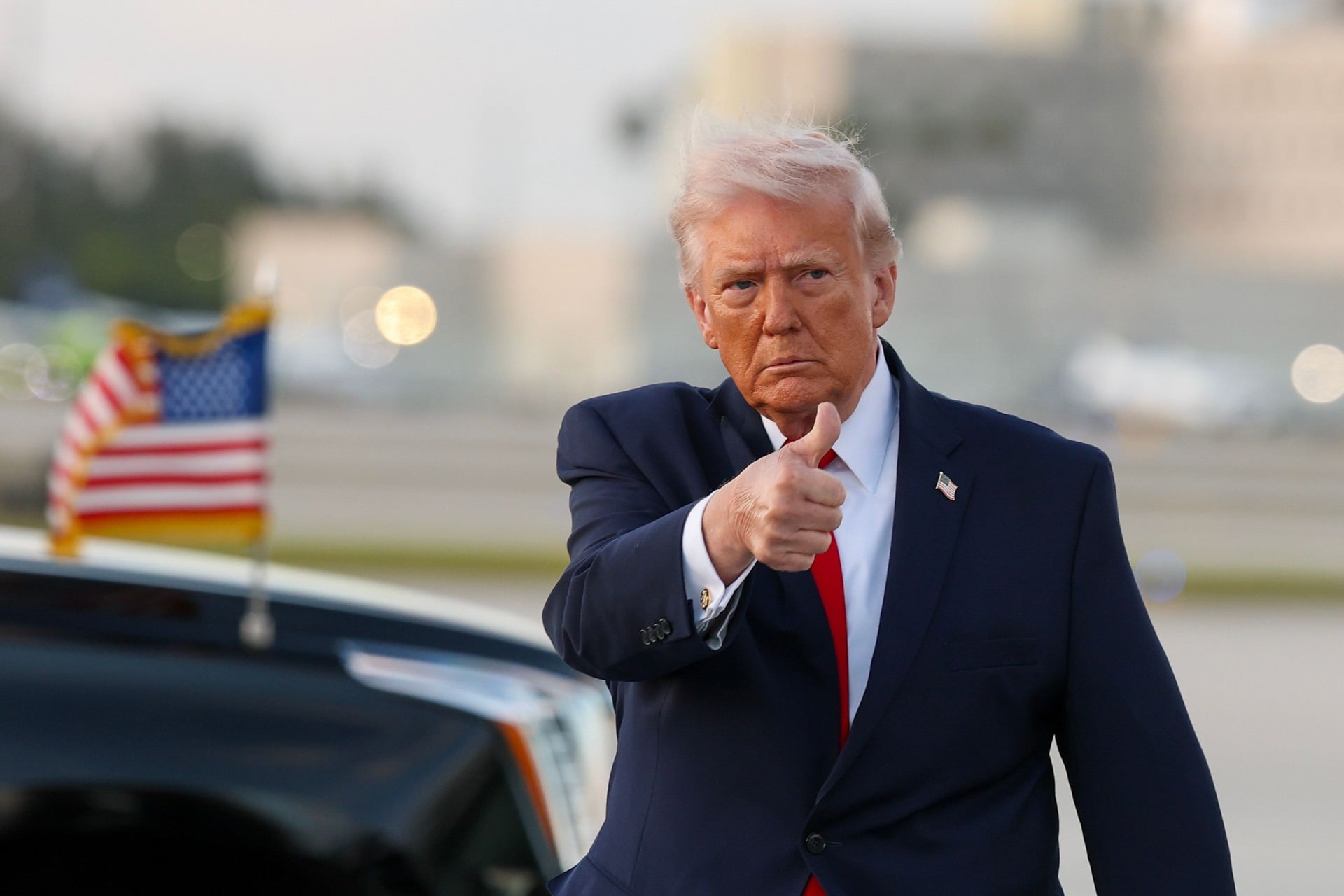
On Tuesday morning, the President told CNBC that his administration had “some very good talks” with Anthropic and that a new deal reallowing the use of Anthropic’s models in the Pentagon could be “possible.”
“I think they’re shaping up, they’re very smart, and I think they can be of great use,” Trump said of Anthropic. “I think we will get along with them just fine.”
Reports detailing various stages of talks between the Administration and Anthropic have been rolling out over the past week, to the surprise of many, considering the very public fallout just a month prior.
The Department of Defense officially designated Anthropic a supply chain risk in early March, after Anthropic refused to agree to the Pentagon’s demands during contract renegotiations. The administration and the AI giants couldn’t see eye-to-eye on terms regarding the use of AI in mass domestic surveillance and autonomous weapons. The talks fell through just hours before the United States began striking Iran.
The designation was unprecedented: It was the first time an American company was deemed a risk to national security and effectively banned from the federal government.
What finally convinced the Trump administration to back down from its attack on Anthropic may have been Mythos, the company’s buzzy, mysterious new AI model.
Mythos was first unveiled in a leak in late March, in which it was deemed too powerful to release to the public. Shortly after, the company confirmed the leak and its allegedly unparalleled cyber capabilities. It announced that the model would not be made public immediately, fearing its potential for abuse by hackers. The model can allegedly identify and exploit software vulnerabilities at an unprecedented scale.
Instead of a public rollout, some financial and tech world titans and governments would get a first look via a limited preview, under an initiative the company is calling Project Glasswing. Most of the organizations that were granted access remain unnamed by Anthropic, but a limited list includes Nvidia, Google, JPMorganChase, and Amazon. After reports detailed European governments reacting in fear to the preview, many were left wondering if or when the U.S. would chime in.
According to a Bloomberg report from last week, Anthropic briefed senior U.S. officials on the offensive and defensive cyber applications of Mythos before it launched its limited release to the rest of its corporate and government partners. The report also claimed that the Office of Management and Budget was setting up protections in Mythos and would allow agencies, including the Department of Defense, to begin using a version of the model in the next couple of weeks.
That report was preceded by a Reuters dispatch claiming that Treasury Secretary Scott Bessent and Fed Chair Jerome Powell were briefing major American financial institutions on the potential risks of Mythos, and a Politico report that the Commerce Department’s Center for AI Standards and Innovation had already begun actively testing Mythos’ abilities, even before Anthropic confirmed the model’s existence.
Anthropic CEO Dario Amodei met with White House Chief of Staff Susie Wiles and Treasury Secretary Scott Bessent on Friday. Axios also cited an unnamed source saying that every agency except for the Pentagon was eager to use Anthropic’s tools. But a subsequent Axios report from Sunday claimed that the National Security Agency, which is overseen by the Department of Defense, is already using Mythos. One source even said that the model was being used more widely throughout the entire DoD.
While Trump initially took a strict stance against Anthropic, he has so far been more a friend than a foe to the AI world. Under Trump’s second presidency, the federal government has had a close collaboration with Silicon Valley, with its tech overlords inking lucrative deals with the Administration and accompanying the President on foreign trips.
In his interview with CNBC, Trump also called his posse of American tech executives “the smartest people in the world,” and name-dropped OpenAI CEO Sam Altman, Nvidia CEO Jensen Huang, and now former Apple CEO Tim Cook as examples of the geniuses with whom he surrounds himself.