An experimental treatment may have just given a 3-year-old boy with advanced liver cancer a new lease on life.
Doctors at the Baylor College of Medicine in Texas and others detailed the near-miraculous turn of events in a report earlier this month. The boy’s metastatic cancer went into complete remission after receiving a novel form of immunotherapy—a remission that has lasted for at least a year. He’s part of an ongoing phase I trial that will test the treatment on dozens of other similar patients.
“This case shows that a durable complete remission in a patient with a chemotherapy-resistant solid tumor can be achieved entirely in the outpatient setting without systemic toxic effects,” the authors wrote in their paper, published last week in the New England Journal of Medicine.
A new kind of CAR T
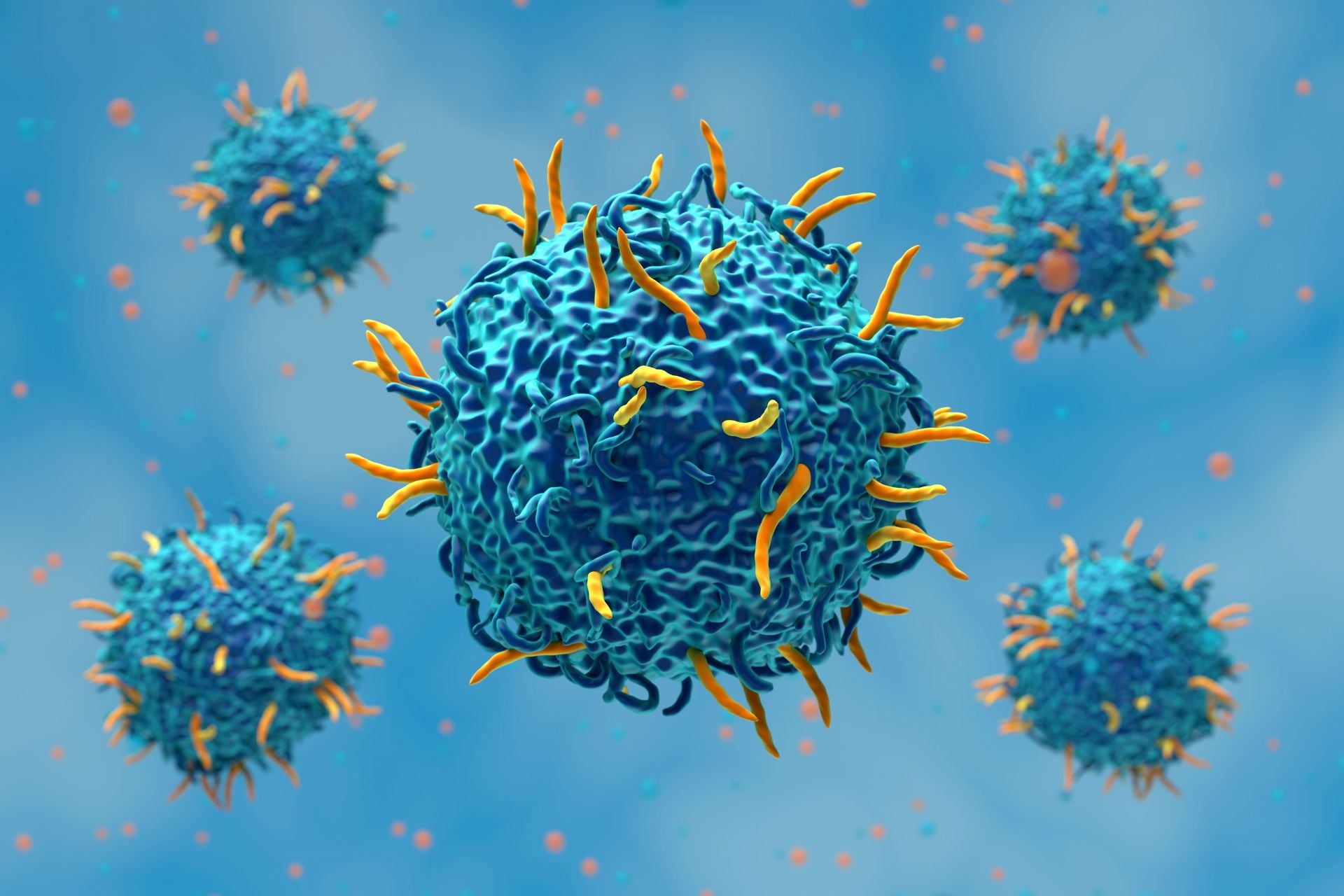
The boy was given a form of immunotherapy known as chimeric antigen receptor, or CAR, T cell therapy. These cells, usually taken from the patient’s body, are genetically reprogrammed to express receptors that correspond to a specific target antigen. Once inside the body, these cells can then recognize and attack other cells carrying that antigen, namely cancer cells. They can also persist in the patient’s body, ideally providing a long term defense against the cancer returning.
CAR T cell therapy has emerged as a groundbreaking treatment for certain advanced blood cancers like leukemia and lymphoma that would likely otherwise be fatal. Depending on the cancer, studies show between about 25% to 90% of people can respond well to CAR T.
Unfortunately, it’s proven much harder to create CAR T cells that can effectively kill solid tumor cancers. These cancers tend to be more complex, both in the antigens they present and in the defenses they have against the immune system. The study researchers are trying out an experimental type of CAR T that they believe can overcome these hurdles.
Their strategy is actually two-fold. The CAR T cells are engineered to target glypican-3, a protein that’s commonly seen on the surface of cancerous liver cells but not healthy mature ones. They’re also designed to express two different kinds of immune-related signaling proteins: interleukin-15 and interleukin-21. Research in animals has suggested that these two proteins working together can boost the cancer-fighting potency and survivablity of CAR T cells. The cells were also programmed with a safety switch gene that would allow doctors to quickly kill them off with another drug if needed.
The boy in this case had developed hepatoblastoma, the most common form of liver cancer, and the cancer had spread beyond his liver to his bones and lungs. Despite surgery and three lines of chemotherapy, it returned once again. Like many cases, the cancer tested positive for glypican-3.
The boy was given two infusions of CAR T cells, sourced from his own immune system, spaced eight weeks apart. After his first infusion, he showed signs of a partial response; after his second dose, the remaining cancer in his body appeared to dissipate completely. And as of the 12-month mark, the boy still seems to be cancer-free. Importantly, he also didn’t experience serious side-effects known to occur with CAR T, such as cytokine release syndrome (this syndrome basically sends the entire immune system into overdrive, which can be deadly).
The future of this treatment
This is of course only a single patient in an early stage trial. But the dramatic turnaround seen here is certainly a promising sign that the team’s strategy can pay off as hoped.
“This study provides evidence that these novel CAR T cells may be a safe and effective modality for hepatoblastoma and highlights the need for further assessment in patients with GPC3+ solid tumors,” Andras Heczey, the study’s author and pediatric oncologist, said in a statement from Baylor College of Medicine (Heczey was affiliated with Baylor at the study’s start but he is now with the University of Washington School of Medicine and Seattle Children’s hospital).
The boy is part of a larger trial dubbed the CARE study. It’s expected to enroll 18-30 patients with similar liver cancer cases, with the primary part of the trial scheduled to be completed by next summer. Other research teams are working on their own experimental CAR T treatments for solid tumor cancers.
CAR T has already changed the landscape of cancer care, and its full potential doesn’t seem to have been reached just yet.