The kings of x86, AMD and Intel, are both managing a massive slowdown in CPU shipments that speaks to the absolutely ridiculous component prices caused by spiking memory costs. Don’t feel too bad for the chipmakers, though. Those really being screwed by the RAMpocalypse are—inevitably—the consumers.
Recent CPU sales analysis from Mercury Research, cited in a Monday report from CNN, details the fluctuating market share between Team Red and Team Blue in the PC space. In the past year, Intel lost some of its x86 CPU market share—6.5% year over year—to AMD. Intel still has a dominating control of 69.3% of the market, but AMD is making gains in large part thanks to its latest batch of gaming and productivity CPUs that have outshined any of Intel’s mid-range offerings like the Intel Core Ultra 7 270K Plus.
In reality, both companies’ consumer CPU businesses are hurting. Dean McCarron, the president of Mercury Research, told CNN that total CPU shipments this past year were “best described as ugly” with a total downturn “in excess of 20%.”
-

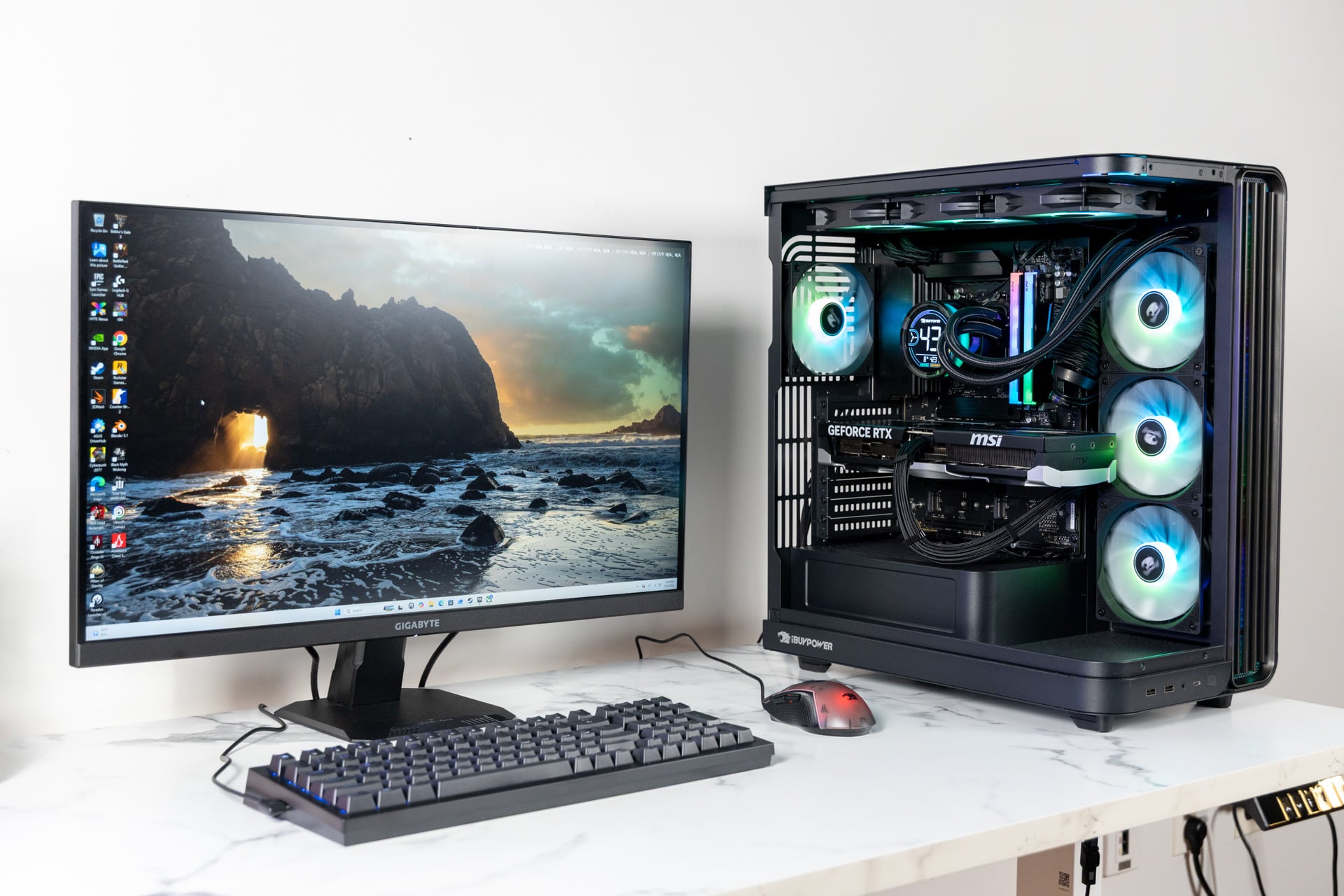
AMD is promoting older CPUs for its AM4 platform as sales for AM5 took a nosedive. © Kyle Barr / Gizmodo
The cause is obvious if you’ve even considered building a PC these last few months. Component prices, including RAM, SSDs, and GPUs, are all inflated to a staggering degree. DDR5 can easily cost 500% more than what it did a year ago. It’s becoming increasingly difficult to find a graphics card with more than 16GB of VRAM that costs a reasonable sum. AMD in particular has responded to the crisis by bringing back older gaming CPUs as a means to sell PCs built for venerable DDR4 RAM and the aging AM4 socket.
AMD’s share of the PC market grew last year, mainly thanks to its laptop chips. Intel still maintains a heavy lead, even more so in the current laptop era. It’s much harder to find an AMD Ryzen AI 400 series chip than it is to procure a laptop with Intel Core Ultra Series 3 processors. Qualcomm is also muscling in with its ARM-based Snapdragon X2 platform. Nvidia is coming in from behind with its own N1X built for upcoming RTX Spark PCs.
Laptop PCs may not be faring quite as poorly as desktops, but not by much. July data from analyst firm IDC suggested worldwide PC shipments fell by close to 5% in 2026’s second quarter. More recent reports from Counterpoint Research suggest that the smartphone market tanked 14% year over year, with shipments down 15% compared to the same period in 2025.
Mercury Research released Q2 2026 CPU numbers, and the gap between supplier caution and actual shipments is notable.
Despite the poor outlook from chipmakers, total x86 plus ARM client CPU shipments rose more than 10% sequentially.
That is well above normal seasonal patterns,… https://t.co/nfWgX52Thl pic.twitter.com/3gkpvh7LmO— Semiconductor Insider (@SemiconductorsX) August 20, 2026
The larger desktop market is taking things even harder than mobile. Counterpoint’s latest data suggests flat panel shipments for monitors, tablets, phones, and more are heading downward. This is again largely due to fewer people willing to pay more for costlier gadgets. If you can’t afford to build a PC, why would you bother grabbing a new monitor as well?
And despite all these dour tidings, Intel and AMD are not especially in poor shape, and it’s all thanks to AI datacenters. There’s more demand for x86 server-class processors than ever before, with shipments up 20%, according to Mercury Research data. Intel and AMD will both be incentivized to supply data center projects—the same AI hyperscaler industry that has led to the RAM shortage in the first place. With that in mind, don’t expect to find next-gen PCs or components any cheaper than they are now.