It can feel like spoilers are everywhere these days—the moment something comes out, clips, plot details, and more spread across social media (or sometimes even well in advance!). A lot of people, albeit begrudgingly, have accepted this as a fact of online life. But in Japan at least, they’ve found a way to make writing about them go too far in the eyes of the law.
Last week, Asahi (via The Verge) reported that the Tokyo District Court sentenced Wataru Takeuchi to a year and a half in prison, as well as a 1 million yen (roughly $6,300) fine, for running foul of Japan’s copyright laws. Takeuchi was the administrator of an entertainment site littered with articles (and, perhaps most crucially, monetized ad displays, from which Takeuchi made almost a quarter of a million dollars in 2023) that went into great length and spoiler-filled detail to summarize the plots of popular shows and movies.
Writing about and discussing spoilery material online is commonplace in entertainment journalism and criticism—even including the website you’re reading this on right now—especially in an age where the attention economy of digital media more broadly is so fraught. But the vast majority of that writing is broadly covered under fair use, and in some cases, it can also be subject to certain stipulations from studios that offer access to their work in the form of release embargoes or “do not reveal” stipulations. Of course, there are also varying degrees of how various outlets handle discussion of what is perceived to be a “spoiler,” in so far as that can mean wildly different things for different people—but that’s a case of etiquette more often than not, rather than a legal issue.
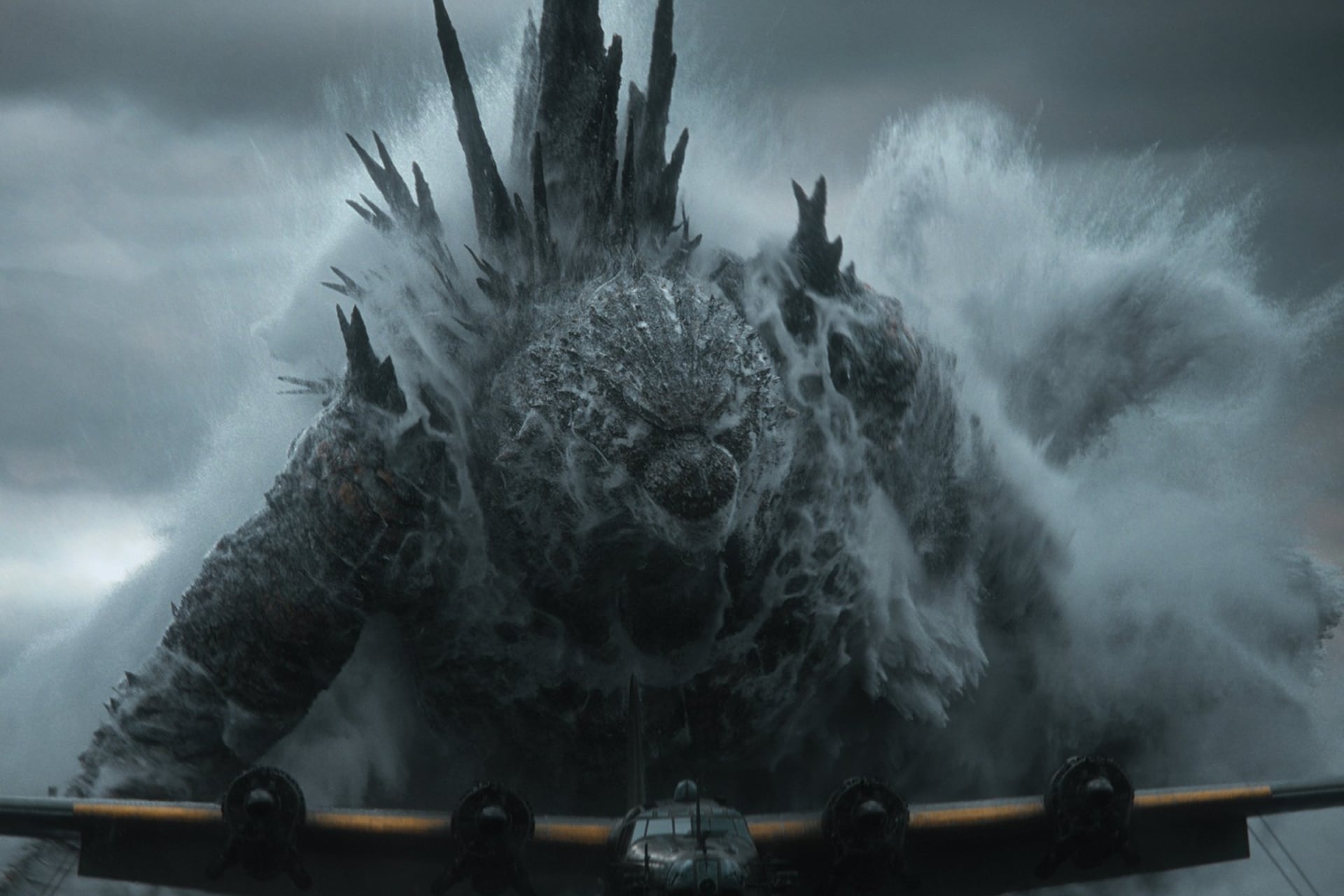
What makes Takeuchi’s case stand out, though, is that the work of his site was found to have gone well beyond the case of fair use, transcribing dialogue and describing scenes in such detail, and without commentary, that eventually two of those articles—one about Godzilla Minus One and another about the anime adaptation of Overlord—prompted respective rights owners Toho and Kadakowa Shoten to file joint suits against him through Japan’s Content Overseas Distribution Association.
According to a translated statement by CODA about the case, Takeuchi was first arrested in 2024 over concerns about his site’s posts, eventually arguing that the content of the site stepped beyond the usual fair use protections to the point that it was tantamount to creating adaptations of the original work without the permissions of the rights holders, and that they could be considered damaging by being detailed enough that readers wouldn’t seek out the films and shows the website wrote up in this manner.
“Numerous websites that extract text from movies and other content have been identified and are considered problematic as so-called ‘spoiler sites,’” CODA’s statement reads in part. “While these actions tend to be perceived as less serious than piracy sites or illegal uploads that upload the content itself, they are clear copyright infringements that go beyond the scope of fair use and are serious crimes.”
Takeuchi was eventually charged with breaking laws around the creation of “a new work by making creative modifications to the original while preserving its essential characteristics.” CODA further said that in light of the case, it plans to “implement effective measures against similar websites,” although no further details were offered. But perhaps it’s a good reminder to be careful of what, and how, you post online when you’re talking about your favorite films and shows.
Want more io9 news? Check out the best movies and TV shows to stream this month and all the upcoming sci-fi, fantasy, and horror books that should be on your radar.