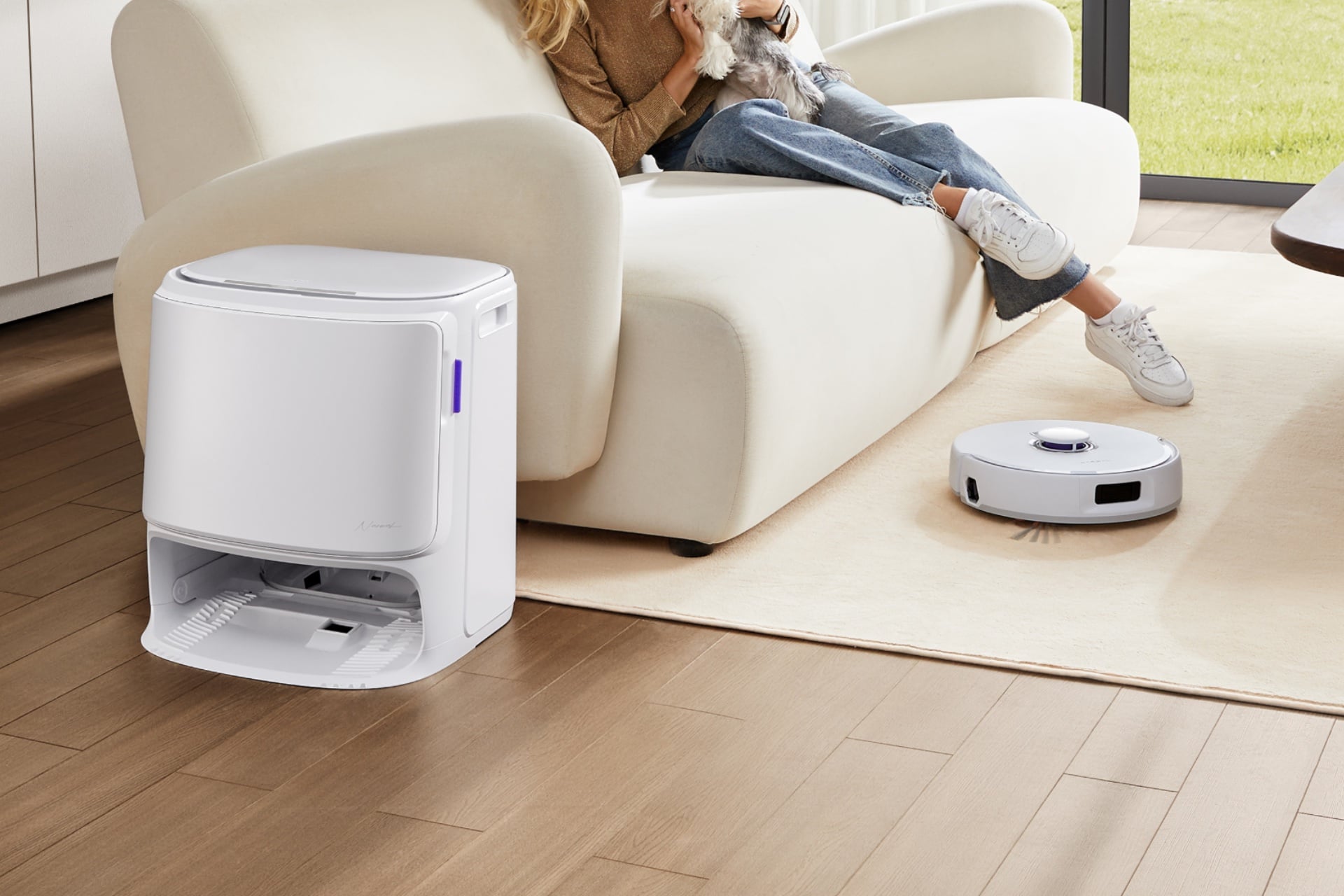
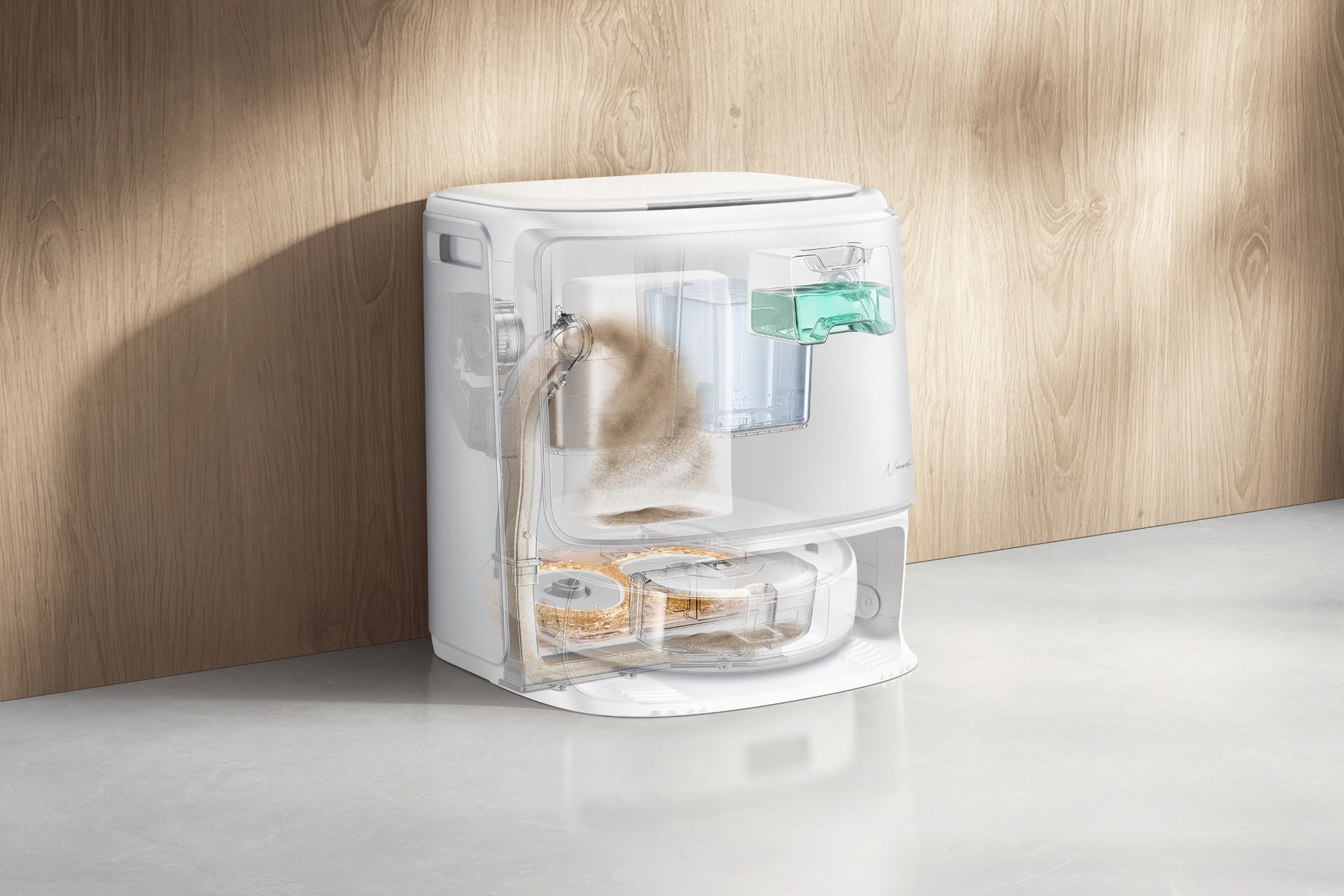
Narwal has just announced the Freo Z10 Turbo, a $900 robotic vacuum cleaner with a number of premium features you’d normally have to pay well over $1,000 for. Those include a dock that both empties the robot’s dustbin and cleans its mop, as well as 25,000Pa suction. It’ll be available in the U.S. next Monday, May 18.
Fancy dock aside, the Z10 Turbo itself includes boosted suction on carpets, a “tangle-free” roller brush, and dual mop pads, one of which extends away from the body to reach baseboards or the edges of furniture. Both also lift up to keep your carpet dry. Those are features you’d normally find on devices like the $1,700 Dreame X60 Max Ultra Complete, but at a price that makes it easier to stomach the fact that many common robot vacuum pitfalls, such as losing their way or dropping objects they’ve already vacuumed up, still exist in the luxury tier.
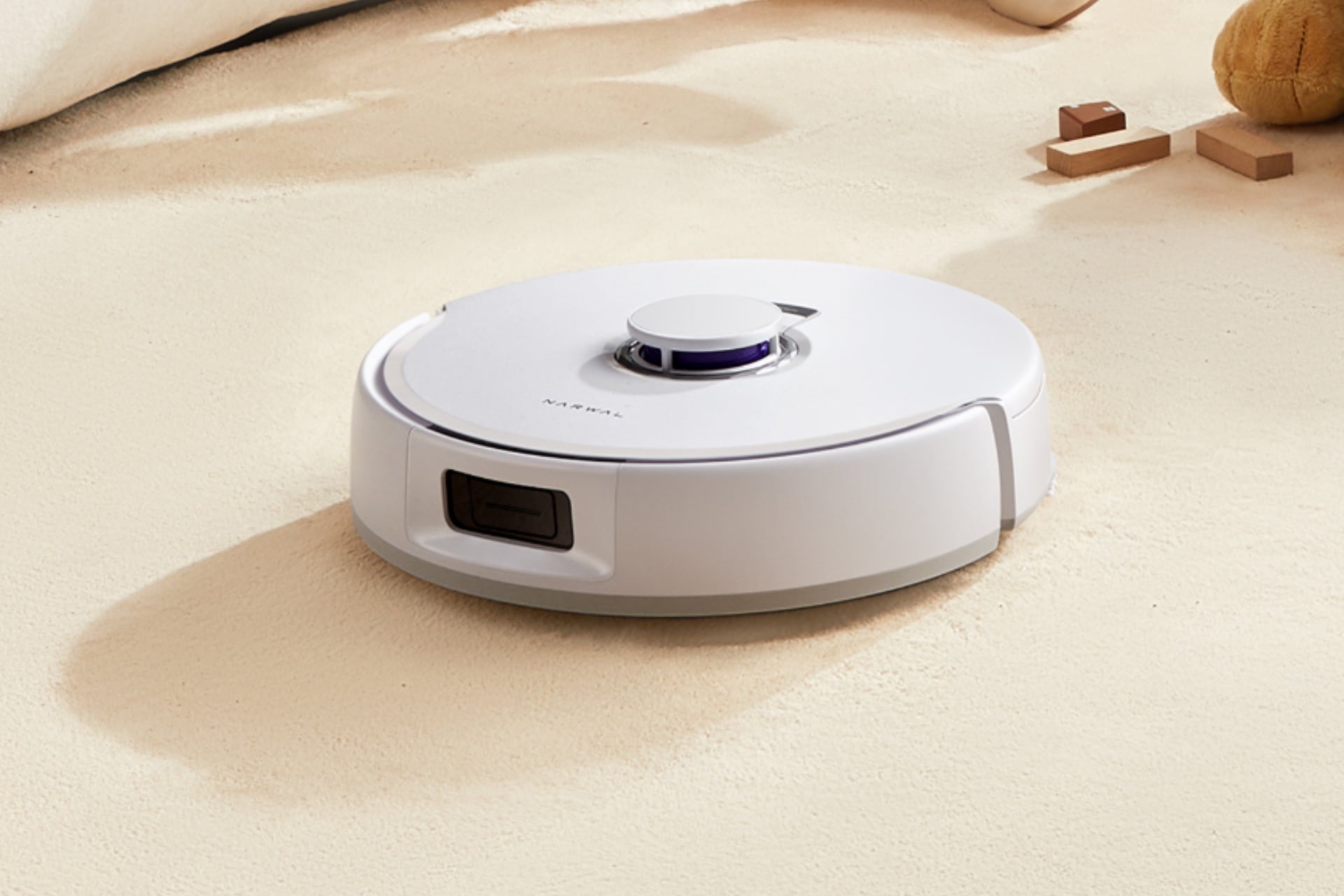
The Z10 Turbo also uses hot water—which Narwal says can reach up to 167 degrees Fahrenheit “for pasteurized sterilization”—to clean its mop pads, another increasingly common luxury feature. Its 25,000Pa suction sits between the Eufy Omni E28‘s 20,000Pa and the X60 Max Ultra Complete’s 35,000Pa, but that’s also one of those specs that doesn’t necessarily correlate to actual floor-cleaning performance, in my experience.
What could matter is how Narwal applies its suction. The company states that the Z10 Turbo can lower its brush-roller cover “to create a sealed high-pressure airflow zone.” I’m interested in seeing how that works in practice. Narwal also writes that the vacuum’s dock compresses debris, letting users go up to 120 days between replacing the dock’s dustbag.
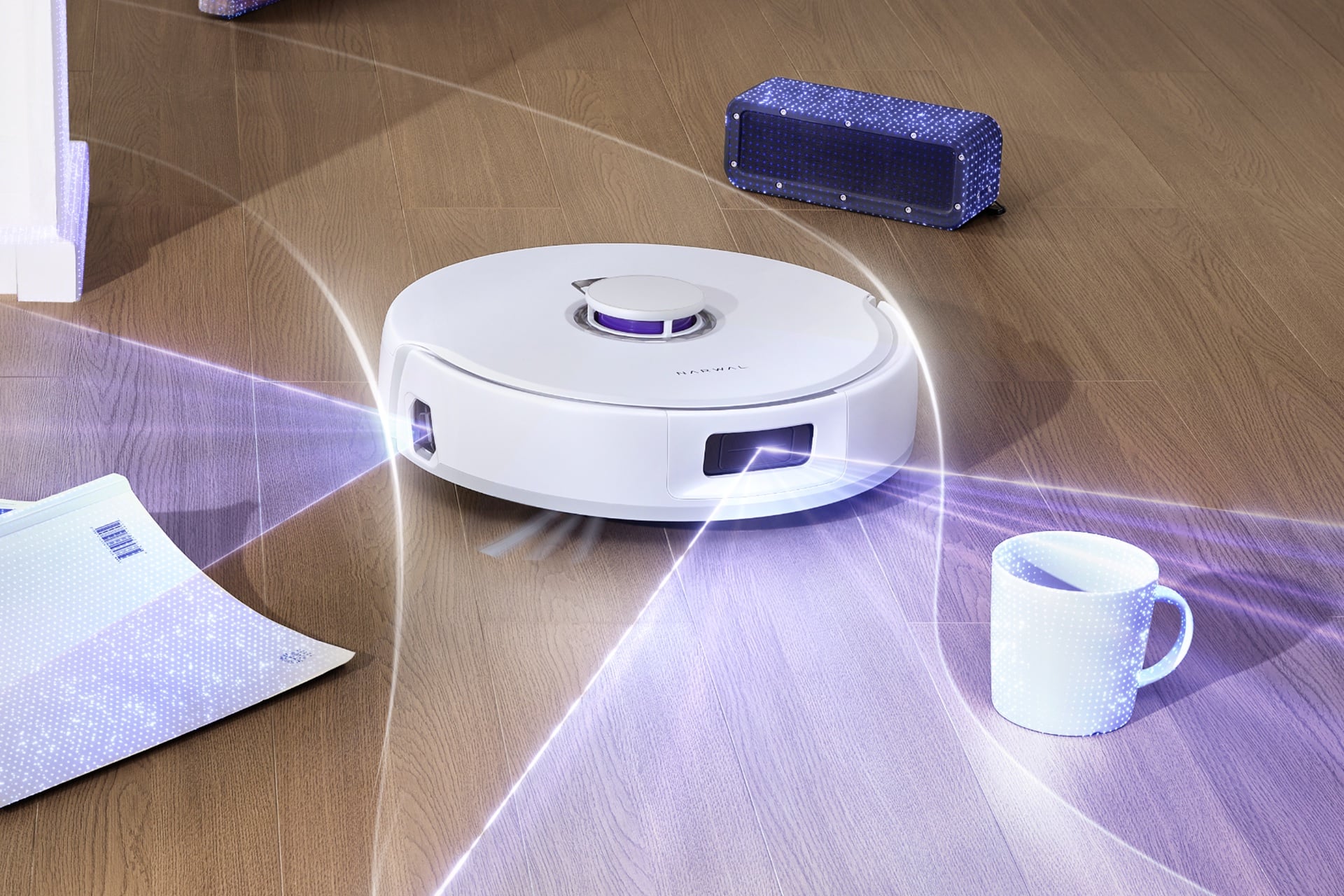
As for navigation, Narwal’s new robot vacuum will use structured light—that is, project light in specific patterns to read the texture of objects, similar to Face ID on an iPhone—for obstacle avoidance, as well as LDS for mapping and navigation. As with many robot vacuums these days, you’ll find the LDS lasers in a raised circular cluster on top of the Z10 Turbo.
At $900, the Narwal Freo Z10 Turbo is already priced lower than many of the products it emulates, but the company says it’s launching with a $300 discount. From its May 18 launch to May 31, it’ll cost $600. That’s in line with some of the most basic self-emptying robots on the market. Of course, it’ll still need to perform well, even at that price; nobody wants to pay $600 for a robot vacuum they have to constantly babysit.