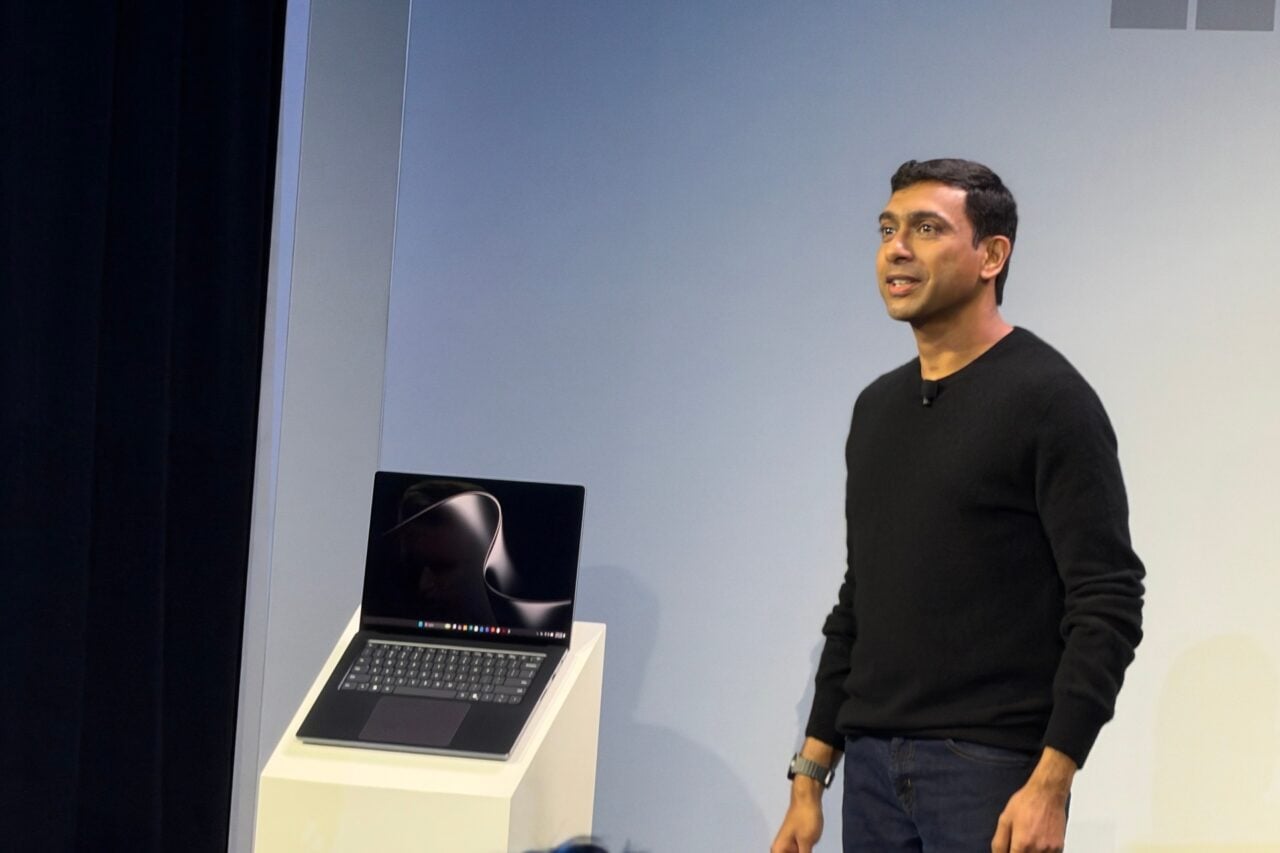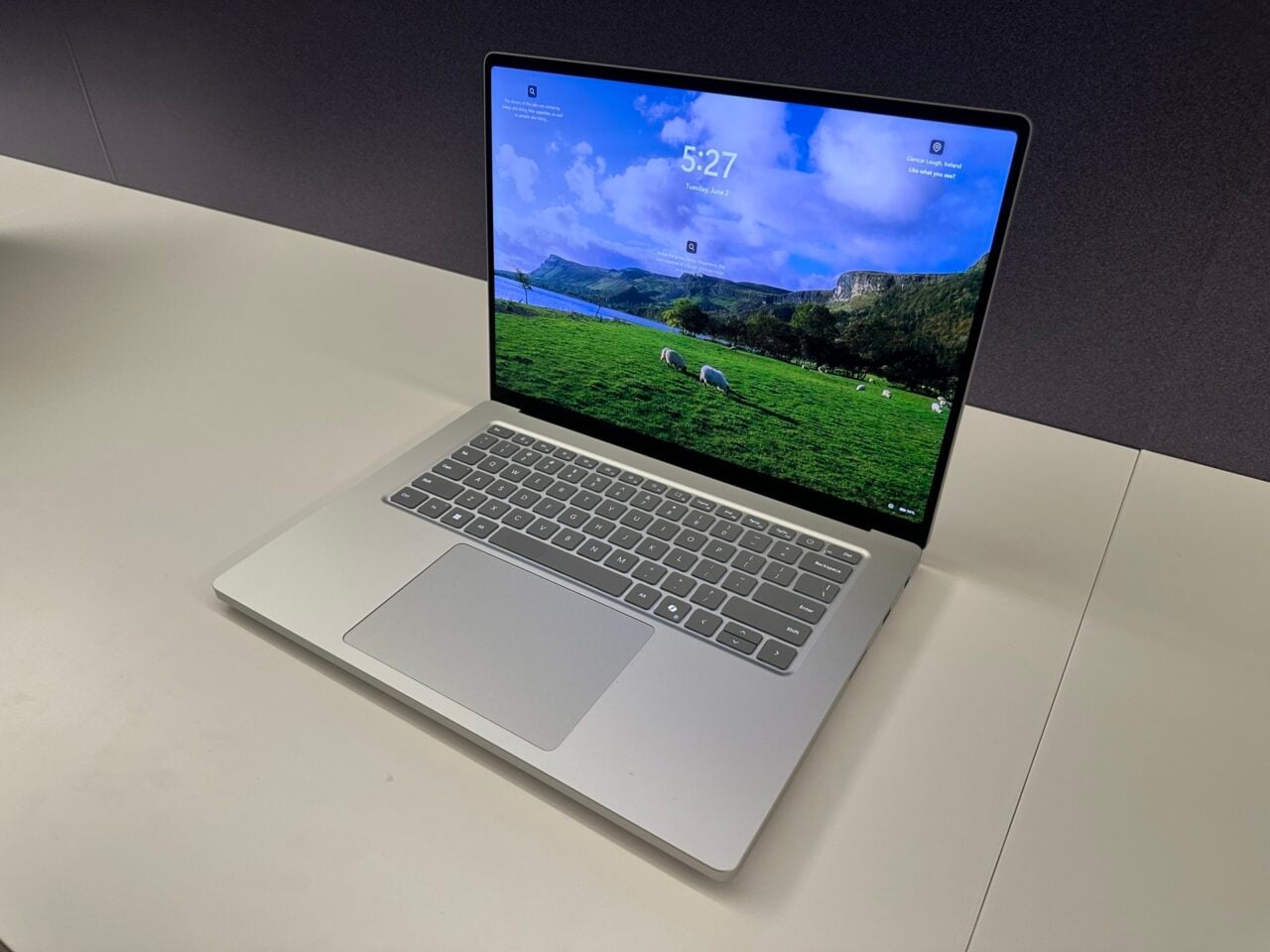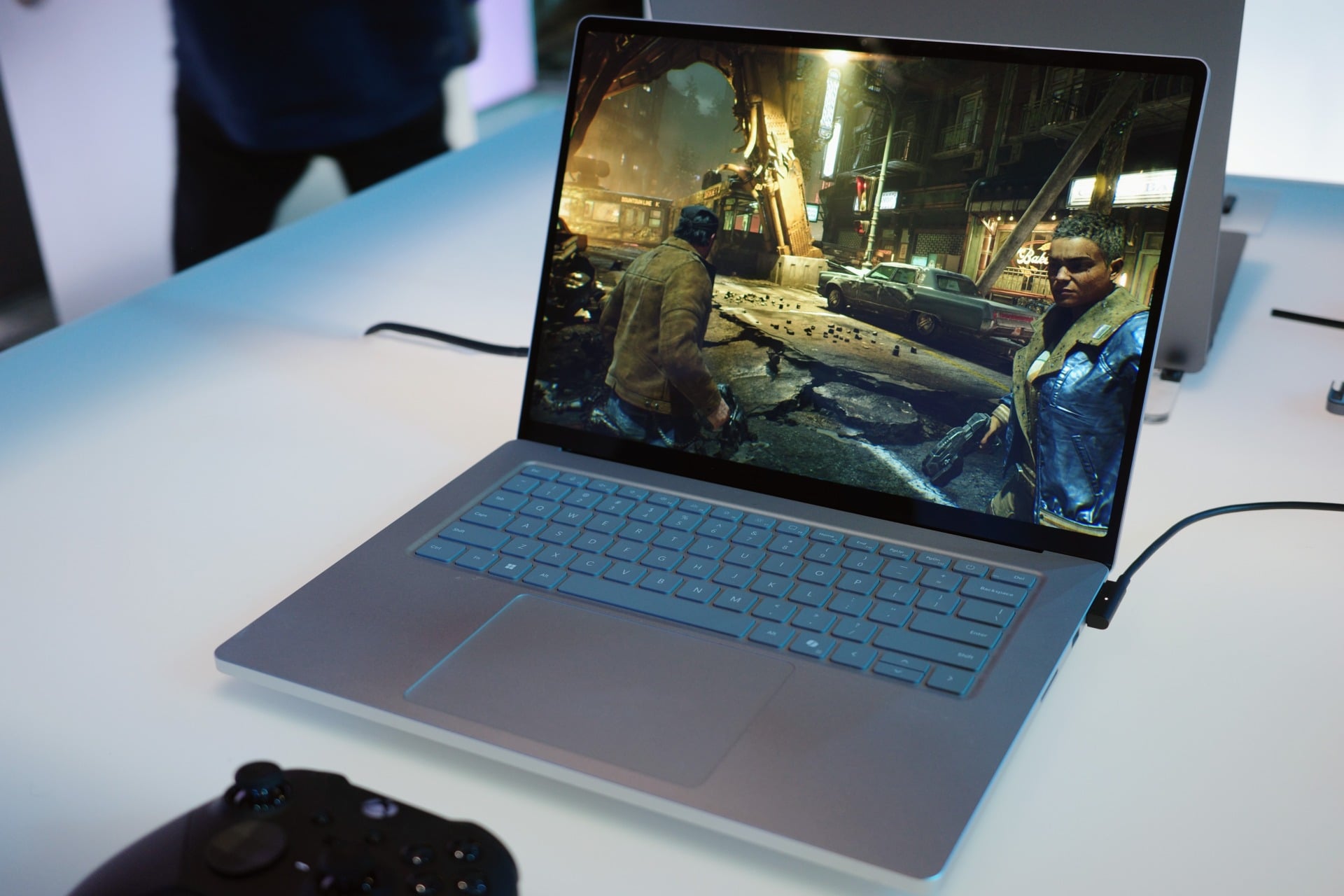
Fans of Microsoft Surface devices have had to suffer a lot of indignity lately. The Windows makers’ laptops cost more than ever. The latest variety, even with new colors, looks very familiar to what’s come before—and with ARM-based processors that may not be classic PC users’ first cup of tea. Now the Surface Laptop Ultra is trying to convince the world that gray slabs of laptops are cool again. You know what? Microsoft may have made its best case yet.
I’ve only had a short time to rummage through Microsoft’s first RTX Spark device. It’s a laptop powered by Nvidia’s N1X chip, a CPU built in collaboration with MediaTek that combines yet another ARM-based Windows experience with Team Green’s answer to practically any problem: CUDA GPU cores. The Surface Laptop Ultra is billed as a MacBook Pro competitor, not just because of the squat shape and size, but because Microsoft proposes it can be your “everything” laptop that doesn’t compromise on battery or GPU performance.
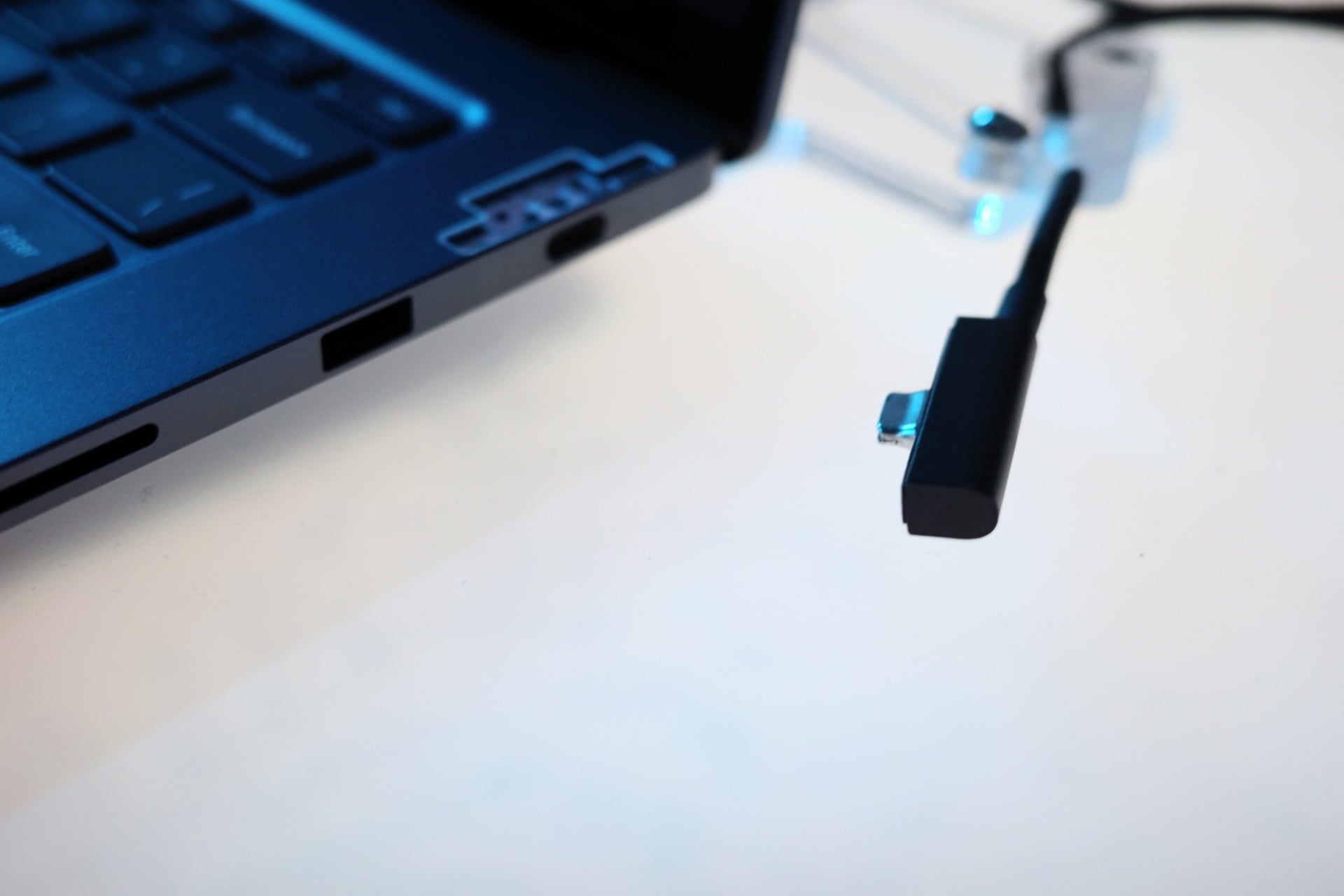
That performance promise is still to be determined, especially because the Surface Laptop Ultra is a complicated proposition. The GPU horsepower running inside the laptop does allow you to play games like Gears of War: E-Day. Microsoft let me play at a smooth 60 fps running at medium graphics settings with some variety of DLSS upscaling enabled. The company also showed the same game running at 120 fps, the max refresh of the laptop’s bright 15-inch mini LED display, with the help of frame generation.
The thing is, the game was running with the help of emulation, specifically using Microsoft’s Prism emulator. I’ve seen these same laptops running several other games both natively and emulated, and I’m still surprised how well they manage to perform. Emulation from x86 to ARM microarchitectures necessarily impacts performance to some degree, but the game still looked gorgeous. Microsoft could not confirm whether it would launch an ARM-native version of E-Day anytime soon.
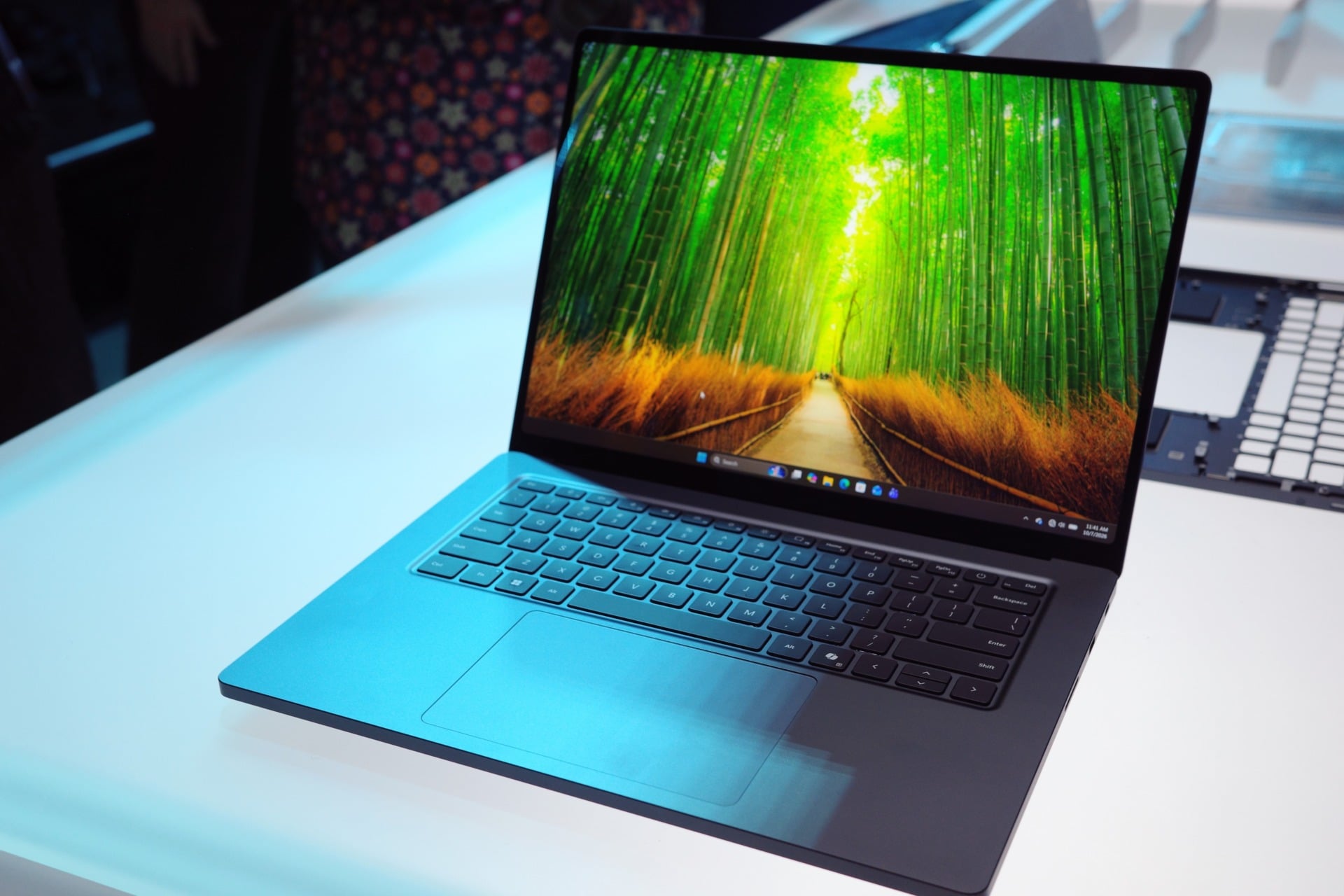
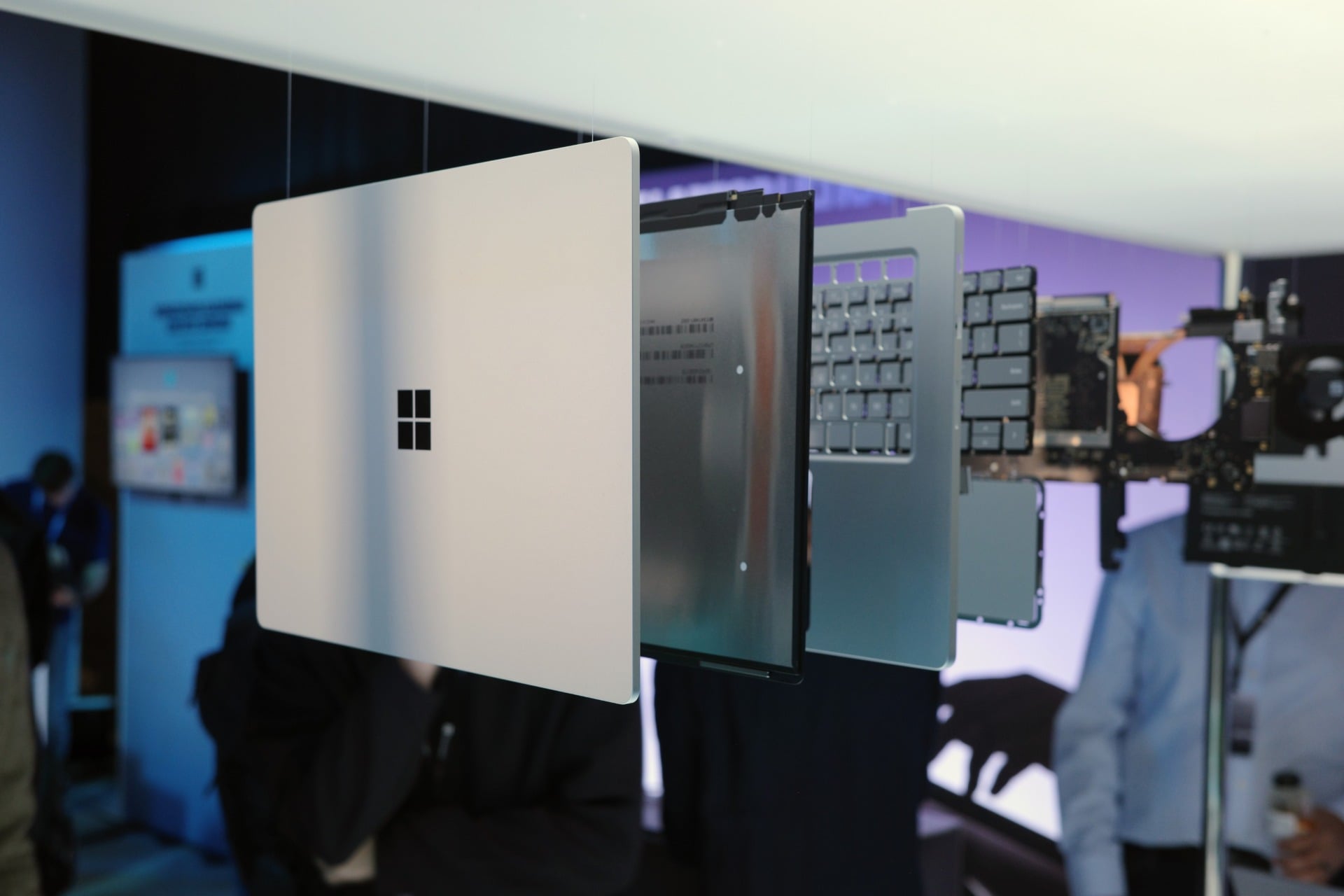
What’s more immediately compelling is the build quality. This solid metal shell is only 0.7 inches thick, and it weighs just under the 4.7 pounds of a 16-inch MacBook Pro. It has plenty of ports, including a full-size SD card reader. Better than all of that is how Microsoft has finally taken the Surface Connect port and made it so, so much better. The magnetic USB-C port accepts up to 140W of charging power. If you hold the magnetic port up to an inch away, it will plug itself so fast that, if you blink, you’ll miss it.
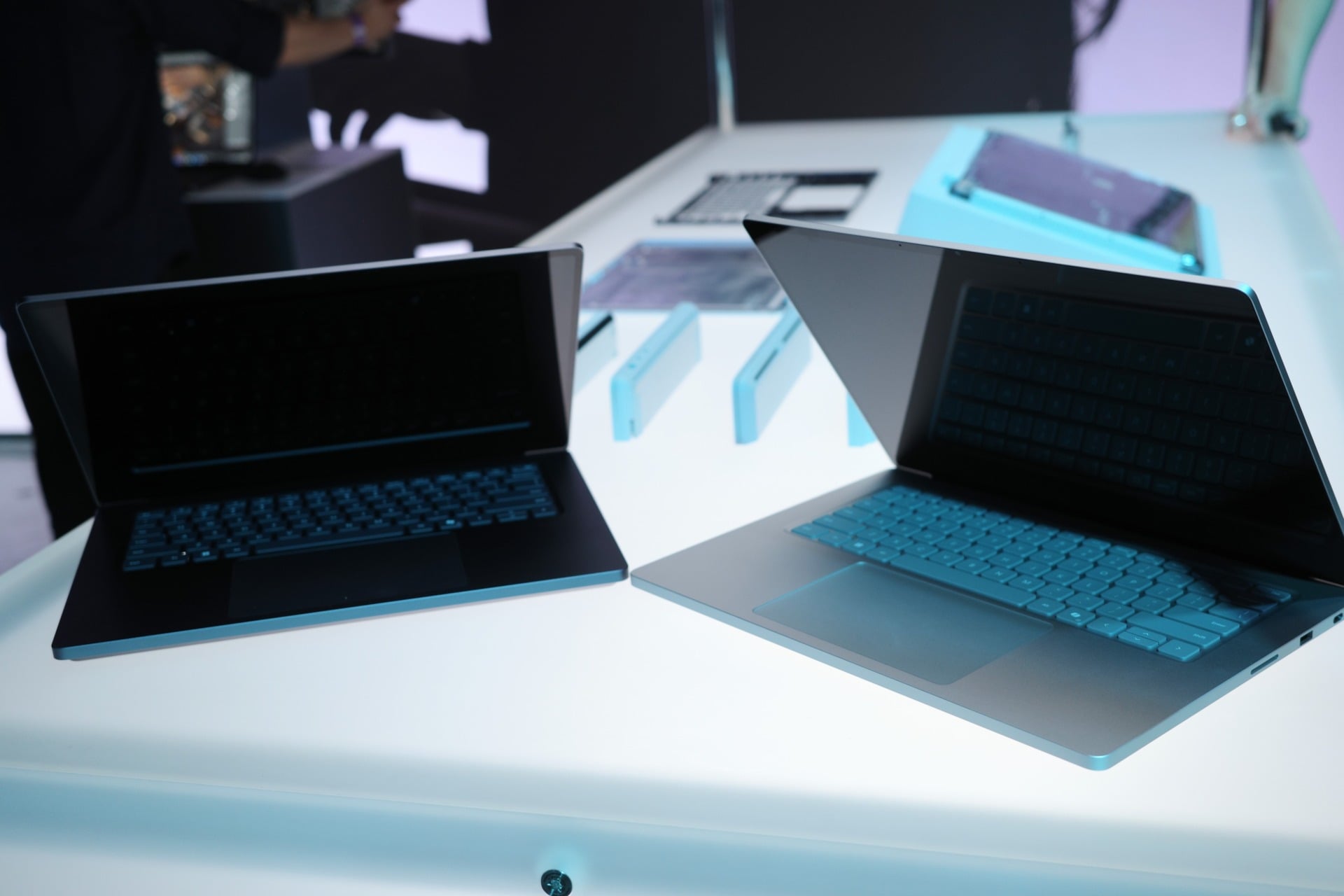
That port will still accept any non-magentic USB-C connection, so you’re not giving anything up. The modular 140W power brick isn’t that large either—about the size of a child’s fist. And, besides, you may not need that charging unit all the time. Microsoft goes so far as to claim that it maintains 99% GPU performance even when you’re away from an outlet. That would indeed be huge if true. Many gaming laptops with discrete GPUs depend on massive power bricks to hit their peak standard performance.
What’s inevitably going to confuse some buyers is the various configurations on offer. Microsoft will sell you a $2,600 Surface Laptop Ultra with 512GB of SSD storage and 24GB of unified memory. It can be configured with up to 32GB of unified memory and 1TB of storage, but you’ll end up spending $3,300. There’s another version of the laptop that bumps up from an 18-core CPU to a 20-core GPU. That config has 64GB or even 128GB of unified memory, potentially making the laptop cost close to $6,000.
The people who will want to spend more are going to be the AI developers. Microsoft showed me a demo of a 3D modeler using an AI pipeline to craft background models for their custom starship design. They then explained how they could export it into Photoshop to turn it all into an animated video. That laptop was only running 64GB of memory, and the Windows maker promised these AI demos were all running on-device. However, both Nvidia and Microsoft keep implying you’ll still need to use some cloud-based AI model for some tasks. I’d much prefer if I didn’t have to even consider some cloud subscription for whatever new capability is in the new Copilot app.
Whether or not you care about AI, the performance of this laptop sounds exactly like what I have for so long desired from a PC: a thin size, a promised strong battery life, and performance to boot. It’s just going to be a very complicated laptop, and we won’t know just how many caveats we’ll have to manage until we get much more time with the device in hand. The Surface Laptop Ultra, alongside all RTX Spark PCs, launches Oct. 16.