A new study suggests changes in wind patterns may have caused a striking ecological failure in Central America.
A recent study claims to have found new geochemical evidence of an Earth-altering comet impact at the end of the last ice age, but skeptics still aren't convinced.
For anyone who can afford to go solar, "now would be the time" because House Republicans want to end federal tax credits that make it affordable.
The truth might be simpler than what you likely learned in high school.
Too bad President Trump is taking a wrecking ball to the federal agencies that could investigate the strange phenomenon.
Historical texts, from official records to personal chronicles, are revealing how 16th-century weather shaped Transylvanian society.
In sweeping executive orders, Trump clears the way for incandescent bulbs and powerful toilets while revoking Biden's old orders.
The achievement represents the longest continuous record of Earth’s climate from an ice core.
With a newly elected leader, the International Seabed Authority must decide the future of more than half of the world’s ocean floor.
A big change in air pressure likely ruined cups of tea across Britain, scientists say.
Was this extra warming a blip, or a sign that climate change is veering off predictable tracks?
Averaged across the whole planet, this week's daily average temperatures are reaching new heights.
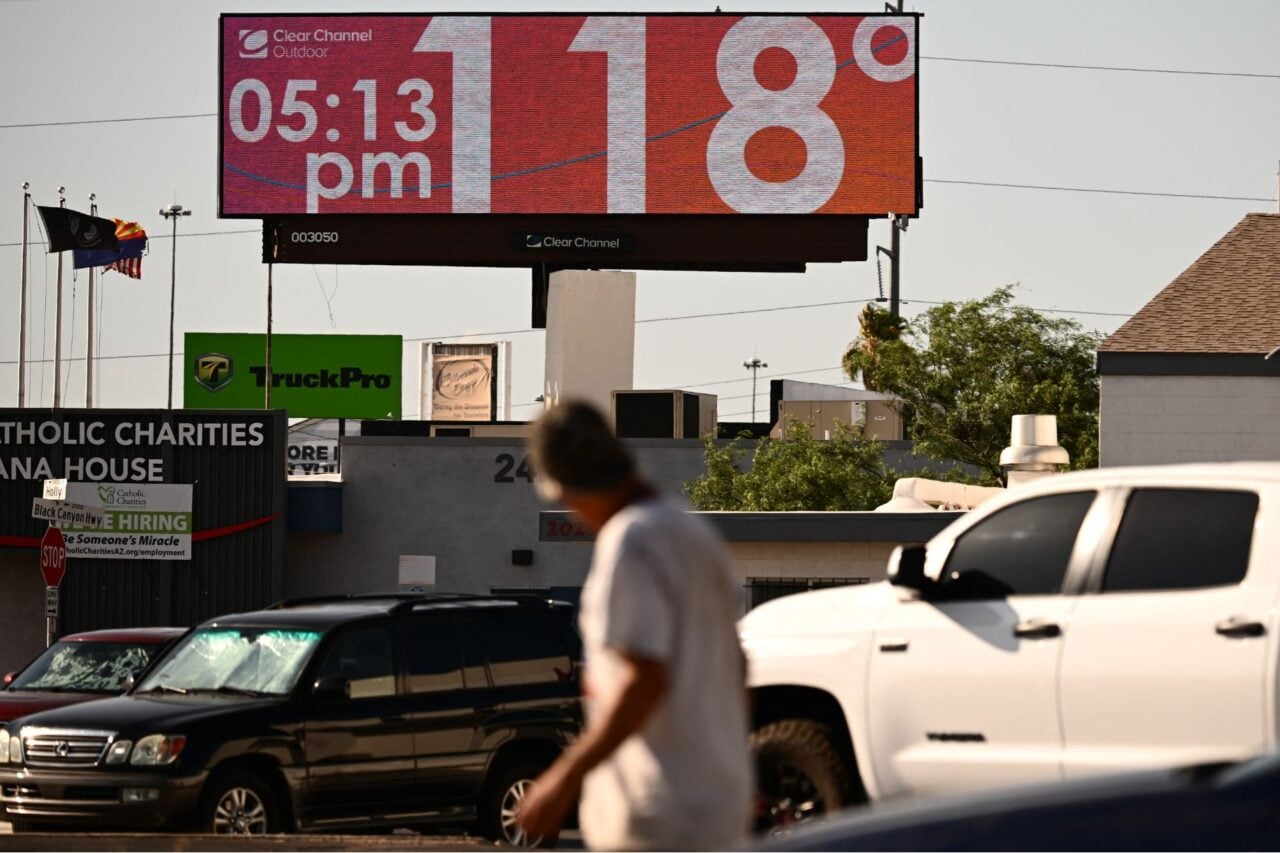
The lone star state’s heat is going to feel hotter than usual, thanks to the combination of heat and humidity.
The Caribbean archipelago is expected to experience heat indices between 108 and 111 degrees Fahrenheit this week.
The next five-year period "will be the warmest on record," the World Meteorological Organization warned.
The extremity of the deadly heat wave is visible inside the region's trees, new research shows.
For the fourth year in a row, the oceans are hotter than ever. "If we keep breaking records, it's kind of like a broken record," said one researcher.
40 years of data show seemingly related temperature fluctuations thousands of miles apart in the planet's troposphere.
The latest forecast from NOAA says that La Niña will make for a dry winter—a sign that we can expect another year of drought.
Greenland’s glaciers and snow reflect heat away from the planet, so rapid melt puts the planet on a path to faster warming.