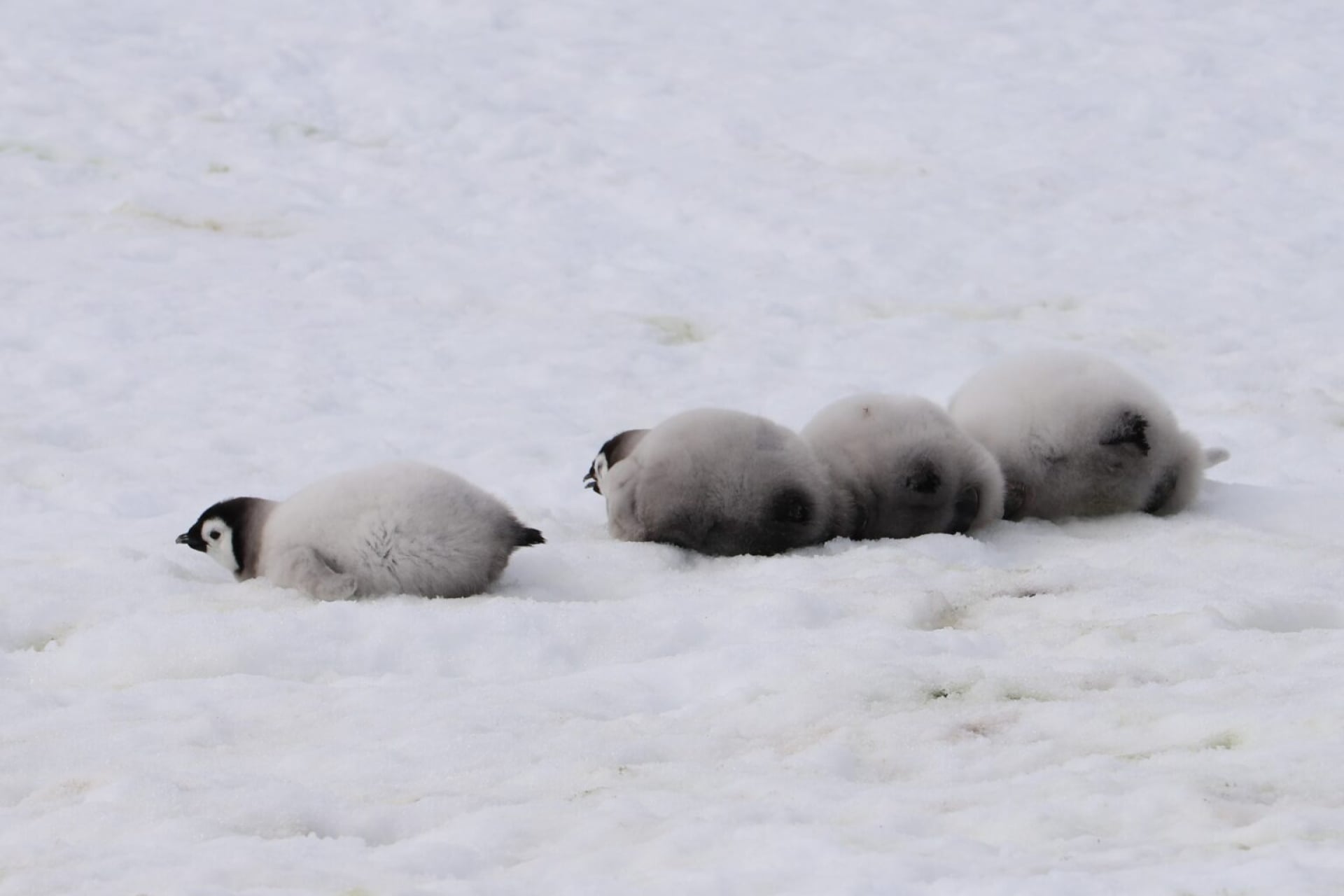
As a decades-long penguin lover, a (perhaps futile) comfort I took despite climate change was that penguins weren’t outright endangered, save for a few species. But of course, with all things climate change, we can’t have the good things.
In a statement today, the International Union for Conservation of Nature (IUCN) officially reclassified emperor penguins as “endangered.” The new categorization represents a two-step jump from its previous 2019 classification of “near threatened.” In addition to emperor penguins, the IUCN announced that the Antarctic fur seal was moved from “least concern” to “endangered,” and the southern elephant seal from “least concern” to “vulnerable.” Except for the southern elephant seals, which have suffered an avian flu outbreak since 2020, the IUCN explicitly cited climate change as the cause of significant population decline in these species.
“The declines of the emperor penguin and Antarctic fur seal on the IUCN Red List are a wake-up call on the realities of climate change,” IUCN director general Grethel Aguilar said in the release.
Catastrophic crash-outs
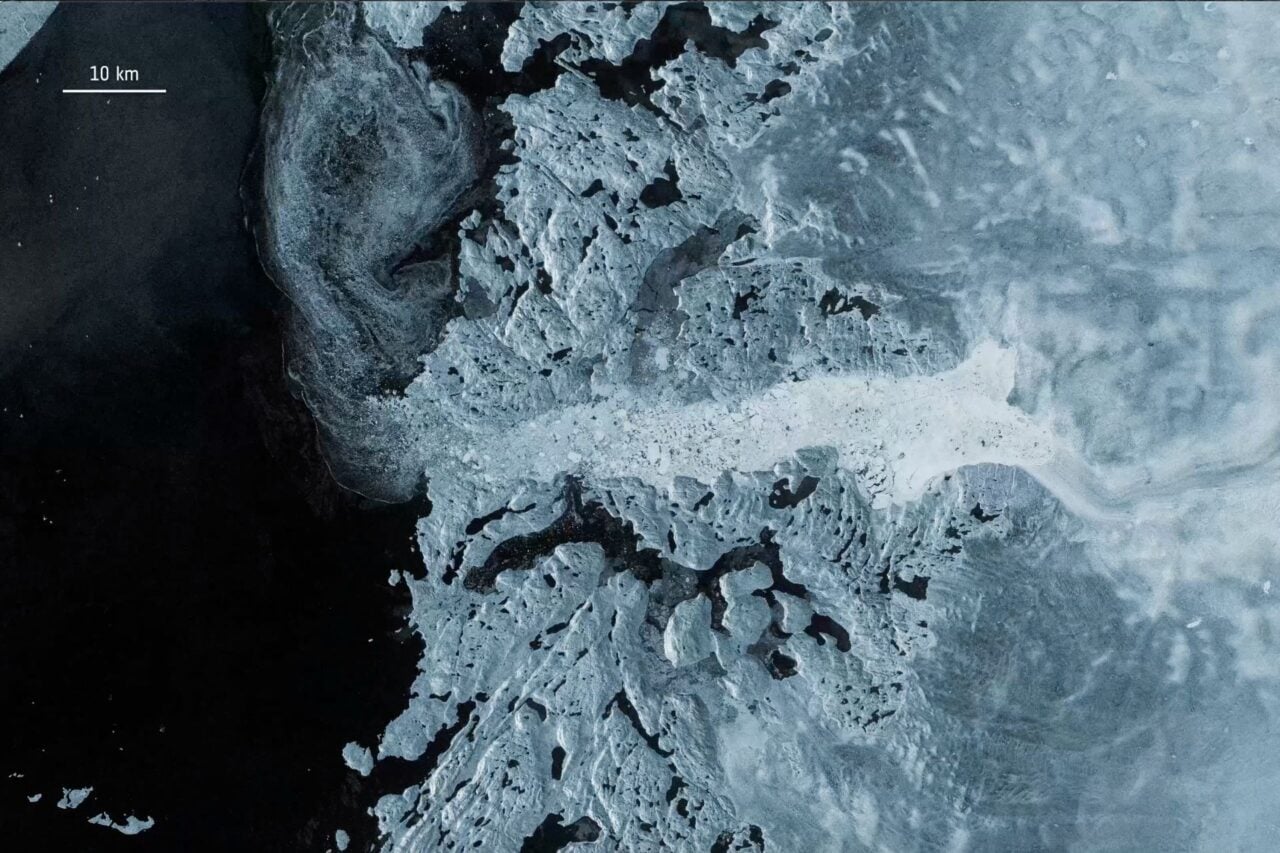
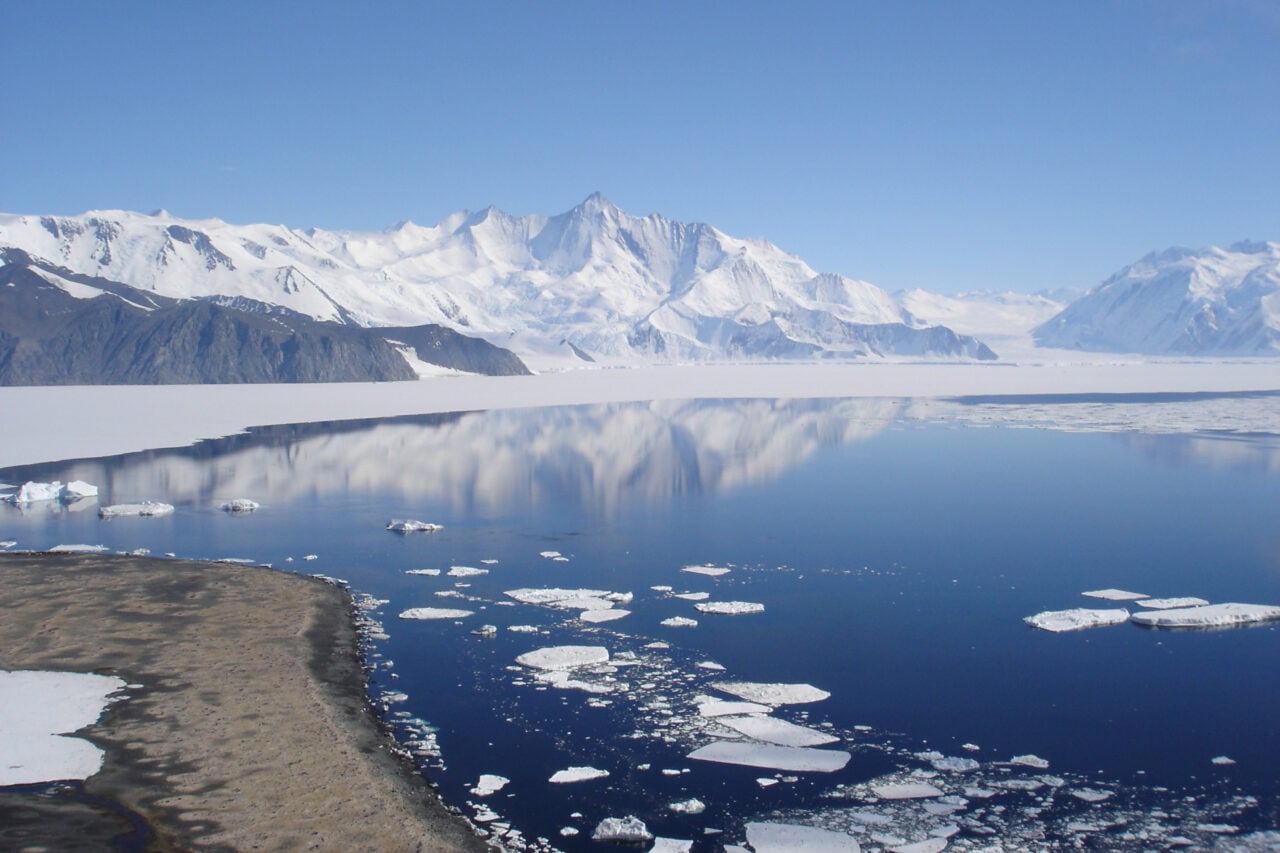
Since 2016, sea ice levels have continuously reached record lows. According to the British Antarctic Survey (BAS), emperor penguins depend heavily on fast sea ice for breeding and molting. When sea ice breaks too early, entire colonies of fluffy, not-yet-waterproof penguin chicks can fall into the ocean and drown. Indeed, thousands of baby penguins died this way in the past decade.
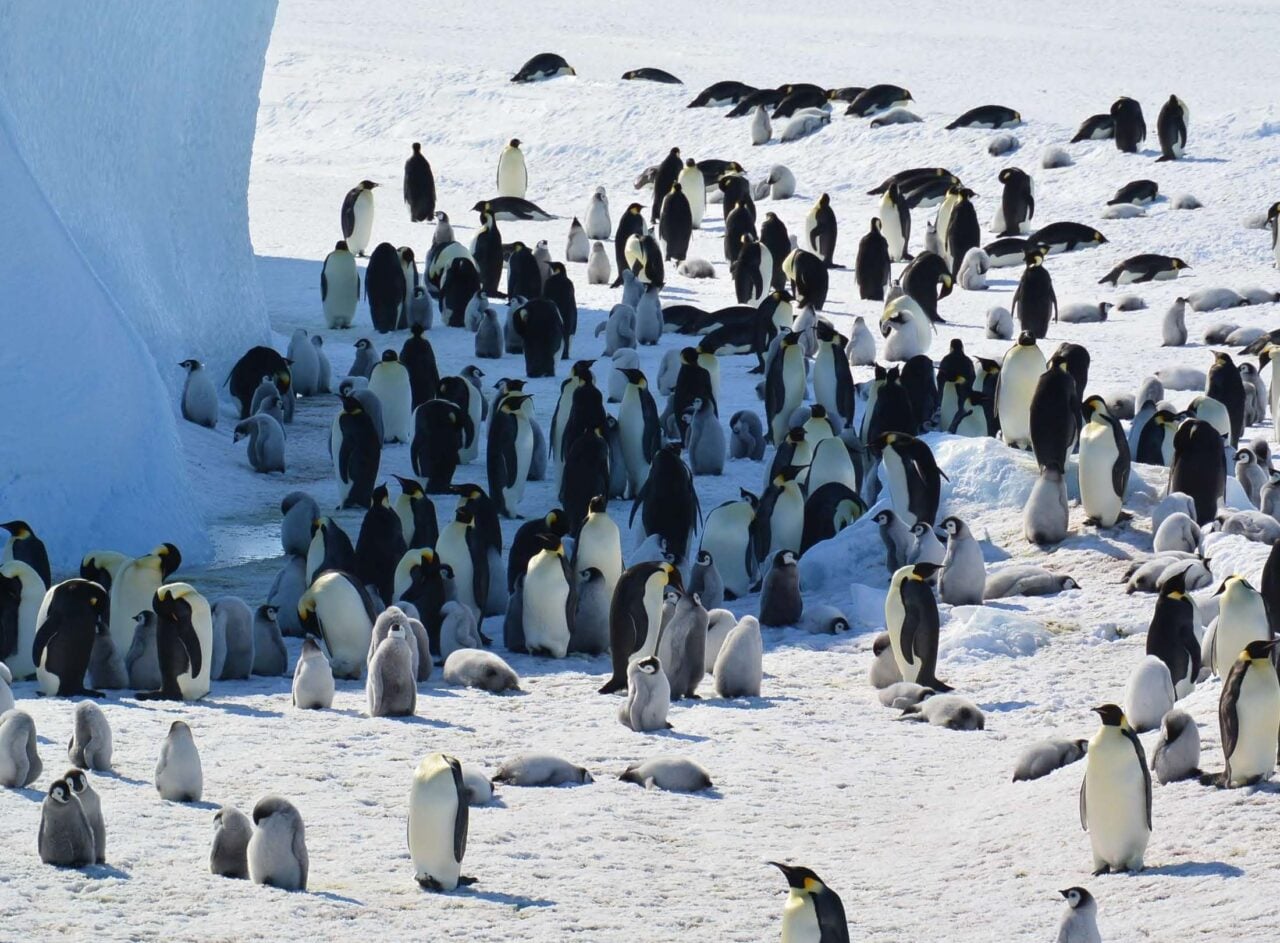
Overall, satellite images suggested around a 10% decline in adult emperor penguin populations between 2009 and 2018. The most recent projections anticipate that, without drastic reductions in greenhouse gas emissions, emperor penguin populations will halve by the 2080s.
“It’s timely to see the IUCN upgrade the status of the emperor penguin, but obviously very sad that this magnificent creature is facing such a bleak future,” Peter Fretwell, a BAS penguin scientist, said in the institute’s statement. Although most of them will never see a human, it is our actions that are driving them towards extinction.”
Bad, worse, terrible
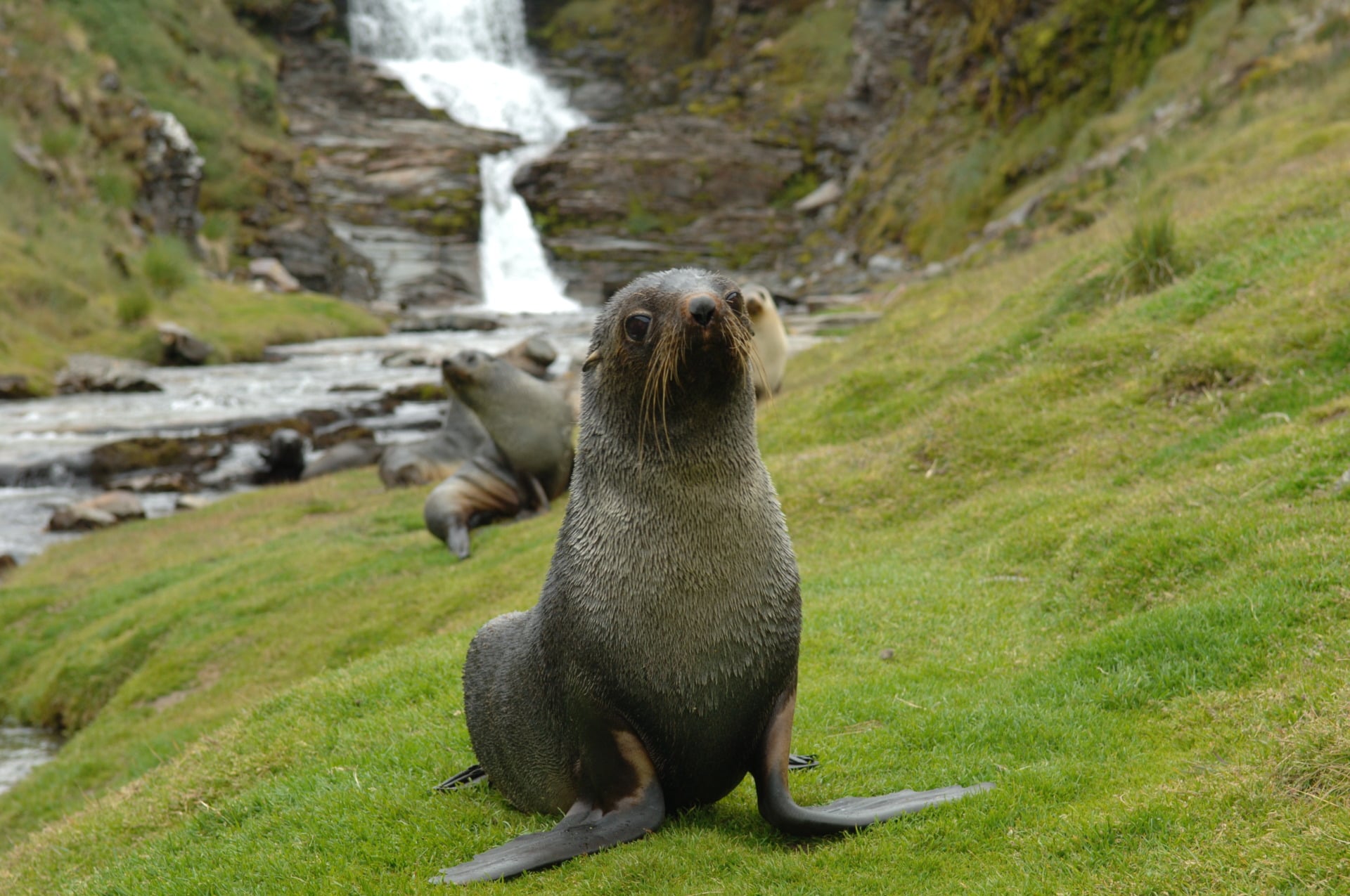
Meanwhile, the Antarctic fur seal moved up even closer to extinction than the penguins, from least concern to endangered. The IUCN explained that, between 1999 and 2025, the seal population decreased by more than 50%, from roughly 2,187,000 to 944,000. The primary cause is food insecurity, as rising ocean temperatures and sea ice decreases are driving krill to dive deeper to find colder water.
The southern elephant seals, on the other hand, have suffered a serious pandemic of avian flu since 2020. In some colonies, over 90% of newborn pups died from the disease. While not directly related to climate change, the IUCN stressed that rising temperatures will expose animals in polar regions to more pathogens than ever before.
“These important findings should spur us into action across all sectors and levels of society to decisively address climate change,” Aguilar said. “Antarctica’s role as our planet’s ‘frozen guardian’ is irreplaceable—offering untold benefits to humans, stabilizing the climate, and providing refuge to unique wildlife.”
The full assessments for each species are available here as IUCN pre-publication reports.