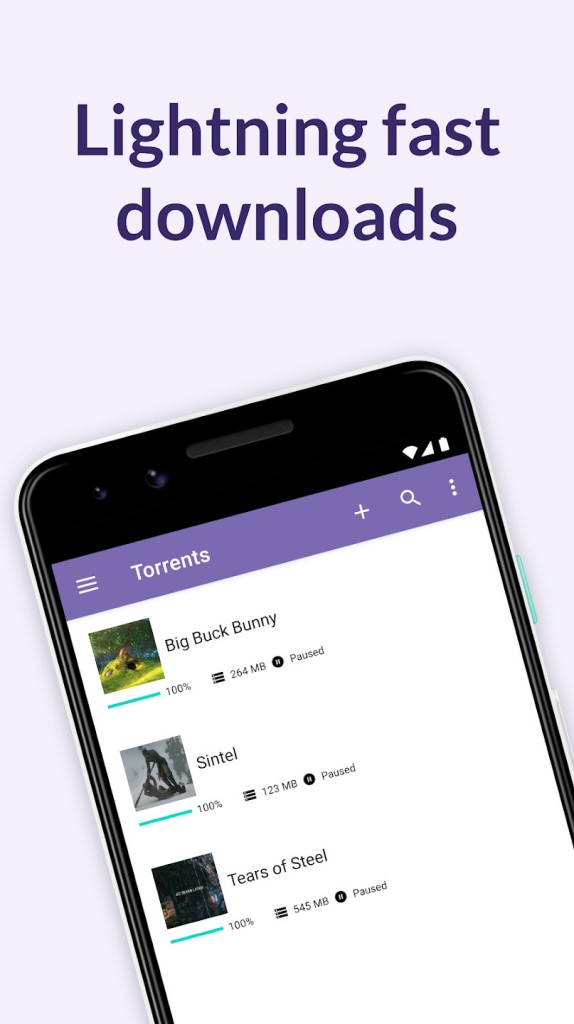
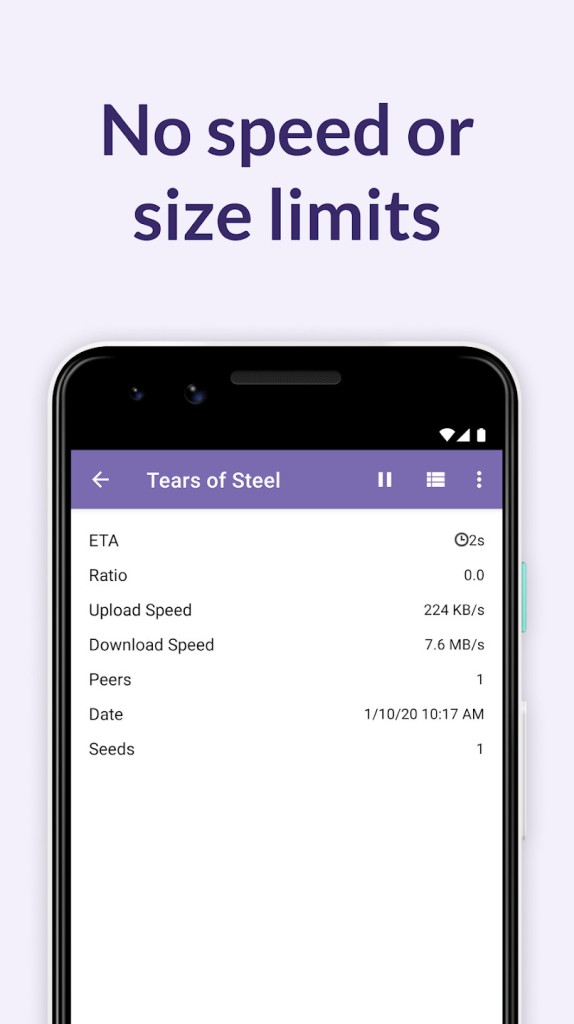
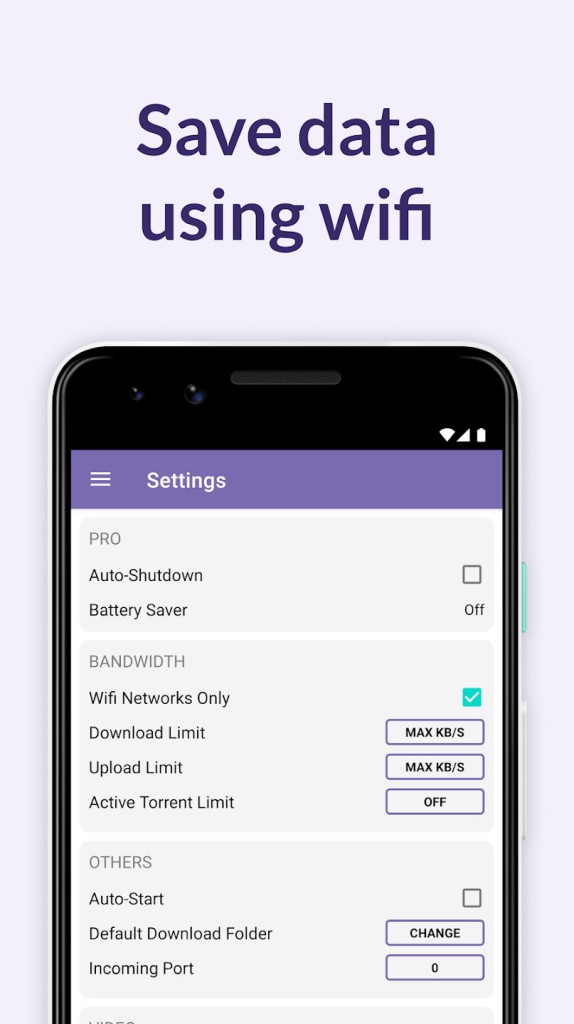
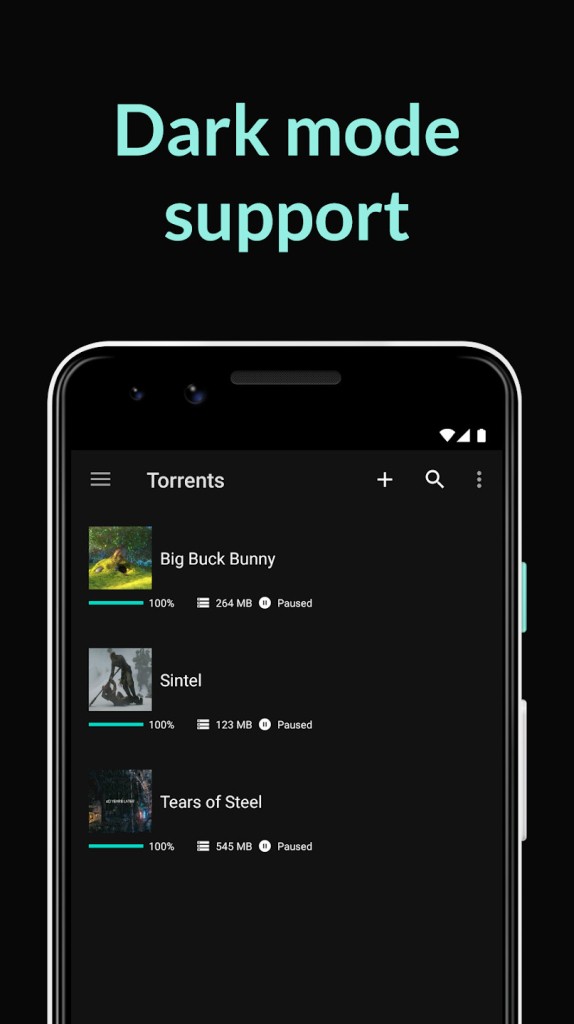
The peer-to-peer (P2P) file-sharing protocol BitTorrent enables users to quickly distribute and download substantial files over the internet. The decentralized file-distribution system of BitTorrent employs a distinct method from standard server-based file downloading, as it fragments data into multiple pieces for user-network distribution. Users can simultaneously contribute bandwidth through this method, resulting in faster downloads while distributing the file across many servers. Additionally, BitTorrent supports distributed hash table (DHT) peer exchange (PEX), and magnet links, which allows for decentralized peer discovery without the need for central trackers or .torrent files.
The distributed content sharing model, which BitTorrent introduced to the world, became available from creator Bram Cohen in 2001. The BitTorrent protocol serves as a mainstay download standard that people use to get enormous files, including software programs, along with movies, music, computer games, and open-source project resources. Several BitTorrent clients operate with the BitTorrent protocol, including the official client, as well as uTorrent and additional third-party developer applications. While maintaining compatibility with the previous version, the more recent BitTorrent v2 protocol further improves security and speed by utilizing SHA-256 hashing and hash trees for more effective integrity checks.
The BitTorrent download process benefits from peer distribution because it retrieves file portions from multiple users rather than relying on a dedicated server. The system increases transfer speed and protects against system failures because files are downloaded from different sources. Clients also allow selective file downloading, file prioritization, and resume support from interruptions, ensuring flexibility and convenience for large or partial downloads. The decentralized system of BitTorrent leads to its frequent link with lawful and unlawful sharing of files. The technology remains legal, yet its utilization depends specifically on the nature of downloaded content, whether free distribution or protected copyright.
Why Should I Download BitTorrent?
Regular users of large-file downloads and sharing require BitTorrent as an essential application for their needs. The standard download systems tend to deliver slow and inconsistent results, particularly when users deal with busy server traffic. Through its peer-to-peer (P2P) system, BitTorrent maintains speedy, consistent file transfers when several users simultaneously seek the same content.
Users should choose BitTorrent because it operates with exceptional efficiency. Users gain faster download times through BitTorrent because files are divided into fragments that are obtained from various sources simultaneously. The protocol permits continued file downloads from the point of interruption, which makes it suitable for large downloads, including software distributions, images, and high-resolution media files. Advanced clients further include bandwidth throttling, scheduling, encryption options, and IP blocklists, giving users detailed control over security and resource allocation.
BitTorrent provides decentralized operations as one of its main features. Any centralized file-sharing service relies on a host server, but BitTorrent operates without relying on a single centralized server. Content remains accessible through peer-to-peer sharing even after a user stops downloading because users who obtained portions of files already continue to distribute them to others. Many content providers use BitTorrent since it stands as the preferred system for open-source software distribution and spreading academic research papers and large datasets. Some clients also integrate RSS feed support for automatic torrent fetching, web-based remote control, IPv6 compatibility, and NAT traversal protocols like UPnP and NAT-PMP for seamless connectivity.
Through BitTorrent, content creators achieve efficient distribution of their work effortlessly without needing expensive server systems. Customers can download content from multiple other users instead of one server, which reduces payment costs for content providers using this system. The worldwide reach BitTorrent provides is why various independent developers, together with game studios along creative professionals, use this peer-to-peer method to disseminate their work. For optimized seeding, some implementations offer super-seeding mode, which minimizes redundant data uploads while accelerating the distribution of new torrents.
Users need to stay alert to security risks when using BitTorrent, even though it provides numerous benefits. They may expose themselves to dangerous software when file sharing occurs, since any user can share files through this system. They can protect themselves by downloading files from verified sources while performing scanned file checks with antivirus protection.
Is BitTorrent Free?
The BitTorrent service does not require payment from users to access it. Free access is available to both the official BitTorrent client application and various P2P programs derived from the BitTorrent protocol. All necessary features needed for efficient file sharing and downloading through the software can be accessed by users who utilize its free version.
The premium version of BitTorrent Pro adds two main features through its ad-free interface and embedded antivirus protection, as well as download and stream functionality. The Pro version of BitTorrent provides users with upgraded security features, combined with enhanced speeds, and removes all advertising content during use.
What Operating Systems Are Compatible with BitTorrent?
The cross-platform BitTorrent application gives users the ability to access its services on different operating systems, which accommodates diverse user bases. Users can access BitTorrent through its official versions that support Windows, macOS, and Linux operating systems, which cover most laptop and desktop machines.
The BitTorrent software operates on all current versions of Windows, starting from Windows 7 through Windows 8, and additionally supports Windows 10 and Windows 11. The client maintains a lightweight structure and uses minimal resources, which enables users to utilize it on both modern and older machine systems.
Users of Mac computers can download BitTorrent, which offers installation support for all current macOS releases. Users of macOS can utilize BitTorrent successfully after granting the required authorization to bypass built-in security restrictions.
Linux users have multiple choices to use BitTorrent by running Transmission or Deluge among various open-source clients. Although the original BitTorrent client receives minimal use in Linux environments, users can select from multiple alternative applications that support the protocol mechanism.
What Are the Alternatives to BitTorrent?
Apart from BitTorrent, users have access to different P2P file-sharing clients and technologies that offer comparable features. Different file-sharing alternatives exist for users who want to address their preferences alongside security needs and particular application purposes.
The widely used platform uTorrent (μTorrent) exists as an alternative to BitTorrent Inc. The application provides an unweighted interface that delivers nearly all the functionality of BitTorrent. Users complain about uTorrent's bundled software and its intrusive advertisements; thus, many people look for software alternatives that do not contain these issues. uTorrent also supports remote control via Web UI, scheduling of speed limits, automatic port forwarding (UPnP/NAT-PMP), and built-in magnet link support.
When users require an open-source software platform with no advertisements, they should consider qBittorrent as their main torrent client. The feature set of BitTorrent and uTorrent aligns with this program's features, while maintaining a minimal system impact and enhanced privacy measures. Users opt for this program because it represents an excellent balance between security and easy-to-use features. qBittorrent further adds an integrated search engine with filtering (including RSS with advanced rules), support for sequential downloading (allowing you to stream or preview while downloading), IP filtering/blocklists, and cross-platform availability on various systems (Windows, macOS, Linux, FreeBSD, OS/2). It also allows fine-grained control over trackers, peers, bandwidth scheduling, and prioritization of torrents and files.
The BitTorrent client Transmission serves as a popular choice for Linux users who want an intuitive and effective application. The interface presents itself through a streamlined design that appears as a default program within numerous Linux distribution packages. Transmission is available for macOS users to offer a clean torrenting solution while avoiding extra program weight. Transmission includes features such as a lightweight backend with multiple front-ends, including command-line and web-UI, automatic port mapping (UPnP / NAT-PMP), blocklists for bad peers, support for multiple trackers, local peer discovery, TP protocol, encrypted connections, and bandwidth limits (global and per-torrent, including time-of-day scheduling). It also includes support for BitTorrent v2 / hybrid torrents. It also supports remote control via a web server, partial IPv6 support, and tools to create and edit torrents directly.