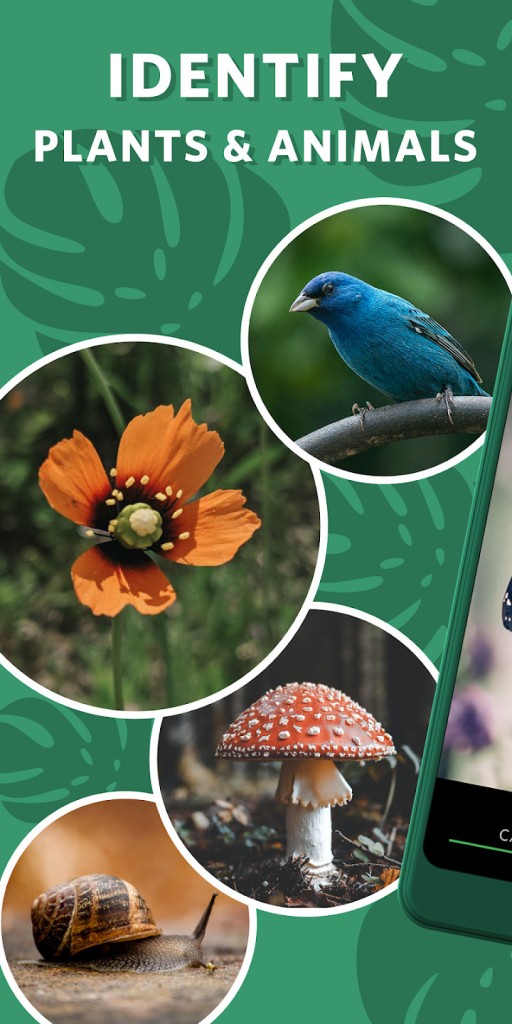
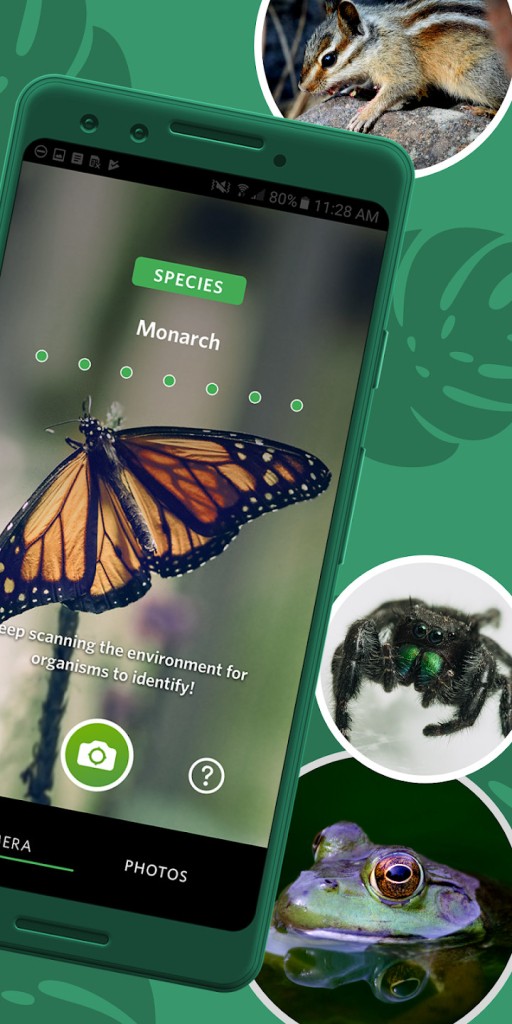
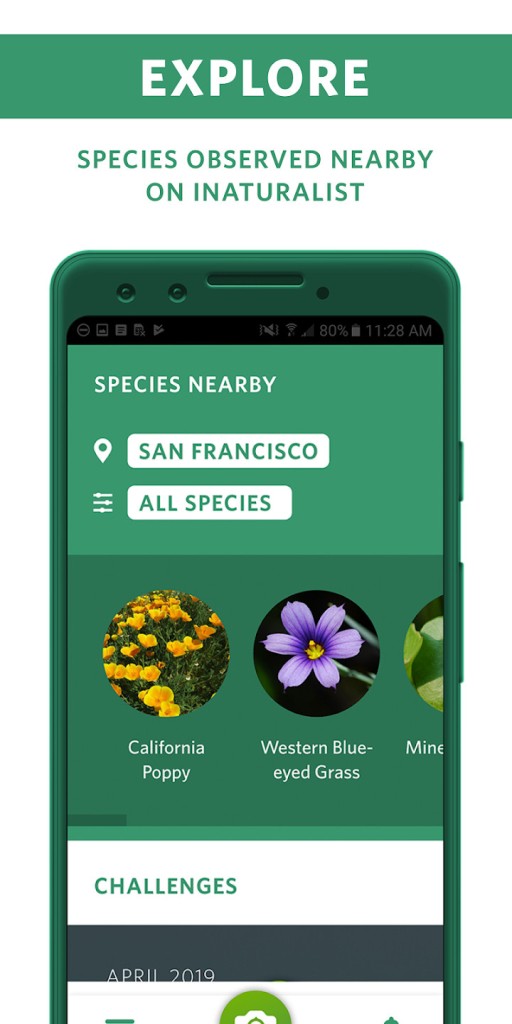
Seek is an app made by iNaturalist that helps you figure out what plants, animals, insects, or fungi you’re looking at. You just point your phone’s camera at whatever you’ve found, and the app quickly suggests what it could be. It’s like having a pocket field guide that actually responds in real time, instead of flipping through dozens of pages or searching online for “yellow flower with five petals.”
The cool part is that Seek isn’t working off guesses alone. It uses the same database that powers iNaturalist, which is filled with millions of observations from scientists and regular people all over the world. Every time you take a picture, the app compares it to that giant collection and gives you the closest match.
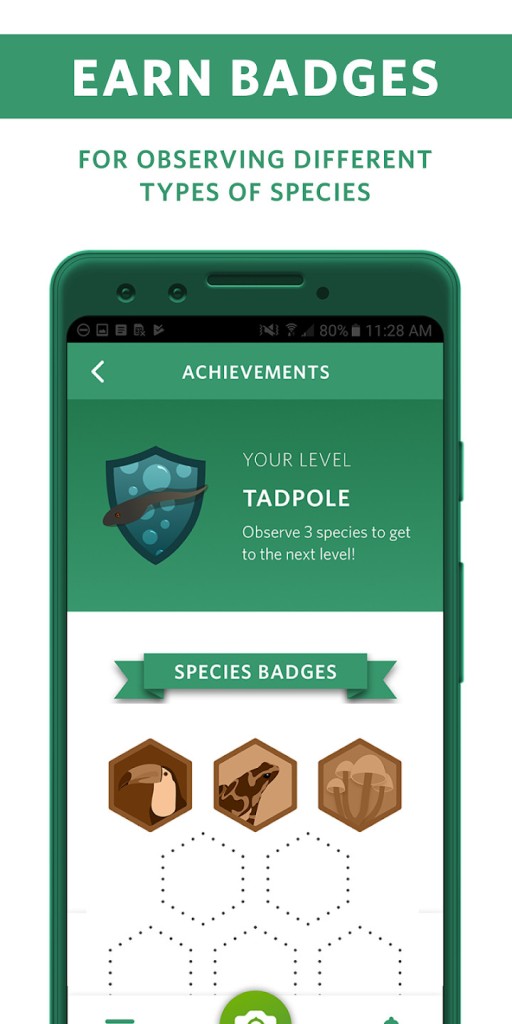
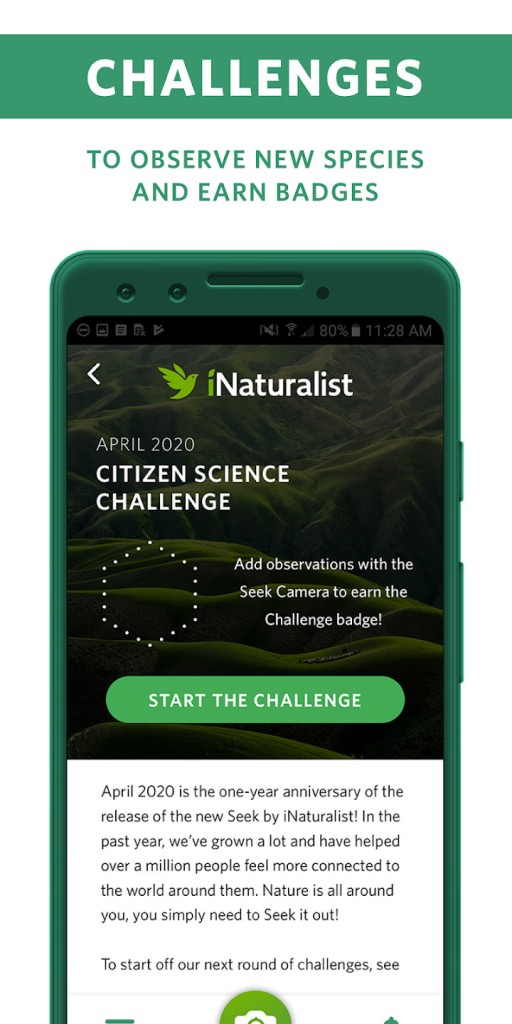
But Seek isn’t just about naming things. The app gamifies the experience with badges and challenges, so exploring nature feels like playing a game. Kids especially love this part—it turns a walk in the park into a mini adventure. And for adults, it’s fun too because it nudges you to notice things you’d usually walk past.
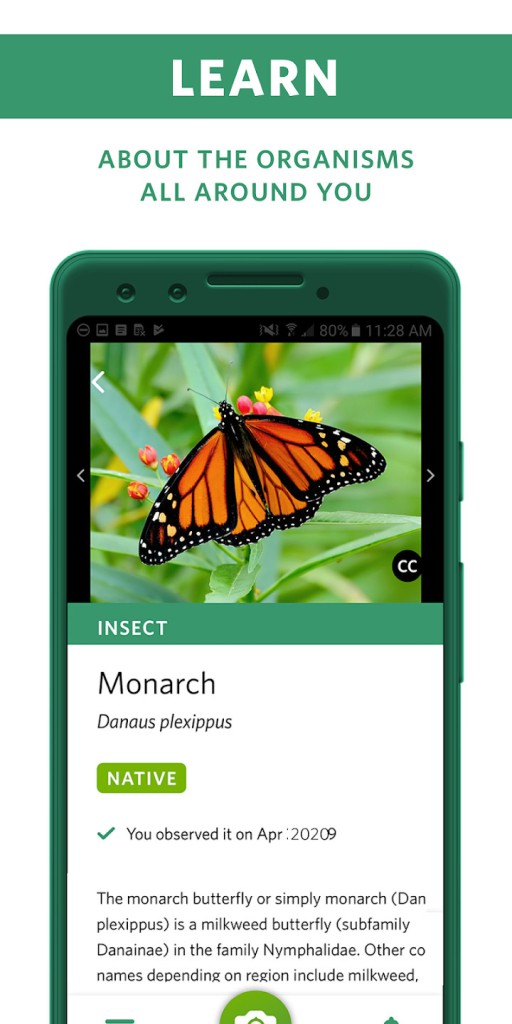
Teachers and parents often use it as a learning tool. You can show kids how to recognize trees, flowers, or birds right on the spot. The app also gives extra info, like where the species usually lives and little facts that make it easier to remember. It’s not just about saying, “This is a daisy.” It’s more like, “Here’s a daisy, and here’s what makes it special.”
Why should I download Seek?
The first reason is simple: curiosity. Everyone has moments where they look at something outside and wonder, “What on earth is that?” Instead of guessing or ignoring it, Seek gives you the answer in seconds. It scratches that itch of wanting to know without needing a textbook or hours of research.
It’s also incredibly user-friendly. You don’t need to know anything about biology or taxonomy to use it. Open the app, point your camera, and that’s it. Behind the scenes, it’s powered by a global community of experts and enthusiasts, but the front end is designed for everyday people.
Another reason is that it makes you more connected to your surroundings. Once you start using it, you begin noticing things you’d normally ignore—the weeds growing through cracks in the sidewalk, the birds singing outside your window, or the mushrooms popping up after rain. Suddenly, your neighborhood looks different because you’re actually seeing what’s there.
For families, it’s a great way to get kids outdoors. Instead of zoning out on a video game, they can earn badges and complete nature challenges. Parents often mention that it turns a boring walk into a treasure hunt. For schools, it doubles as an educational resource—teachers can assign projects where students identify local species and learn as they go.
It’s even useful for hobbies like gardening. If you’re trying to figure out whether a plant in your yard is a wildflower, a weed, or something worth saving, Seek gives you a solid first clue. While you should never rely on it for eating or touching unknown mushrooms or berries, it’s still a practical step in understanding what’s around you.
And there’s the bigger picture too. By encouraging people to care about biodiversity, Seek helps build awareness. When you know the names of the things around you, you’re more likely to value them. That shift in mindset can make you care more about protecting local habitats or simply treating the environment with a bit more respect.
Is Seek free?
Yes, Seek is completely free. No subscription, no ads, no hidden upgrades. You download it, and you get the full experience.
That alone sets it apart from many other apps. Plenty of plant ID or nature apps lure you in for free, then quickly push you toward paid plans. Seek doesn’t. Its purpose is educational, tied to the nonprofit work of iNaturalist, which itself is supported by organizations like the National Geographic Society and the California Academy of Sciences.
Because it’s free, it’s accessible to anyone—teachers with tight budgets, families, or just someone curious about a weekend hike. The absence of paywalls makes it a lot more inclusive, and that’s part of why it’s gained such a wide audience.
What operating systems are compatible with Seek?
Seek is available on both iOS and Android. You can grab it from the Apple App Store if you’ve got an iPhone or iPad, or from Google Play if you’re on Android.
It doesn’t run on a desktop, but that’s not really a limitation. The whole point is to carry it with you while you’re outside, so having it on your phone or tablet makes perfect sense. It’s light, doesn’t eat up much storage, and runs well on most devices, even older models.
So whether you’re an Apple user or an Android user, you’re covered.
What are the alternatives to Seek?
Seek is a good app, but based on what you are searching, you may be better off with another application.
PlantNet is dedicated primarily to plants. You take a snapshot of a leaf, flower, fruit, or bark, and it makes an identification using a huge database. Gardeners and botanists use it a lot. PlantNet is a powerful option when you are mainly interested in plants.
iNaturalist is a big sibling of Seek. Seek is more of an instant identification, whereas iNaturalist is more of doing something meaningful to science. Observations are uploaded by you, and they become global biodiversity data. It is terrific when you are interested in more than the name and can take part in the citizen science projects.
PictureThis Plant Identifier is a slightly more commercial application and a slicker design with additional options such as plant care tips. Gardeners may find it to be a favorite since it not only recommends but also tells you how to maintain your plants in good health. The downside? Many of its functionalities are gated by subscriptions, as opposed to Seek, which remains absolutely free.