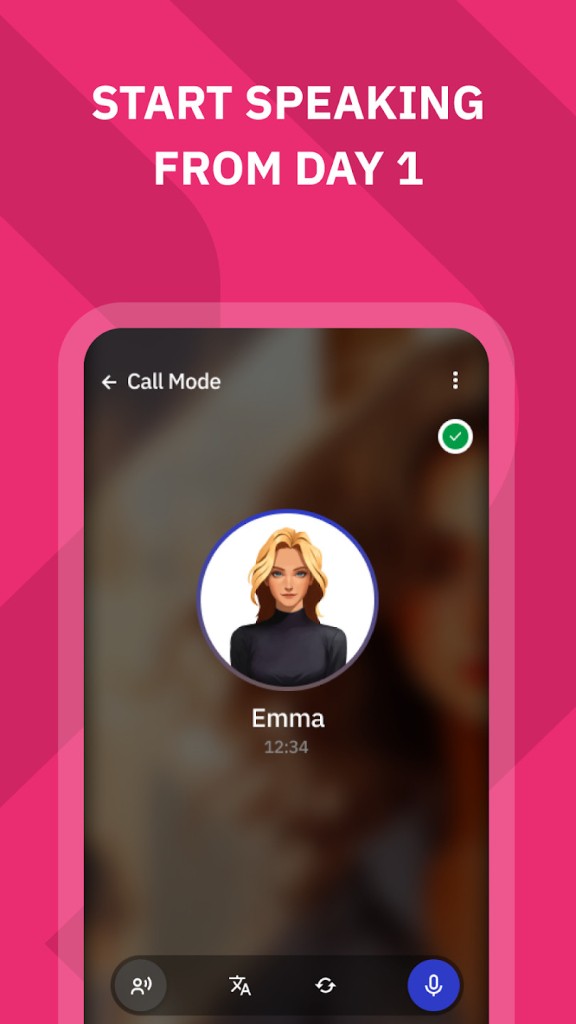
Talkpal is an app you pick up when you want to learn a language and don’t want to sit with a textbook. You open the app, it talks back, you try again, and slowly you start using words instead of just memorizing them. It’s not about showing you lists or drilling only flashcards. It’s built more like a back-and-forth conversation, with something that responds every time you type or speak. Some people call it a tutor, but it doesn’t feel like a strict class. It’s more like practice that never ends.
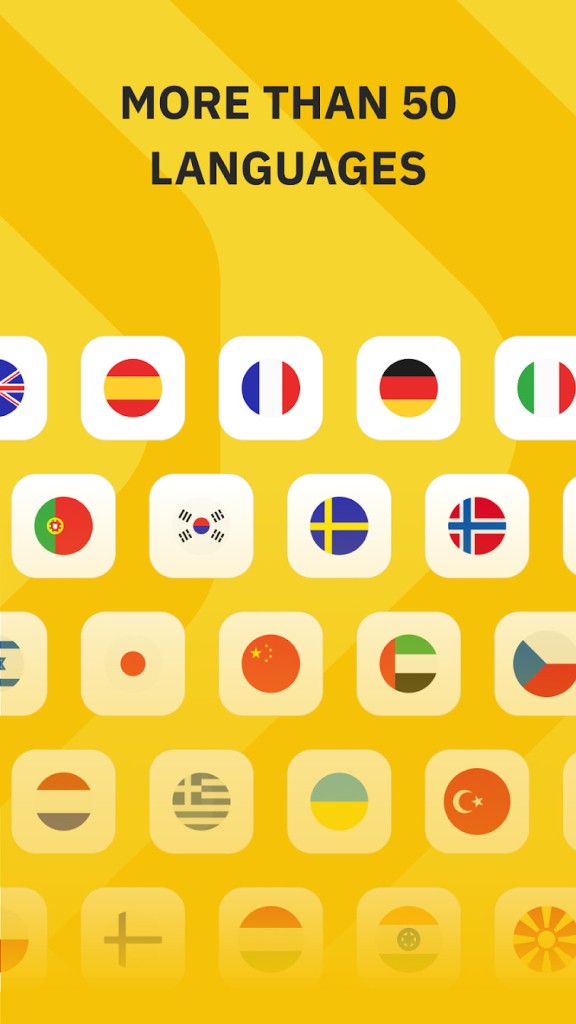
It has a big list of languages. English, French, German, Spanish, Italian, Japanese, Chinese, Arabic, Korean, Dutch, Swedish, Finnish, Greek, and even smaller ones like Ukrainian or Hebrew. Over fifty in total, so you don’t need a different app for each. That’s part of why people try it. If you switch interests or require more than one language, you don’t have to go somewhere else.
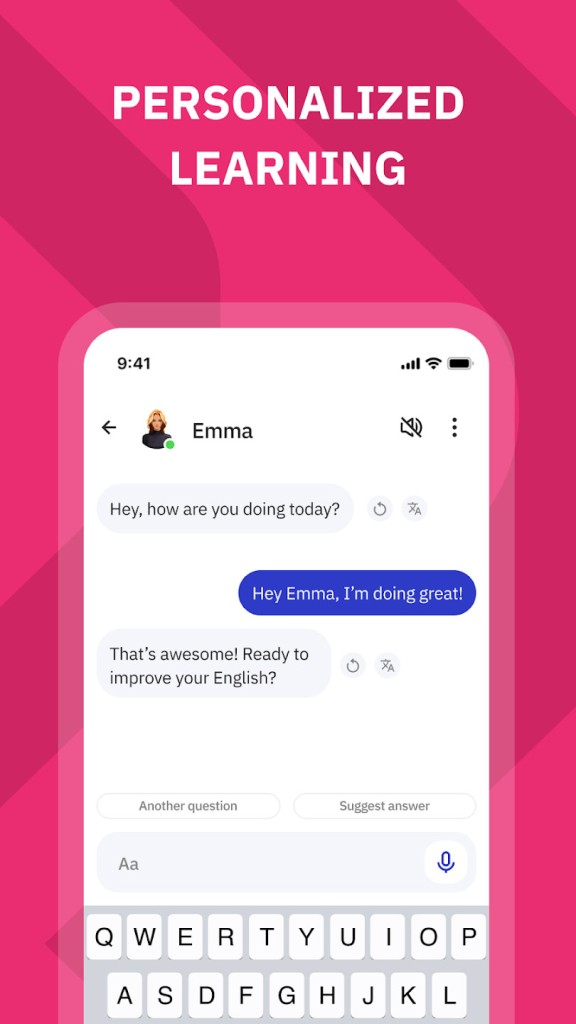
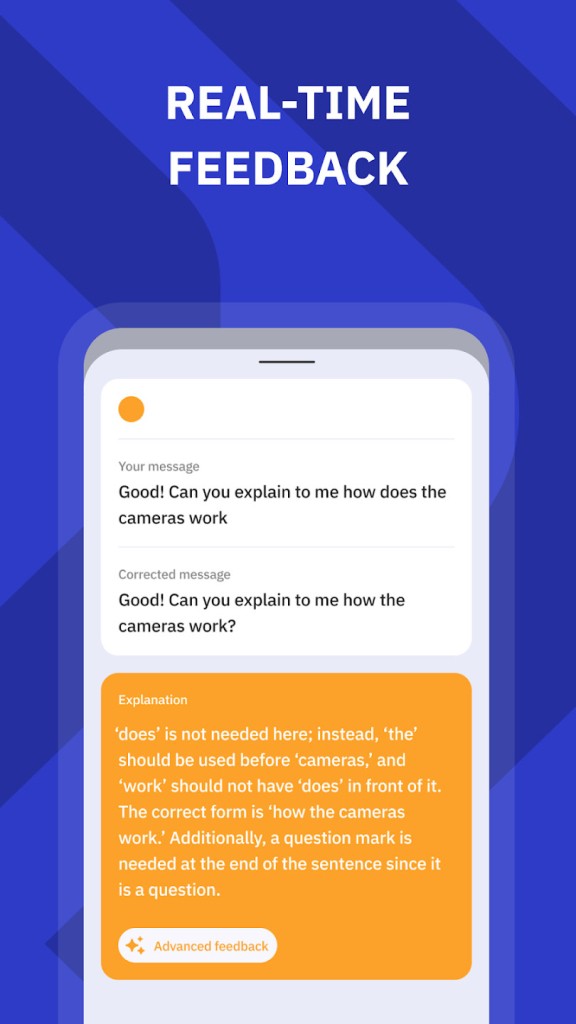
When you first install it, you choose your language and answer some simple questions about your level. Then it starts. You can type, you can speak, and it replies. Sometimes it corrects your grammar. Sometimes it points out the wrong pronunciation. Sometimes it just continues the chat to make you practice more. It feels less like a static course and more like a flexible partner.
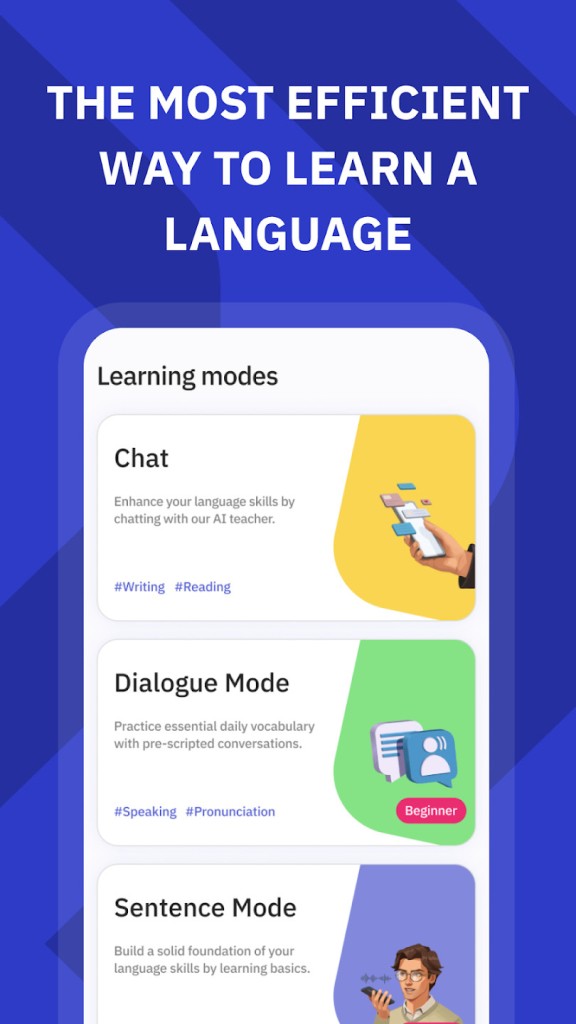
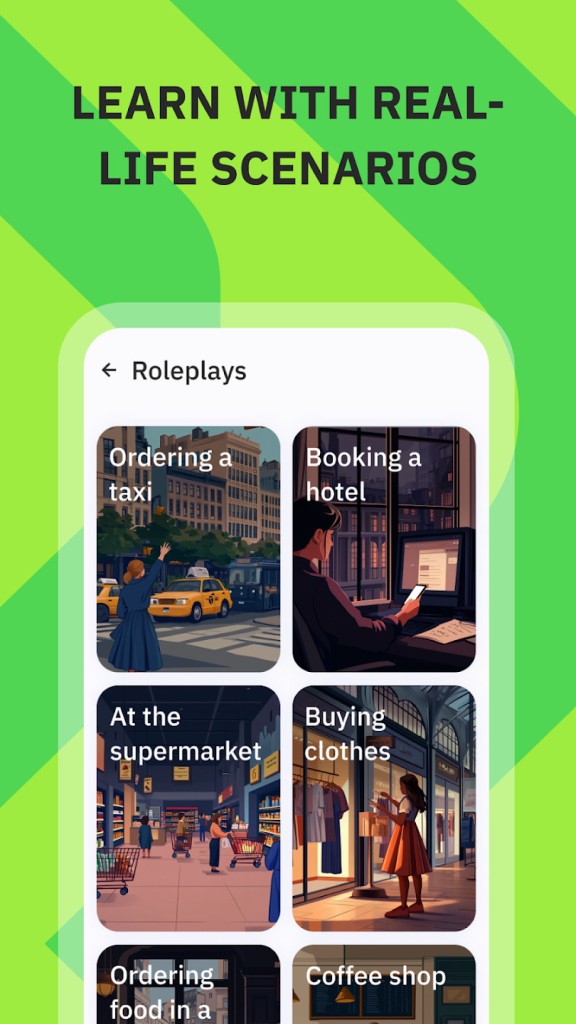
Inside, there are modes. Chat is the most straightforward. You exchange words, nothing more. Roleplay puts you in a scenario, like a café, a station, or a market, and you act out that place. Character mode lets you pick a person, fictional or historical, and your conversation is set in that setting. Debate mode pushes you to argue about a topic. Photo mode asks you to describe a picture. Each one has its own use, and people jump between them. It’s not stuck in one method.
The thing is, it’s built for your phone. iPhone or Android, download it, and you can use it wherever you are. That’s useful because language learning usually fails when you try to block two hours a day. With this, ten minutes here, ten minutes there, it adds up. That’s the idea.
Why should I download Talkpal?
The biggest reason is that it lets you actually use the language instead of only studying it. If you’ve tried other apps, you might have noticed that you know words but can’t form sentences when you need them. This app helps you with that. You try, you get it wrong, it tells you, you try again. That’s how people get better.
It doesn’t split skills into separate corners either. You’ll type something, or you might say it, then you’ll get an answer. That’s closer to real life. Reading, listening, writing, and speaking are all mixed instead of neatly divided. That makes it stick.
It’s also flexible. Some days you might just want to chat. On other days, you might prefer a roleplay. Maybe you want to argue in debate mode. The app doesn’t lock you into a fixed path. That’s good for people who get bored easily.
And it’s always there. Middle of the night, on a train, in a café, doesn’t matter. You don’t wait for a teacher. You don’t depend on someone’s schedule. You just open it and use it.
For people without access to native speakers, this helps. Not everyone can travel, and not everyone has a tutor. Practicing with something that answers back is better than memorizing alone. And even if you do have classes, you can use this between them to keep the flow going.
Numbers also back it. Millions of users, more than fifty languages, daily sessions by people around the world. That scale shows it’s not just a niche project. There’s momentum, and that usually means it works well enough to keep people returning.
Is Talkpal free?
Yes, there’s a free option. You get a daily limit, about ten minutes of practice. Enough to see if you like it and to build a habit. If you want more, there’s a premium plan. That unlocks longer practice and extra features like unlimited roleplays or debates. But you don’t have to pay to get started or to keep a small routine.
What operating systems are compatible with Talkpal?
It runs on iPhones and iPads. It runs on Android phones and tablets. You just download it from the App Store or Google Play Store. The app doesn’t require a powerful device. If your phone can run basic apps and show a map, it can handle this too, because most of the heavy work is done in the background servers.
There’s some browser use possible, but the main design is mobile. That fits how people use it, in small breaks, on commutes, in places where pulling out a laptop isn’t possible. The app is built for those moments.
And if you change your phone, you don’t lose your progress. Your account holds the data. You log in, and it’s back.
What are the alternatives to Talkpal?
Duolingo is a very well-known language learning service. It was the very first to use a game approach. You keep streaks, you earn points, you unlock levels. For some people, that system is enough to keep them motivated daily. It doesn’t go deep into conversation, but it keeps you coming back. All levels let you learn new vocabulary and grammar, not only in writing but also in pronunciation. But Duolingo doesn’t stop at languages; you can also use it for kids to learn math or the ABC.
Memrise is focused on vocabulary. It shows short videos of native speakers presenting a word or short everyday sentences. All you have to do is repeat or place words written on the screen into the sentence you’re hearing and review until words stick. It’s good if your main goal is to build a strong set of words and phrases. Over time, you remember them automatically. Memrise offers 12 languages and the possibility to learn several with the same account.
Busuu puts real people in front so you can talk to them and hear native speakers, and learn their language. It has structured lessons made by experts and pronunciation exercises. If you prefer moving step by step, with units and clear levels, that app might suit you. It also has a feature where other users correct your writing, so you get feedback from real people.