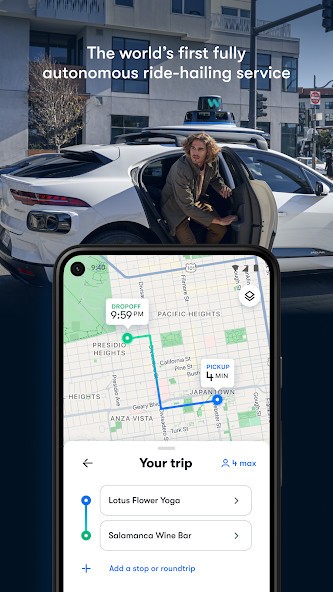
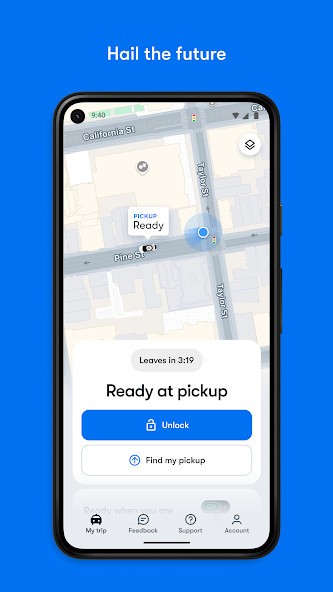
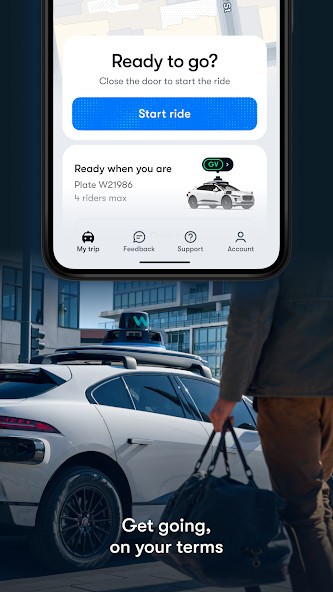
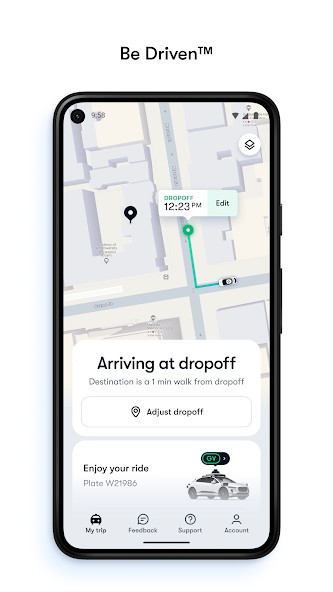
Waymo is an autonomous taxi service. To use it, in the cities where it is available, you just need to download the Waymo app. You provide your location, request a ride, get picked up by an autonomous vehicle, and travel to your destination without a human driver handling the trip. The company started as Google’s self-driving car project before becoming its own business under Alphabet, and it has spent years testing autonomous driving systems across different US cities.
That long development cycle is part of why Waymo feels different from a lot of transportation startups. The service is not built around adding a few driver assist tools to normal cars. The whole platform centers on fully autonomous driving technology, with the vehicle itself handling navigation, traffic, braking, and routing during rides.
And honestly, that changes the feeling of the ride more than people sometimes expect. Even if the booking process feels familiar, sitting inside a car with no driver in front still feels unusual the first time you experience it.
Why Should I Download Waymo?
The main reason to download Waymo is that it gives you access to fully autonomous rides in supported cities. You use it much like a normal ride-hailing app, but the actual experience is built around self-driving vehicles instead of matching you with another person behind the wheel.
That gives Waymo a pretty clear role. It is partly a transportation service and partly an early public version of autonomous driving technology. A lot of the appeal comes from curiosity at first. People want to see what a self-driving ride actually feels like in practice. But once the novelty wears off, the convenience side becomes what keeps them coming back.
Because here is the thing. If the ride arrives consistently, gets you where you need to go, and works smoothly enough, most people eventually stop focusing on the technology itself and start treating it like any other transportation app.
Is Waymo Free?
No. Waymo rides are paid for just like rides on Uber or Lyft. Pricing depends on the route, city, demand, and trip length rather than following one fixed cost. That means the setup feels familiar pretty quickly. You open the app, request a ride, see the fare estimate, and pay through the platform.
What Operating Systems Are Compatible with Waymo?
Waymo is available on Android and iPhone through the Waymo One app. That fits the kind of mobile-first experience the service is built around, since booking rides, tracking vehicles, and managing transportation all happen through the phone app.
What Are the Alternatives to Waymo?
Tesla Robotaxi is the closest alternative if your interest is specifically in autonomous ride services. Tesla has presented Robotaxi as part of its broader self-driving vision, with vehicles designed around fully autonomous transportation instead of traditional ownership models.
Uber goes in a more familiar direction. It is still built mainly around human drivers using the platform for ride-hailing, food delivery, and transportation services across a huge number of cities worldwide. Compared with Waymo, Uber feels much broader and more established as an everyday transportation app, while Waymo is more narrowly tied to autonomous driving.
Lyft sits in a similar space to Uber, with rideshare services, app-based booking, and driver networks shaping most of the experience. Compared with Waymo, Lyft feels much more traditional because the whole system still revolves around human drivers rather than self-driving vehicles.