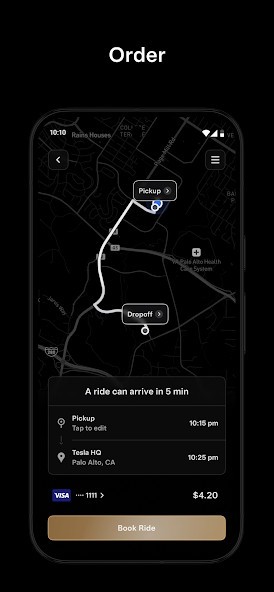
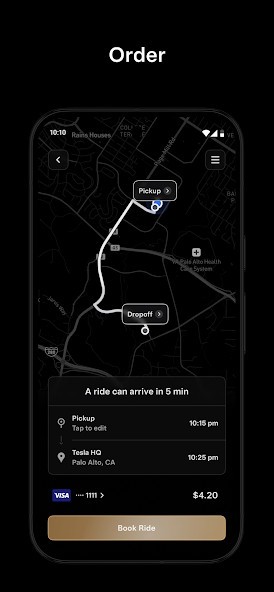
Tesla Robotaxi is the ride-hailing service that lets users request autonomous rides in Tesla vehicles through a dedicated mobile app. Launched in Austin, Texas, in June 2025, the service uses specially configured Model Y vehicles equipped with Tesla's Full Self-Driving technology to transport passengers without a human driver at the wheel. The experience works much like any other ride-hailing app: set a pickup location, enter a destination, confirm the fare, and wait for a car to arrive.
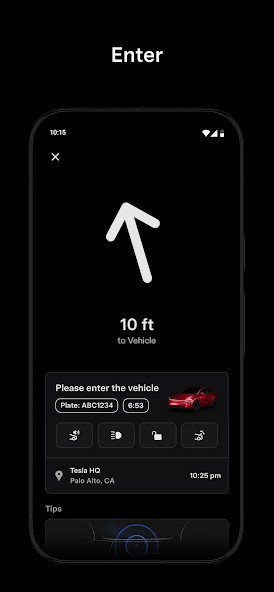
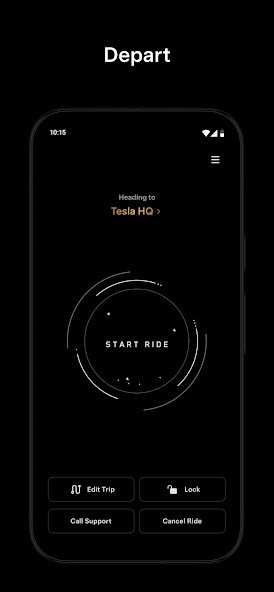
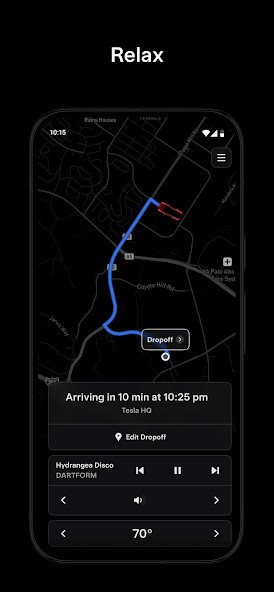
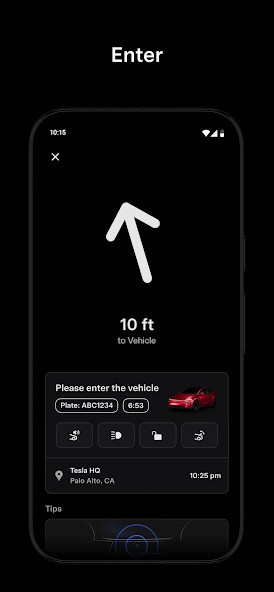
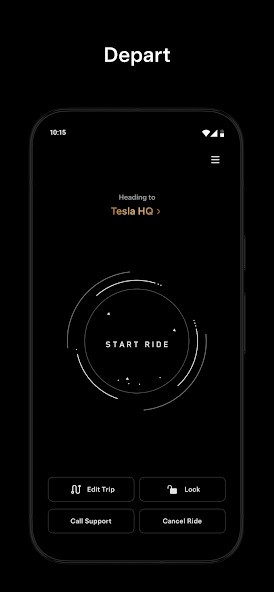
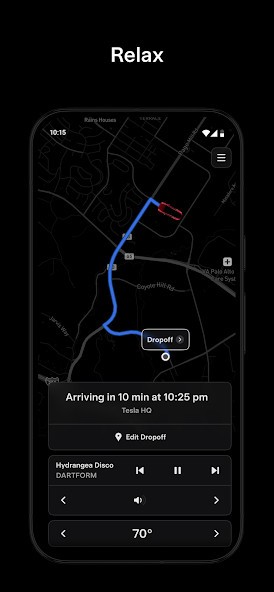
What sets it apart from a standard ride request is the absence of a driver. After confirming the license plate through the app, riders open the door, buckle up, and tap "Start Ride" to begin the trip. During the journey, passengers can adjust the climate, change the music, reposition seats, and monitor trip progress through either the app or the vehicle's touchscreen. If anything feels wrong, riders can request the car to pull over or stop at any time.
Tesla began rolling out the service with a small fleet in Austin before expanding to Dallas, Houston, and parts of the San Francisco Bay Area. Some trips run fully driverless, while others still carry a human safety monitor in the passenger seat as the system continues to develop. The fleet currently consists of Model Y vehicles, though Tesla has indicated plans to add its purpose-built Cybercab to the network in the future. Pricing is set at a per-ride rate plus applicable taxes, and Tesla does not share rider data with third parties.
Why Should I Download Tesla Robotaxi?
The most obvious reason to download Tesla Robotaxi is curiosity. Autonomous ride-hailing is still new enough that most people have never experienced it, and Tesla's app is one of only a handful of ways to try it. Beyond the novelty, the practical appeal is a ride that arrives, drives, and drops you off without another person involved in the process.
The app itself is clean and focused. Enter your destination, see the estimated fare and wait time, then confirm. Once the car arrives, verify the license plate and get in. Controls for climate, music, and seating are accessible through the app and the in-car screen, so passengers have full control over the ride environment from the moment they sit down. Changing the drop-off location mid-trip is also supported, which adds flexibility for riders whose plans shift after they have already started moving.
Accessibility has been built into the service from the beginning. Tesla's Robotaxi vehicles support service animals, offer screen reader compatibility, and provide space for storing some wheelchairs and assistive devices. The app is available in over 25 languages, making it accessible to a broad range of riders across different backgrounds.
For anyone in a supported city who wants to experience what autonomous transportation actually feels like in practice, downloading the Tesla Robotaxi app is the most direct way to do it. The service is still expanding and evolving, but the core experience of requesting and riding in a self-driving car is already functional and available to the general public in the cities where it operates.
Is Tesla Robotaxi Free?
Tesla Robotaxi is free to download, but rides are not free. Each trip is charged at a per-ride rate that includes applicable taxes and fees. Tesla describes its pricing as affordable but does not publish fixed rates, and pricing is subject to change. Payment is handled through the app, so no cash or separate payment method is needed.
There is no subscription tier or membership requirement to use the service. Anyone with a Tesla account can sign in and request a ride in a supported service area.
What Operating Systems Are Compatible with Tesla Robotaxi?
The Tesla Robotaxi app is available on both major mobile platforms. The iOS version launched in September 2025 through the Apple App Store, and the Android version followed in April 2026 through the Google Play Store. A Tesla account is required to sign in, and users who do not already have one will need to create an account before they can use the app.
There is no desktop or web version of the Tesla Robotaxi app. The service is designed entirely around mobile use, which fits the nature of a ride-hailing product where location tracking and real-time notifications are essential to the experience. Both the iOS and Android versions receive updates to expand service areas and improve functionality as the network grows.
What Are the Alternatives to Tesla Robotaxi?
Waymo is the most established autonomous ride-hailing service currently operating in the United States. Owned by Alphabet, Waymo runs a fleet of roughly 3,000 fully driverless vehicles across more than ten US cities, including San Francisco, Phoenix, Los Angeles, Austin, and Atlanta. Rides can be hailed through the Waymo app or through Uber in cities where the partnership is active. Waymo operates 24 hours a day without human safety monitors in its vehicles and delivers over 500,000 paid rides per week. For riders who want a fully autonomous experience with the longest operational track record, Waymo is the most proven option currently available. The service is expanding further into cities like Nashville, Miami, Dallas, Washington D.C., and London.
Uber is the dominant ride-hailing platform worldwide, available in thousands of cities across dozens of countries. Most Uber rides are driven by human drivers, but the company has been integrating autonomous vehicle partners into its network, including Waymo and Motional. Uber offers a far wider range of ride types, from economy to premium, along with delivery, package transport, and hotel booking features. For riders who need consistent transportation coverage in locations where Tesla Robotaxi and Waymo are not yet available, Uber remains the most practical and widely accessible option. Download the Uber app on iOS or Android to get started.
Lyft operates as a direct competitor to Uber in the United States and Canada, offering human-driven ride-hailing with a similar app-based experience. While Lyft does not operate its own autonomous fleet, it has explored partnerships with self-driving technology companies and may integrate autonomous rides in the future. Lyft tends to appeal to riders who prefer an alternative to Uber's market dominance and often runs promotions and loyalty features to attract regular users. For everyday ride-hailing needs in cities across North America, Lyft is a reliable and widely used alternative.