The RAMpocalypse is affecting every corner of computing, but one sector hit particularly hard has been the field of single-board computing (SBC). Systems like Raspberry Pis are particularly vulnerable to volatility in the cost of their components, so it was perhaps no surprise that Raspberry Pi CEO Eben Upton took to the company’s blog this week to announce a series of price increases across the company’s line of single-board computers.
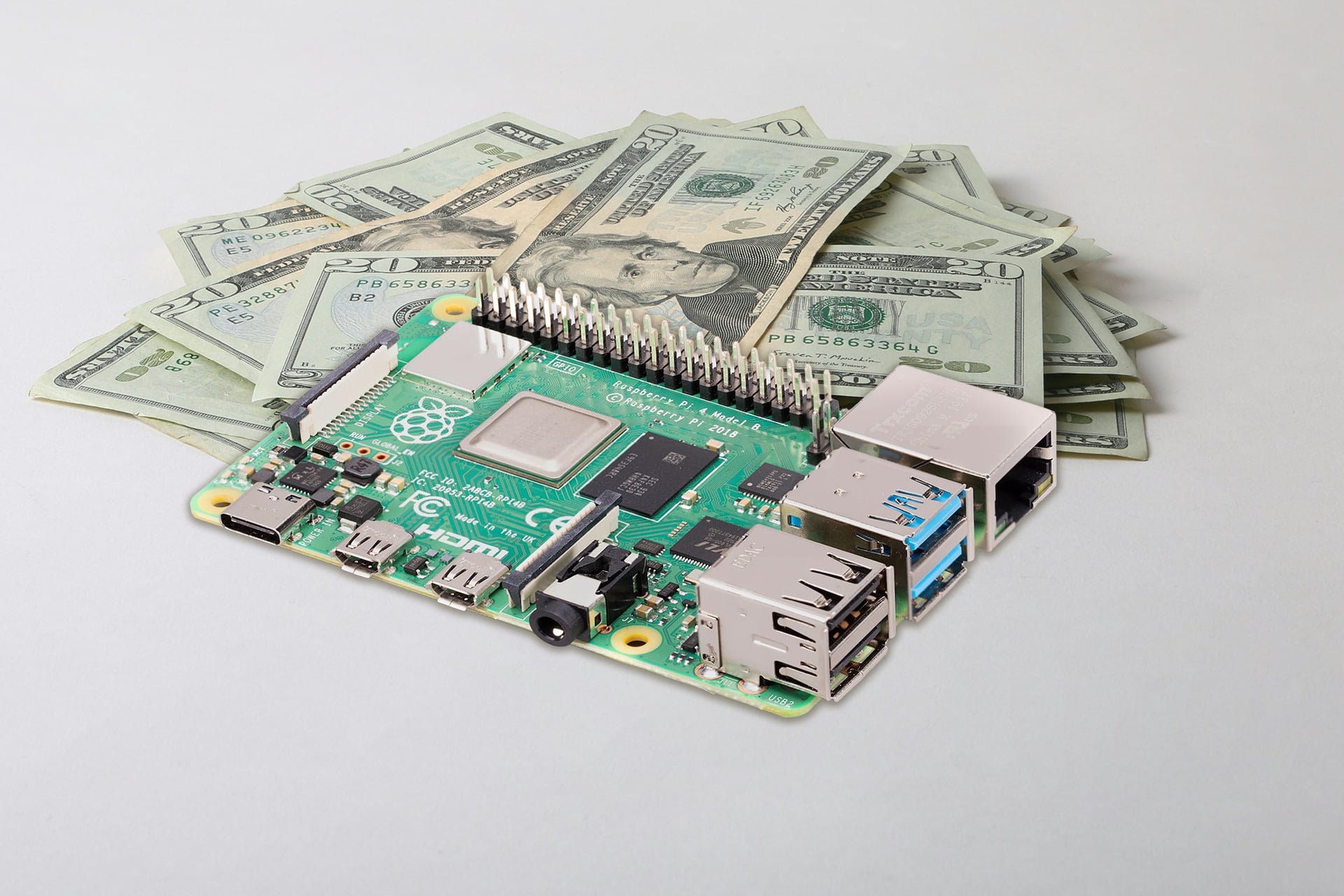
The thing is, these increases represent the third RAM-related set of price hikes to Raspberry Pi’s product line in less than six months, so you can understand why enthusiasts are hurting. The top-of-the-line 16GB Raspberry Pi, for instance, cost $120 when it was introduced in January last year; as of yesterday, it costs $299. (It’s also worth noting that even the original price raised eyebrows: Tom’s Hardware, for instance, noted in its review that “the $120 price tag makes this a considered purchase for all but the most die-hard fans,” while The Register lamented the model “[pushing]… past the $100 barrier.”) The 4GB model, which originally cost $60, now costs $110, while the 8GB model, originally $80, now costs $175.
These prices might not seem particularly egregious, but the whole point of these little machines was their affordability. Raspberry Pi, in particular, describes its mission as “[putting] put high-performance, low-cost, general-purpose computing platforms in the hands of enthusiasts and engineers all over the world.” The original Raspberry Pi, launched in 2012, cost $35, and if the company has made the news since, it’s generally been for low prices, not high ones. Just over a decade ago, for instance, Upton was writing a very different sort of blog post: one about introducing the Raspberry Pi Zero, which retailed for all of $5. (If you’re wondering, it had 512MB of RAM.)
In fairness, Raspberry Pi still sells a $5 board, and has kept the cost of its low-end systems pretty steady—the entry-level Raspberry Pi 5, with 1GB of RAM, remains $45. But the cost of more capable systems has skyrocketed, with the increases correlating pretty much directly to how much RAM is installed on the system in question. This is, of course, no accident: In his blog post, Upton says that the cost of the fourth-generation low power double data rate (LPDDR4) RAM used in the company’s systems has increased “seven-fold” over the last year. (Annoyingly, the research he cites is paywalled, but there doesn’t seem to be any reason to disbelieve him given what we know about RAM prices generally.)
Raspberry Pi is probably the best-known maker of SBC hardware, and thus the company taking the majority of the heat here, but this is an issue across the sector. Addressing the price rises yesterday, industry commentator Jeff Geeling wrote, “LPDDR chips now account for the majority of board cost from the vendors I’ve checked with.” Many such vendors are reassessing the viability of selling SBC hardware: “[While] Raspberry Pi [has] a thriving microcontroller ecosystem and industrial base to keep them going… I fear smaller vendors won’t be able to go on like this forever.”
Ultimately, this is bad news for everyone. As Geeling points out, “Learning is easier on cheaper parts you won’t fret over too much when you break them.” And he’s right—if your bad soldering ends up cooking your Raspberry Pi, you’ll feel a lot worse about it if you’ve just flushed over $100 down the drain than if you’d just flushed $30 or $40. Similarly, it’s a lot easier for schools in developing countries—and, indeed, certain developed countries that prefer to spend their money on bombs than education—to teach computer science if they can do so on systems that cost very little.
What happens from here? Well, given the fact that AI companies’ hunger for RAM is matched only by their hunger for work that doesn’t belong to them, it’s hard to see things getting better until the AI buttle finally bursts. Happy days.