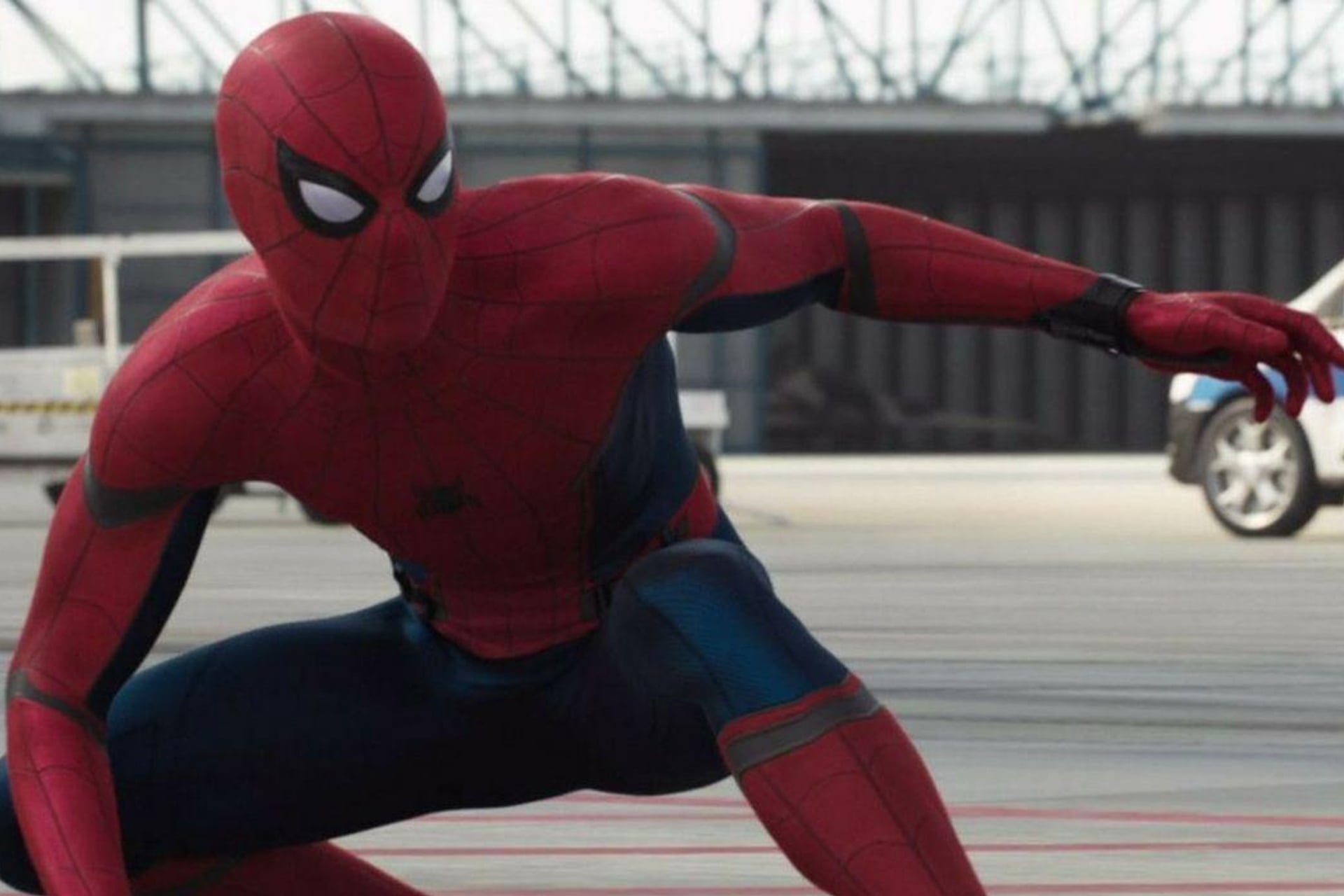
Uncle Ben’s death is one of the most defining moments of comics history: the origin story of one of the greatest superheroes ever created, a turning point so profoundly impactful that not only has it never been fully reversed or retconned, but as the mythology and multiversal existence of Spider-Man have expanded across decades, it’s become deified as a circumstance practically every iteration of the character must endure: A spider-hero is not a spider-hero unless they endure the responsibility of loss.
So it’s kind of wild that, for Captain America: Civil War, the Russo Brothers apparently decided that the MCU’s Peter Parker just didn’t need that.
“Spider-Man was one of my favorite characters growing up, if not my favorite,” Joe Russo told CBR in a new interview looking back at a decade since Civil War‘s release. “And what I related to was this idea of a kid with incredible responsibility, right? And I think you could manifest that responsibility through accidental death, right? And feeling the pressure, and the sense of loss in your life in a way that would keep the spirit that we wanted.”
The cause of Ben Parker’s death in the MCU, as well as the man himself, is kept off-screen and only loosely described as a defining factor in why Peter decided to keep his identity as Spider-Man a secret—rather than it being the reason he became a hero at all. So the Russos decided that, internally at least, Peter himself actually played no part in Ben’s death.
“[But] what Tom Holland is as an actor, if he blamed himself for his Uncle Ben’s death, I think he becomes a very different character,” Russo continued. “So in our minds, no, he wasn’t responsible for Uncle Ben’s death. That would have been a different interpretation. A more intense interpretation of the character.”
Putting aside the fact that describing Peter having a role in Ben’s death as just “a different interpretation” is insane, given that it’s arguably the interpretation of the character, it’s wild that the Russos couldn’t imagine Peter’s flaws playing a part in how he would be shaped as Spider-Man. The whole point of Peter’s actions leading to the consequence of Ben’s death is that he makes a profoundly selfish choice: his decision to not use his powers to stop a thief, because he’s more focused on making money out of them, is what creates the circumstances for Ben to try and stop that thief and be killed in the process. Peter Parker, when we first meet him in his origins, is not immediately a wholly good person; part of the process of him becoming one is accepting that and changing to embrace his role as a hero. There’s a reason it’s one of the most famous comic book origin stories of all time!
It might seem like a minor choice in what is otherwise a largely well-received iteration of the character, but now that the Russos have said it, it’s hard not to see the weird throughline it created throughout the first phase of Spidey’s MCU existence—all the weirdness of making Tony Stark the father figure in his life and enmeshing Spider-Man’s connections to Iron Man even closer after his death, all the way up to the fact that it has to be Aunt May who finally delivers the “with great power must come great responsibility” lesson in No Way Home. Even that is altered, because May’s death is framed as a punishment for Peter trying to do the right thing in trying to help the multiversal villains instead of sending them back to face their grim fates, an undeniably heroic thing, rather than it being a result of Peter’s own flaws.
It’s only really now with the launch of Brand New Day that it feels like this version of Spider-Man is actually going to feel more like his comics counterpart, which is absurd given that it’s actually Spider-Man’s seventh movie in the MCU. How much of all that weirdness could’ve been avoided if the Russos decided that Spider-Man, of all people, needed to take a little responsibility?
Want more io9 news? Check out the best movies and TV shows to stream this month and all the upcoming sci-fi, fantasy, and horror books that should be on your radar.