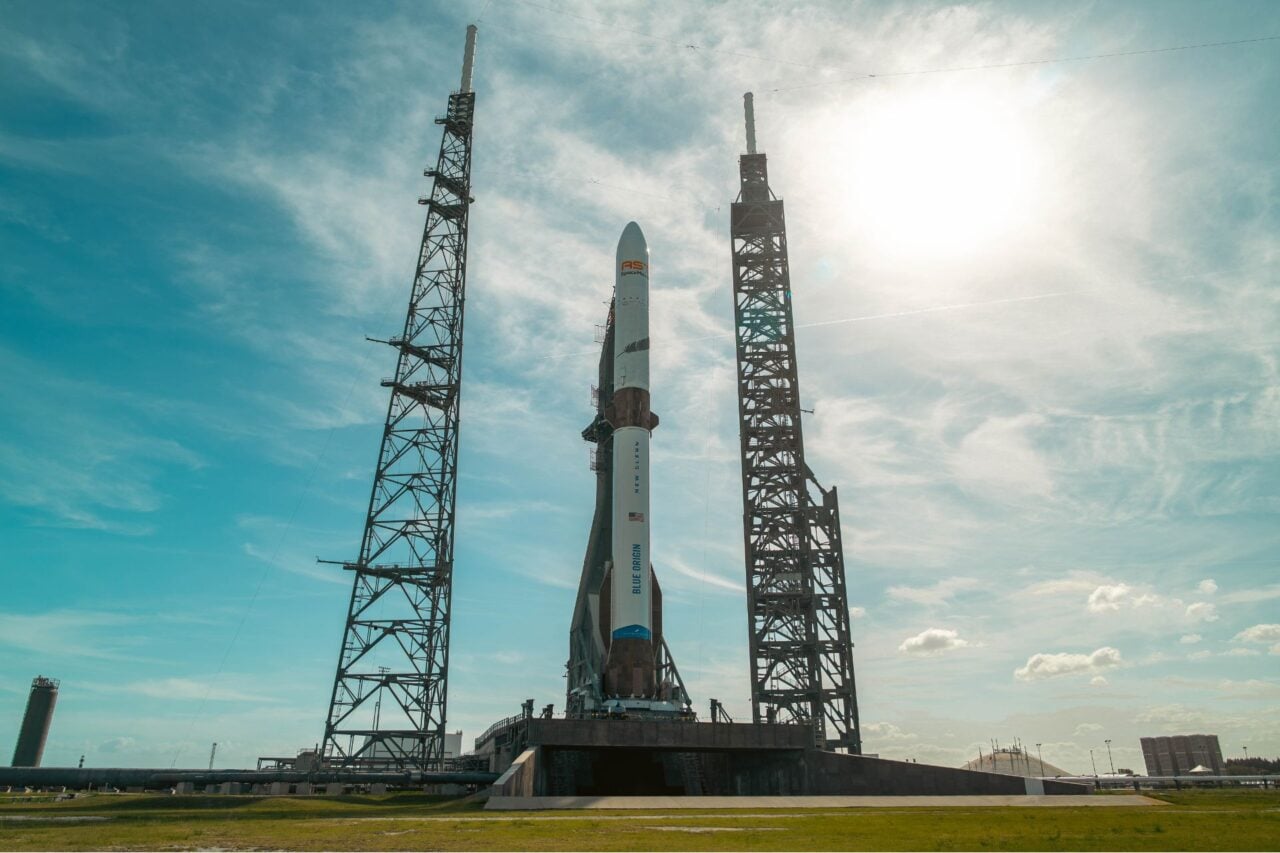
If the rollout happens on NASA’s current schedule, astronauts could be headed back to the Moon next month.
The 90-second video urging U.S. military personnel to refuse to follow illegal orders was deemed "punishable by DEATH!"
With this new evidence, the existence of “Betelbuddy” is closer than ever to being confirmed.
Astronomers have finally confirmed the existence of RELHICs—a long-theorized class of dark, starless clouds from the early universe.
Following reports that closing the agency’s largest research library would result in the loss of precious scientific and historic materials, Jared Isaacman wants to set the record straight.
Scientists observed the most active solar region in decades for a record-breaking 94 days.
Elon Musk’s satellite megaconstellation will provide free broadband internet access to Venezuela following the U.S. incursion.
This isn't the first cybersecurity breach to impact the space agency.
As this interstellar object approached its closest point to Earth, a massive radio telescope attempted to sniff out a technosignature.
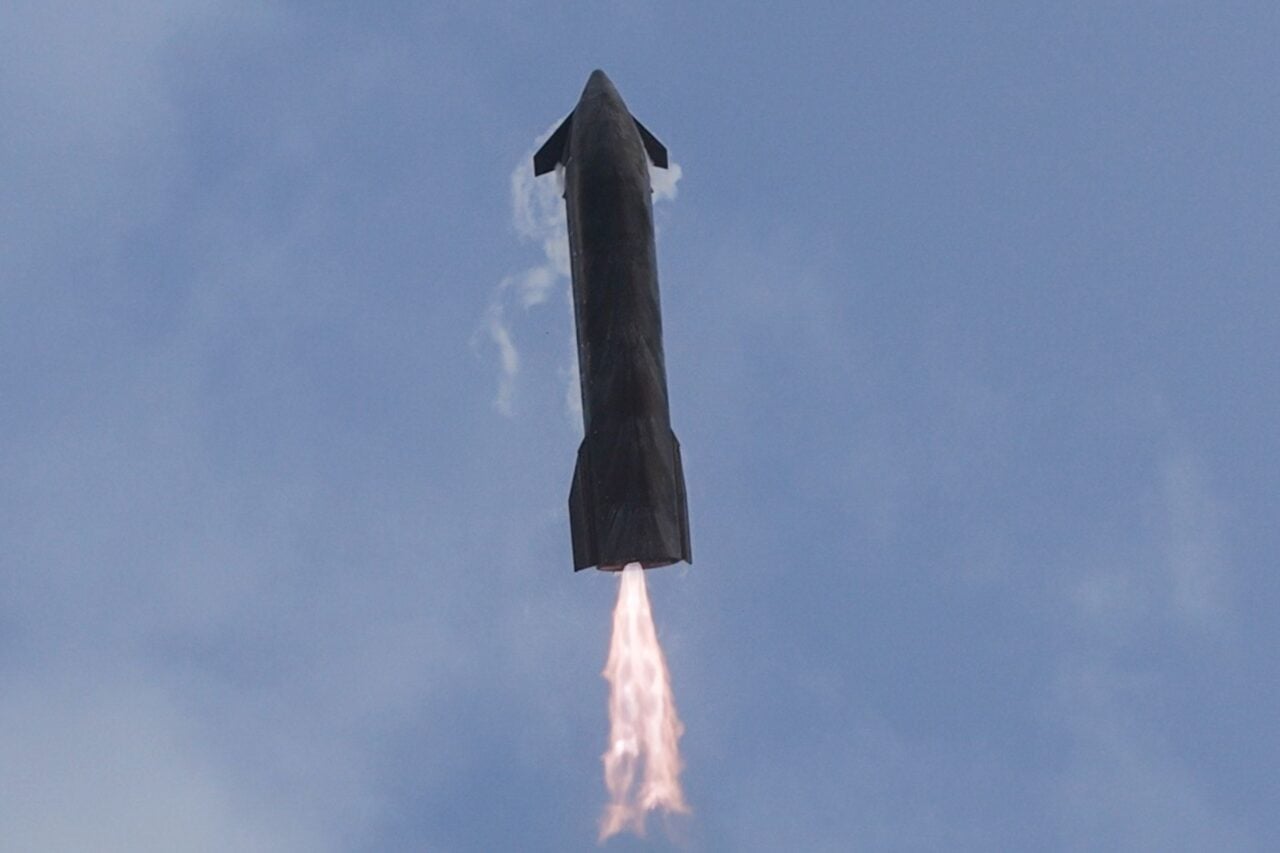
The reconfiguration will reduce the orbital altitude of nearly half of the Starlink megaconstellation.
Space Forge is looking to manufacture semiconductor materials in orbit, where the microgravity enables cleaner crystals.
Scientists have analyzed a collection of meteorites to figure out where asteroid prospectors should go first.
The space agency requested plans for a UAS detection system at its primary rocket launch site.
This enormous protoplanetary disk is confounding astronomers.
“One way or another, we’re going to make sure Johnson Space Center gets its historic spacecraft right where it belongs.”
Mark your calendars.
The National Center for Atmospheric Research not only investigates weather on Earth, but also in space.
Researchers suggest a sea change in satellite design to protect the ozone layer.
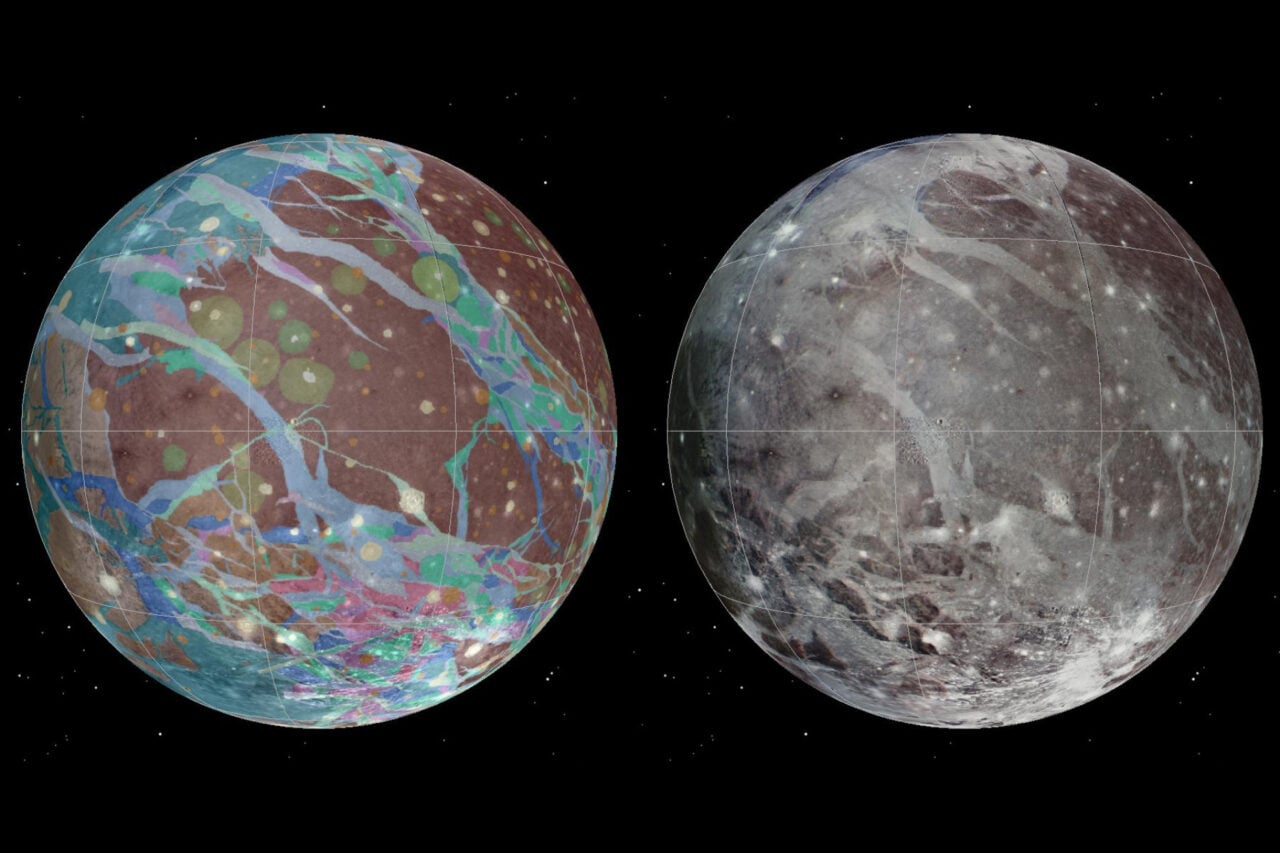
Jupiter's icy Moon is one of the most promising places to search for life in the solar system.
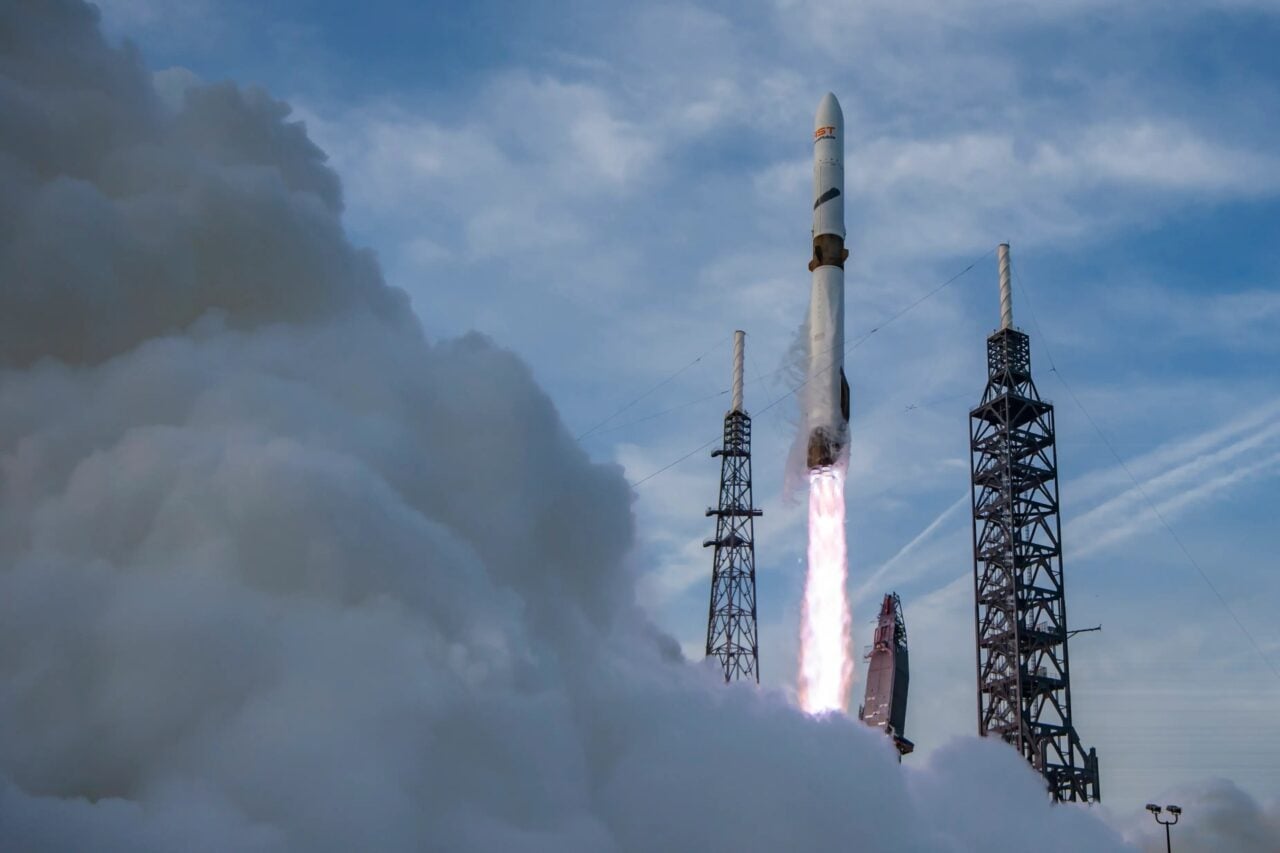
AST SpaceMobile wants to launch up to 60 of its satellites in 2026.