





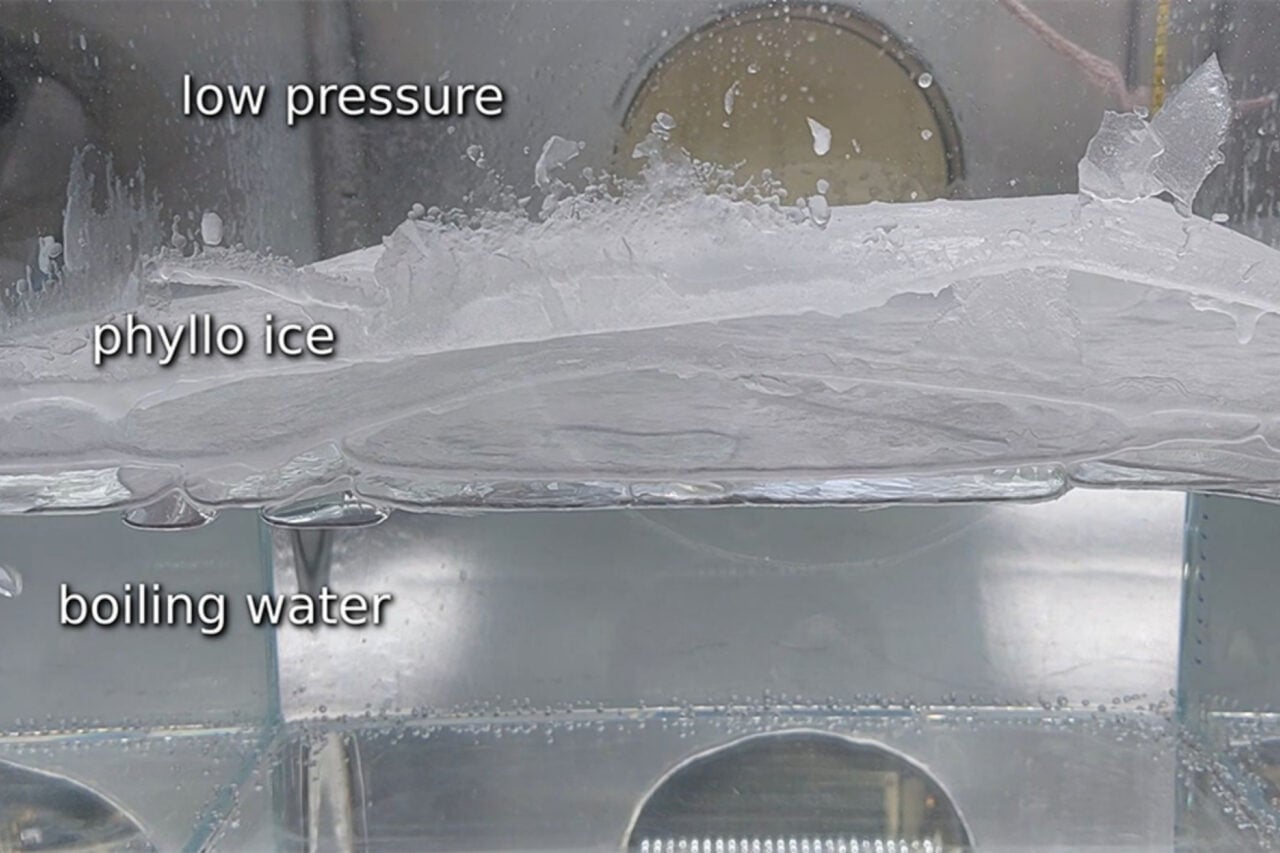
To answer odd questions, physicists have odd ideas.
Reduce, reuse, recycle.
The space agency failed to declare the spacecraft's thruster glitch as a mishap, creating confusion and uncertainty.
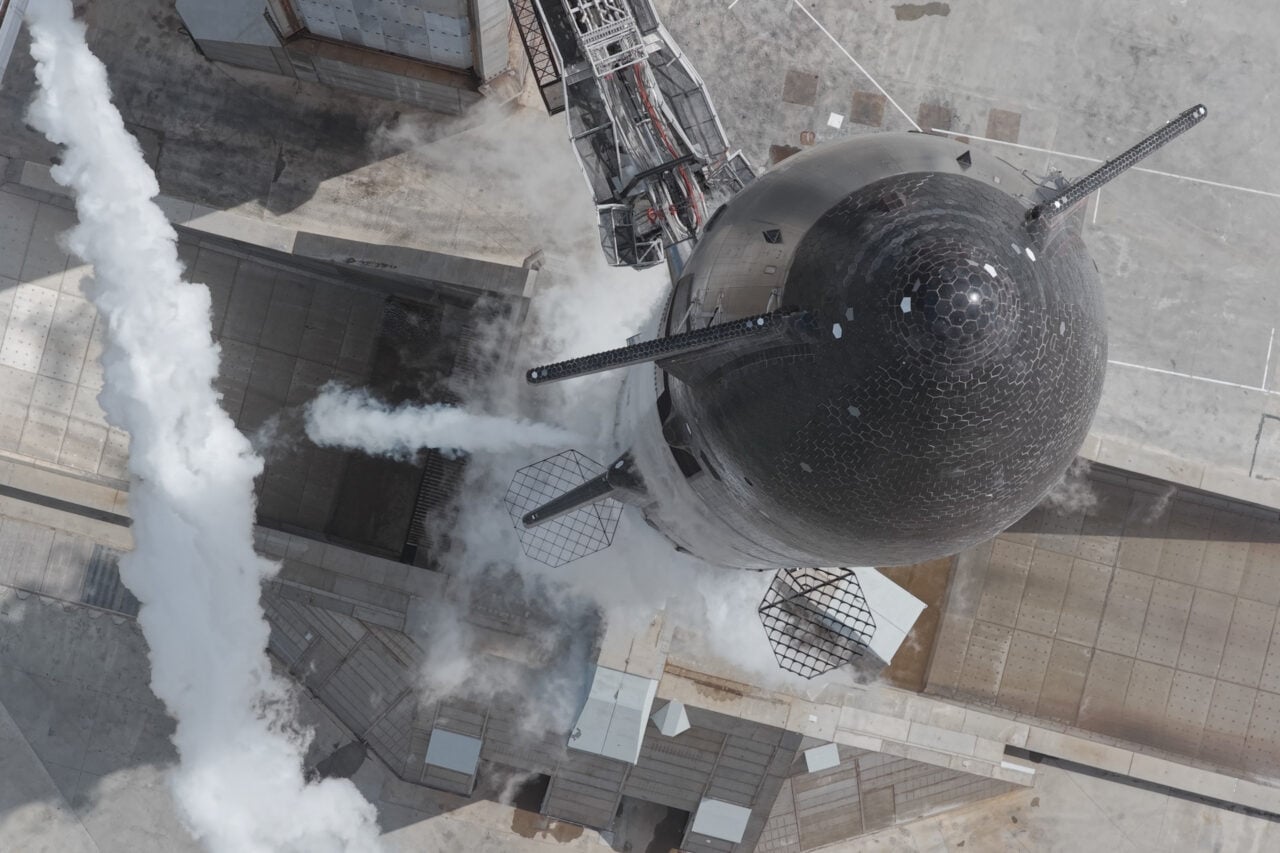
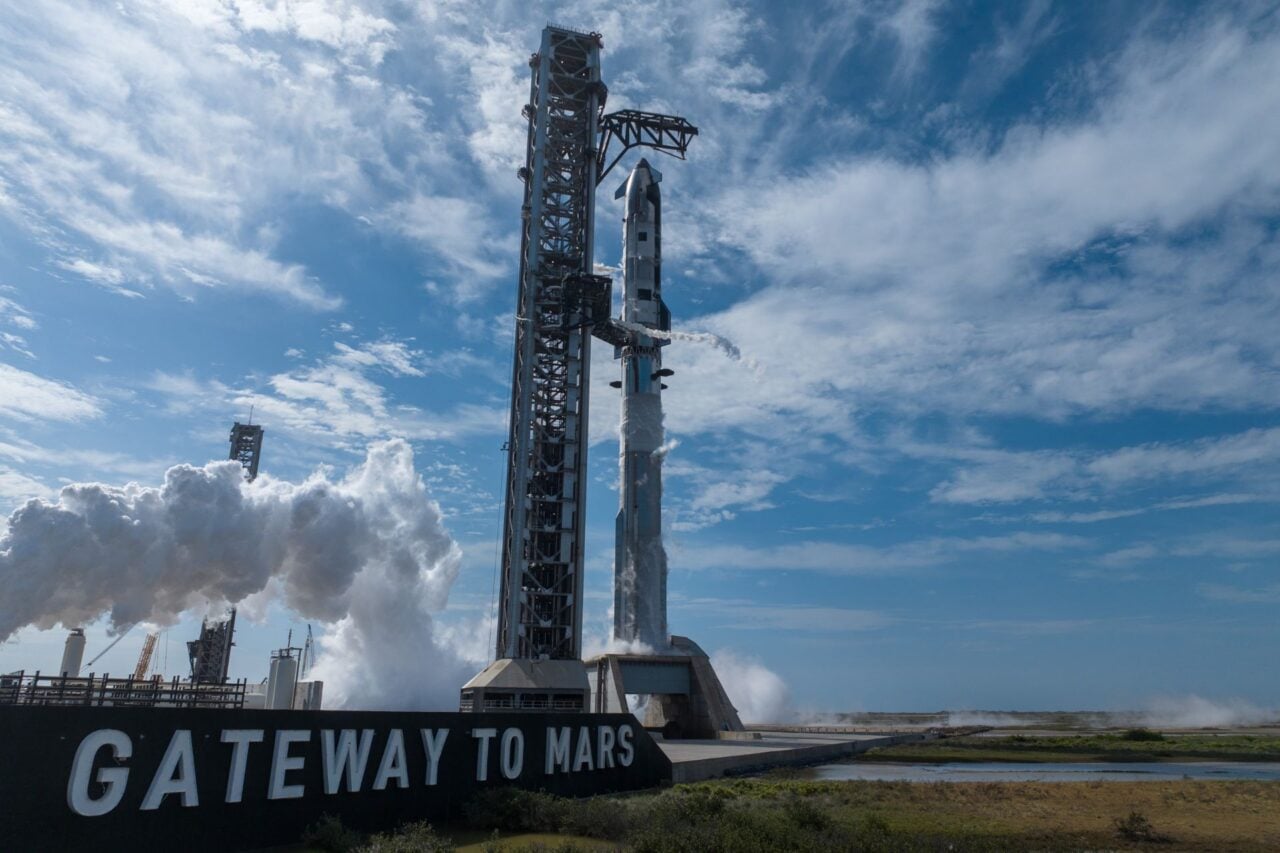
A new report by the Wall Street Journal reveals a failed SpaceX Starship test flight endangered three airplanes.
This marks the second failed launch for the medium-lift vehicle since its explosive debut in 2023.
The intelligence findings are alarming, but some space security experts aren’t convinced Russia would take such a misguided risk.
A prototype of Max Space's Thunderbird could launch as early as 2027.
In a strange turn of events, a supernova birthed twin baby neutron stars that merged to make a powerful kilonova.
The Webb telescope confirmed one of the fastest moving celestial objects ever detected.
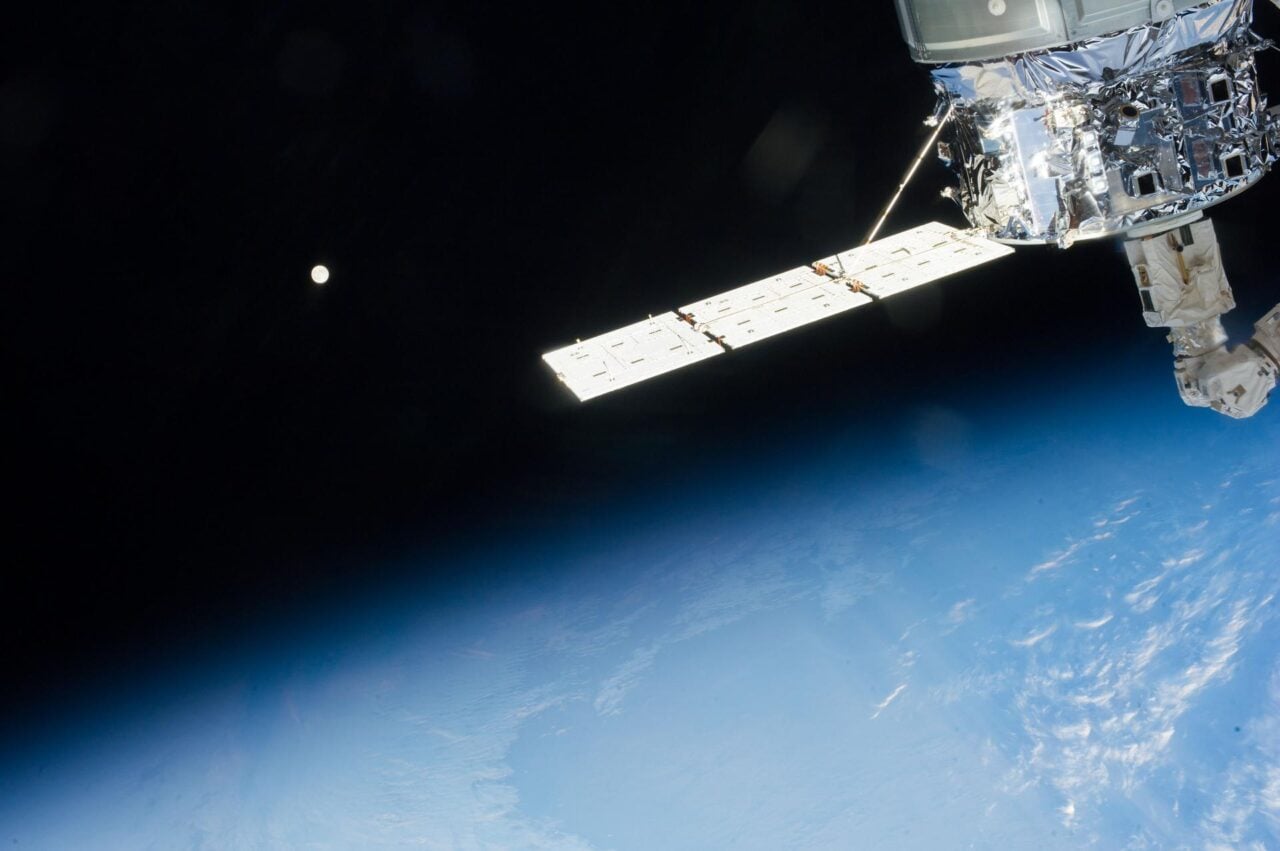
The satellite suffered a sudden drop in altitude, suggesting there may have been a small explosion.
Whichever company can produce a viable crew lander first will win the Artemis 3 contract, NASA’s new chief says.
Newly minted NASA administrator Jared Isaacman has expressed a desire to shake things up at NASA. It appears he’ll hit the ground running.
First it was an exoplanet. Then it became a dust cloud. Now it's bringing a cosmic revelation.
This will be your best chance to see 3I/ATLAS in the night sky.
For more than a decade, scientists have accepted that Titan, Saturn’s biggest moon, has a subsurface ocean of liquid water. A new look at the data suggests otherwise.
Astronomers call them LFBOTs—rare and powerful bursts of blue light that shine across billions of light-years and then vanish in just a few days.
The CRASH Clock is a new metric for measuring the risks of satellite congestion in low-Earth orbit. Its calculations are disturbing.
The next-gen Nancy Grace Roman Space Telescope is slated to explore vast cosmic voids to uncover the hidden forces shaping the universe.
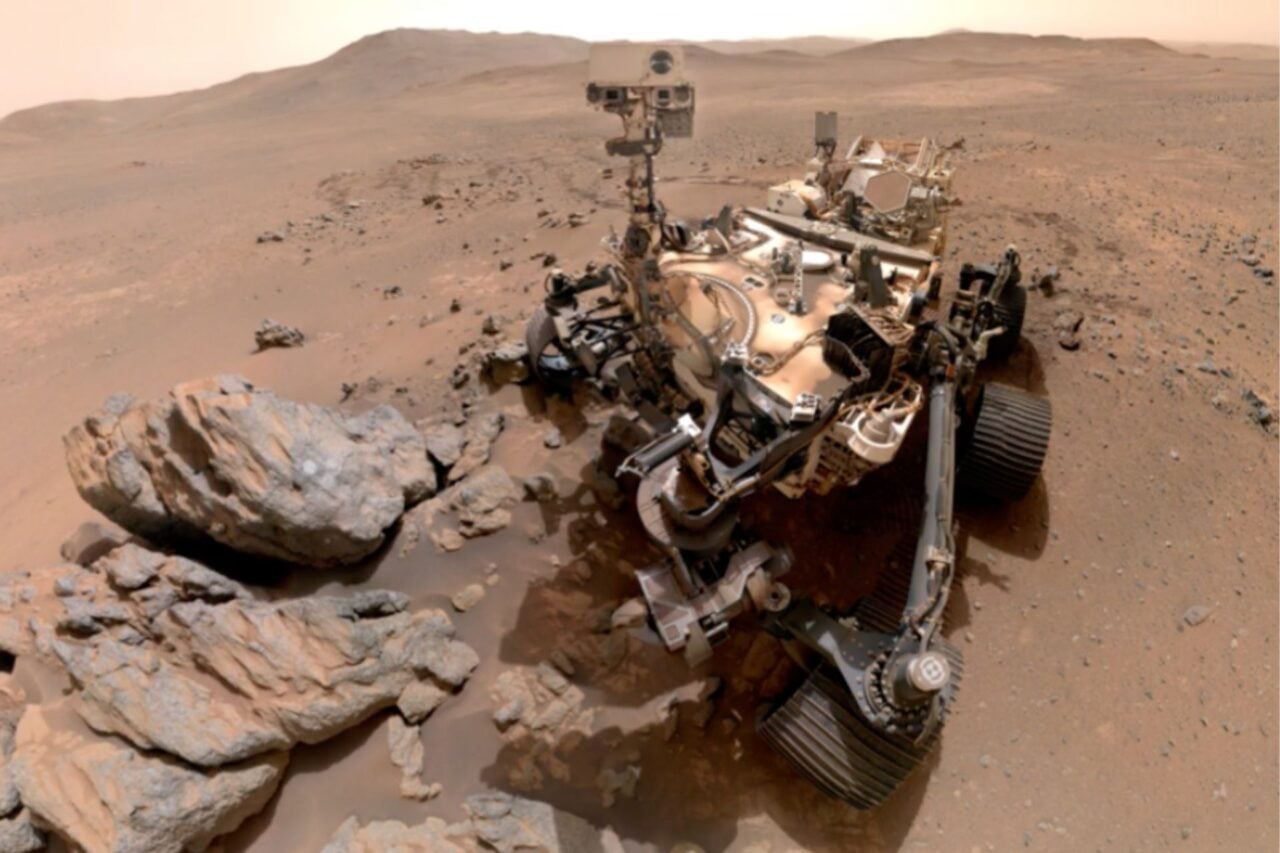
This could be the end of the orbiter that studies the Red Planet’s atmosphere and relays communications between NASA and its Mars rovers.
The close call underscores the need for improved coordination between satellite operators, Starlink’s vice president of engineering said.