
And as Airbus reminded us last week, we're not ready.
The incident could strain Roscosmos’s partnership with NASA as the agency finds itself more reliant on the U.S. than ever.
Prepare to have your mind blown.
Space Coast communities have spent years and millions of dollars restoring the Indian River Lagoon. Now, they hope to stop Blue Origin from reversing that progress.
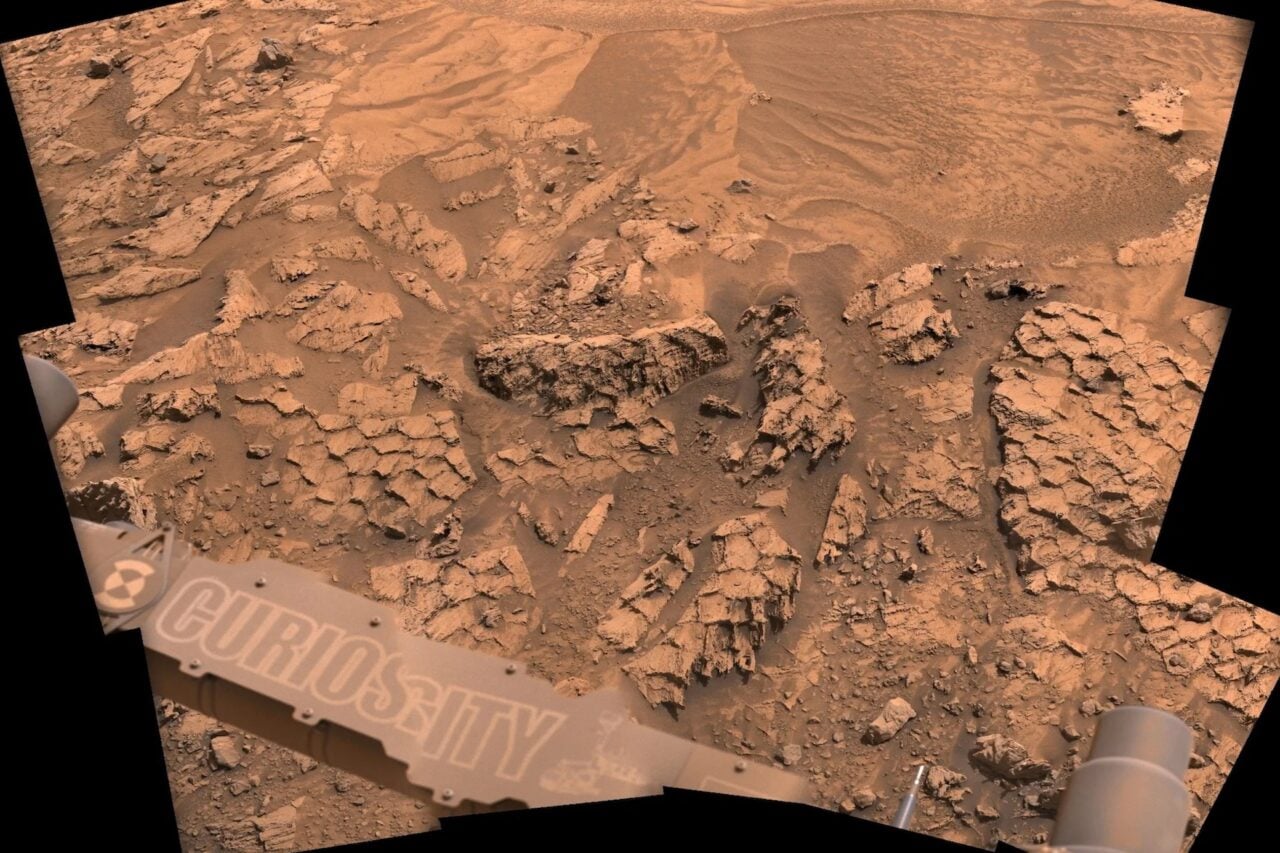
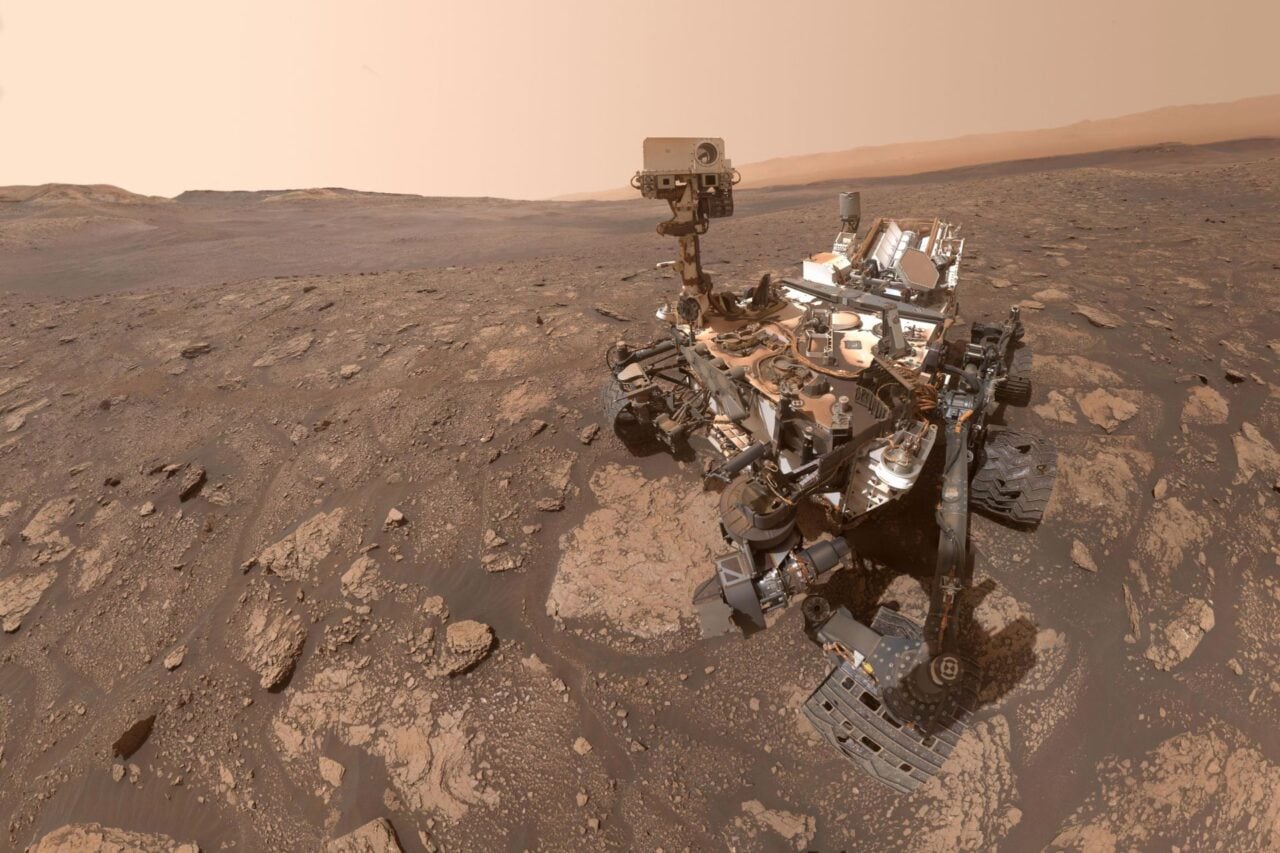
NASA's Perseverance rover found rocks on Mars that on Earth usually form in tropical environments.
After decades of searching, astronomers may have finally stumbled upon the first moon known to exist beyond our solar system—and it's an absolute giant.
The Soyuz MS-28 launch destroyed a key piece of launch pad equipment, grounding Russia’s ISS missions for the foreseeable future.
"If this is meant to intimidate me...it won’t work."
The Gemini South telescope in Chile captured this stunning view of NGC 6302, highlighting the nebula’s intricate structure and dynamic gas flows.
Scientists analyzed 28 hours of recordings over two Martian years, listening for electrical signals.
A researcher identified gamma ray emissions that appear to have originated from dark matter, but other physicists still aren’t convinced.
X-59 is designed to achieve supersonic speeds without all that noise.
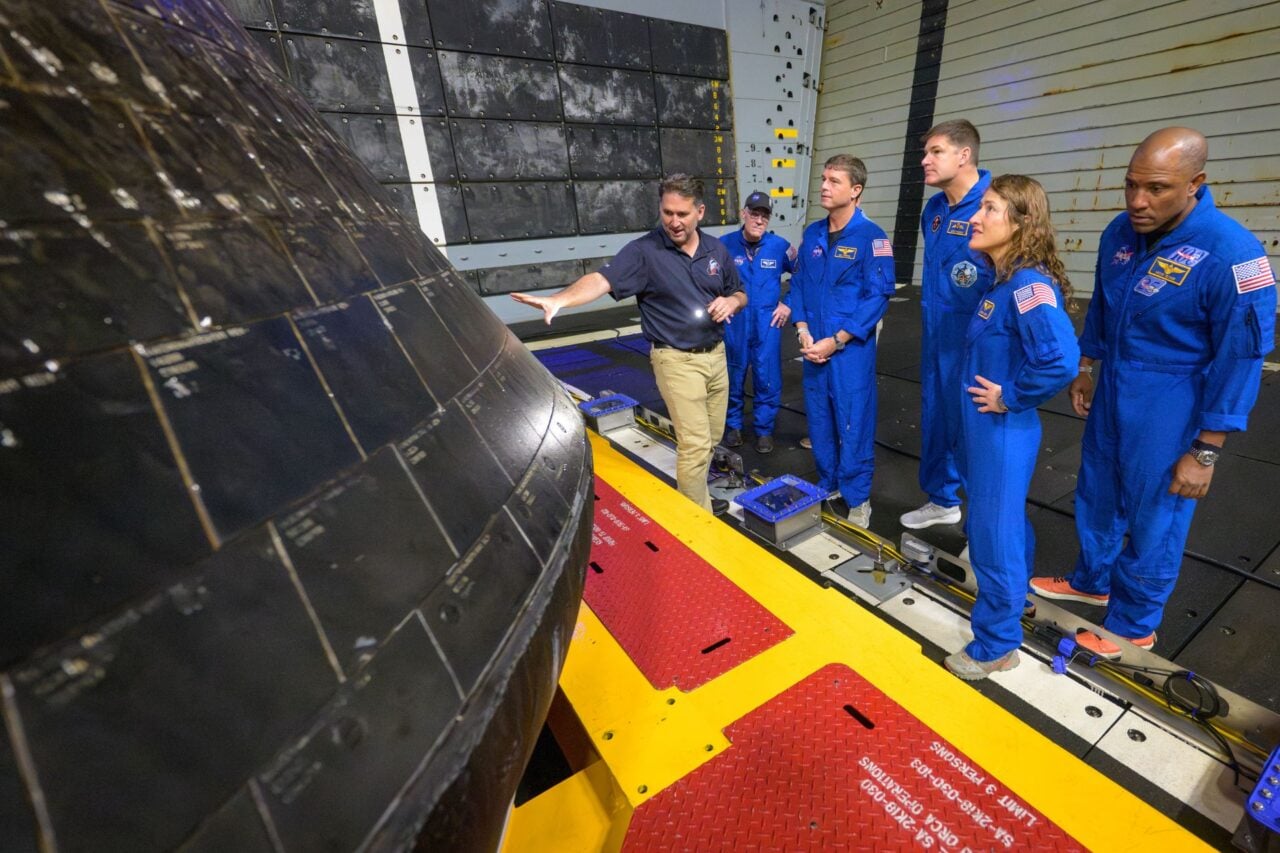
The capsule will fly a cargo mission to the ISS early next year, with no crew on board this time.
A new study finds that our star system is moving more than three times faster than previous models predicted.
To overcome the constellation's evasive nature, China would need a swarm of hundreds of drones, a new study finds.
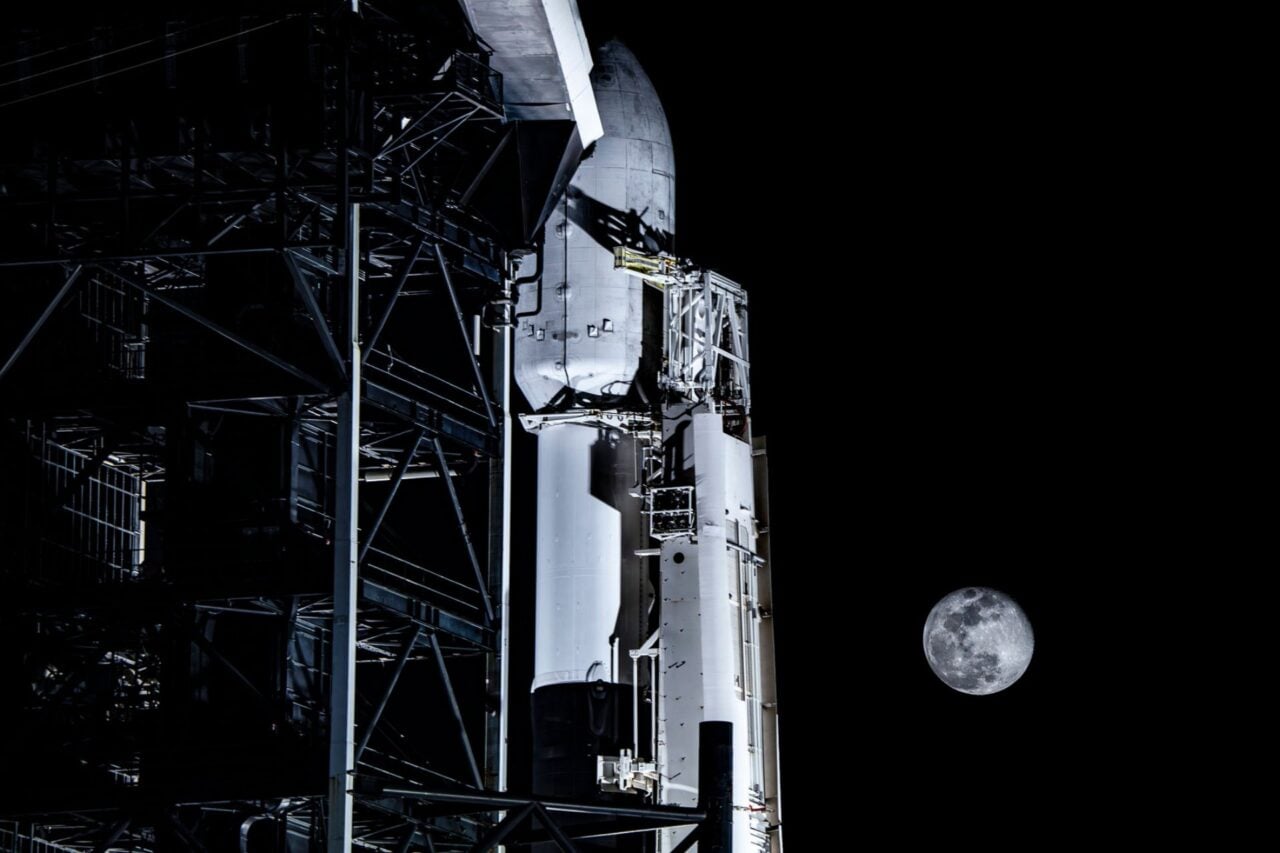
The Blue Moon Mark 1 (MK1) lunar lander is big, beautiful, and preparing to launch within the next four months. Can Blue Origin actually pull this off?
A Vanderbilt physicist has both good and bad news.
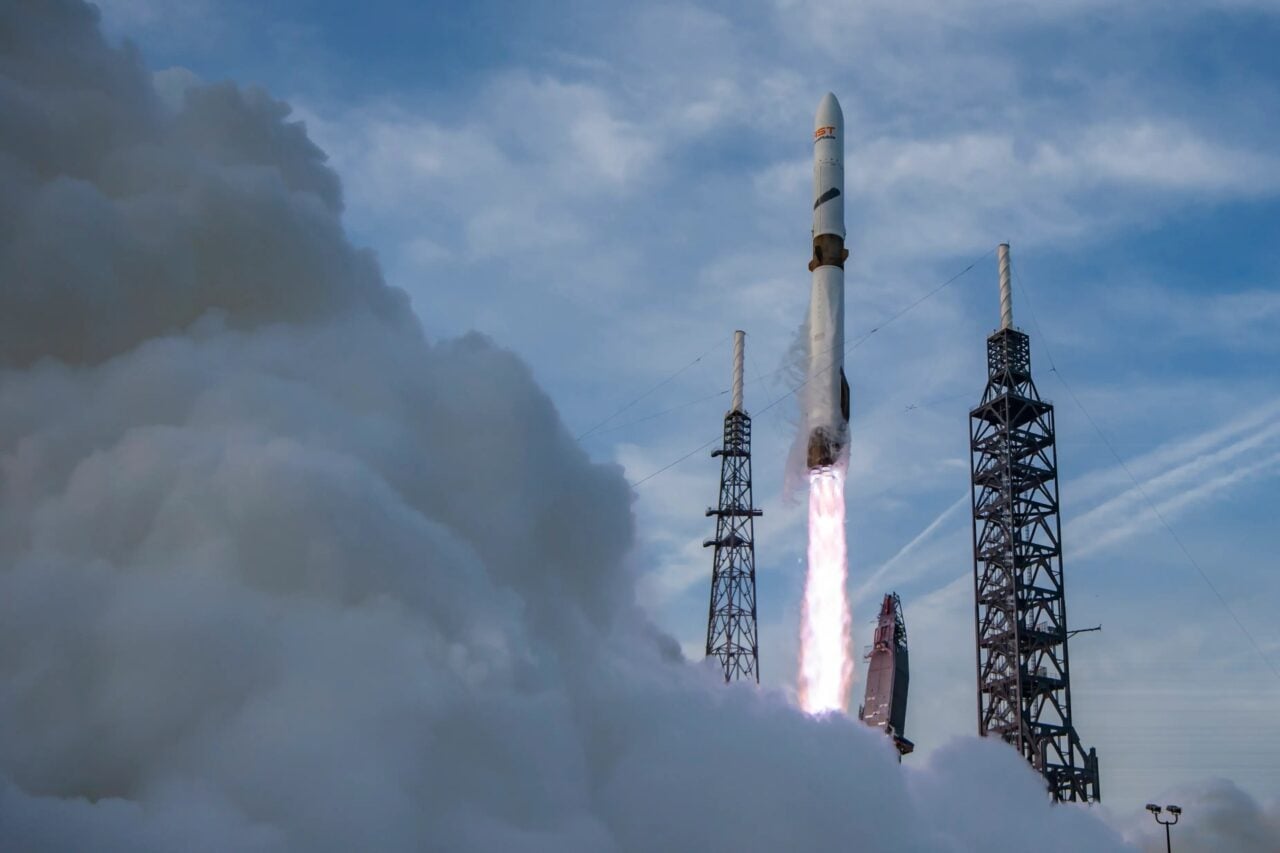
The new super-heavy rocket will be capable of carrying 70 metric tons to low Earth orbit.
SpaceX is prepping Starship V3 for the rocket's first orbital flight in 2026.
A rare alignment between Earth and Saturn will make the gas giant’s rings appear so thin that they’ll be nearly invisible.