A Russian cargo ship experienced a radiator leak on Saturday, in an incident that bears an uncanny resemblance to the Soyuz MS-22 leak in December.
It’s also a big week for Japan, as the country’s space agency is set to launch its much-delayed H3 medium-lift rocket.
The diminutive launch vehicle failed during its inaugural flight last year, but India is now celebrating a successful mission after the rocket's second flight.
SpaceX achieved a major milestone in its Starship program with a full static fire test, setting the stage for an orbital flight.
The conditional approval will require the Project Kuiper team to report launches on a semi-annual basis and retire satellites after seven years.
Ongoing glitches aren't preventing the indefatigable probe from laying important groundwork for future lunar missions.
Ongoing thruster problems have forced a major re-think of NASA's Lunar Flashlight mission, with a monthly orbit now planned for the cubesat.
All but two of the rocket's 33 Raptor engines were engaged during the critical test, which SpaceX CEO Elon Musk says is still enough for an orbital launch.
The U.S. Space Force is tracking 85 fragments associated with the unexplained breakup event.
The Elon Musk-led company continues to launch rockets at a breakneck pace, with 16 flights of Falcon 9 in the past nine weeks alone.
SpaceX replaced some Raptor engines last week in preparation for a Starship static fire engine test that could happen this week.
The upcoming 1.4-million-gallon liquid hydrogen tank at Kennedy Space Center will increase the rate at which NASA can conduct launch attempts.
SpaceX's internet service is now active in Nigeria, despite the company's earlier claim that Starlink was already present on all seven continents.
Columbia broke apart during reentry on February 1, 2003, killing all seven astronauts on board. For the Shuttle program, it marked the beginning of the end.
It’s not the first time the spacecraft has had issues with its imaging instrument.
The coming week will also be a time for solemn reflection, as NASA commemorates the 20th anniversary of the Columbia Space Shuttle disaster.
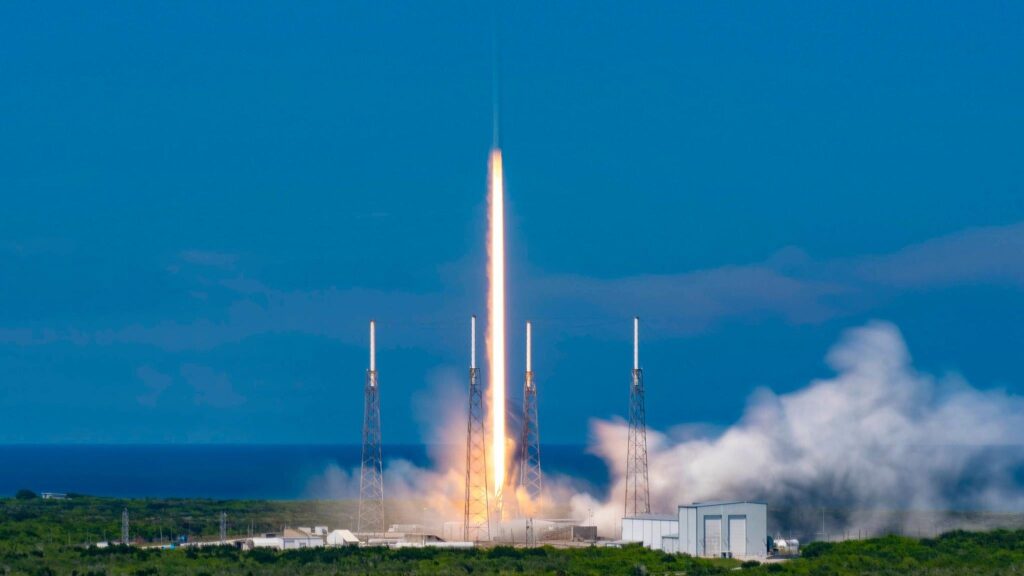
A Falcon 9 carried a 38,360-pound payload to low Earth orbit on Thursday, in what is a new weight record for the trusty rocket.
The rotating detonation rocket engine is powered by supersonic technology, in a breakthrough that could revolutionize the way humans travel in space.
The robotic arm is integral to the Mars Sample Return Program, a joint venture between NASA and ESA that's seeking to return Martian samples to Earth in 2033.
A communications delay timed out the instrument’s flight software, and some planned observations will have to be rescheduled, NASA says.