
Scheduled for launch in October, AstroForge’s prospector spacecraft will seek to inspect an asteroid located 22 million miles from Earth.
Called DRACO, the demonstration spacecraft could reach Mars three times faster than vessels running on traditional chemical-based propulsion.
More than 10 million pounds of propellant were pumped into the fully stacked rocket, moving the company toward an orbital launch.
NASA says the circular solar array is 98% unfurled and providing adequate power to the Lucy spacecraft, currently en route to Jupiter's Trojan asteroids.
A transient atmospheric feature with the distinct appearance of a spiral galaxy is being linked to the launch of a GPS satellite.
We’re also expecting SpaceX’s sixth launch of the year and updates about an upcoming NASA mission to the ISS.
After a successful test at a popular research station last September, Starlink is now connecting scientists working at remote field camps.
An extra seat will accommodate a NASA astronaut left stranded after a micrometeorite damaged a Russian Soyuz spacecraft last month.
Campos, Helga, and Zohar have finally exited Orion and are now en route to their respective labs.
The Habitable Worlds Observatory now has a name, a rough timeline, and a whole lot of hype.
Launched on December 11, the water-hunting probe is on a four-month trek to the Moon, but the mission is encountering some obstacles along the way.
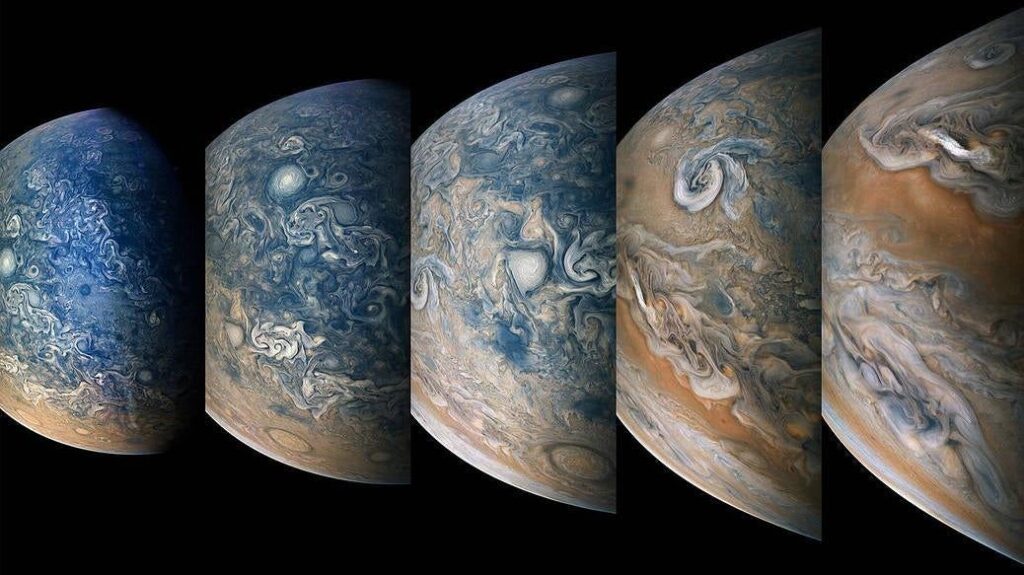
The problem was likely caused by a radiation spike produced by Jupiter's tumultuous magnetosphere, according to the space agency.
CEO Elon Musk claims that a March orbital launch test of the gigantic Starship is "highly likely."
The space agencies refuse to call it a “rescue mission,” in an obvious attempt to downplay the current risk posed to three stranded ISS crew members.
The planned lunar Gateway space station will be just one-sixth the size of the ISS and feature an upsettingly tiny habitation module.
Engineers have begun the painstaking process of inspecting the Artemis 1 capsule to see how it fared during its lunar journey and atmospheric reentry.
China's inaugural Mars mission was scheduled to resume after a precautionary winter pause, but controllers can't seem to make contact with the rover or orbiter.
The defunct Earth Radiation Budget Satellite (ERBS) reentered the atmosphere after spending nearly four decades in low Earth orbit.
The LunaH-Map mission missed its initial shot at lunar orbit but the team hasn't given up on it yet.
A new solar sail belonging to French aerospace startup Gama reached space on Tuesday and is expected to deploy its wings in the coming weeks.