“It never used to be like this,” the hairdresser said to me as I sat down in the chair.
It’s a common refrain from people who’ve been in San Diego for decades. It’s 93° outside—hot for the summer and extremely rare for October. While this particular establishment has air conditioning, that’s not the case everywhere. The hairdresser joked that maybe I wanted a buzzcut because of the heat.
You see signs of the heat everywhere. The virtually empty bars that would normally be packed with Padres fans. The freezers at the grocery store out of commission from overwork. You think it’s just an isolated issue until you see the second freezer sitting inoperable in as many days. Or you hear the recent transplants complaining about their apartments. Everyone told them they didn’t need air conditioning. It’s San Diego that’s the reason people move here. It’s nice all year around. Not anymore.
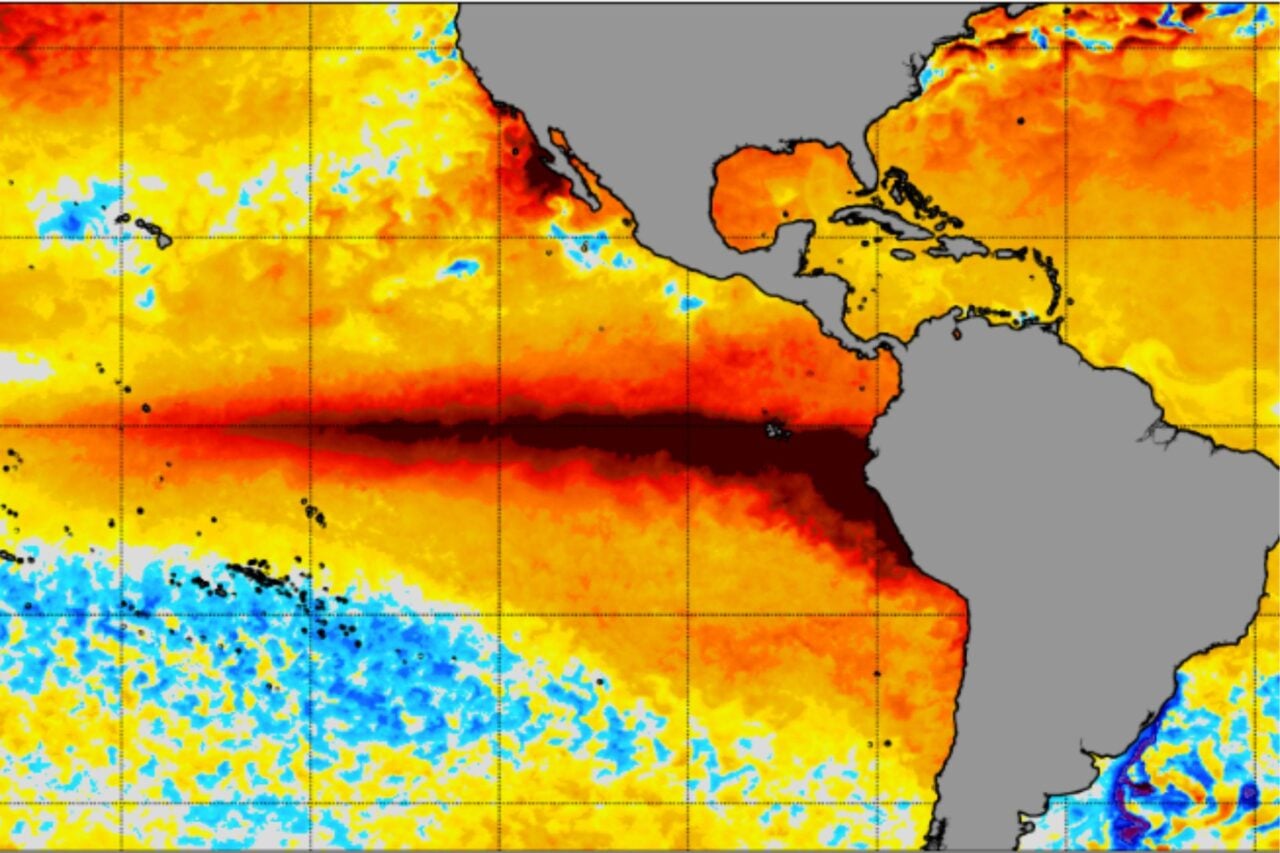
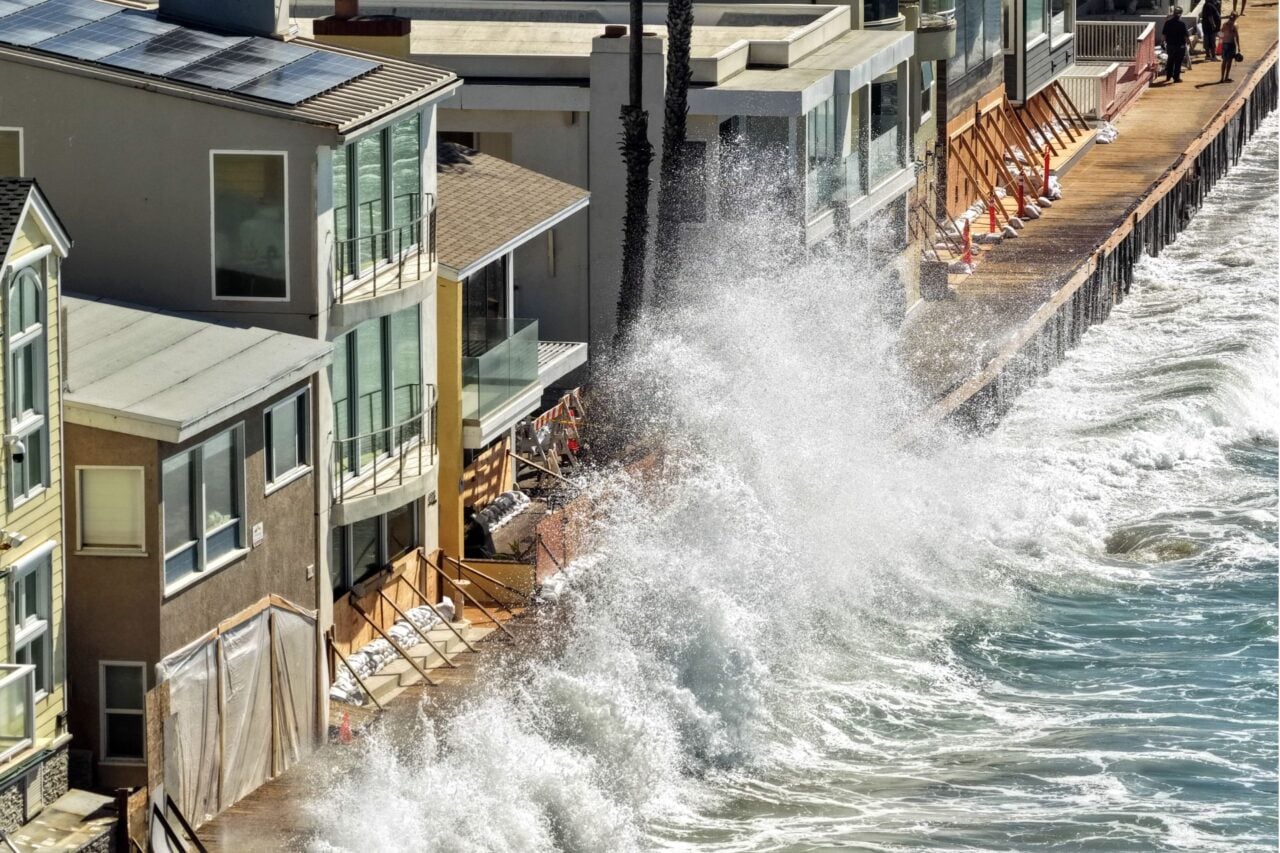
The San Diego International Airport hit 100 degrees Fahrenheit on Sunday, a new record high for October 4. The city was hotter than Dubai over the weekend, and it’s shaping up to be an absolutely wild winter thanks to the Super El Niño. It was even hotter inland, away from the water.
Nobody is prepared for just how weird this winter is going to be, according to the climate scientists. But San Diego in particular has challenges unique to cities on the West Coast in the age of increasingly dire climate change—from San Francisco to Seattle. San Diego is generally considered the “best” weather in the country. But there’s nowhere to hide from the heat anymore. Especially if you don’t have air conditioning.
Throughout the 20th century, San Diego was the kind of city that didn’t require air conditioning. According to a Zillow spokesperson, just 11.3% of homes listed for sale in the San Diego metro in 2025 listed air conditioning in the description. But 2026 was the hottest summer on record for America’s Finest City—the slogan comes from a mayor who was upset the city lost its bid for the Republican National Convention in 1972—and social media platforms like Instagram and TikTok are filled with visitors upset about being misled.
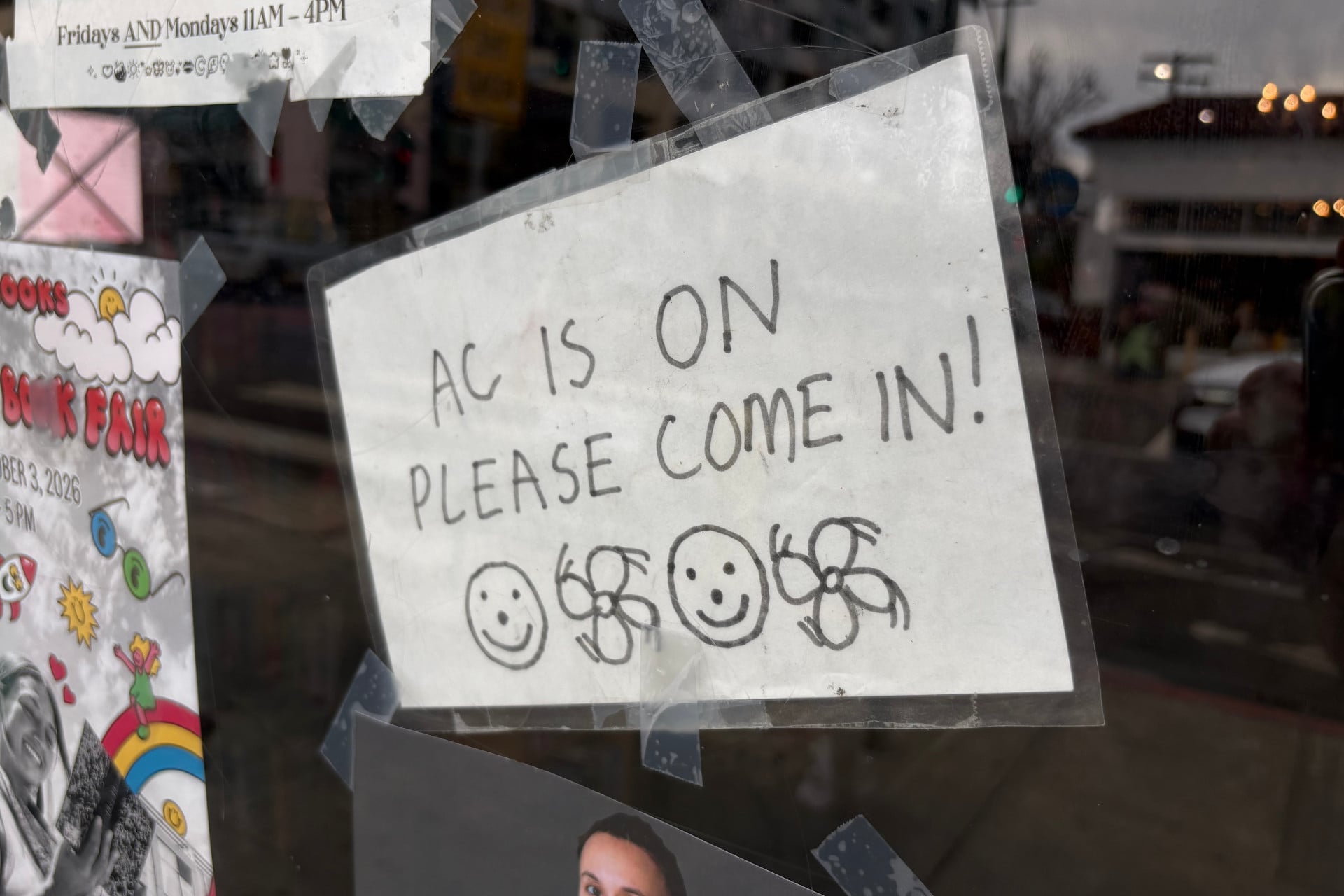
On a recent trip to Verbatim bookstore in San Diego’s North Park, I enjoyed browsing the aisles in cool comfort thanks to the AC, advertised on the door in a crudely written sign. A nearby store, which will remain unnamed, didn’t have AC. I walked in for just a few seconds before turning my ass right around. This city simply wasn’t built for this.
A spokesperson for Yelp tells me that U.S. searches on the platform for “air conditioning near me” were up 145% in the summer of 2026 compared to the previous summer. That doesn’t surprise me in the slightest. Because I’ve been doing the same thing. It was always front of mind whenever I wanted to go out, and oddly there was no way to filter Yelp by restaurants that have air conditioning. The company told me to use the AI features to search, but I found that unreliable and imprecise. Yelp tells me that will change soon and you’ll be able to filter by which restaurants have AC just as you can by which have karaoke.
Air conditioning isn’t cheap. And the businesses that do have it aren’t just trying to advertise it on social media; they’re noting the cost. Gilly’s House of Cocktails, a bar in the University Heights neighborhood, posted to TikTok on Monday: “Don’t want to have a $900 SDGE bill?” using the name of the local power company. “Our air conditioning cost us $15,000 and is made for somewhere double the size of the bar. We want it STRONG and keep it COLD. Come beat the heat.”
@gillyshouseofcocktails A beer is a lot cheaper than AC #sandiego #sandiegobar #sandiegolife #sandiegohiddengems #northpark
Growing up in Minnesota, I was always amused as a kid when some area in the South would get an unexpected inch of snow or something, and it would completely shut a city down. As I got older, I came to understand that this is just what happens when a city is built for one set of circumstances, and it experiences conditions well outside the norm. Atlanta and Dallas don’t have trucks to plow the roads. The people driving have no experience with how to recover when their car starts swerving on the ice. The same goes for the heat in cities that simply aren’t built for a wide range of temperatures. We just don’t have AC.
The city sent out alerts over the weekend to notify residents that they could visit so-called “Cool Zones” like recreation centers and libraries to cool off. Tens of thousands of people in the San Diego area had the power cut in order to protect against power lines causing wildfires. There were also unplanned power outages for mysterious (likely heat-related) reasons. But the Cool Zones are only helpful when they’re open. Take the libraries, for instance. Thanks to budget cuts in 2025, city libraries are closed on Sundays, though a small number of the county’s libraries are still operating.
Power outages don’t just disrupt air conditioning, assuming you’re lucky enough to have it. One woman told the local NBC channel that she had to go get a cooler filled with ice because her extremely expensive medication needed to be chilled. Heat-related 911 calls have spiked in San Diego County this year, according to the San Diego Times, with the city putting more ambulances on the streets on hot days to respond to the demand.
It’s been a similar story nationally, where the average temperature for the entire country from June to August was 74.4 degrees Fahrenheit, a new record that was 0.4 degrees higher than the previous record set during the Dust Bowl of 1936. Los Angeles just marked four consecutive days with a high of about 100, the first time that’s happened in the month of October in recorded history, according to ABC News. The current models predict that it’s going to be a very warm winter. Nobody knows for certain what this El Niño season will hold, but the projections look horrifying.

Even the near-term forecast looks exceptionally weird in a number of places across the country. The forecast in Minneapolis for Saturday is a high of 83 degrees. That’s well above the average of about 60 degrees. I used to love fall in Minnesota. It was my favorite time of year. But it seems like a chilly autumnal breeze through the Upper Midwest may become a much rarer feeling in the decades to come.
Things are only going to get weirder from here. Typically, El Niño winters reliably bring rain to Southern California, and the forecast for the next few months looks bleak. The typical period from December to March sees about 11 inches of rain falling on San Diego. The current forecast for this coming season is 28.9 inches, 263% more than normal. The El Niño conditions could linger for as long as 6 months, well into 2027.
We may not even have to wait until December for things to really kick off, as one potential path for Hurricane Rachel currently shows a “cone of uncertainty” that stretches as far north as Anaheim between Los Angeles and San Diego. As the San Francisco Chronicle notes, this is “highly unusual” for a hurricane that’s going to make landfall from the Pacific. I googled “has a hurricane ever hit Disneyland?” and it literally didn’t understand the question. The first page of hits was all about Walt Disney World, which is in Florida, not California.
I went to see the new Tom Cruise movie Digger on Sunday, a bit apprehensively, given two previous experiences this summer when the movie theater saw its air conditioning break. I was sweating through the first half of The Odyssey back in July before the air conditioning in my screenings kicked on properly. Thankfully, the AC worked for Digger. But the movie’s examination of climate change felt all the more relevant in San Diego on a day when we were beating heat records. I was deeply engrossed in the movie and recommend it highly (don’t listen to the haters), but the fear that our AC might fail halfway through the film was always lingering.
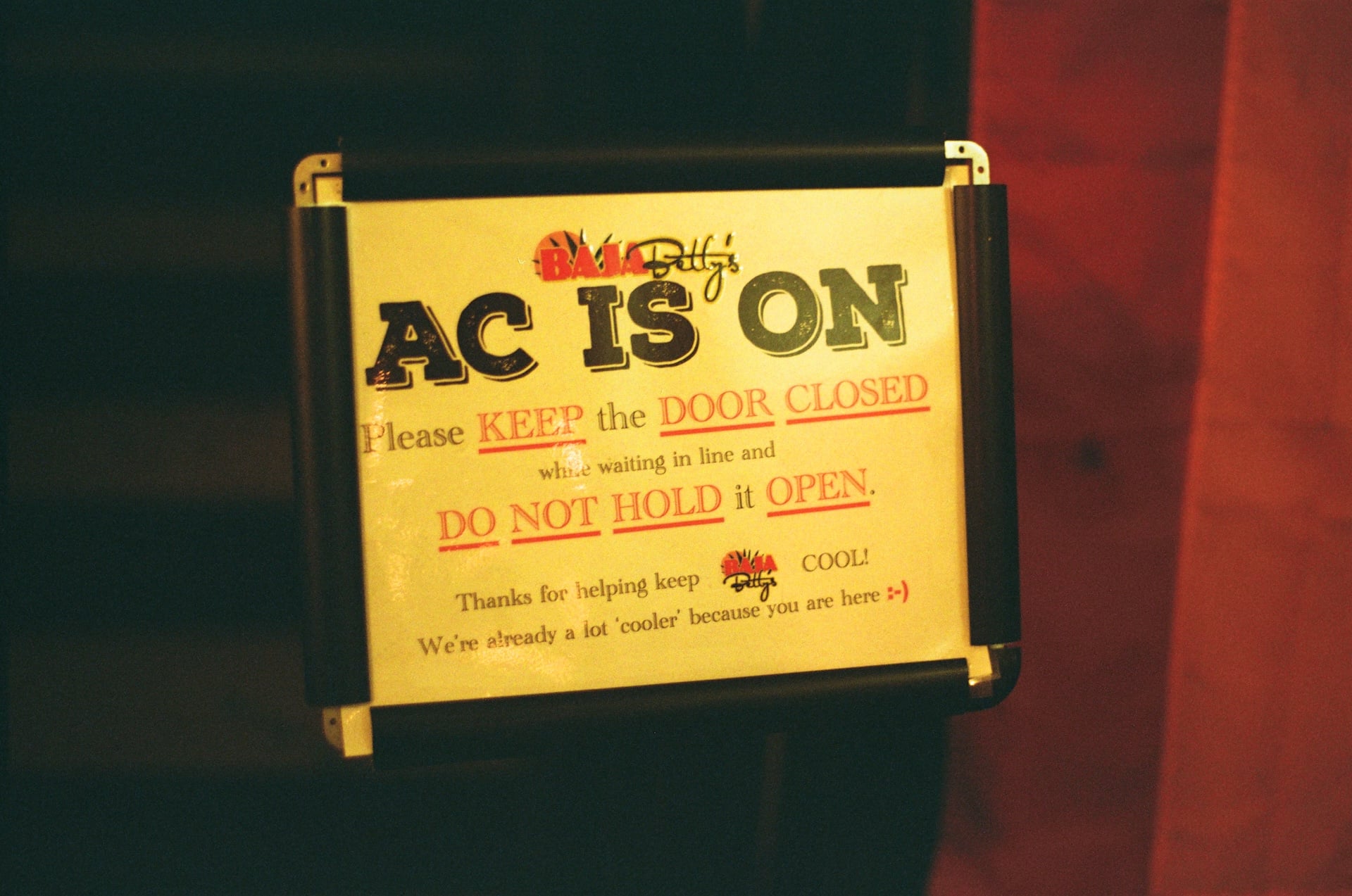
Life goes on, even in the extreme temperatures. As I was getting my hair cut, other hairdressers were talking about the upcoming COLA increases for Social Security, with one wondering what COLA means. “Cost of living,” another explained. It sounds like the increase might be $75 a month. Another hairdresser joked that it “might get you one night at the pub,” an odd choice of words for someone who seems to have an American accent. But many people are from somewhere else here. They come from around the world for some of the best weather in the country.
A hairdresser moved on to talking about how her elderly mother has Tesla’s full self-driving software. “It’s worth the pretty penny,” the pub guy said. The woman cutting my hair explained that she likes to drive and “would be too scared” to let the robot take control.
Life continues, and weather can feel like small potatoes when you’re confronted with so many other future shocks. Inflation, self-driving cars, and whatever Trump has planned for after the midterm elections. The president’s recent comment about letting Iran “take out” San Diego, to thunderous cheers from his audience, is the only thing that’s been able to change the conversation on local social media away from the heat. It’s hard to care about climate change when your own president is teeing up your city as a sacrificial lamb in his idiotic war of choice.