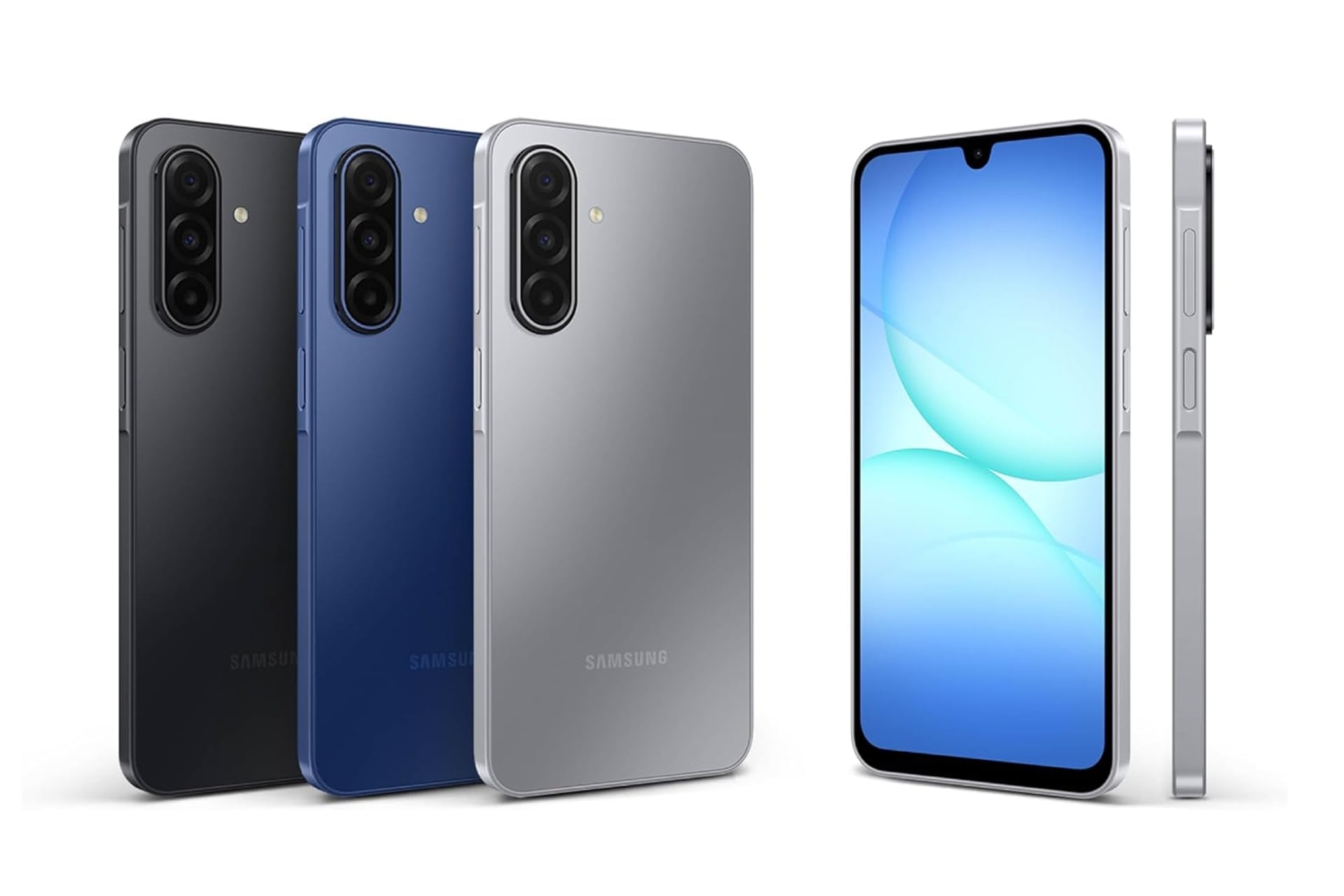
It’s been evident for the past few weeks that something was going on over at Samsung. Earlier this month, the company raised the U.S. prices across its A-series phones, otherwise known as the smartphone line that every Guy Who Doesn’t Need Fancy Tech that I know owns. The Galaxy A17 5G, which was $199.99 at launch, received its second hike in a matter of months, and is now listed at $269.99, a whole 35% above its launch price.
I can’t overstate how big of a deal that price hike was: it substantially weakened the A Series’ value proposition. Samsung has been one of the biggest names in the dirt-cheap smartphone market—an area where its major Cupertino-based rival doesn’t even have a pot to piss in—since the A-series hit our shores in 2019. That sub-$200 price point has been part of Samsung’s mobile playbook for many years now, and the idea of its cheapest Galaxy A phone costing $270 was unthinkable not all that long ago.
But scratch your heads no longer: a new report out of Korea may offer us a glimpse behind the scenes. Industry sources are telling Money Today that the company has asked its suppliers to reduce Q4 smartphone deliveries by somewhere between 20% and 30%. That’s not all: the Korean-language report quotes an insider as saying that Samsung is finding it “difficult to break even” on smartphones, though the phrase is clearly rhetorical flair and not a concrete earnings indicator. Oh, and the source explains what’s causing all of this commotion in Seoul. I’ll give you three g—yep, it’s semiconductor prices.
If you’ve read a single article that any tech reporter has published over the past year, you know that memory costs a chunk of change these days. Setting aside the irony of Samsung’s own complicity—and very profitable role—in maintaining the RAM-pocalyptic hellscape in which we now dwell, this news may be a sign that the moment we’ve all feared has, in fact, come to pass. The RAM crisis has come for phones, and it’s not just hitting prices—it’s hitting production as well.
Since we collectively decided to start using the phrase “RAMpocalypse” a year ago, it’s largely been seen as a computer problem—and, in particular, one affecting high-end PCs. The crisis has increasingly spilled over into smartphones this year, with Samsung raising the prices of the Galaxy S26 lineup back in February (and then again last week) and Apple doing so across its iPhone lineup last month.
Making fancy things that are already wildly expensive slightly more expensive is one thing. But this is one of the first major signs we’re getting that the AI-driven memory drama is starting to trickle down to the economics of even the cheapest smartphones out there. And we’re at the point where even Samsung, the world’s largest memory manufacturer, is feeling the squeeze. And even if the current memory boom eventually simmers out, I’m more and more starting to wonder if we’ll ever see a $200 Samsung phone on the U.S. market again.