Smart glasses might be hogging most of the spotlight, but they’re not the only up-and-coming face-worn wearable on the big stage right now. AR glasses—the bigger, more sophisticated brother of smart glasses—are increasingly a thing, and competition feels tighter than ever.
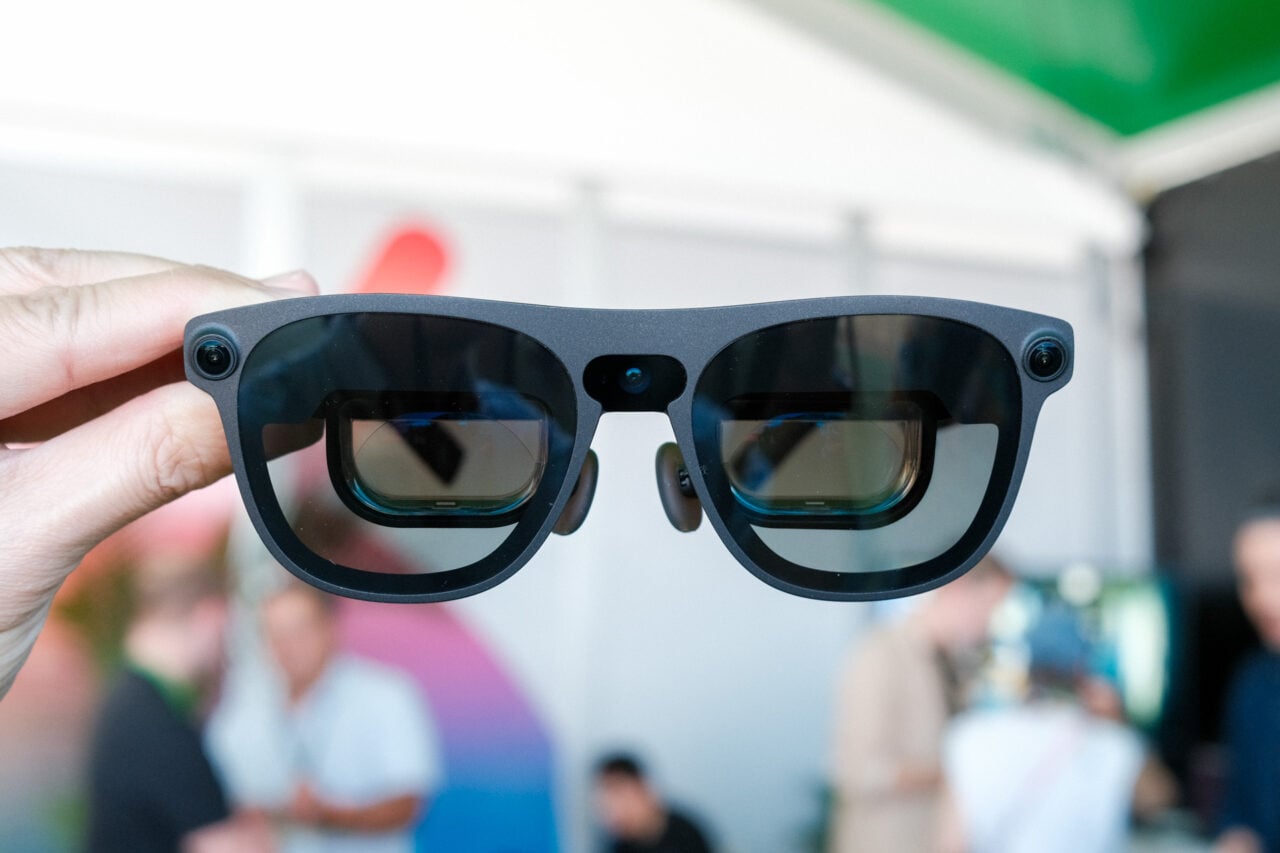
Take Rokid, for example, which just announced its newest pair of wired AR glasses, the Rokid AR. They aren’t leaps and bounds different from other AR glasses on the market, but they’re taking some steps. For one, according to an early glimpse on Reddit, they have a tri-camera system for tracking and AI. Those cameras include two sensors in the temples for spatial tracking and a full-color RGB camera for environment recognition. With all of those sensors working together, they have what’s known as six degrees of freedom, or 6DoF, meaning objects pinned in 3D space have six different axes of movement.
It’s hard to say if those cameras move the needle on a spatial computing experience in a pair of AR glasses without using them myself, but more sensors often means more fluid tracking. The Vision Pro, for example, has a total of six world-facing cameras, four eye-tracking cameras, and specialized sensors for depth and movement, and it’s easily the most complex and fluid spatial computing experience out there.
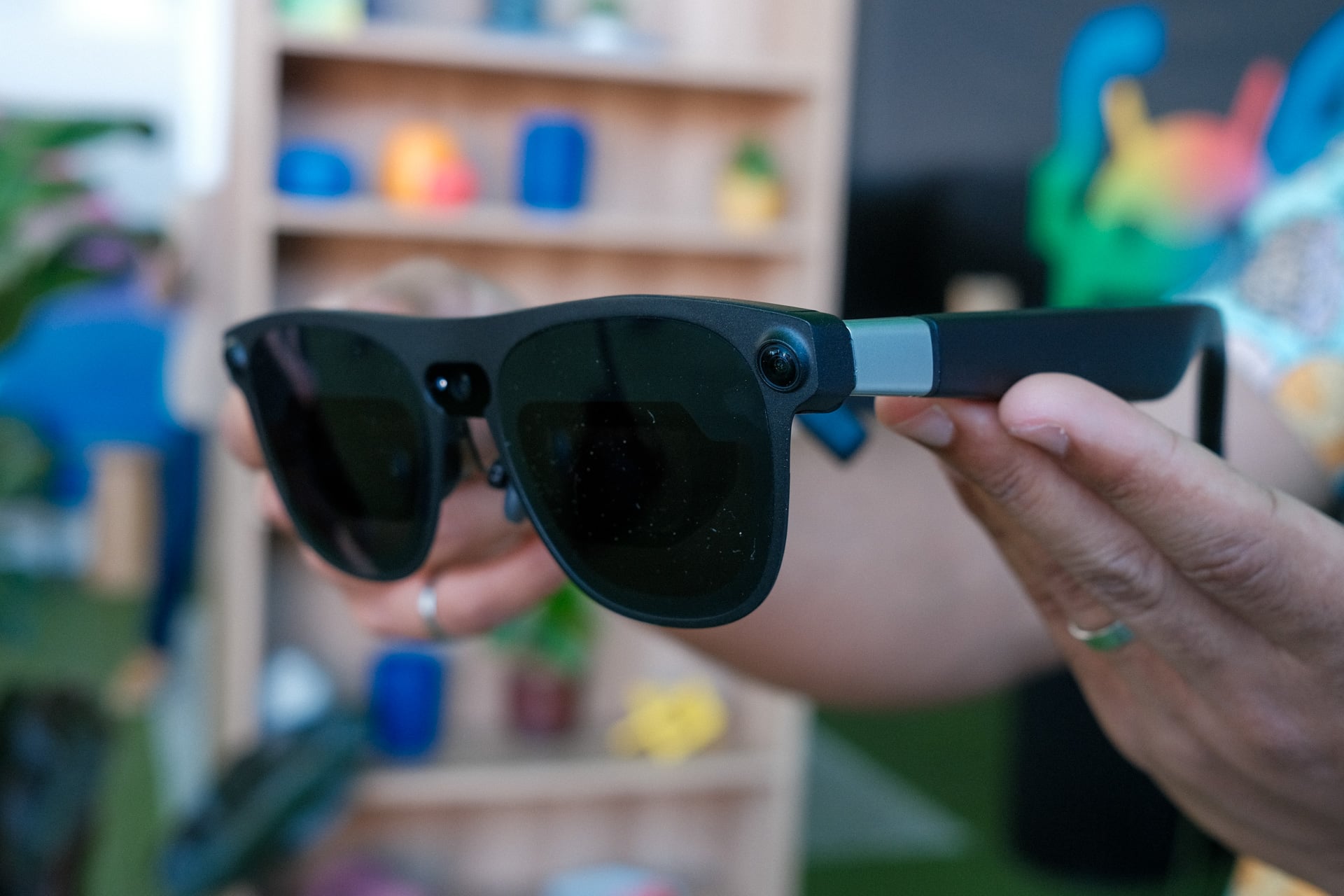
To be clear, Rokid’s entrant isn’t the only AR glasses with a tri-camera system—Viture’s $599 Luma Ultra also have a similar setup—but Rokid is just one stone in the path toward more sophisticated models, and it’s far from alone in its endeavor.
Xreal is arguably the biggest name in the space right now thanks to its partnership with Google, and its Aura glasses are promising something that we haven’t seen yet—a true AR/XR platform. Thanks to a fairly portable computing/battery puck that you tether the Aura glasses to, Xreal and Google’s version is billing itself as a whole platform. If you wanted to, you could leave your phone behind and use Aura as a standalone device. That stands in pretty stark comparison to lots of devices, many of which rely on your phone or a laptop for compute. Gizmodo’s Senior Editor, Consumer Tech, Raymond Wong, tried Aura at Google I/O 2026 in May and called the experience legit—hand-tracking is fluid, the screen is plenty bright, and the 70-degree field of view is wider than any of Xreal’s other video glasses.
Aura, novel as it may be, is coming sooner than you might think, with Xreal aiming for a fall release at a yet-to-be-determined price.
Speaking of price, AR glasses are also amping up the arms race in a price war. RayNeo, a company owned by TCL, sells a pair of video glasses, the RayNeo Air 4 Pro, that support 3DoF and have a virtual screen that can be as big as 201 inches. On top of all of that, they support HDR10, and having reviewed them, they’re brighter and sharper than you would expect. In fact, I would venture to say that they feel like a legitimately premium way to watch content. The price? Just $299, which matches the a01, a similarly cheap pair of video glasses made by Xreal sub-brand, X by Xreal (Xbx).
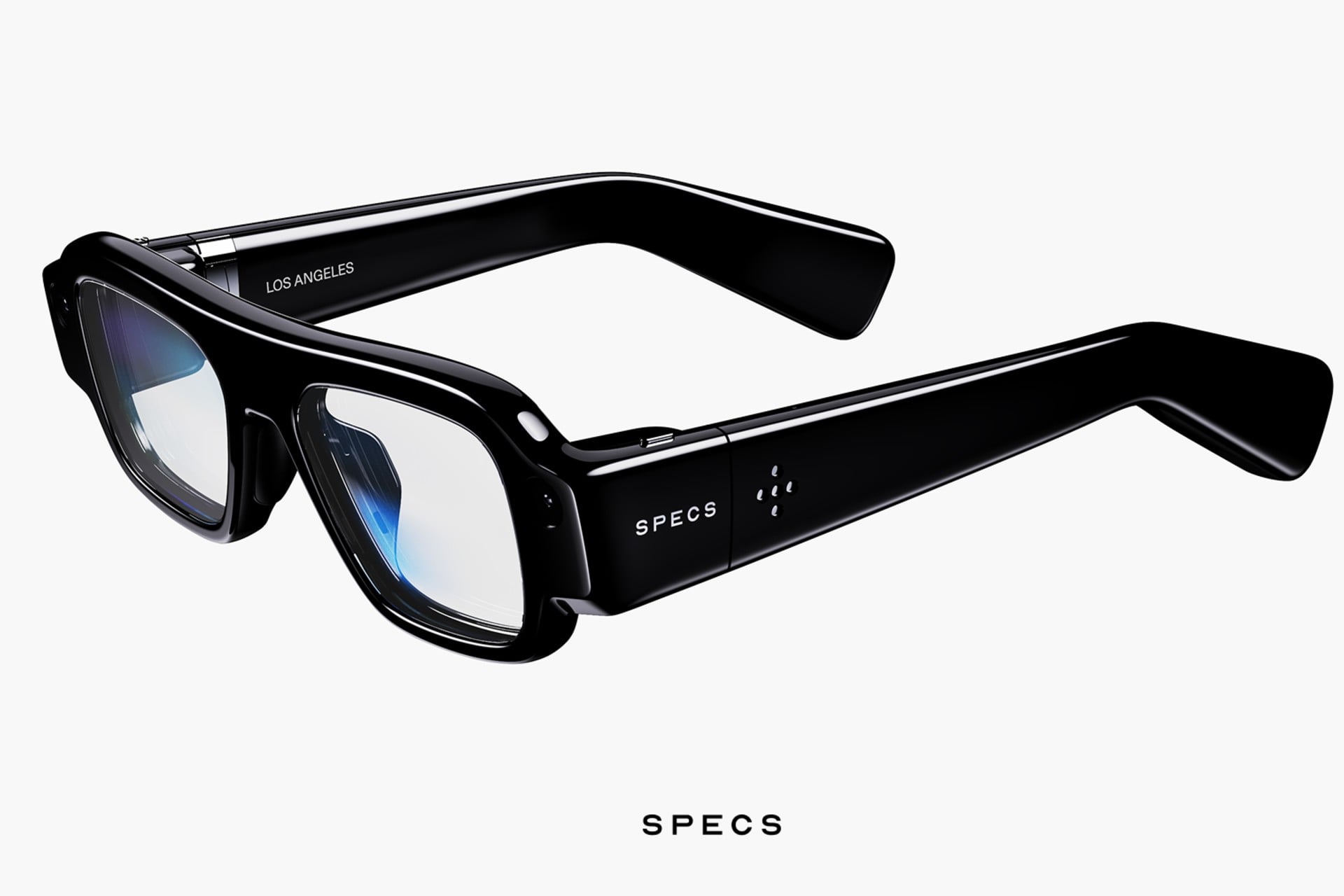
Then, there’s Snap and its recently announced Specs. Sure, they might look goofy, but they’re also very ambitious. Like Xreal and Google’s Aura glasses, Snap wants its Specs to be something that is used in a standalone capacity. Unlike the Xreal Aura or other more compact AR glasses, Specs have no additional computing puck. There’s still a lot we don’t know about the hardware, but Snap envisions the Specs as having spatial apps for all sorts of stuff—navigation, games, education, etc. As bulky as they might look, they’re actually a great deal smaller than a developer version released in 2024, clocking in at as low as 132g for the smallest model, which is a lot lighter than the previous version’s 226g.
From what we’ve seen, Snap’s Specs are trying to do something VR headsets have been hinting at for years now—provide a real XR experience with games, apps, and spatial computing in a form factor that feels light, like a pair of glasses. Whether Snap will actually achieve any of that is a huge question mark, but it’s gearing up to ship its $2,195 AR glasses this fall.
In hardware, ambition, and in price, AR glasses are really moving this year, and a lot faster than you might expect. That’s not to say that they’re going to sell tons of units, or turn the computing world upside down, or kill the smartphone, but it’s clear the time for sophisticated AR glasses is nigh. Just imagine what it’s going to be like if Apple and Meta finally get into the game.