Tim Cook has a pretty simple explanation for why Apple removed most of the podcasts and an app from Infowars founder and hatemonger Alex Jones from its directories, setting in motion a chain of events that ended in the conspiracy theorist being fully or partially banned from virtually every major web platform: Everyone can agree Jones is terrible.
In an interview with Vice News Tonight’s Elle Reeve, Cook said that getting rid of Jones’ content was a matter of content curation and reassuring users that humans were actually paying attention to what ends up in Apple’s content ecosystem. He also denied the company was responding to any kind of political pressure or that he had ever coordinated his response with executives from other tech companies.
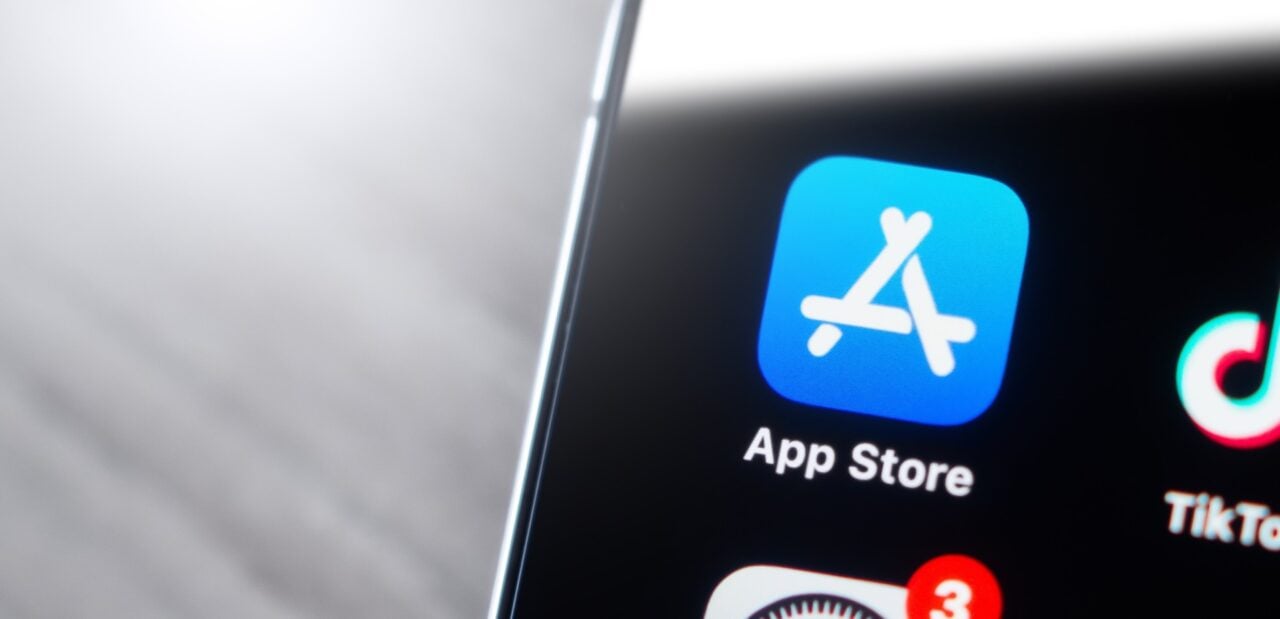
“What users want from us and what we’ve always provided them is a curated platform,” Cook told Reeve. “We think that what the user wants is someone that does review these apps, someone that does review the podcasts, someone that on like Apple news, where a human is selecting the top stories. And that’s what we do.”
“We don’t take a political stand,” Cook continued. “We’re not leaning one way or the other. You can tell that from the stuff on the App Store and in podcasts, etc., you’ll see everything from very conservative to very liberal. And that’s the way I think it should be.”
Pressed on the exact moment he decided Jones should go, Cook replied, “You know, I don’t really get into a singular kind of event. But I think there’s enough there that reasonable people could agree that if you’re going to curate, that that should be off.”
“We have an app called Safari,” Cook added. “Safari is the app for you if you want to look at anything that’s on the free and open Internet that’s not on our app store.”
Cook, the CEO of a company valued at over a trillion dollars, has a habit of denying that Apple plays politics—and despite mountains of evidence to the contrary, that he doesn’t really either. It is fair to say that the company’s decision to deplatform Jones was inherently both a business decision and political statement, allowing Apple to position itself as taking a stance at the same time other companies like Facebook, YouTube, and Twitter were all seemingly worried about potential consequences and treading on eggshells on anything Infowars-related. But given that all of those companies took Apple’s move as an opportunity to finally just rip off the band-aid, and only consequences for Jones ensued, it is probably also fair to say that fear of some kind of backlash was a little exaggerated.
Elsewhere in the interview, Cook criticized other tech companies for collecting large amounts of user data under misleading pretenses. The CEO called for regulation, adding, “The narrative that some companies will try to get you to believe is ‘I’ve got to take all of your data to make my service better.’ Well, don’t believe that. Whoever’s telling you that—it’s a bunch of bunk.” (Note that a recent congressional hearing featuring executives from six tech giants including Apple, none were willing to go so far as to call for financial penalties or sweeping overhaul like the European Union’s General Data Protection Regulation.)
Cook also defended Apple against accusations that its business in China could lead to it becoming a de facto partner to state censors, denying that government officials could more easily access user data stored in-country or that its encryption standards are any different there.