
There’s almost no way to watch foreign TV channels without a VPN. All foreign TV channels broadcast only in their respective countries. However, they lock out visitors from abroad by detecting their IP addresses. This is how a VPN helps. When you change your IP address, you appear elsewhere. In turn, you can watch international TV shows, channels, and content that would otherwise be unavailable.
The best VPNs typically have zero issues. You still get fast speeds, Full HD streaming, apps for all devices, and affordable plans. Here’s how to watch international TV channels with a VPN and which VPNs actually do the job well in October 2026.
How to Watch International TV Shows and Channels: Short Tutorial
- Get a VPN service. I recommend NordVPN at 75% OFF.
- Install the VPN on your device.
- Open the VPN and log in to your account.
- Connect to a server abroad. Pick a VPN location of the foreign TV channel you want to watch (example: Germany for ZDF).
- Watch foreign TV channels you want. Simply go to the TV channel that was inaccessible before. Now, it should work well.
Watch Foreign TV Channels With a VPN: Full Guide
International TV shows and channels are blocked outside their respective regions. The reason lies in licensing agreements. However, that’s none of your concern if you only want to use international TV channels without restrictions. You need to know this: NordVPN is the best VPN for you, with servers in 149 countries, reliable unblocking, and apps for all devices, even including your Fire TV Stick.
Start by subscribing to it and installing it on the device you’ll use to watch foreign channels. After that, launch NordVPN and sign in with your credentials.
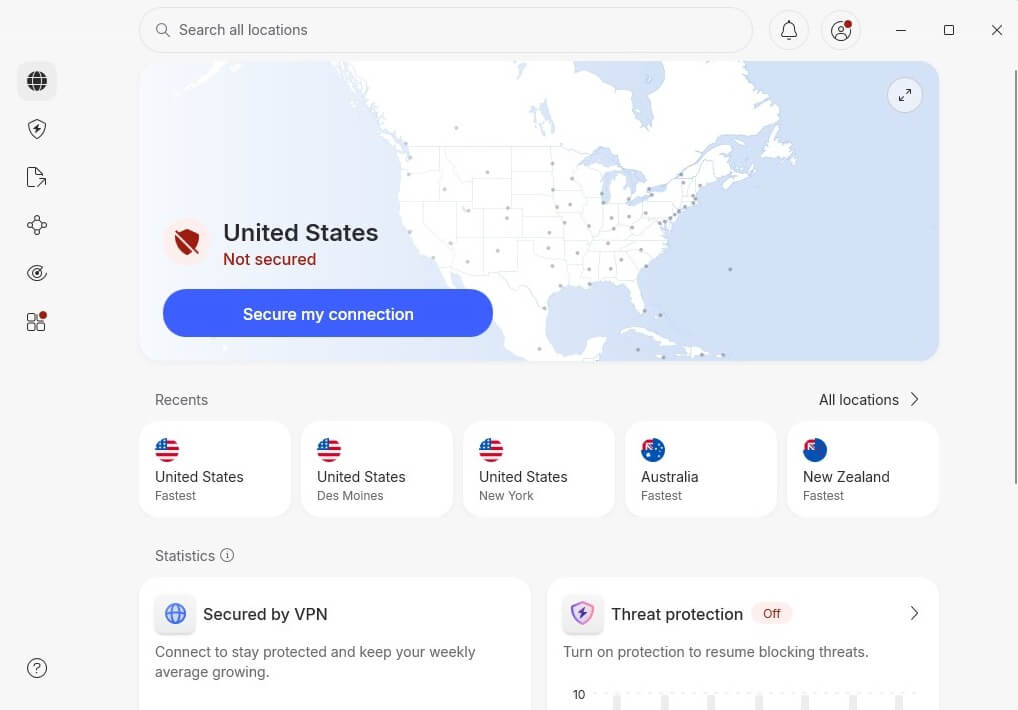
Now, think about the international TV channel you want to access. Say it’s ZDF, which works only in Germany, and you’re in the USA, like me. In the VPN app, find Germany and click on it to get a German IP address.
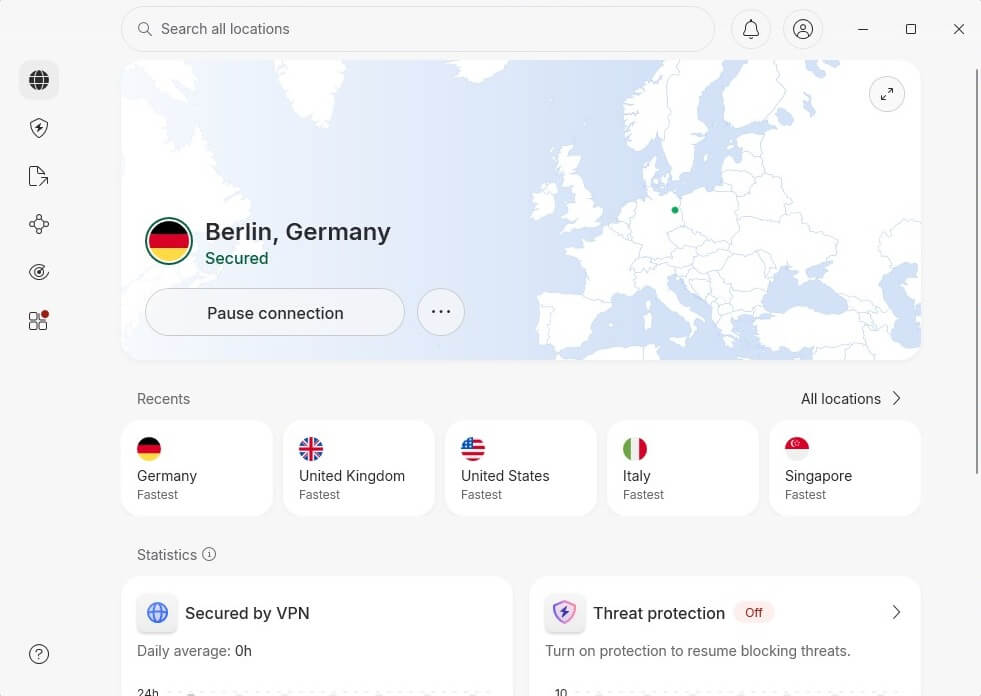
When you now go to ZDF, or any other foreign TV channel, it will work uninterrupted. My example was ZDF, so here are the results:

Access Foreign TV Channels With NordVPN
Best VPN to Watch Foreign TV Channels: 2026 List
Search for a VPN online, and you’ll drown in options. Most make big promises, but finding one that unblocks foreign TV is tricky if you don’t know what to look for. A few providers we expected to shine fell flat in testing, so nothing on this list is here on reputation alone. After putting a wide range of VPNs through their paces, these are our top picks for watching foreign TV channels anywhere:
1. NordVPN: Best VPN for International TV Shows
Pros
- Fast for Full HD streaming
- Servers in 149 countries
- Bypasses censorship
- SmartPlay technology
- Audited no-log policy
Cons
- Higher renewal price
- Complex UI
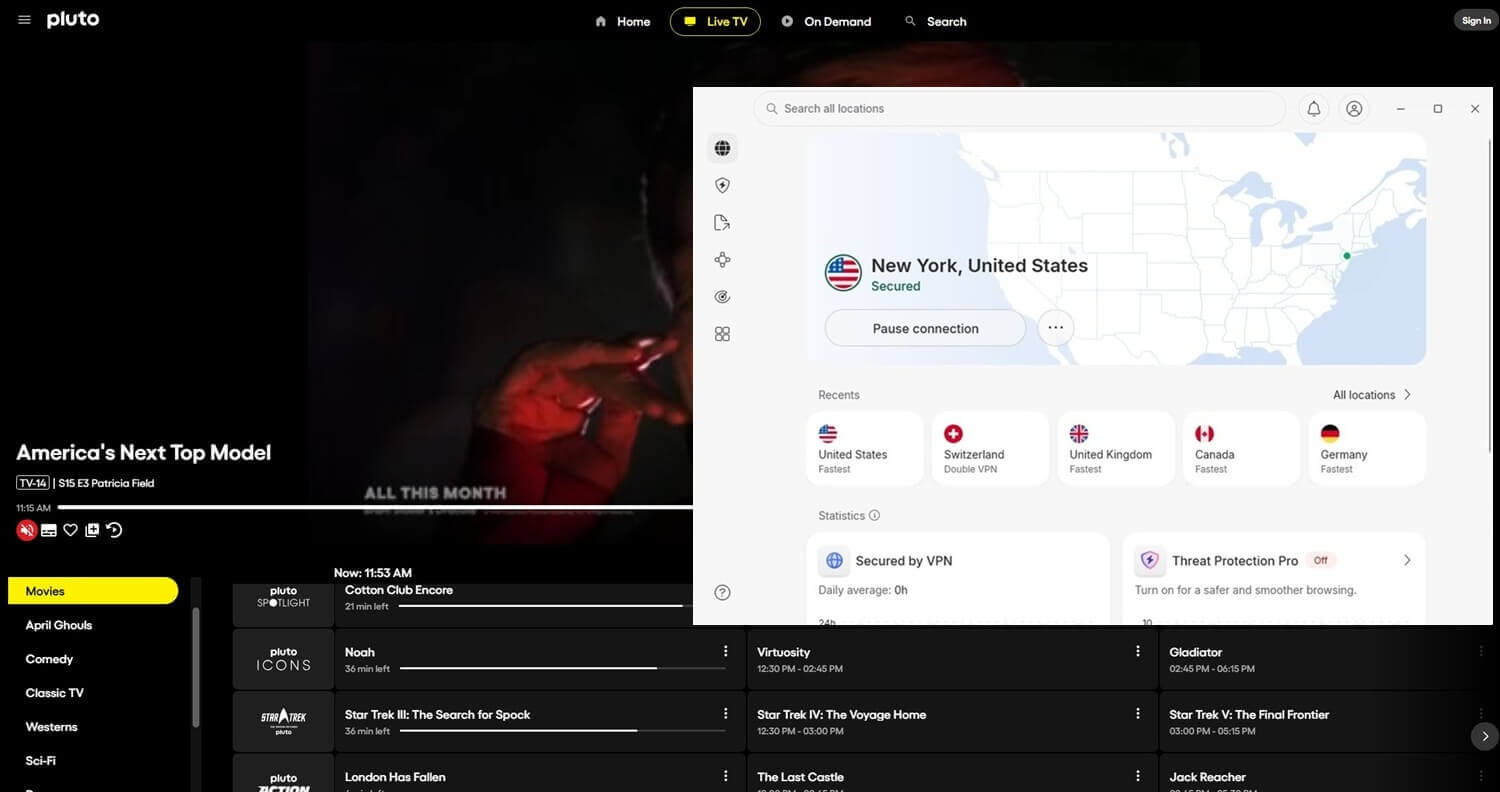
NordVPN is our top pick for unblocking foreign channels, and its network is the reason why. The provider’s server page lists over 9,500 servers in 149 countries, so whichever country’s TV you’re after, there’s almost certainly a server waiting. Performance holds up over distance. In our tests with far-flung servers, speeds dropped by 5-8%, more than enough headroom for smooth HD streaming.
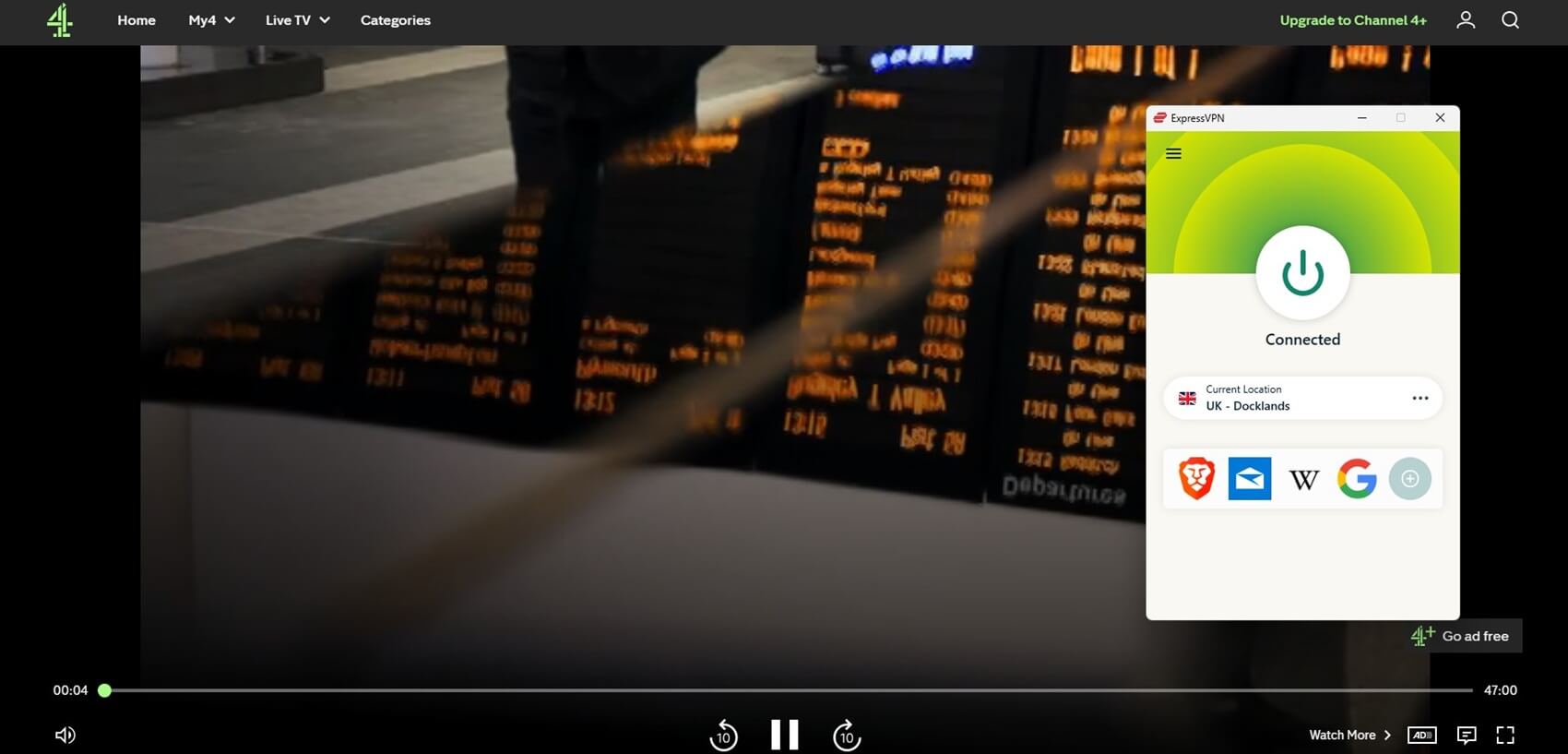
Uncapped data means long binge sessions never hit a wall. The unblocking results speak for themselves. Using NordVPN, we accessed all prominent TV channels in the UK, including ITV, Channel 4, Channel 5, Sky Sports, and BBC News. SmartPlay, NordVPN’s built-in Smart DNS, deserves special mention here, as it unblocks channels even on devices that can’t run VPN apps, like some smart TVs and consoles.
The Panama headquarters keeps NordVPN outside the 5 Eyes alliance, and extras like Private DNS and Double VPN are there when you need them. For this use case, what matters most is that it gets you in. Pricing starts at $3.49 per month, backed by a 30-day money-back guarantee. With apps for every platform and 10 simultaneous connections, one subscription covers the whole household.
2. Proton VPN: Secure VPN to Watch Foreign TV Channels
Pros
- Wide server network
- NetShield ad blocker
- Works with 100 streaming sites
- Low-cost 2-year plan
- VPN Accelerator feature
Cons
- Lacks SmartDNS
- Higher price on renewal
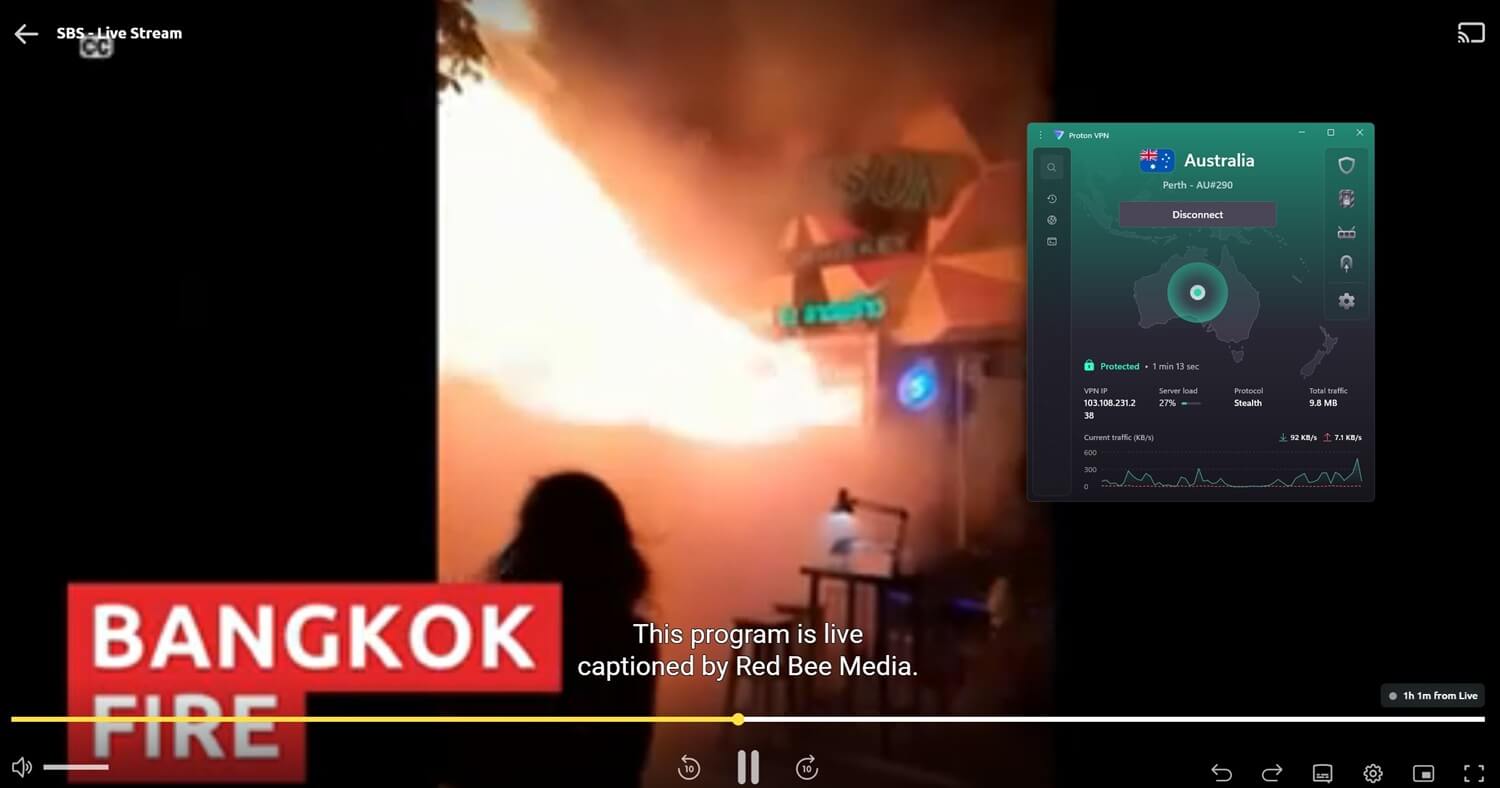
Proton VPN comes from Proton AG, a Swiss company based in Geneva, safely outside the Five Eyes alliance and backed by a transparent, independently audited no-logs policy. It’s the privacy pedigree, but for foreign TV, the network is what counts. And what a network it is. Proton VPN now operates over 20,000 servers across 148+ countries, the widest country coverage of any major VPN.
That reach matters for international TV: whether you’re chasing channels from Europe, Asia, Africa, or the Americas, Proton almost certainly has a server there, including locations that its rivals skip entirely. Streaming performance held up in our tests, with distant servers costing us only 8-10% of our speed. That left plenty of room to stream high-quality broadcasts on every TV channel we tried.
The provider officially supports nearly 100 popular streaming services. Encryption relies on AES-256 and ChaCha20, with no option to change them. Some may see that as a limitation, but the available OpenVPN and WireGuard protocols keep you secure regardless, and the Stealth protocol handles restrictive networks. The VPN starts at $3 per month, so it’s pretty affordable for what it is.
3. ExpressVPN: Fast VPN for Streaming International Channels
Pros
- Solid server selection
- Fast Lightway protocol
- RAM-only network
- Battery-efficient mobile apps
- Built-in obfuscation
Cons
- No MultiHop servers
- Short 3-day trial
ExpressVPN rounds out our top three for watching foreign TV channels. Based in the British Virgin Islands, outside global intelligence-sharing networks, it pairs privacy laws with a strict no-logs policy verified by independent KPMG audits. The network just got a boost. In July 2026, ExpressVPN rolled out its largest expansion to date, now offering 214 app-selectable server locations in 113 countries.
Every location runs on TrustedServer, the RAM-only architecture that wipes all data on each reboot. Streaming performance impressed us as well. Connecting to the server farthest from us cost only 7-8% of our speed, and every TV channel we unblocked streamed without stutters. The Lightway Turbo protocol deserves the credit, with top speeds and solid security and battery efficiency on mobile.
Beyond TV unblocking, torrenting works on all servers, and the VPN remains reliable in restrictive regions like China. Pricing starts at around $2.49 monthly with a 30-day money-back guarantee on all plans. That’s cheaper than you’d expect it to be, and 10 to 14 simultaneous connections and support for everything from Apple TV to the Aircove router make it even more valuable.
4. Private Internet Access: Cheap VPN for Streaming
Pros
- Streaming servers
- Customizable encryption
- Shadowsocks obfuscation
- Unlimited devices
Cons
- Could be faster at times
- Confusing UI
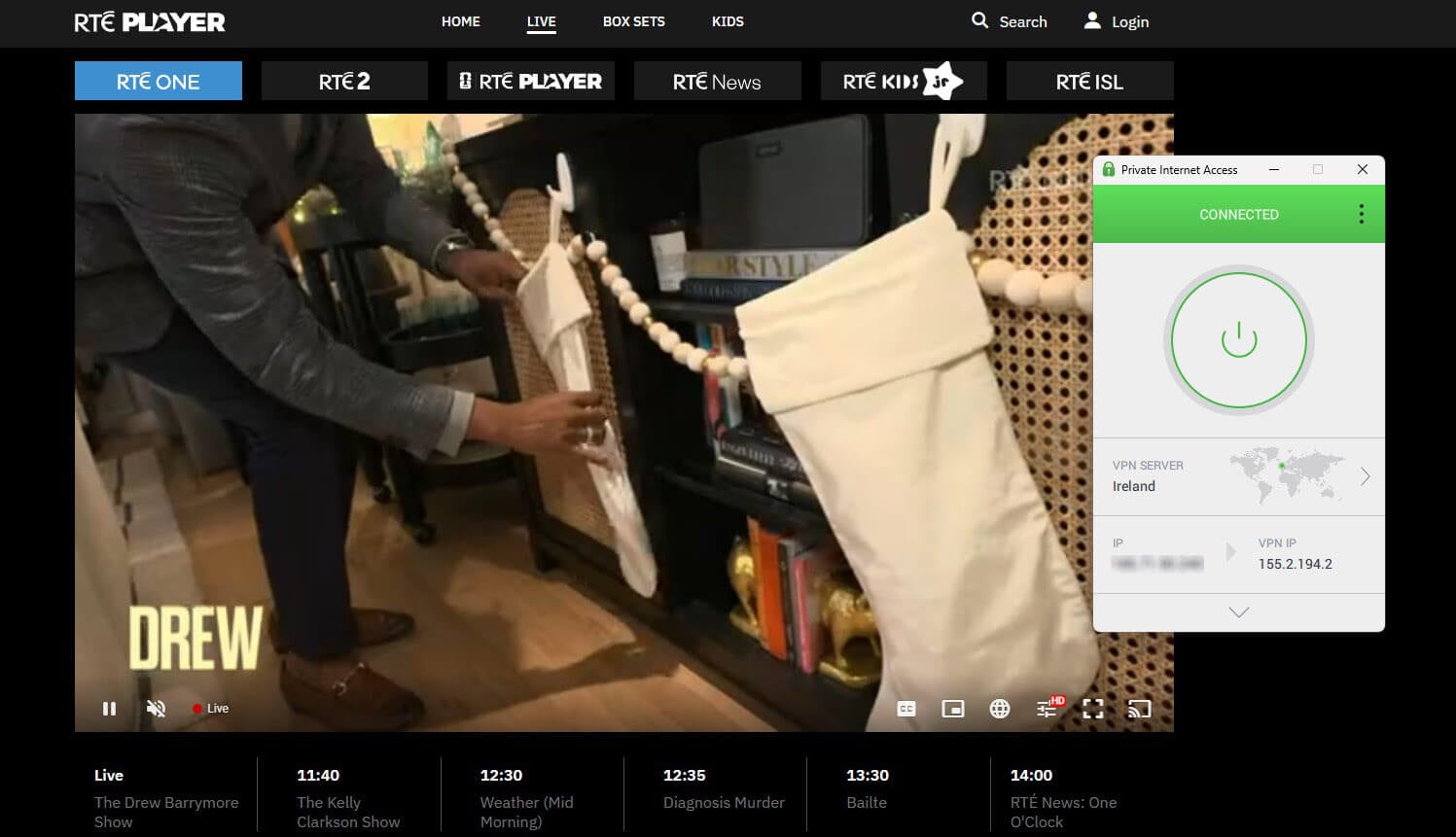
Private Internet Access sits in the USA, which places it under FVEY jurisdiction. That sounds alarming, but PIA compensates with a strict no-logs policy that’s been proven in court multiple times, where the company had no user data to hand over. Its server network is enormous, with over 30,000 servers in 90 countries. For foreign TV, that spread means many options in the regions that matter.
Dedicated streaming-optimized servers make finding a working connection even easier. Distant servers cost us just 8-10%, ample for streaming high-quality content and unblocking geo-restricted TV channels without buffering. Flexibility is PIA’s strength. You can pick between 128-bit and 256-bit encryption and switch from OpenVPN and WireGuard, tuning the balance of speed and protection.
There’s nothing flashy or unique in the feature list, but everything a prominent VPN should have is here. The price seals it. At around $2 monthly with a 30-day money-back guarantee, PIA is the budget pick of this list. Unlimited device connections sweeten the deal, and it’s compatible with Windows, macOS, iOS, Android, and more.
5. Surfshark: Streaming on Unlimited Devices
Pros
- Best VPN for Netflix
- Unlimted devices
- Periodic IP rotation
- Affordable 2-year plans
Cons
- Long connection times
- Higher renewal price
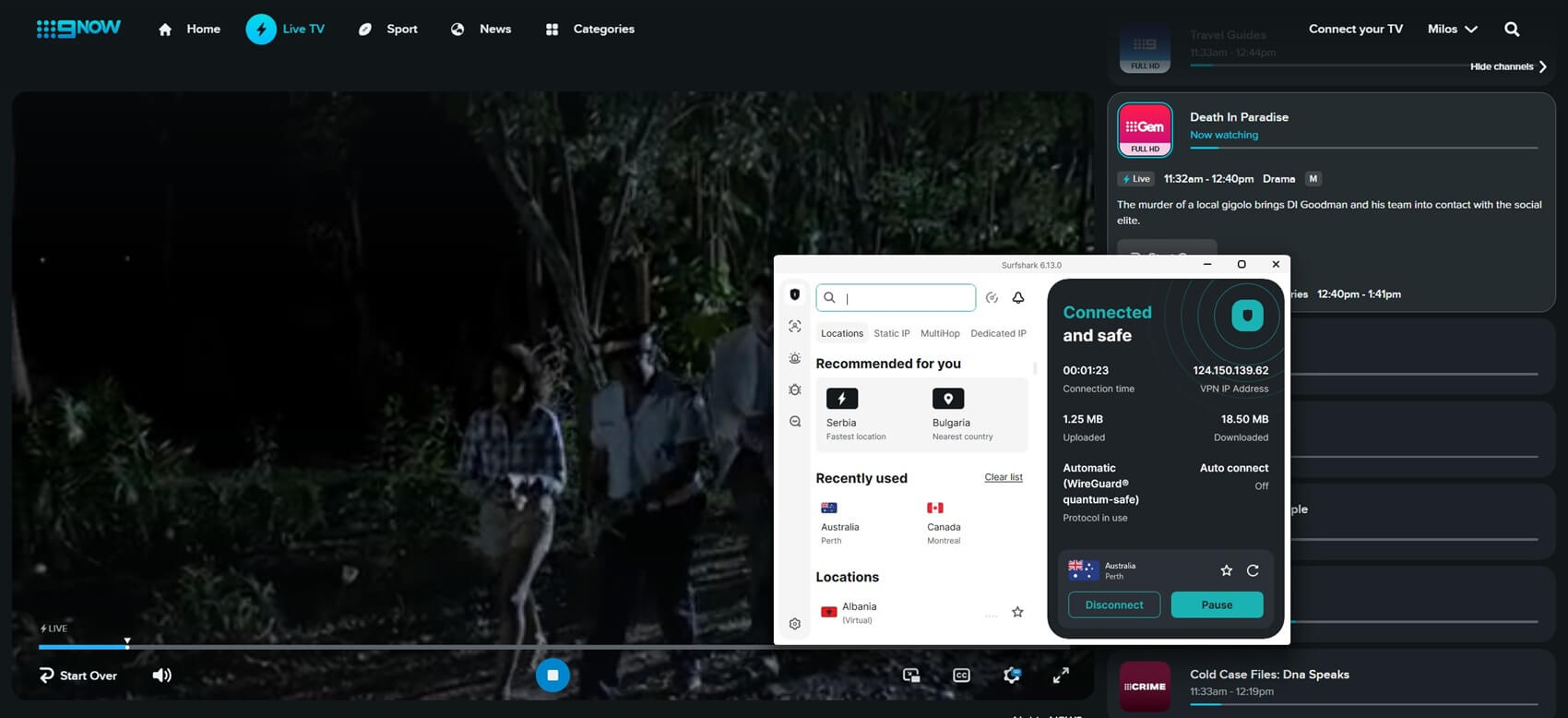
Surfshark operates from the Netherlands. The Dutch base puts it inside the 9 Eyes Alliance, which gave us pause, but its no-logs policy has been independently audited by Deloitte, so your activity stays untracked regardless. The network spans 4,500+ servers in 100 countries, following an expansion that concentrated on the US, UK, and Japan, 3 regions that matter enormously for foreign TV.
Every server runs on at least 10 Gbps ports, and Surfshark has even begun rolling out 100 Gbps hardware. In practice, that translated to strong streaming results. Connecting to a distant server cost us 8-10% of our speed, comfortably enough for high-quality streams, and we accessed most TV channels and streaming platforms without issues. Privacy features add real value here too.
CleanWeb blocks annoying ads, the IP Rotator regularly changes your IP address to avoid detection, Camouflage Mode hides your VPN use even from your ISP, and MultiHop routes traffic through two servers for extra security. Plans start at $2.49 per month with a 30-day money-back guarantee across the board, plus unlimited connections and support for everything from browsers to Fire TV.
Can I Watch Foreign TV Channels With a Free VPN?
Technically yes, but you won’t enjoy it. Free VPNs come with limitations that clash directly with what streaming demands. Server selection is the first wall you’ll hit. Foreign TV requires servers in specific countries, and free plans typically offer a handful of locations at best. Want Japanese TV? Italian channels? Chances are the free provider doesn’t cover them at all. Then come all the caps.
Most free plans throttle speeds and limit data to a few gigabytes monthly, which a single evening of HD streaming burns through. Even Proton VPN’s free tier, transparent as it is, doesn’t support streaming, and its paid servers handle that job instead. Detection is the final problem. TV channels blacklist overused IP addresses, and free servers, shared by thousands, get flagged surprisingly fast.
You’ll see proxy errors more often than actual content. There are a couple of exceptions, and we’ve covered them in our list of the best free VPN for Netflix, but even those come with compromises. For reliable foreign TV, a cheap premium option like Proton VPN at under $3 monthly beats any free plan without breaking the bank.
Conclusion: How to Watch International Channels?
Wherever you happen to live, foreign TV is a VPN connection away. Pick a server in the right country, grab a matching IP, and channels that were locked a minute ago start streaming like you never left. Our tests put NordVPN at the top, thanks to its massive server network and effortless unblocking, but the other four picks all earned their spots. Proton VPN is a close second with its large country coverage.
ExpressVPN just expanded to 214 locations, PIA undercuts everyone on price with unlimited connections, and Surfshark packs premium features into a $2.5/mo plan. Whichever direction you lean, the risk is close to zero. Every VPN has a 30-day money-back guarantee, so you can test must-watch channels thoroughly and walk away with a refund if something disappoints along the way.
Frequently Asked Questions
🔴 How to watch international TV shows?
You can watch international TV shows with a VPN. If you're traveling or you're outside of the region where the show you want broadcasts, a VPN can unblock it. It replaces your IP address with a new one from that location. From that moment, you can access any show you want, anywhere.
▶️ Can I stream international TV abroad?
Yes, but only with a VPN. Foreign TV channels are locked to their respective regions, and a VPN that changes your online location fixes it. Connect to a server in an adequate country, and you'll unblock access.
🥨 Can I watch German TV abroad?
Yes, you can watch German TV abroad with a VPN by getting a German IP address. This will unblock ZDF, Das Erste, RTL, and other German TV channels anywhere. This fix also works for Spanish TV channels and others.